Ulmus glabra: The Quiet Strength of the Wych Elm
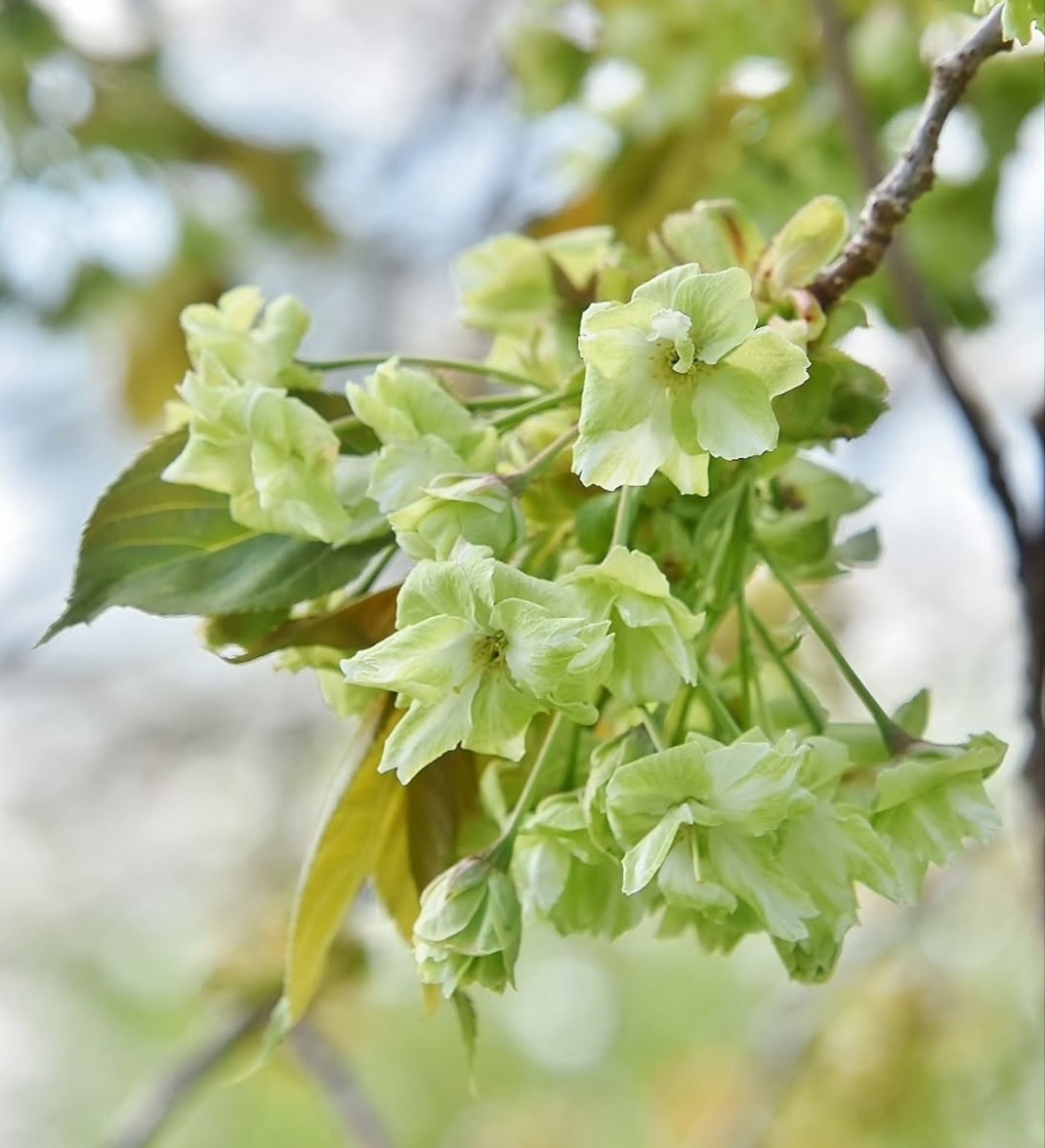
There is something deeply grounding about the presence of the Ulmus glabra, commonly known as the wych elm. Native to much of Europe, this broad-leaved tree has stood for centuries as a silent witness to shifting landscapes and human histories. Its name, “wych,” comes not from anything eerie, but from an old word meaning “pliant” or “bending,” a fitting tribute to its flexible branches and enduring spirit.
Unlike more ornamental trees that clamor for attention with vivid blossoms, the wych elm carries a quieter beauty. Its leaves are rough to the touch, asymmetrical, and deeply veined, offering a textured richness that changes subtly with the seasons. In spring, small reddish flowers appear before the leaves unfold, followed by winged seeds that drift effortlessly on the wind. It is a tree that does not rush to impress, but rewards those who take the time to notice.
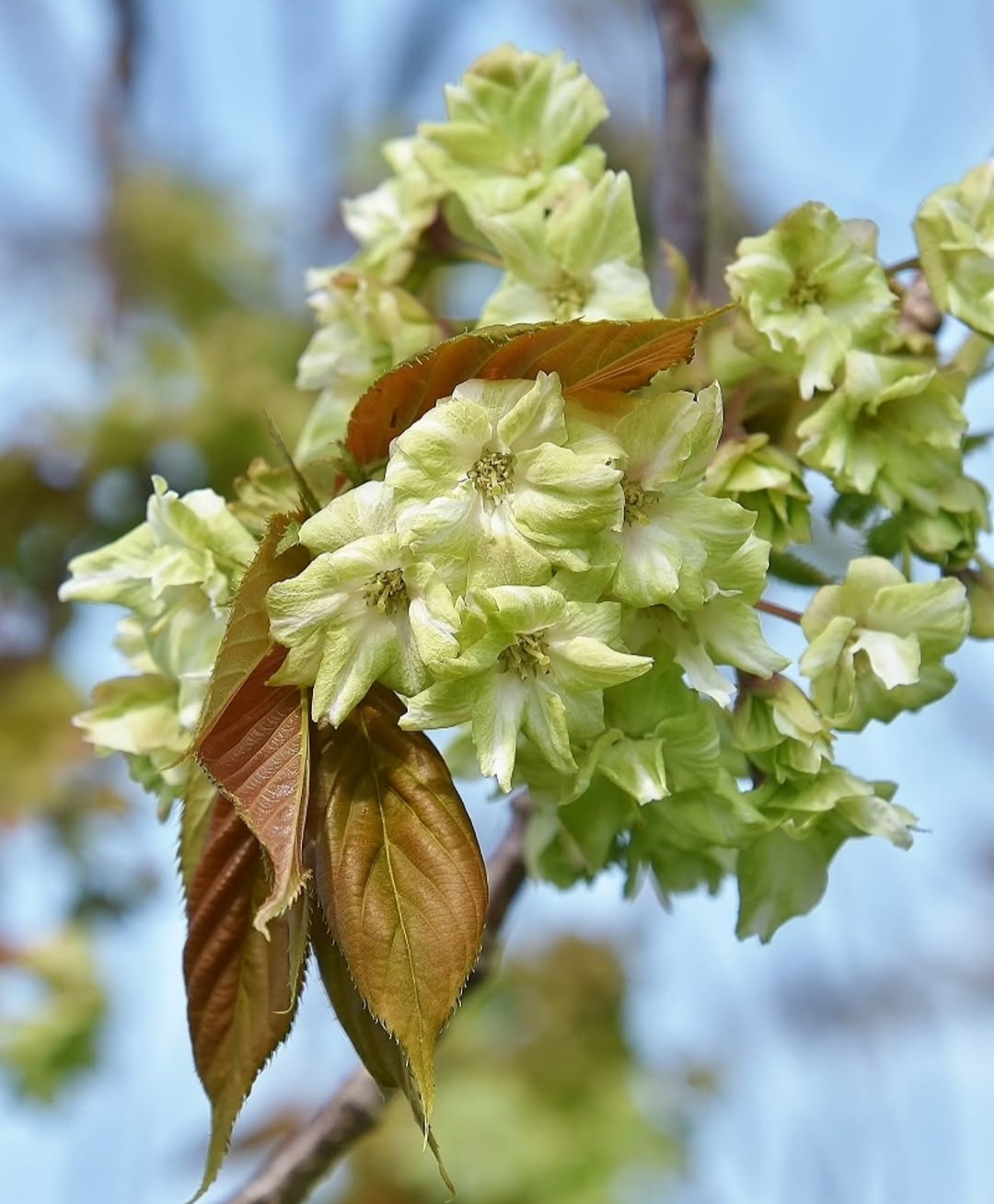
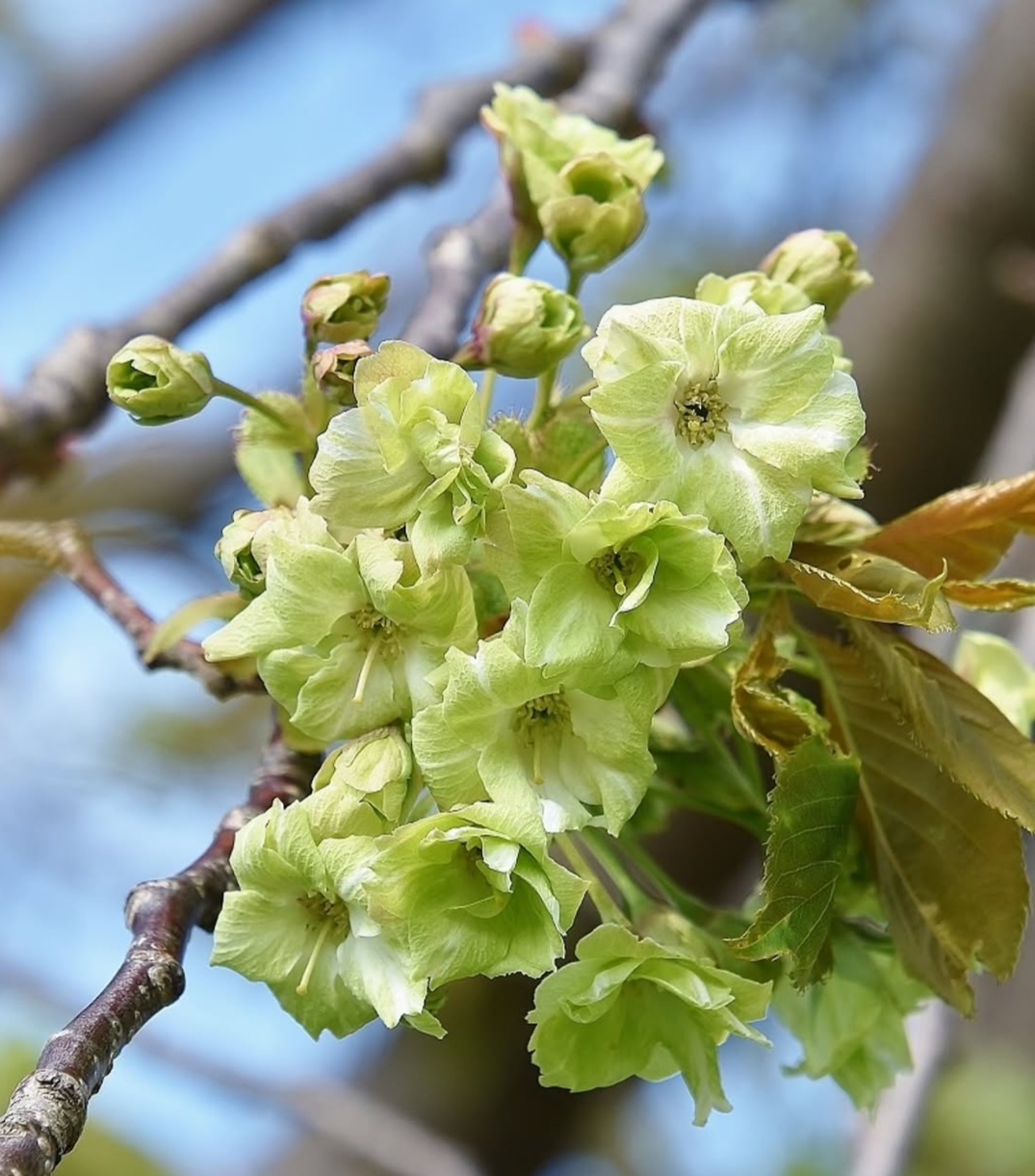
Historically, Ulmus glabra has played a meaningful role in rural life. Its strong yet workable wood has been used for furniture, wheel hubs, and even water pipes, valued for its resistance to splitting. In many communities, the tree provided more than material—it offered shade, shelter, and a gathering place. Beneath its wide canopy, conversations unfolded, and moments of rest were quietly shared.
Yet, like many elm species, the wych elm has faced challenges, most notably from Dutch elm disease. This devastating fungal infection has reshaped landscapes across Europe, reducing once-abundant populations. Still, Ulmus glabra shows a remarkable resilience. In isolated woodlands and protected areas, it continues to grow, adapt, and remind us that endurance often lies in persistence rather than perfection.
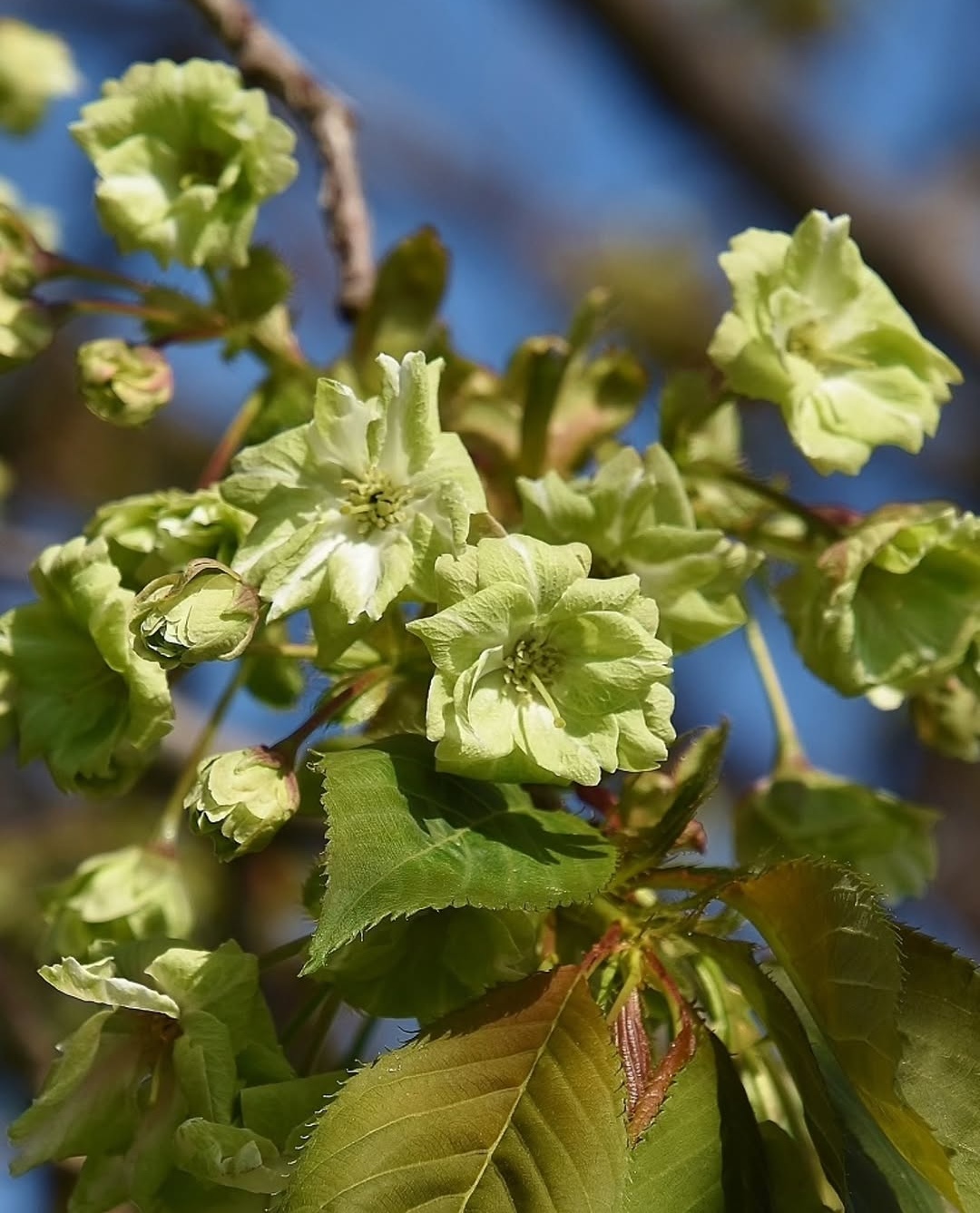
There is also a subtle ecological harmony surrounding the wych elm. It supports a variety of insects, birds, and fungi, forming a small but vital ecosystem. Its presence contributes to biodiversity, offering food and habitat to species that depend on it. In this way, the tree becomes more than an individual—it becomes a quiet caretaker of life around it.
In a world that often celebrates speed and spectacle, Ulmus glabra stands as a symbol of patience and understated strength. It does not demand attention, yet it commands respect through its longevity and quiet contributions. To encounter a wych elm is to be reminded that not all beauty is loud, and not all strength is visible—but both can leave a lasting impression.
Thanks For Reading
Device Information
| Device | Redmi Note 10 Pro |
|---|---|
| Lens | 64 mp |
| Location | Bangladesh |