Burflower-Tree: Nature’s Quiet Jewel of the Tropics
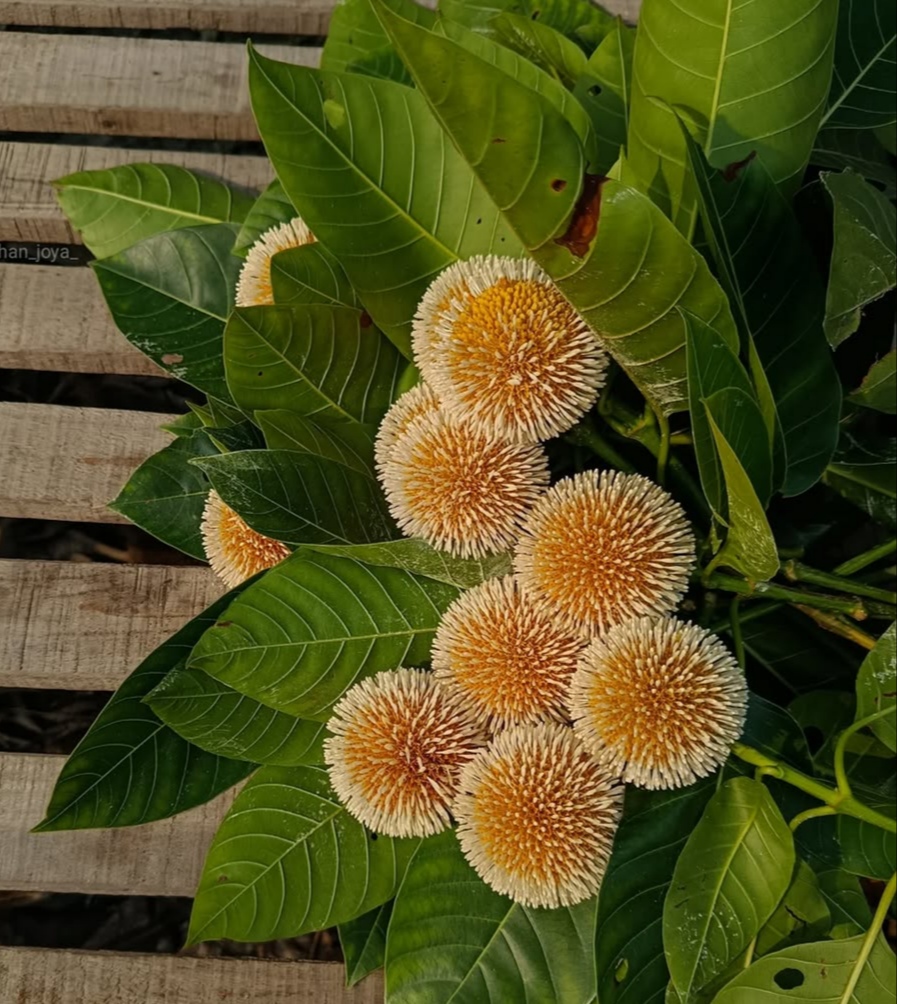
The Burflower-tree is one of those rare plants that quietly captures attention without demanding it. Found mostly in tropical and subtropical regions, this graceful tree is admired for its delicate flowers, broad canopy, and calming presence in natural landscapes. While it may not be as famous as roses or cherry blossoms, the Burflower-tree carries its own understated charm that speaks to people who appreciate the softer side of nature. Walking beneath its shade often feels like stepping into a peaceful corner of the world untouched by noise and haste.
One of the most fascinating features of the Burflower-tree is its unique flowering pattern. Its blossoms bloom in clusters, creating a soft yet vibrant display that attracts bees, butterflies, and birds. These flowers not only add beauty to gardens and forests but also play an important role in supporting local ecosystems. During blooming season, the tree becomes alive with movement and sound, reminding us how deeply connected plants are with the creatures around them. In many rural communities, the arrival of its flowers is considered a gentle sign of seasonal change.
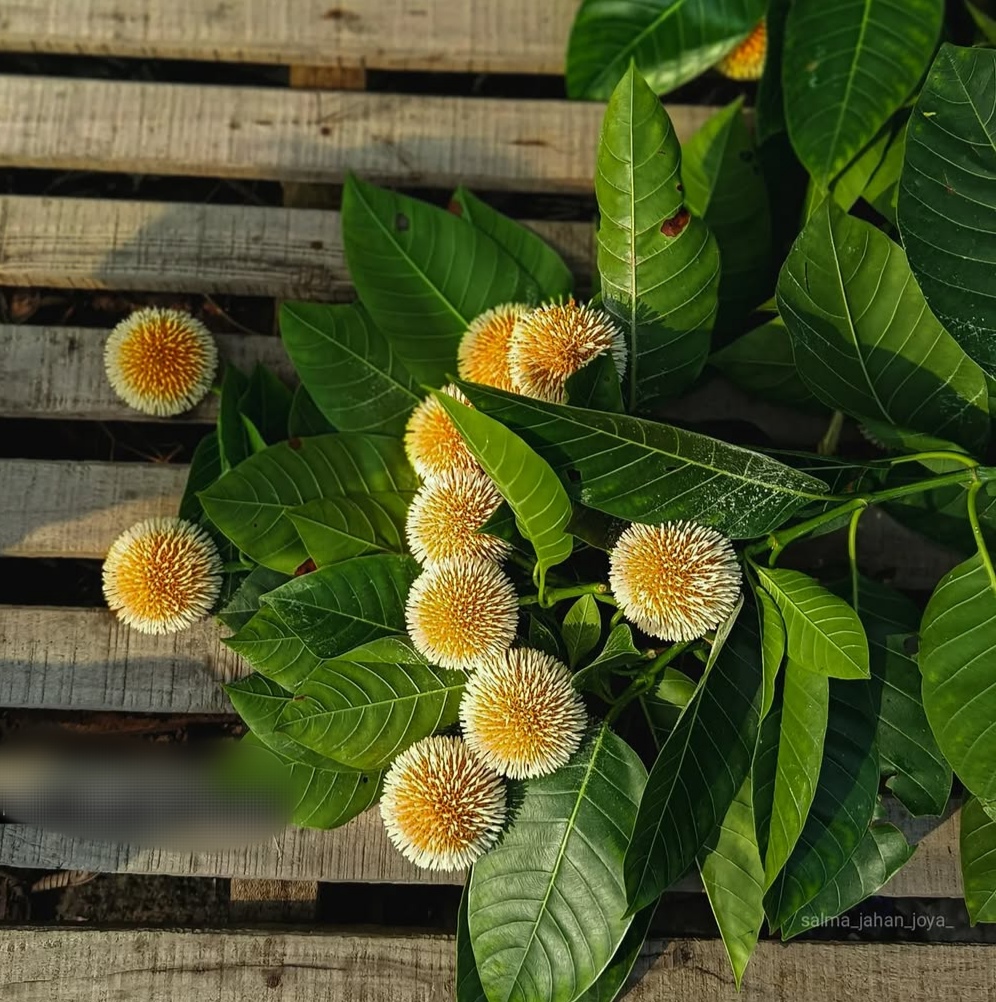
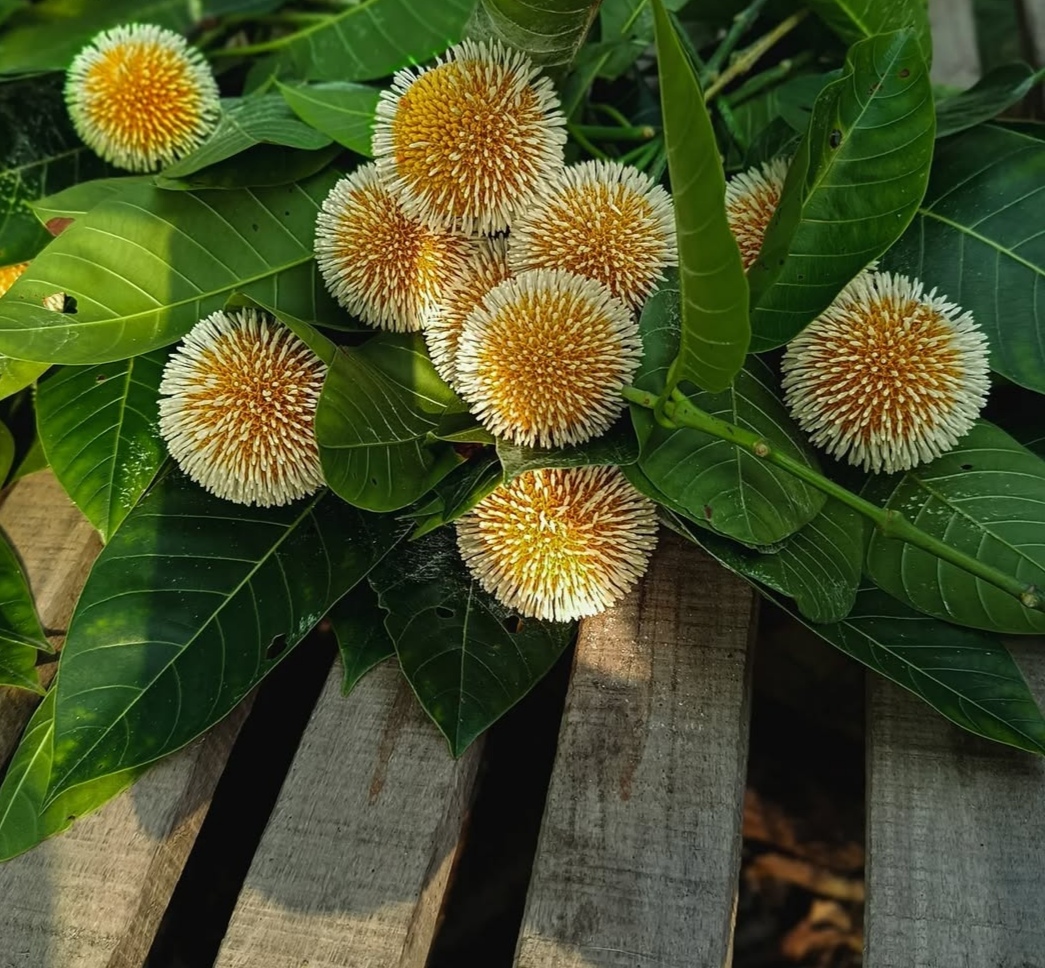
The tree itself is known for its resilience and adaptability. It can thrive in warm climates, tolerate periods of heavy rainfall, and continue growing even in less-than-perfect soil conditions. Because of this hardiness, the Burflower-tree is often planted along roadsides, village paths, and public parks where it offers both shade and environmental benefits. Its leafy branches help cool the surrounding air, making it a natural refuge during hot afternoons. For many people, the tree becomes more than just part of the scenery—it becomes part of daily life.
Beyond its beauty, the Burflower-tree has cultural and practical value in several regions. Traditional communities have long used parts of the tree for herbal remedies, woodworking, and decorative purposes. Elders often pass down stories connected to these trees, giving them a place in local folklore and memory. Sitting beneath its branches can evoke a sense of nostalgia, especially in villages where generations have gathered under the same tree to share conversations, celebrations, and moments of rest.
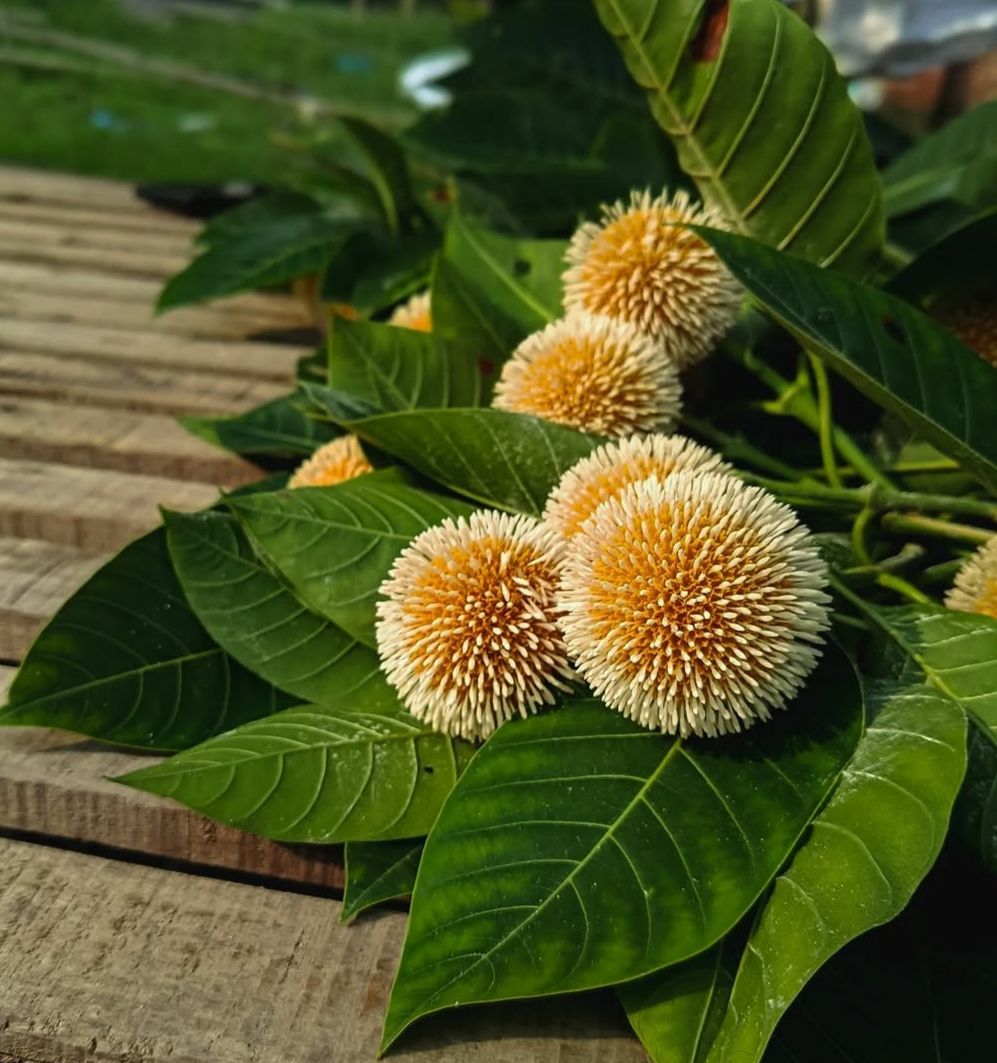
In today’s rapidly urbanizing world, trees like the Burflower-tree remind us of the importance of preserving green spaces. As cities expand and natural habitats shrink, many native trees face quiet disappearance. Planting and protecting species like this one is not only about conserving biodiversity but also about maintaining the emotional connection humans have with nature. Trees provide comfort in ways that are difficult to measure—they soften harsh environments, reduce stress, and create spaces where people can slow down and breathe more deeply.
The Burflower-tree may not always stand at the center of attention, but its quiet elegance leaves a lasting impression on those who encounter it. Its blossoms, shade, and enduring strength reflect the timeless beauty of the natural world. In many ways, the tree teaches a simple lesson: not everything valuable needs to be loud or grand. Sometimes, the gentlest presence can bring the greatest sense of peace.
| Device | cannon eos 700D |
|---|---|
| Lens | 55-250 zoom leans |
| Location | Bangladesh |

Beyond its beauty, the Burflower-tree has cultural and practical value in several regions. Traditional communities have long used parts of the tree for herbal remedies, woodworking, and decorative purposes. Elders often pass down stories connected to these trees, giving them a place in local folklore and memory. Sitting beneath its branches can evoke a sense of nostalgia, especially in villages where generations have gathered under the same tree to share conversations, celebrations, and moments of rest.