Smyrnium: The Forgotten Herb of Ancient Pathways
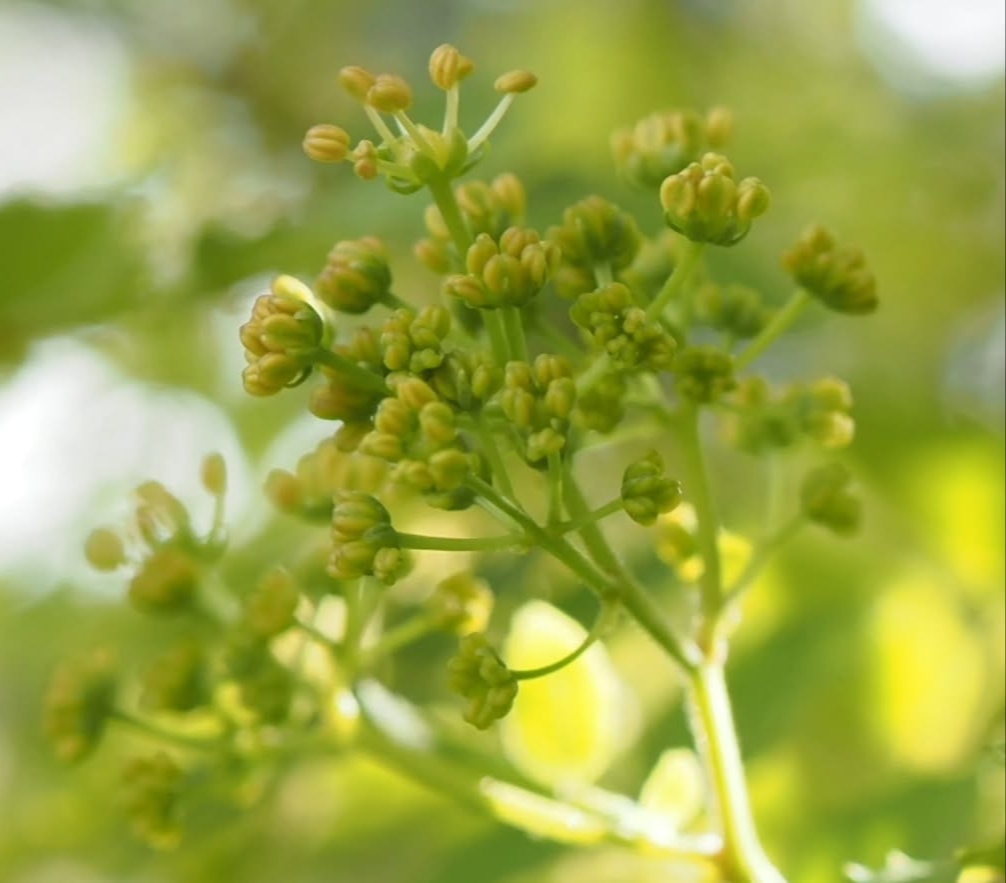
In the quiet margins of history and hedgerows alike, Smyrnium grows with an unassuming grace. Often overlooked beside more flamboyant plants, it carries a quiet legacy that stretches back through centuries. Known commonly as alexanders, this herb once held a place of honor in ancient kitchens and gardens, valued as much for its usefulness as for its resilience. Today, it lingers in wild corners, a reminder of a time when even the simplest plants were woven deeply into daily life.
Smyrnium’s appearance is both sturdy and elegant. Its glossy, deep green leaves spread in layered patterns, while its thick stems rise with quiet confidence. In spring, clusters of small yellow-green flowers form rounded umbels, subtle yet intricate. There is nothing ostentatious about its beauty; instead, it offers a grounded presence, as though it belongs entirely to the soil from which it grows.
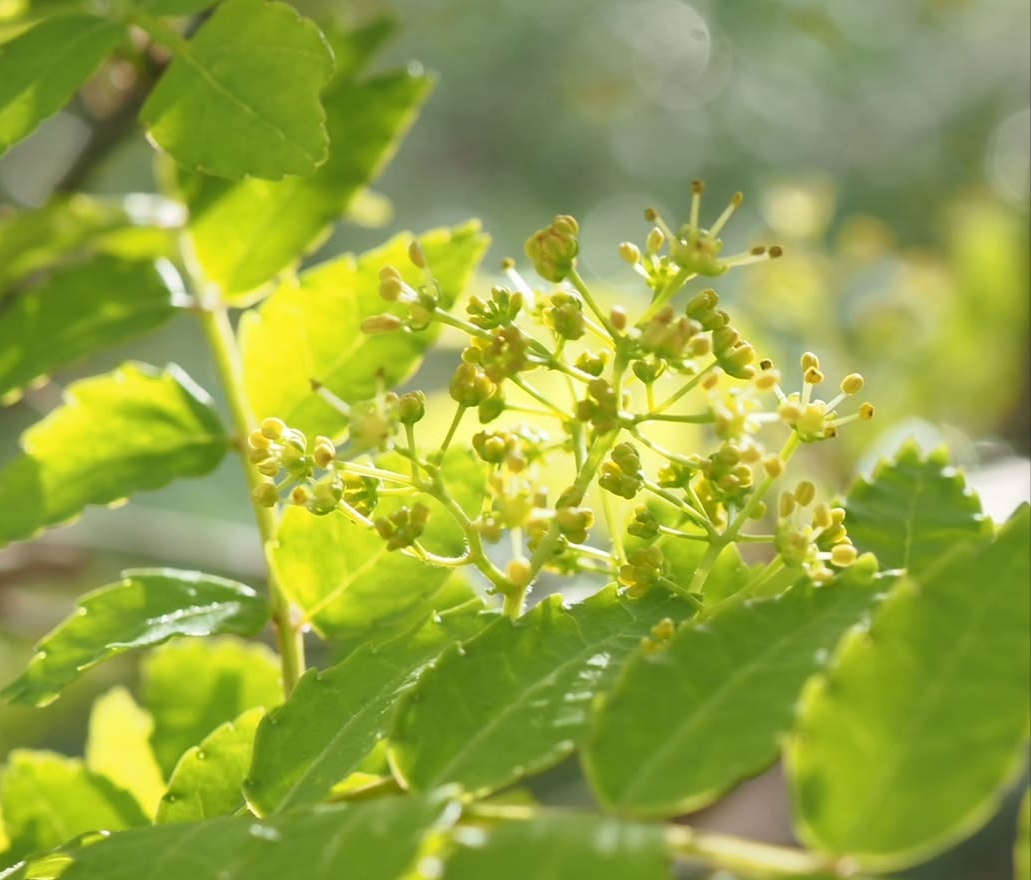
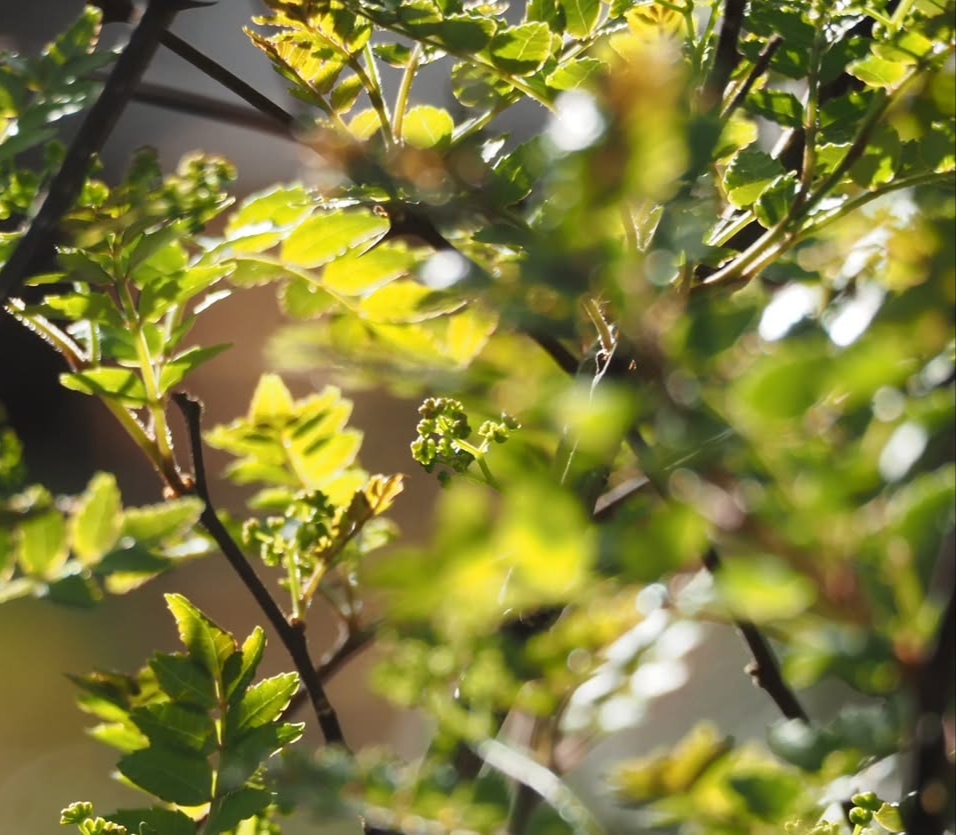
Historically, Smyrnium was more than just a plant—it was a companion to human survival. Introduced to parts of Europe by the Romans, it became a valued vegetable long before celery took its place. Every part of the plant was used: leaves in salads, stems cooked as a vegetable, seeds as a spice. It speaks to a time when resourcefulness shaped cuisine, and plants like Smyrnium were trusted allies in nourishment.
Despite its rich past, Smyrnium gradually faded from cultivated gardens, replaced by more refined and widely favored crops. Yet it never truly disappeared. It continues to grow along coastal paths, roadside verges, and untended fields, thriving without the need for careful cultivation. In this persistence, there is a quiet defiance—a refusal to be forgotten entirely.
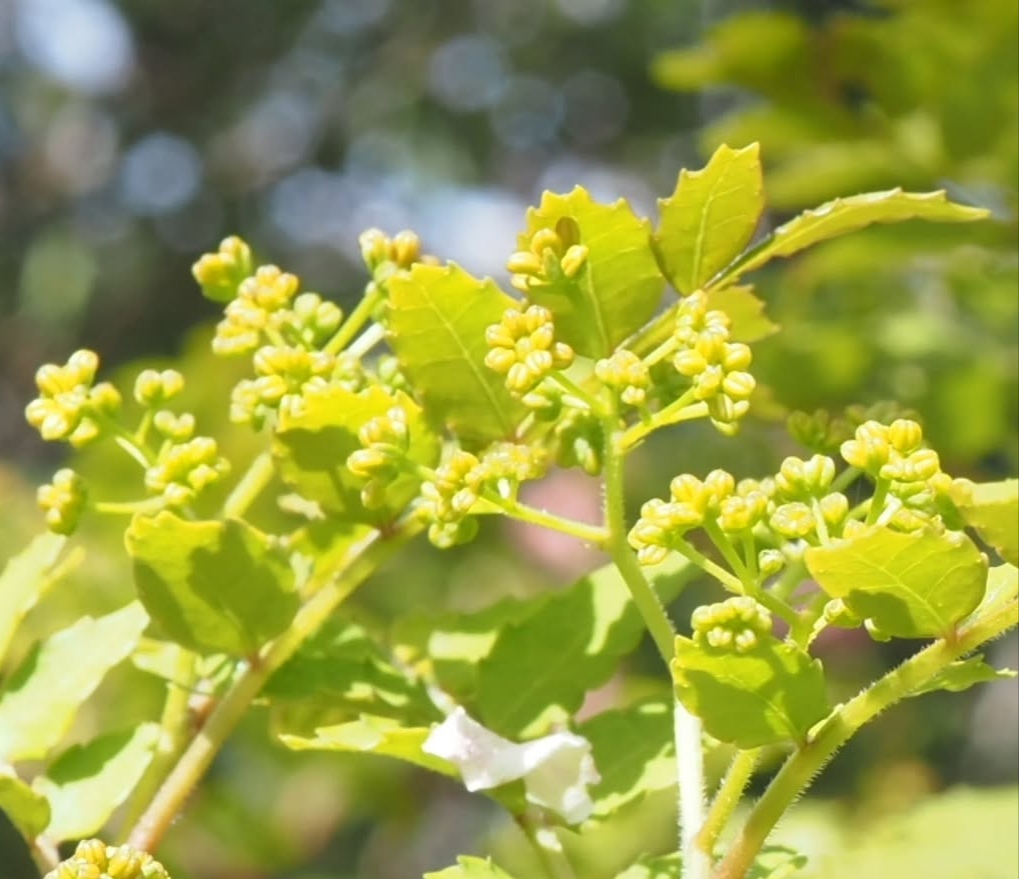
Ecologically, Smyrnium plays its part in supporting life around it. Its flowers attract pollinators, while its dense foliage offers shelter for small insects. It integrates seamlessly into the ecosystems it inhabits, contributing without overwhelming. Like many humble plants, its importance is easy to miss unless one looks closely.
In the end, Smyrnium is a story of endurance and quiet relevance. It reminds us that not all value lies in prominence or popularity. Some things persist simply because they are well-suited to their place in the world. In rediscovering plants like Smyrnium, we reconnect with a slower, more attentive way of seeing—one that honors the overlooked and finds meaning in the modest.
| Device | cannon eos 700D |
|---|---|
| Lens | 55-250 zoom leans |
| Location | Bangladesh |

Thank you for sharing on steem! I'm witness fuli, and I've given you a free upvote. If you'd like to support me, please consider voting at https://steemitwallet.com/~witnesses 🌟