The Quiet Courage of the Eurasian Wren
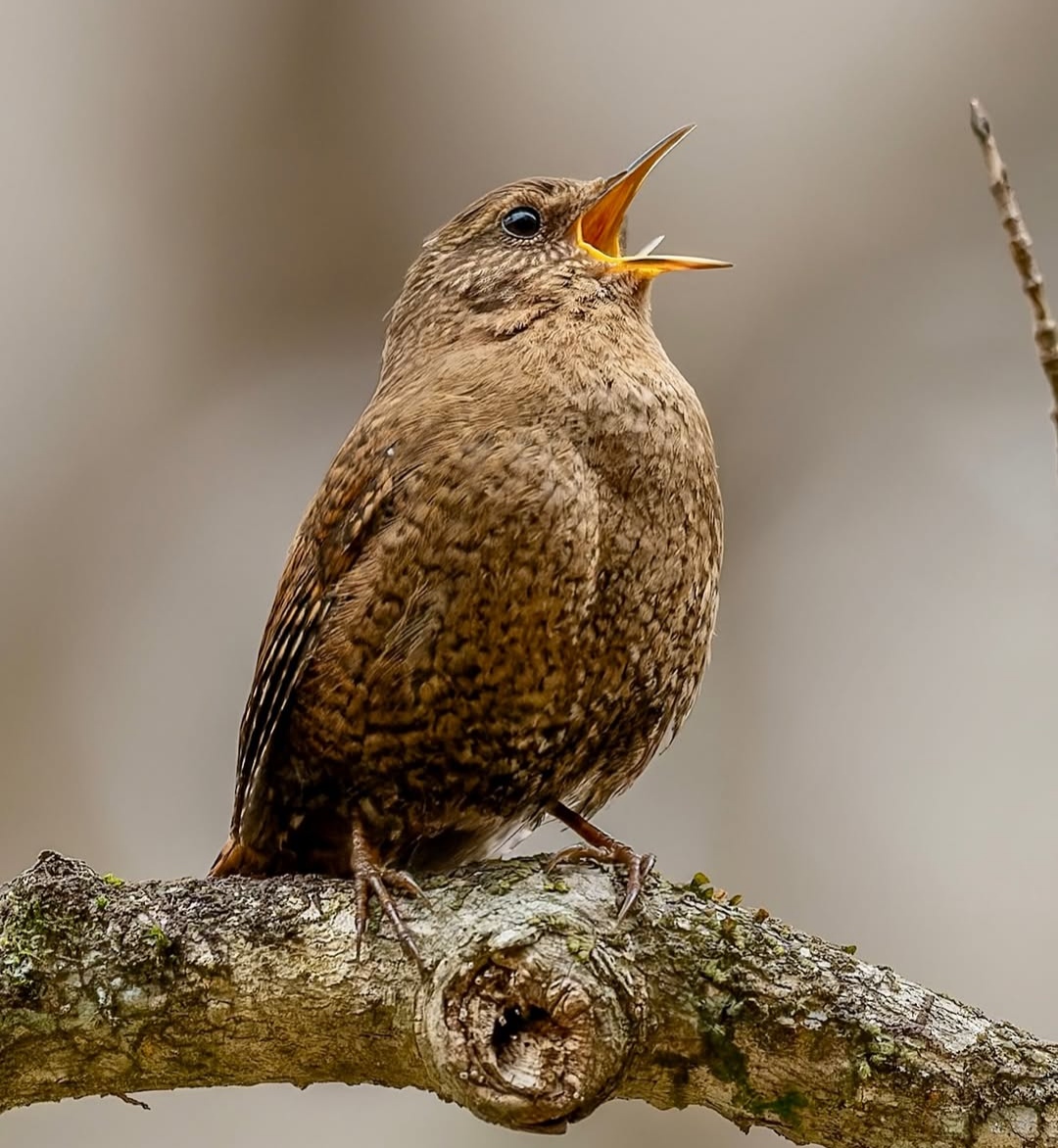
In the soft hush of early morning, when the world still feels half-asleep, the song of the Eurasian wren rises with surprising strength. This tiny bird, often overlooked due to its modest size and earthy brown feathers, carries a voice that seems far too powerful for its frame. Its melody is not just sound—it is presence, a declaration that even the smallest lives can leave a lasting echo in the vastness of nature.
The Eurasian wren inhabits a wide range of environments, from dense forests to quiet gardens and hedgerows. It prefers places where shadows and undergrowth offer both shelter and mystery. Watching one dart between branches is like witnessing a fleeting thought—quick, elusive, yet full of intent. Its constant motion reflects a life lived attentively, always aware of the delicate balance between safety and survival.
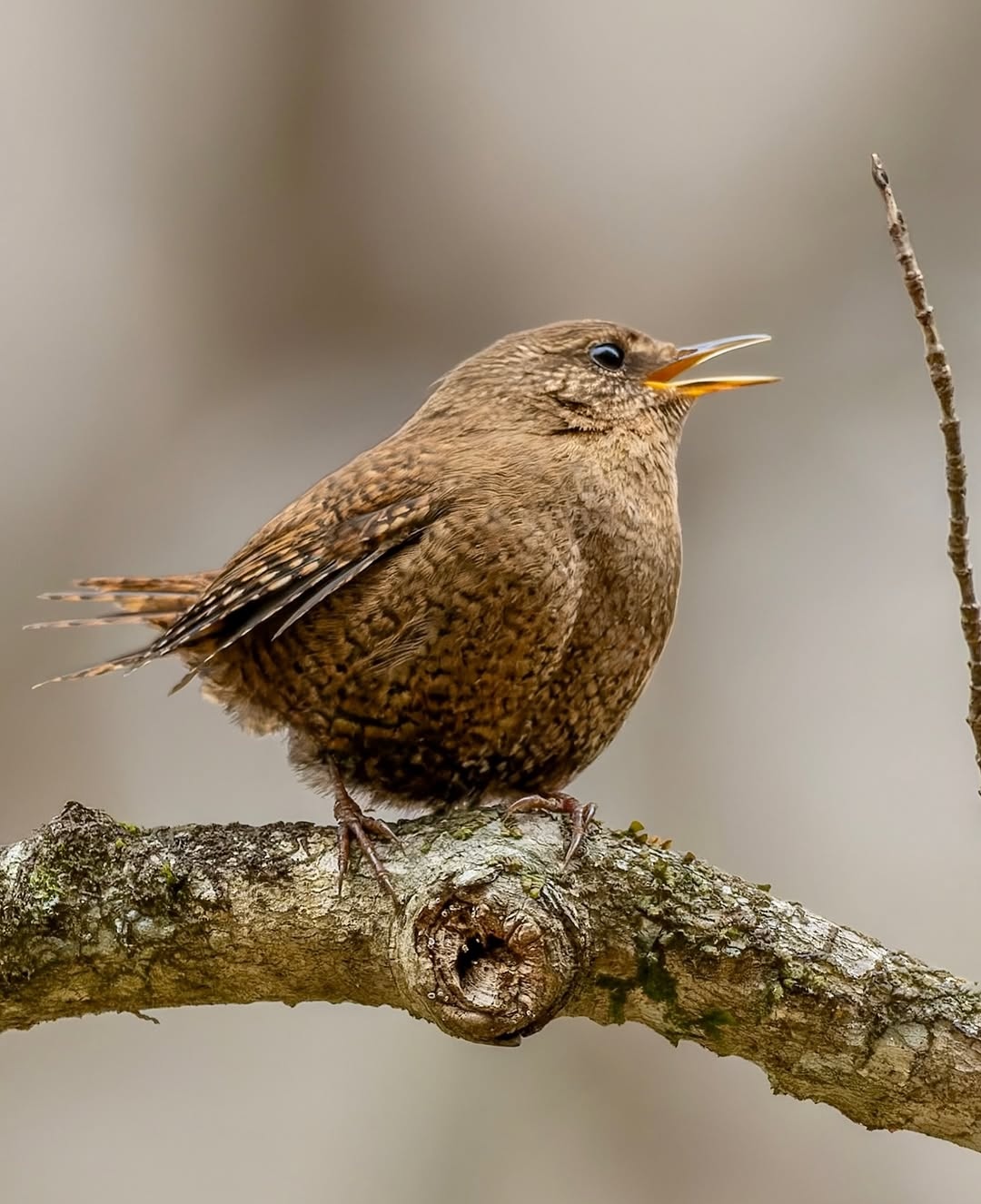
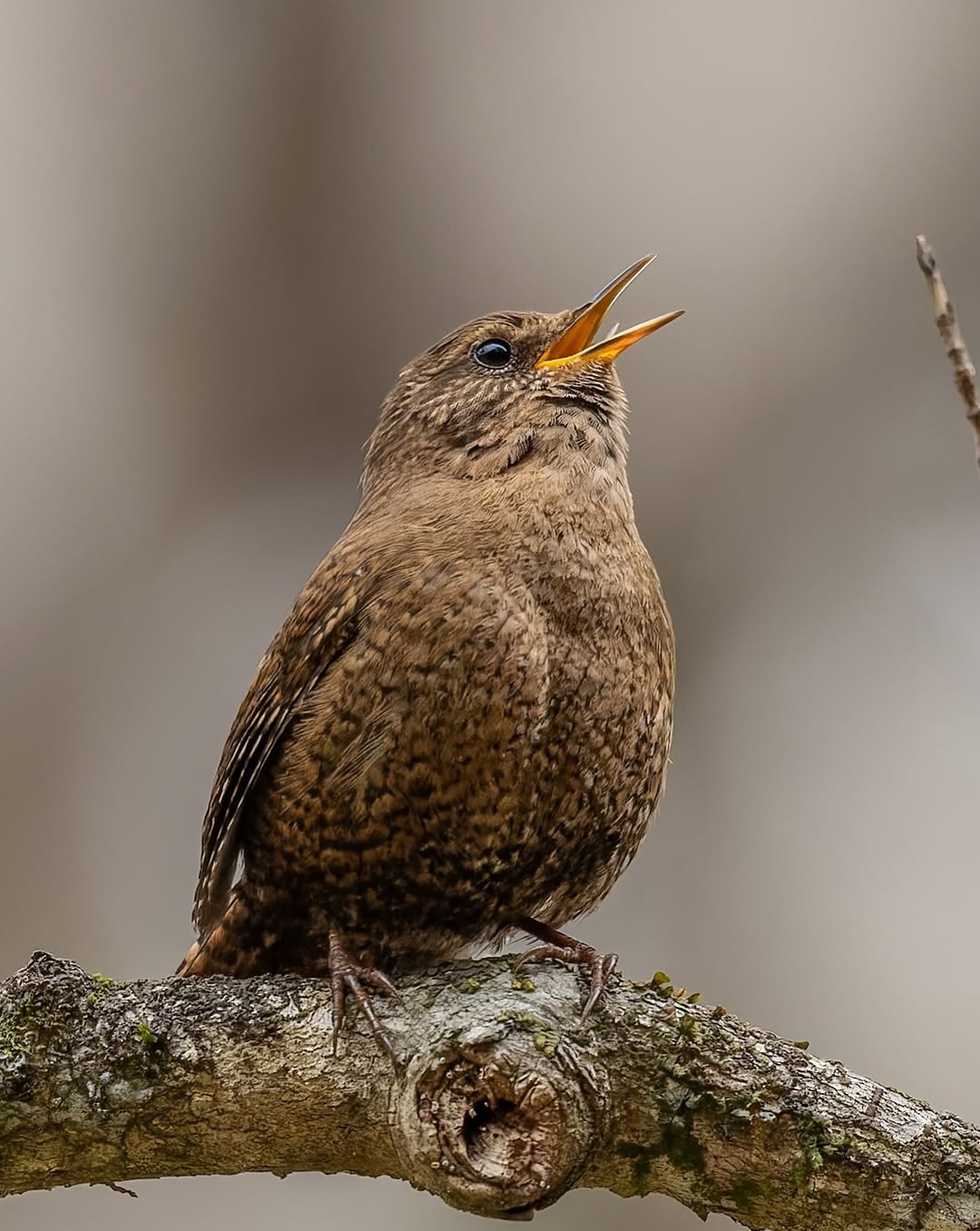
Despite its small stature, the wren possesses remarkable resilience. Winters can be harsh, especially across northern regions, yet these birds endure through clever adaptation and communal warmth. They gather in groups, sharing body heat during cold nights, a quiet reminder that survival is often a shared effort rather than a solitary battle. There is something deeply human in that instinct—to seek comfort in togetherness when the world turns unforgiving.
The nest of the Eurasian wren is another reflection of its character—carefully built, tucked away in hidden corners, crafted with patience and precision. It is not just a home but a sanctuary, a place where life begins and hope is sheltered. The male often builds several nests, as if offering choices, while the female selects the one that feels right. In this small ritual, we glimpse a subtle dialogue of trust and instinct.
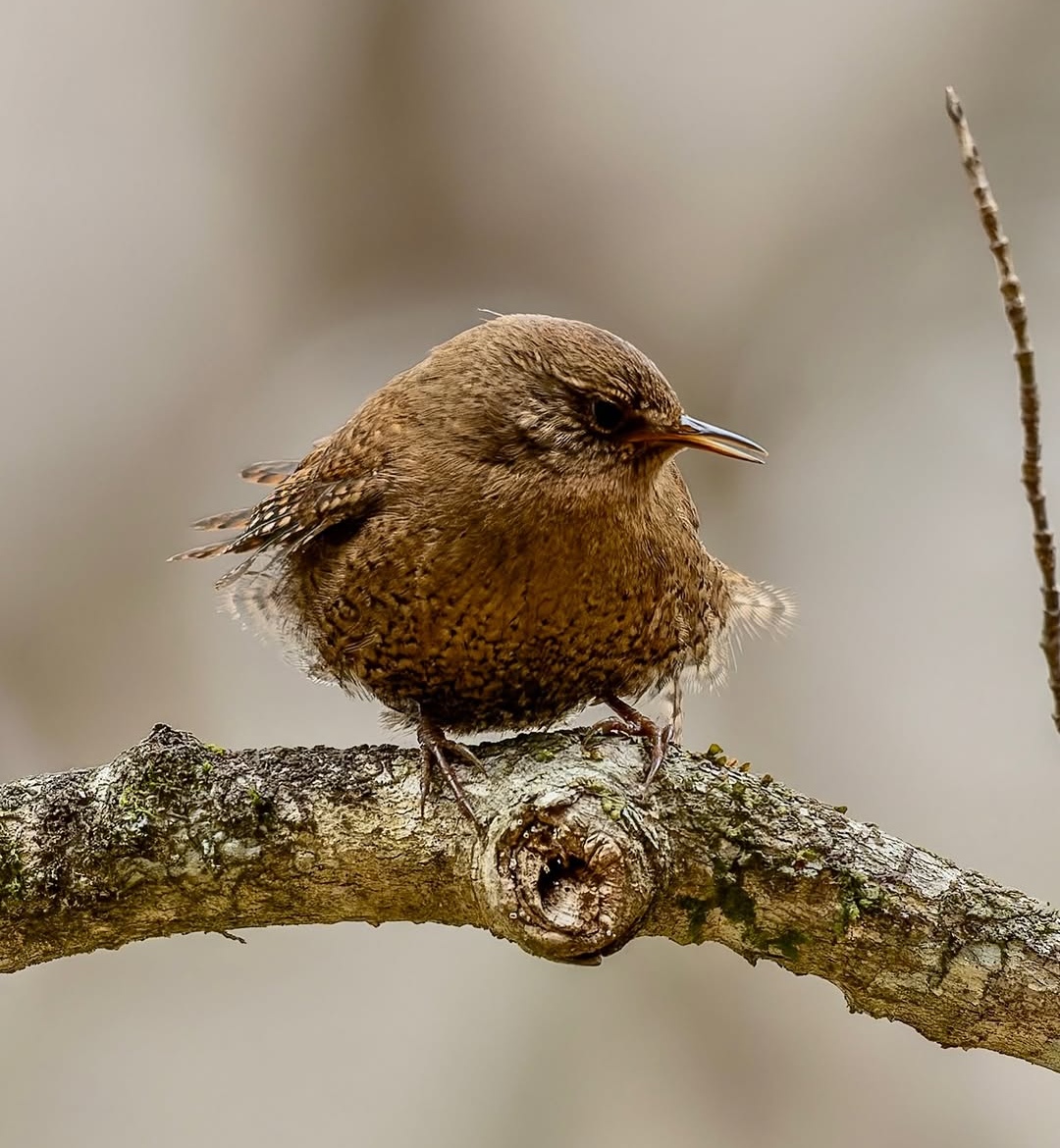
What makes the wren truly unforgettable, however, is its song. Loud, complex, and filled with energy, it transforms quiet spaces into living symphonies. For those who pause long enough to listen, the wren’s music becomes more than a natural sound—it becomes a reminder to notice, to feel, and to appreciate the unnoticed wonders around us. It speaks to the idea that beauty does not demand attention; it simply exists, waiting to be heard.
In a world that often celebrates grandeur and scale, the Eurasian wren offers a different perspective. It teaches us that strength can be gentle, that presence does not require size, and that even the smallest voice can carry across great distances. To encounter a wren is to be invited into a quieter understanding of life—one where resilience, simplicity, and song hold their own kind of power.
| Device | cannon eos 700D |
|---|---|
| Lens | 55-250 zoom leans |
| Location | Bangladesh |