Malabar Lark: The Quiet Singer of Open Lands
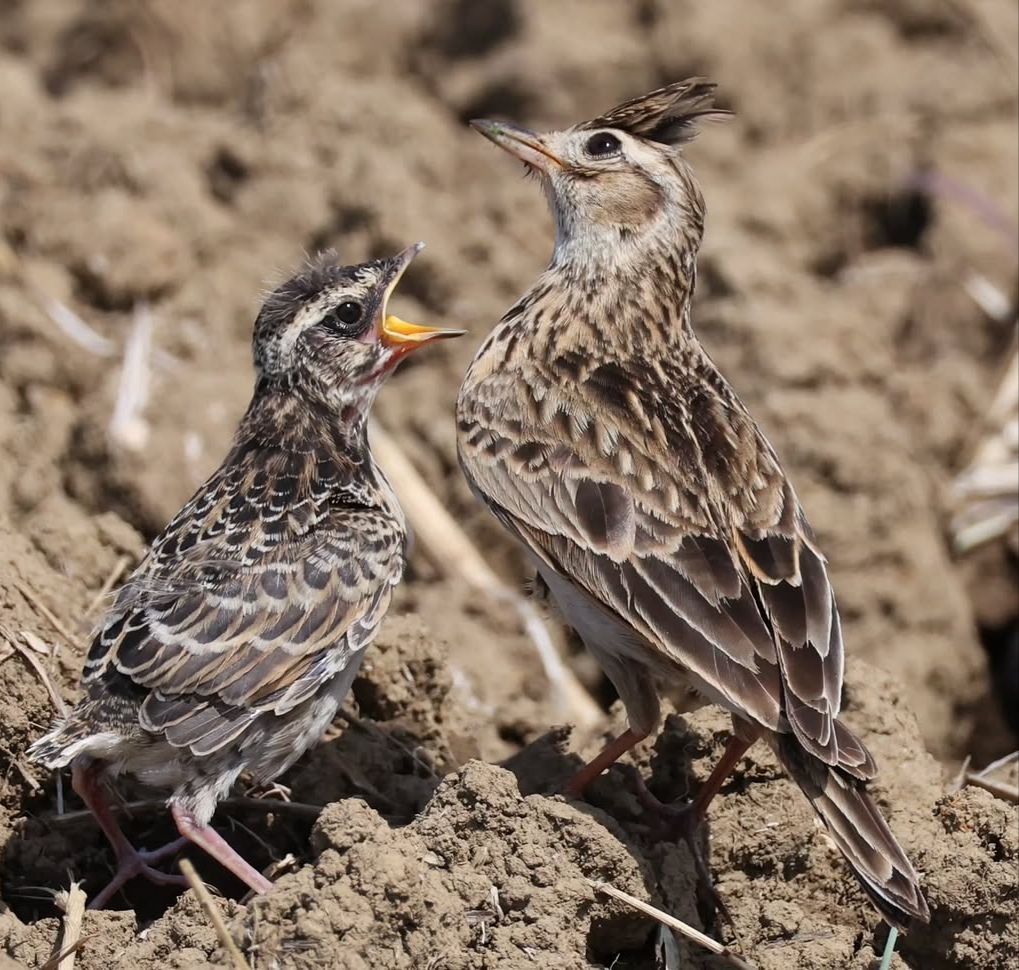
In the wide, sunlit stretches of southern India, the Malabar lark lives a life that is both grounded and lyrical. With its sandy-brown plumage and subtle streaks, this bird blends seamlessly into the dry grasslands and scrubby fields it calls home. At first glance, it may seem unremarkable, but those who pause and listen soon discover a voice that transforms the ordinary into something quietly magical.
The Malabar lark is a master of camouflage, perfectly adapted to its environment. Its earthy tones mirror the soil and grasses, offering protection from predators while allowing it to move unnoticed. Yet, when it takes to the air, it reveals another side of its nature. Rising in short, fluttering flights, it often delivers a series of melodious notes—soft, intricate, and full of character. These songs, though not loud, carry a sense of intimacy that feels like a conversation with the land itself.
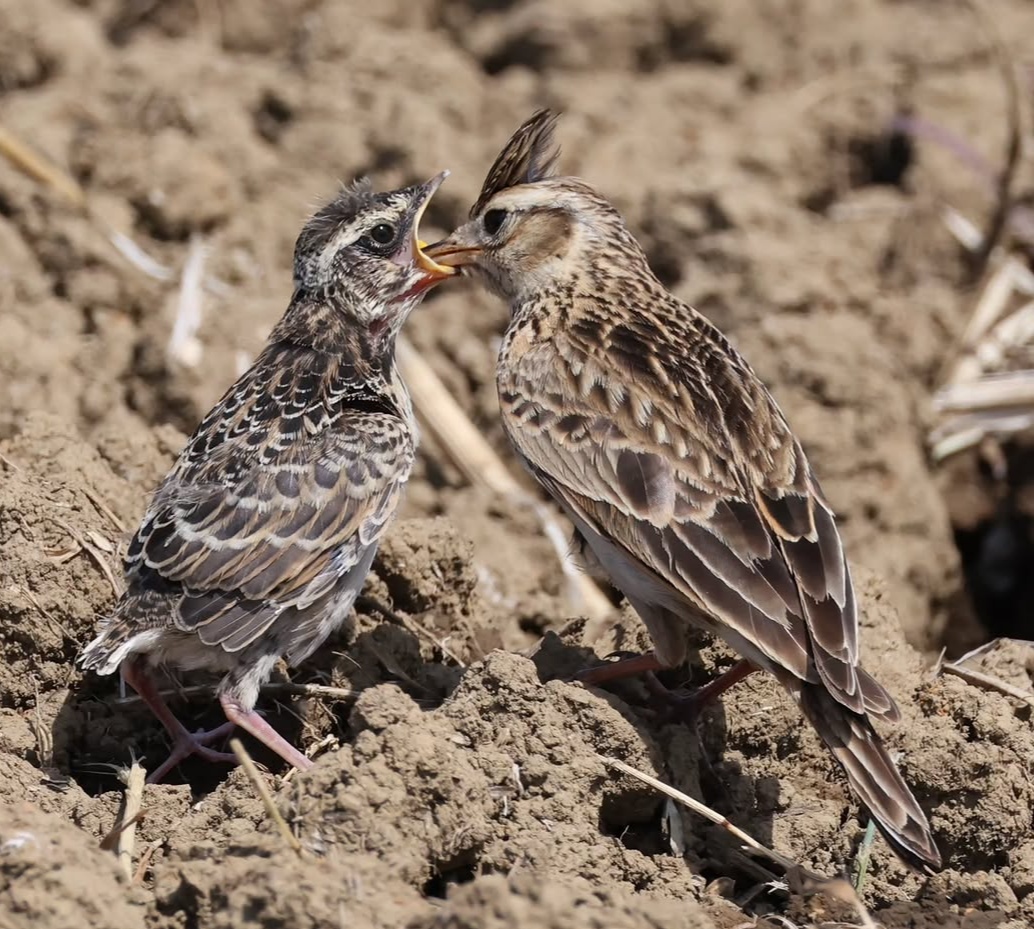
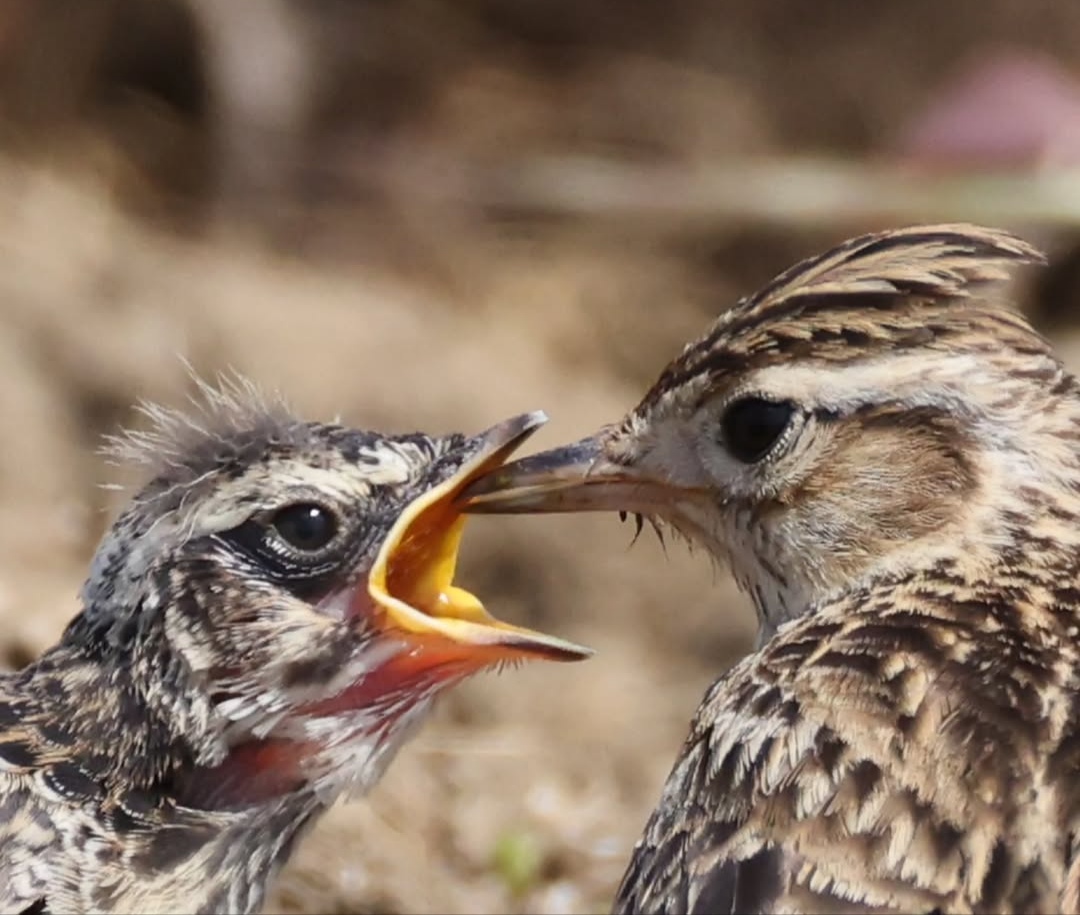
Unlike many birds that seek dense forests or wetlands, the Malabar lark thrives in open habitats. It prefers arid plains, agricultural edges, and lightly vegetated areas where it can forage freely. Its diet consists mainly of seeds and small insects, reflecting a simple yet adaptable lifestyle. This ability to make the most of modest resources speaks to a resilience that often goes unnoticed.
Behaviorally, the Malabar lark is a creature of rhythm and routine. It spends much of its time on the ground, walking or hopping in search of food. When disturbed, it may take a brief flight before settling again at a safe distance. Its crest, which can be raised or lowered, adds a subtle expressiveness to its appearance—like a quiet gesture that hints at mood or alertness.
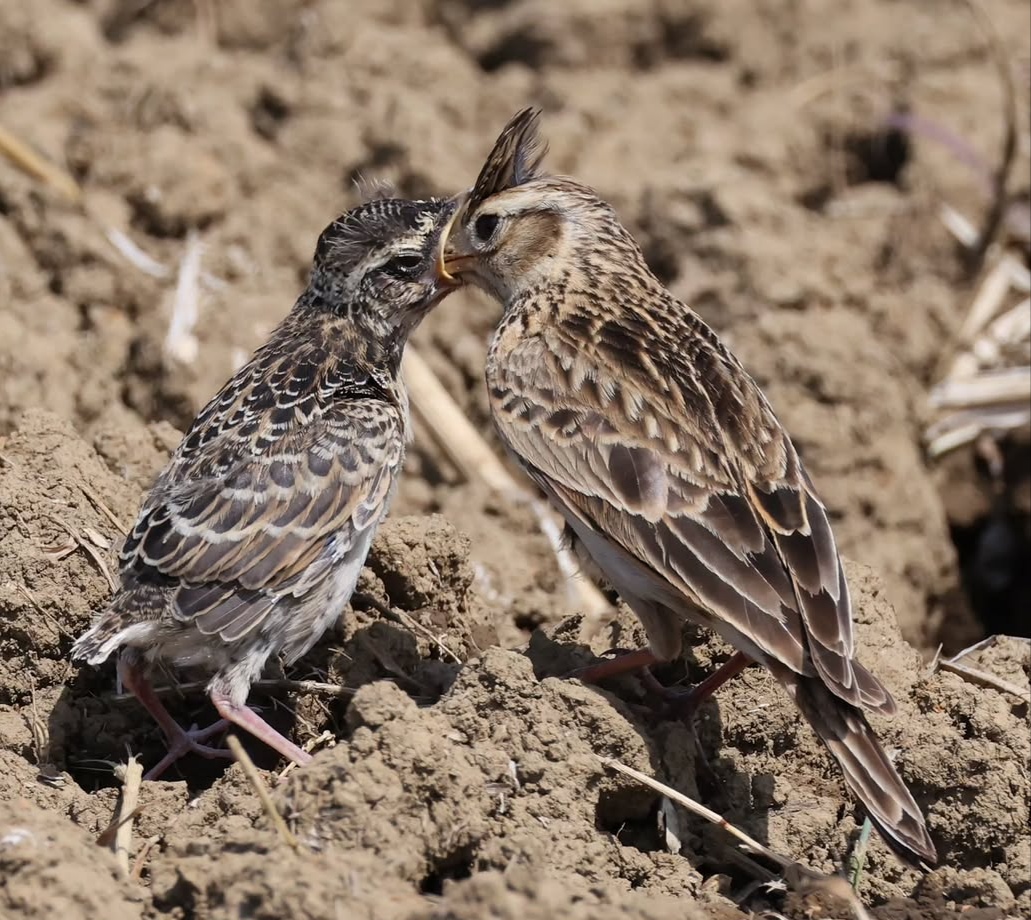
From an ecological perspective, the Malabar lark plays a modest but meaningful role. By feeding on insects, it helps maintain balance within its ecosystem, while its seed consumption contributes to natural cycles of growth and renewal. Though it does not command attention like more colorful or rare species, its presence is a steady thread in the fabric of its habitat.
In the end, the Malabar lark reminds us that not all beauty is meant to stand out. Some of it is meant to blend in, to become part of a larger harmony that reveals itself only to those who look and listen closely. In its gentle song and unassuming form, this small bird offers a lesson in appreciation—inviting us to find wonder not in grandeur, but in the quiet details of the everyday world.
%20(10).jpeg)