Phocides pigmalion: The Subtle Beauty of the Mangrove Skipper
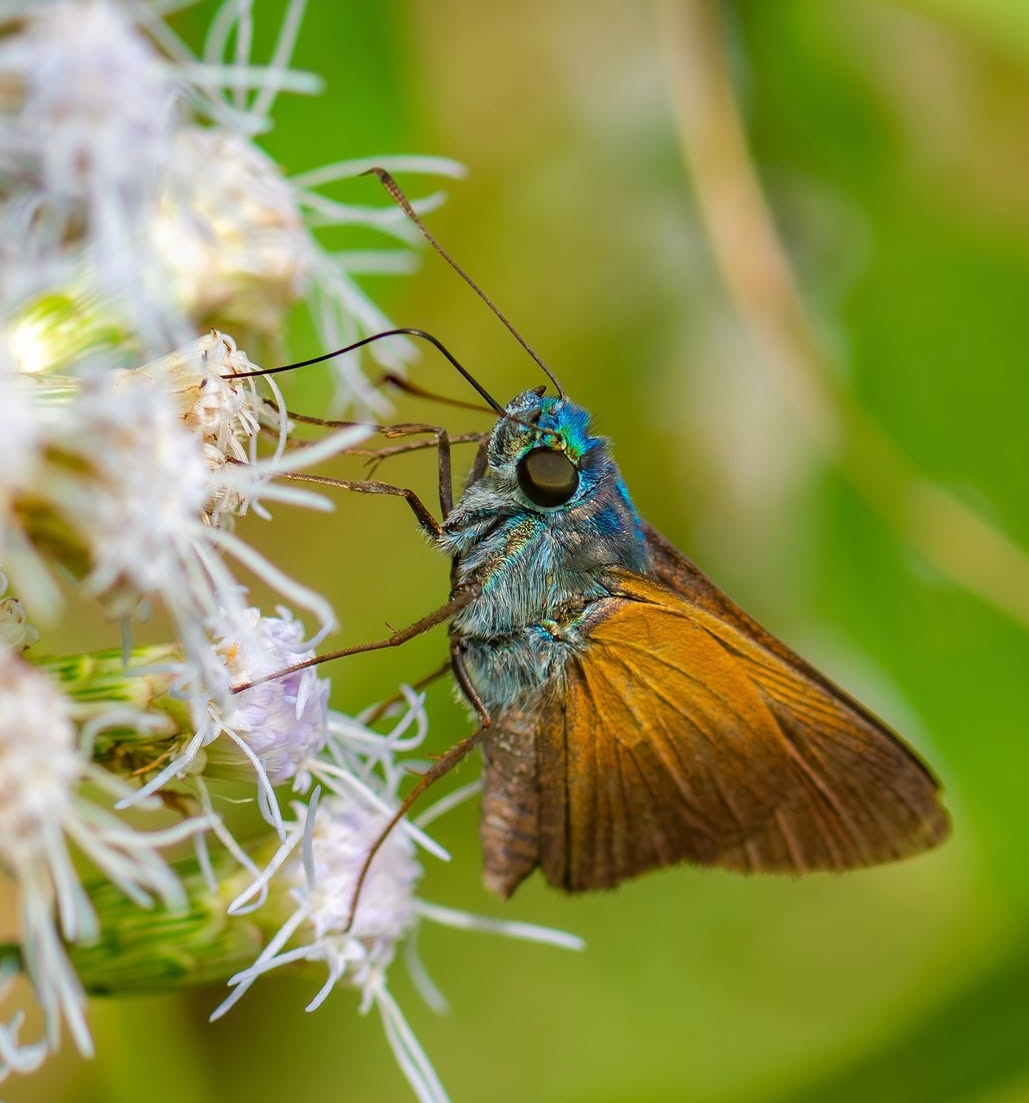
Among the quieter wonders of the butterfly world, Phocides pigmalion stands out not through flamboyant color, but through its understated elegance and resilience. Commonly known as the mangrove skipper, this species belongs to the skipper family, a group recognized for their swift, darting flight. At first glance, it may seem modest, with its dark brown wings and subtle markings, yet a closer look reveals a refined beauty shaped by adaptation and survival.
Native to coastal regions of the Americas, particularly in areas where mangrove forests thrive, Phocides pigmalion has developed a close ecological relationship with its environment. Its life cycle is deeply intertwined with mangrove plants, especially red mangroves, which serve as both food source and shelter for its larvae. This intimate connection highlights the delicate balance within these ecosystems, where even a small butterfly plays a vital role in maintaining biodiversity.
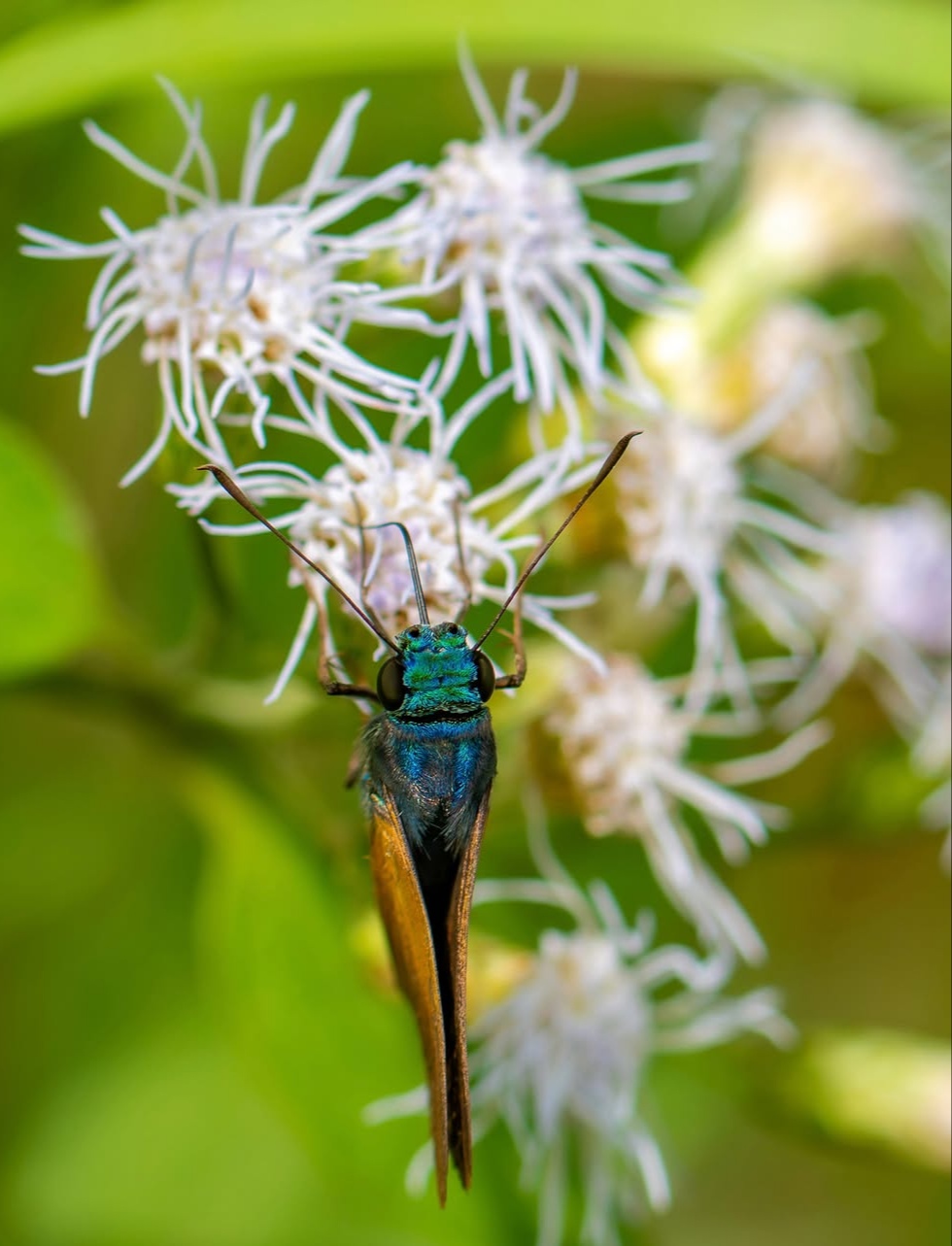
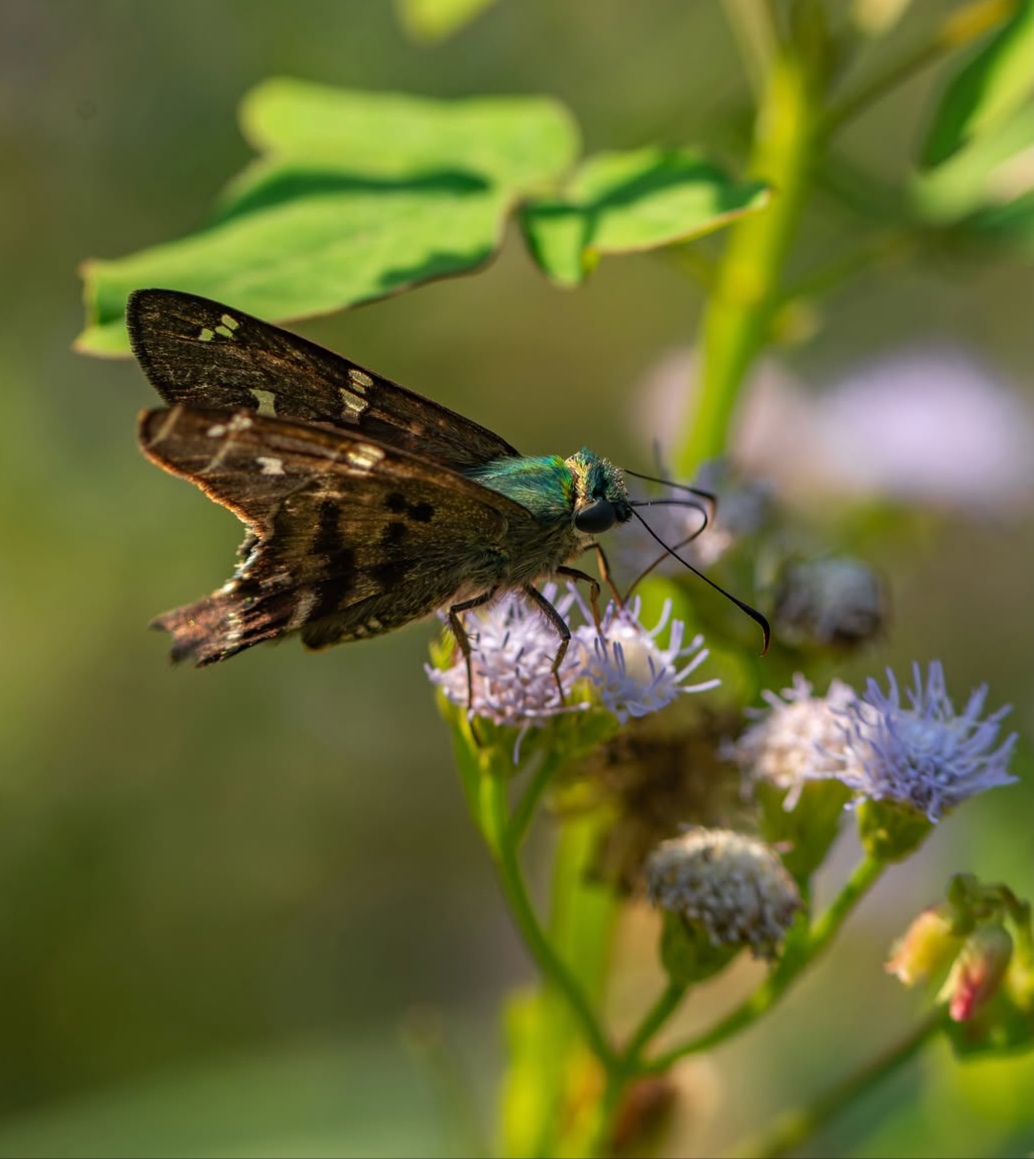
One of the most fascinating aspects of the mangrove skipper is its behavior. Unlike many butterflies that glide gracefully through open spaces, this species is known for its rapid, almost erratic flight. It darts between leaves and branches, often staying close to its host plants. This movement is not random—it is a survival strategy, helping it evade predators and navigate the dense mangrove habitat where visibility is limited.
The early stages of its life are equally intriguing. The caterpillars of Phocides pigmalion construct shelters by folding leaves and securing them with silk. Within these hidden retreats, they feed and grow, protected from many external threats. This behavior reflects a remarkable instinct for self-preservation, demonstrating that even the smallest creatures possess complex survival strategies shaped by evolution.
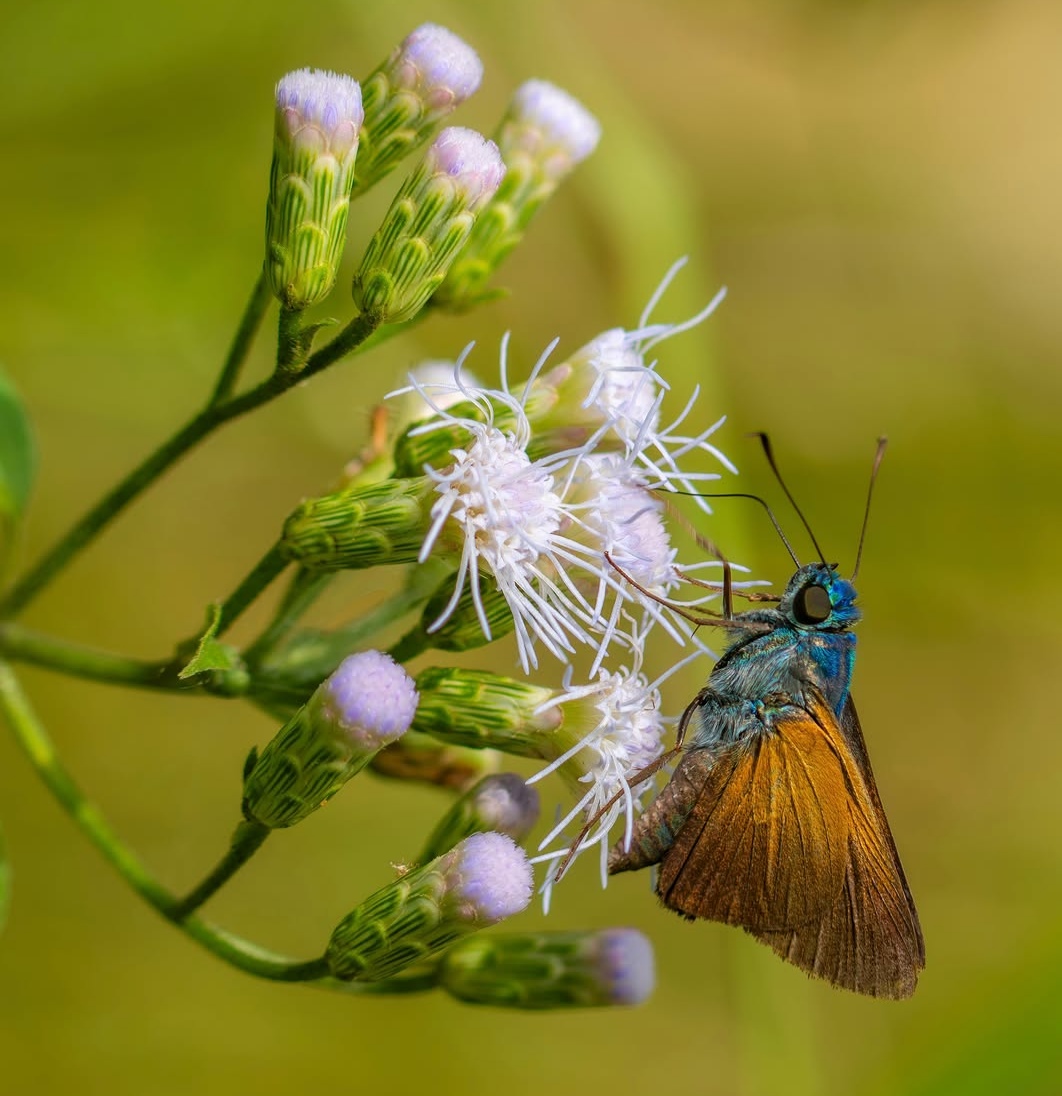
Despite its resilience, the mangrove skipper faces challenges in a changing world. Coastal development, pollution, and the loss of mangrove forests threaten its habitat. As these ecosystems shrink, so too does the space for species like Phocides pigmalion to thrive. Its presence, therefore, becomes more than just a natural curiosity—it serves as a quiet indicator of environmental health and the importance of conservation.
In appreciating Phocides pigmalion, we are reminded that beauty in nature does not always announce itself boldly. Sometimes, it exists in the shadows of leaves, in the quick flicker of wings, and in the intricate relationships between species and their habitats. This humble butterfly invites us to look closer, to notice the subtle, and to recognize the profound significance of even the most unassuming forms of life.
%20(10).jpeg)