Pulsatilla grandis: The Windflower That Whispers of Spring
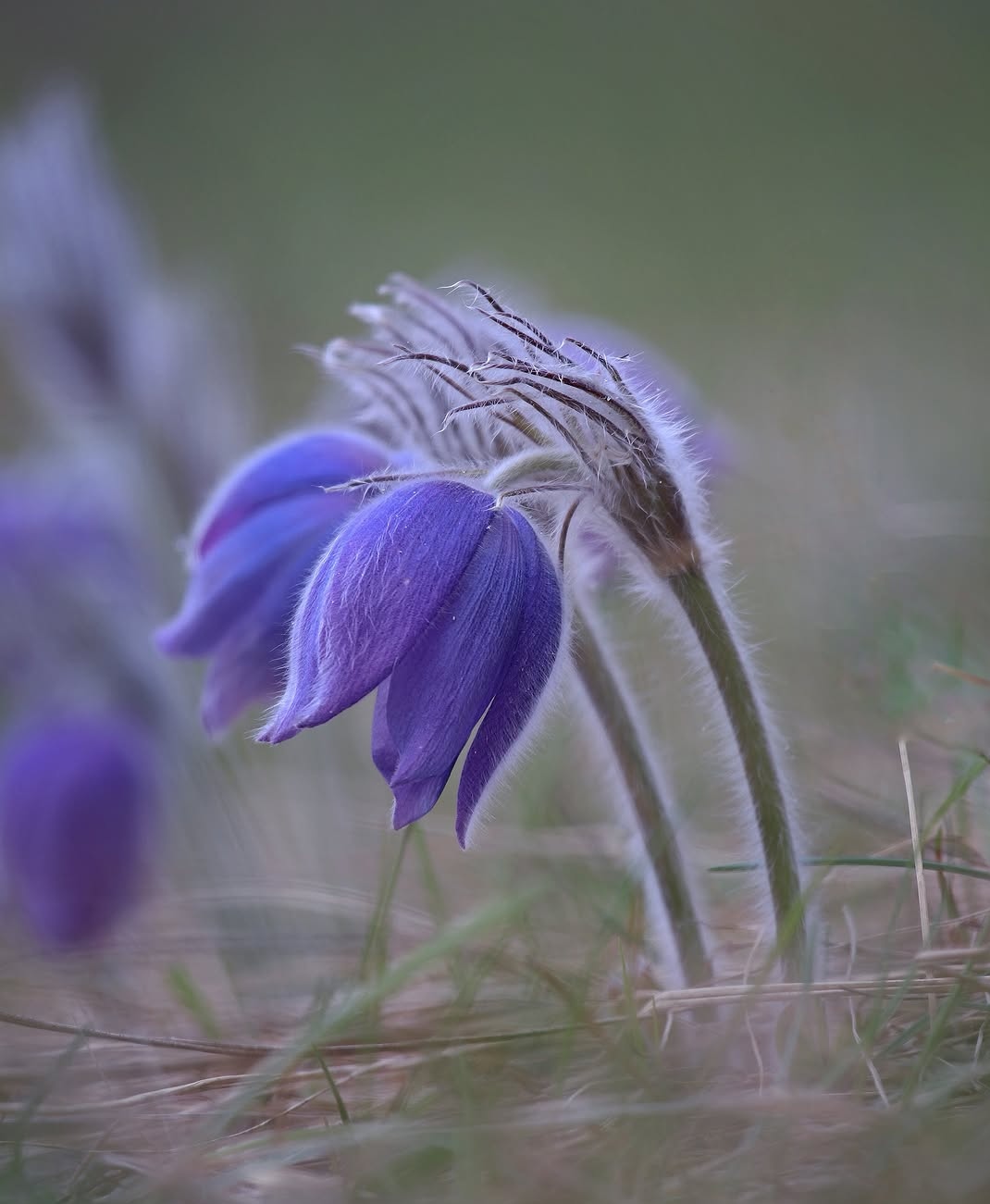
Among the first signs of spring’s quiet return, Pulsatilla grandis emerges like a soft-spoken promise. Often called a pasque flower, it rises from the still-chilled earth with a kind of gentle determination. Its velvety buds, cloaked in fine silvery hairs, seem to protect a fragile secret—one that unfolds only when the light grows warmer and the days stretch just a little longer.
When the flower opens, it reveals a rich palette of violet to deep purple, sometimes tinged with hints of blue. At its center, a cluster of golden stamens glows like captured sunlight. This contrast gives the plant an almost luminous quality, as though it holds a fragment of dawn within its petals. Unlike showy garden blooms, Pulsatilla grandis feels intimate, drawing you closer rather than dazzling from afar.
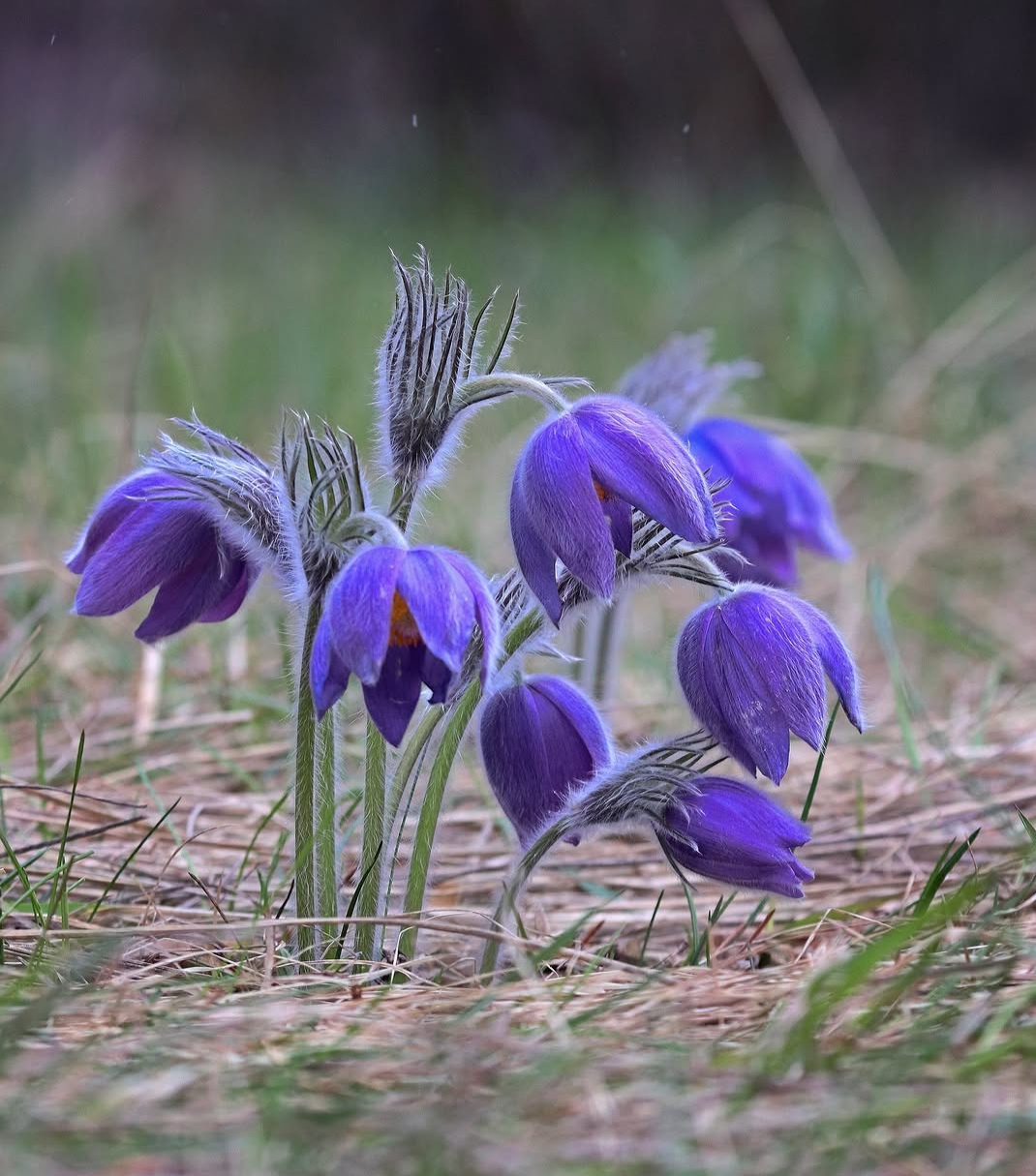
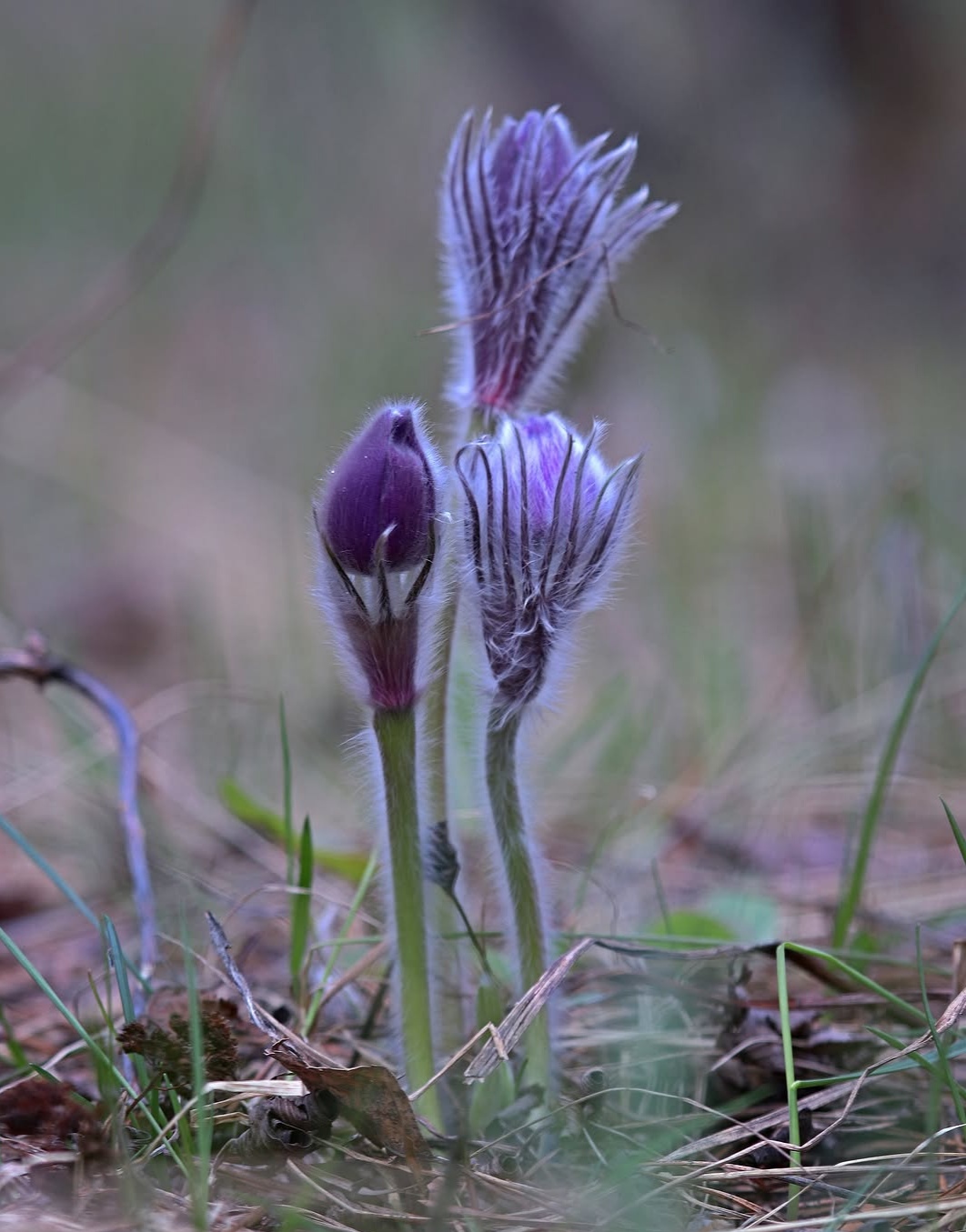
There is a quiet resilience in its nature. Growing in open meadows and dry grasslands, it withstands wind, fluctuating temperatures, and the uncertainties of early spring. Its delicate appearance can be deceiving; beneath that softness lies a strength shaped by adaptation. It thrives where other plants hesitate, making it a symbol of endurance wrapped in elegance.
Historically, this flower has held a place in folklore and traditional practices. In some regions, it has been associated with renewal and remembrance, blooming around the time of seasonal transitions and cultural observances. Though parts of the plant have been used in herbal traditions, it must be approached with care, as its raw form can be toxic. This dual nature—beautiful yet potent—adds another layer to its mystique.
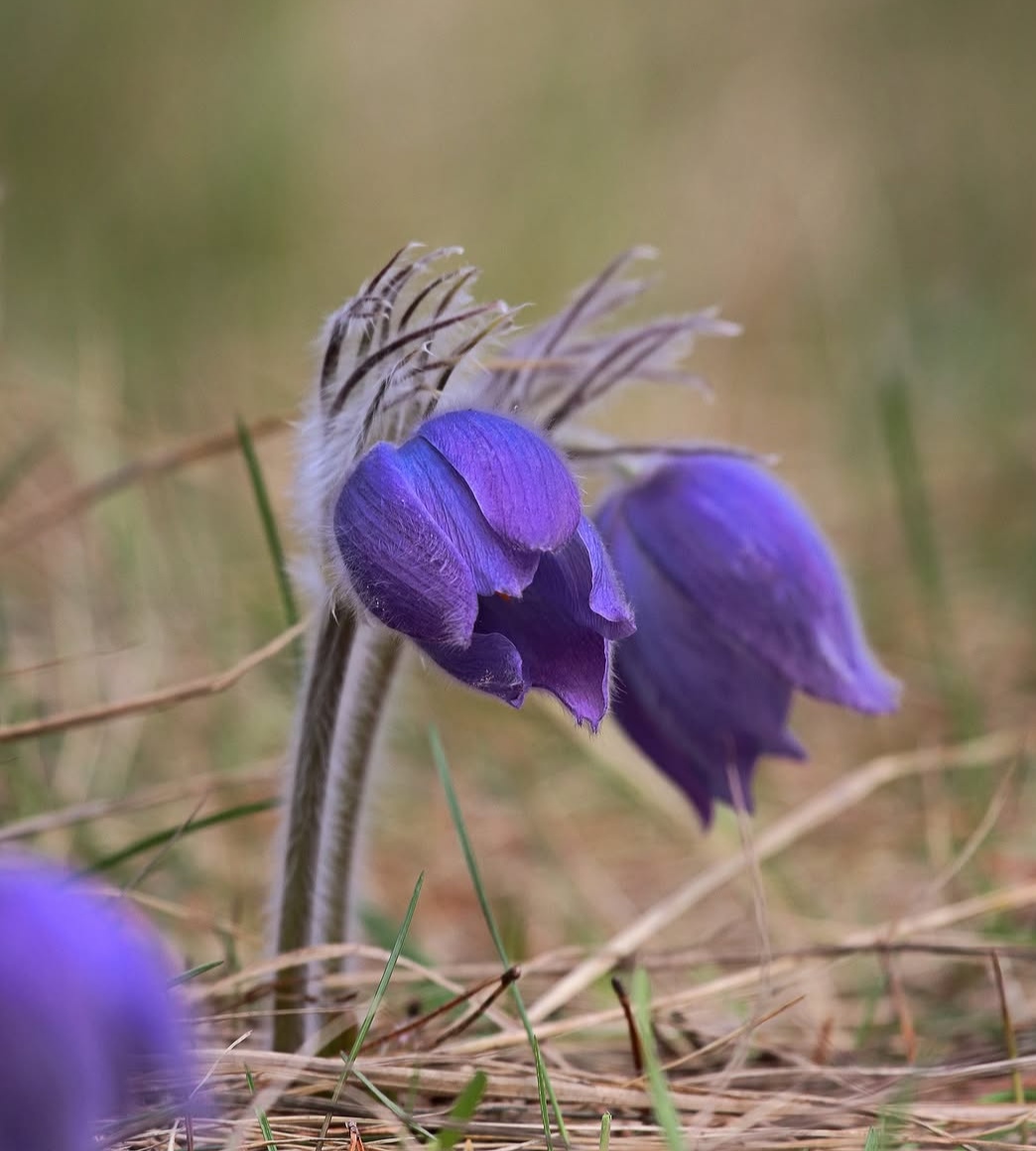
In gardens, Pulsatilla grandis is not a plant that overwhelms; it invites companionship. Planted among stones or along borders, it creates a naturalistic charm, as if it simply belongs wherever it grows. Over time, its feathery seed heads replace the blossoms, extending its visual story well beyond the flowering period. Each stage offers a different kind of beauty, reminding us that change is not an end but a continuation.
To witness this flower is to understand something subtle about the rhythm of nature. It doesn’t rush the season, nor does it cling to the past. Instead, it arrives quietly, flourishes briefly, and transforms with grace. Pulsatilla grandis teaches that even the most delicate presences can carry profound strength—and that sometimes, the softest voices are the ones that linger longest.
%20(10).jpeg)