Crown-of-Thorns Flower: A Symbol of Strength Wrapped in Beauty
The Crown-of-Thorns flower (Euphorbia milii) is one of those remarkable plants that quietly teaches us that beauty and resilience can exist side by side. At first glance, its sharp, thorn-covered stems may seem intimidating, but a closer look reveals clusters of delicate, colorful blooms that brighten gardens throughout the year. This striking contrast between toughness and elegance makes the Crown-of-Thorns more than just an ornamental plant—it becomes a living reminder that life's hardships often give rise to its most beautiful moments.
One of the most fascinating qualities of this plant is its incredible ability to thrive in challenging conditions. Native to Madagascar, the Crown-of-Thorns flourishes in warm climates and requires very little water, making it a favorite among gardeners who appreciate low-maintenance plants. Its vibrant bracts, commonly seen in shades of red, pink, yellow, white, and orange, attract butterflies and add cheerful splashes of color to balconies, patios, and garden borders even during dry seasons.
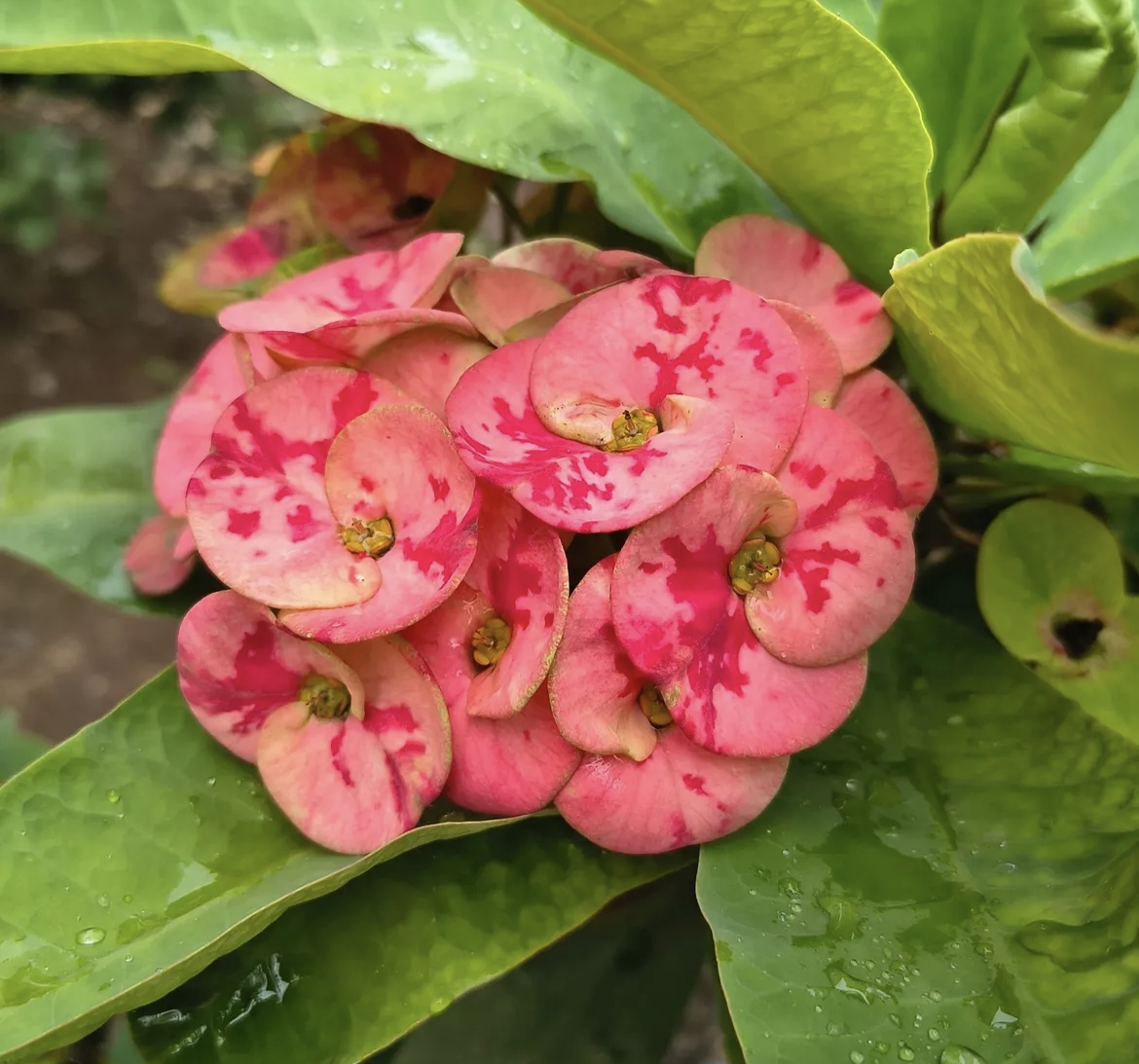
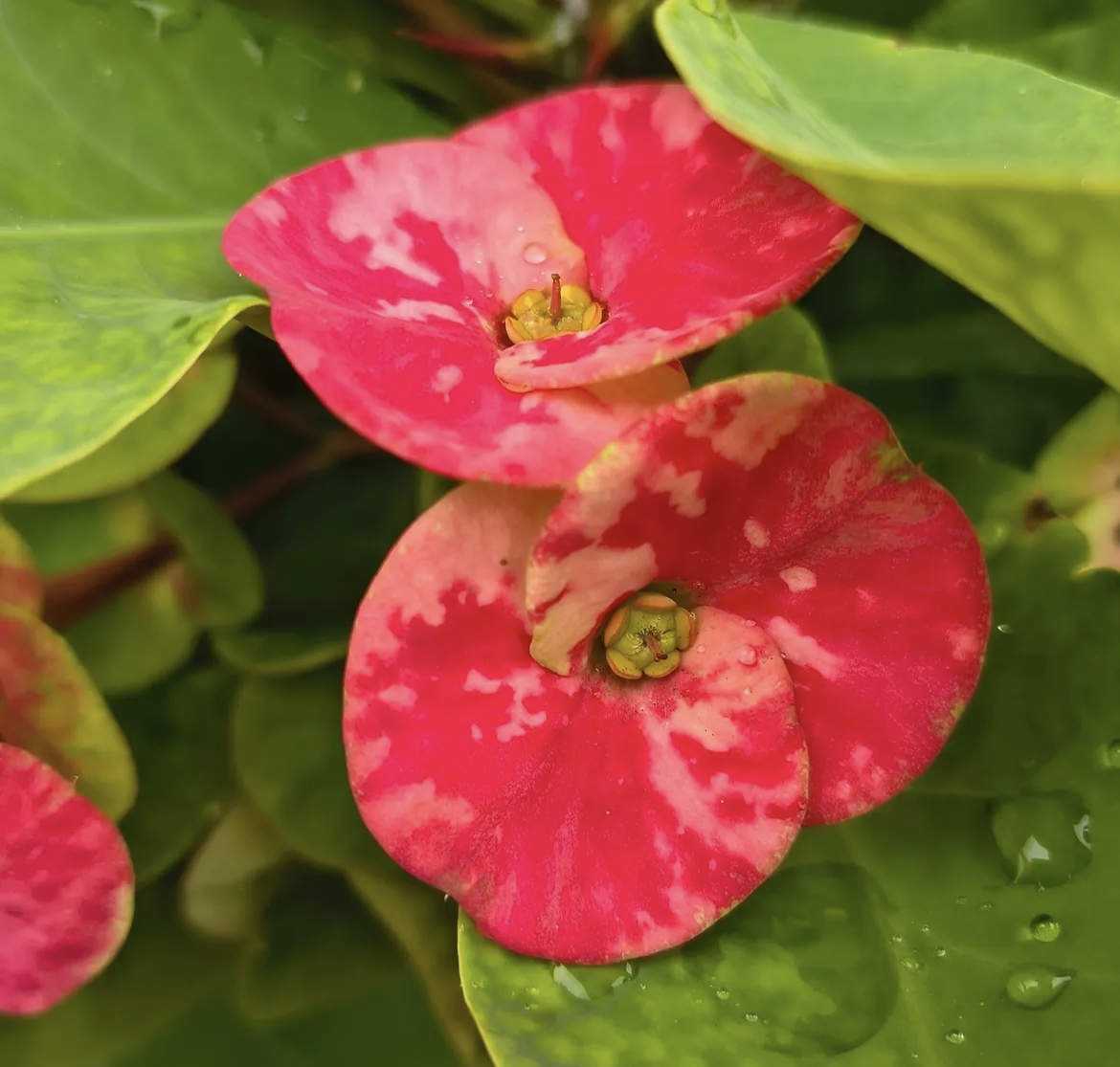
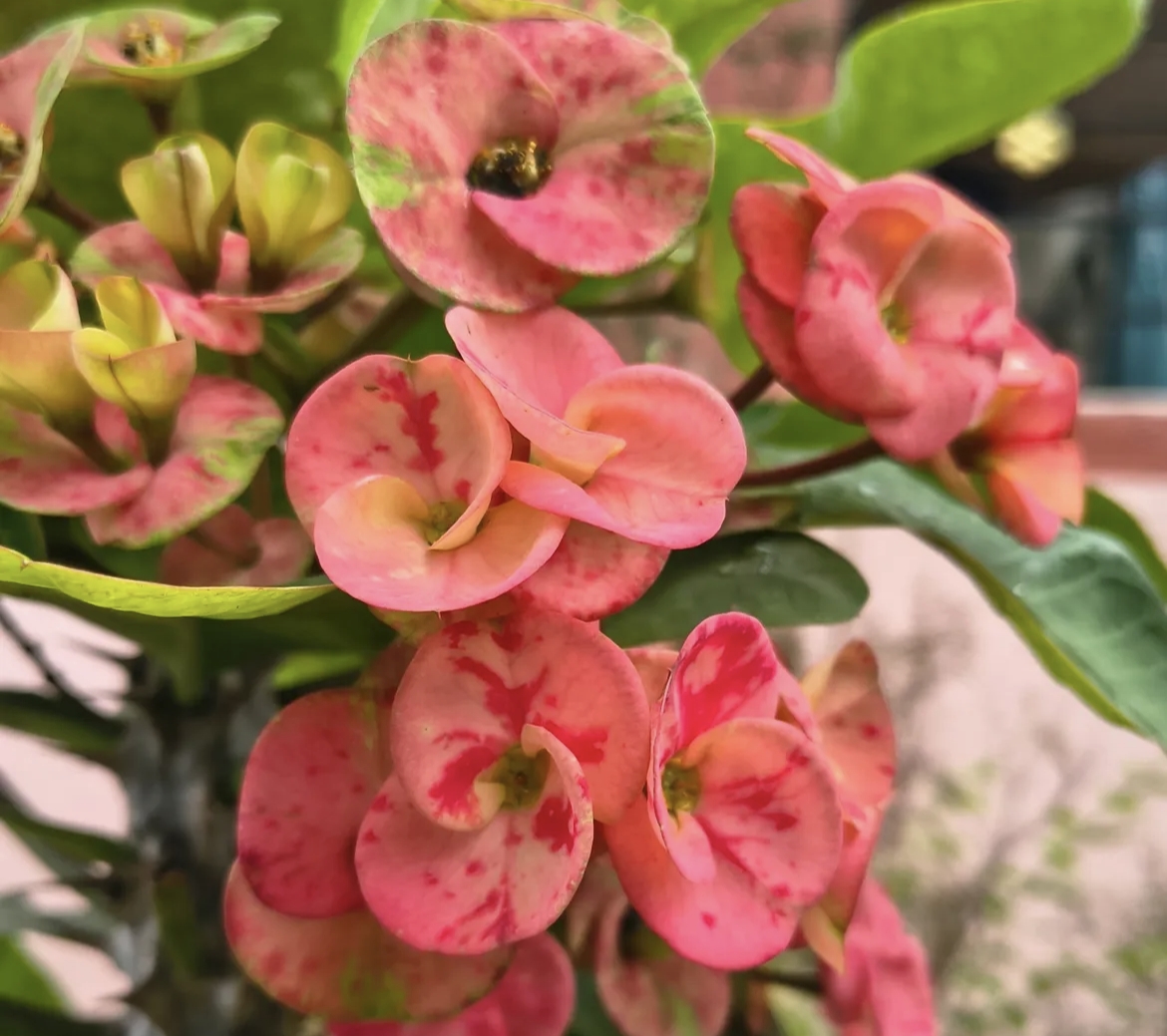
Beyond its visual appeal, the Crown-of-Thorns carries deep cultural and historical significance. According to Christian tradition, it is believed to be associated with the crown placed on Jesus Christ before the crucifixion, giving the plant its memorable name. Whether or not this legend is historically accurate, it has inspired many people to view the flower as a symbol of endurance, sacrifice, hope, and unwavering faith. Its ability to bloom despite its protective thorns beautifully reflects the idea that grace can emerge from adversity.
Growing a Crown-of-Thorns is a rewarding experience for both beginners and experienced gardeners. It thrives in bright sunlight and well-drained soil, requiring only occasional watering once the soil has dried. With minimal care, the plant rewards its owner with continuous blooms that can last throughout much of the year. However, gardeners should handle it carefully because of its sharp thorns and milky sap, which can irritate the skin. A little caution is all it takes to enjoy this resilient plant safely.