Madhumalti: The Flower That Tells Stories of Time and Tenderness
There is something quietly magical about the Madhumalti flower, known to botanists as Quisqualis indica. It does not demand attention with loud colors or rigid symmetry. Instead, it draws you in slowly, like a memory you didn’t know you missed. In many South Asian gardens, including those across Bangladesh, Madhumalti vines climb over gates and walls, weaving themselves into everyday life. They bloom not just as decoration, but as companions to passing seasons and human emotions.
What makes Madhumalti truly special is its changing hues. The flowers open as soft white, transition into delicate pink, and deepen into rich crimson as they age. It’s as if each bloom carries a story of transformation—innocence, growth, and maturity unfolding within a single day. Watching this gradual shift feels deeply human, reminding us how we, too, evolve quietly over time, shaped by moments both gentle and profound.
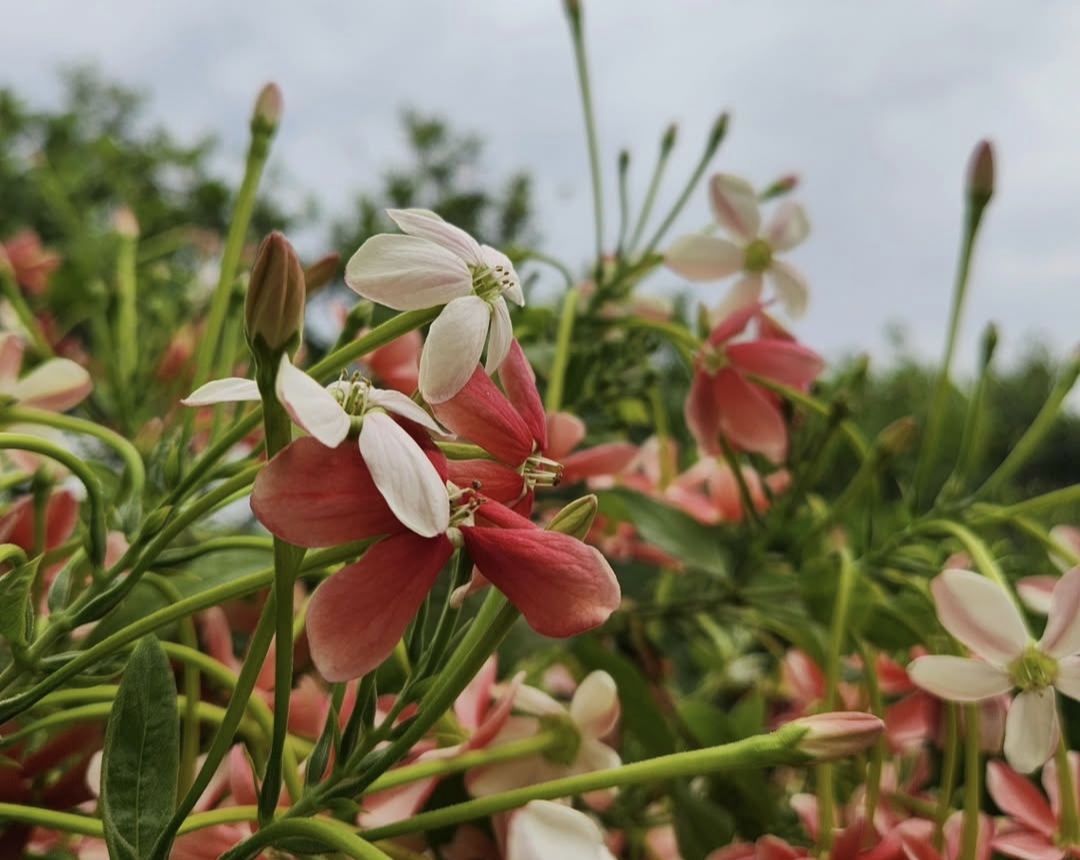
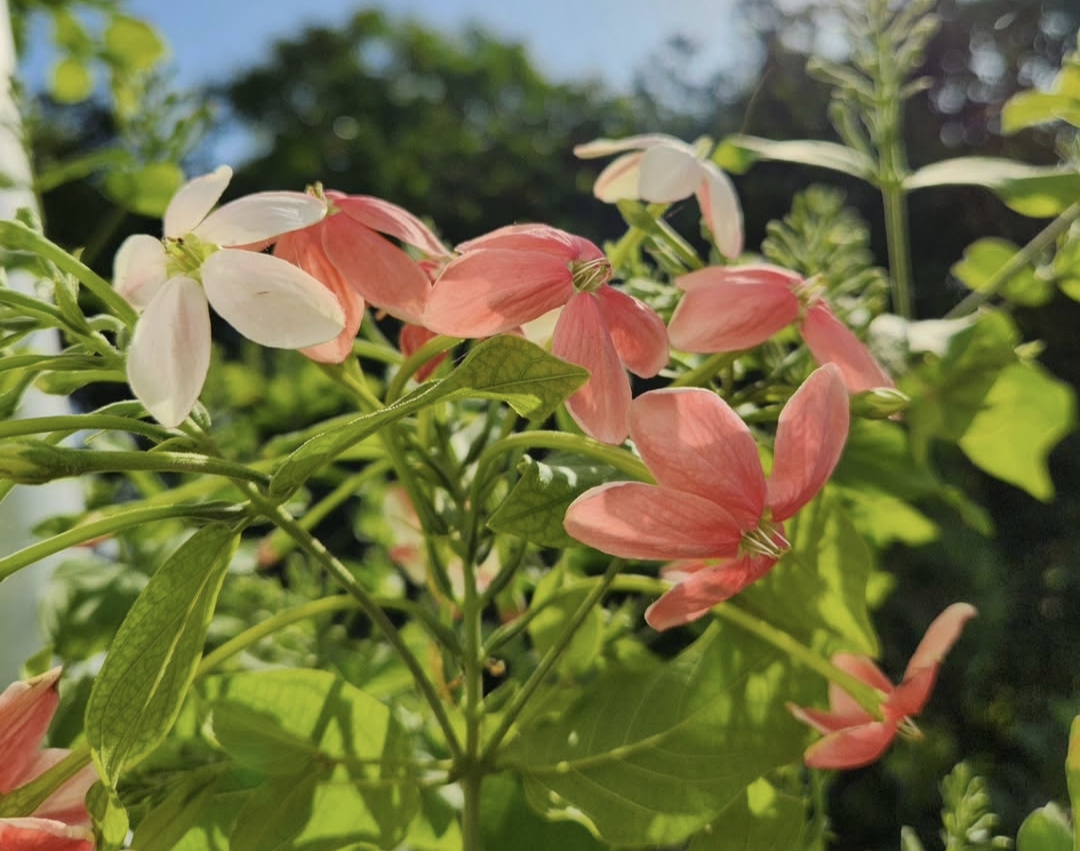
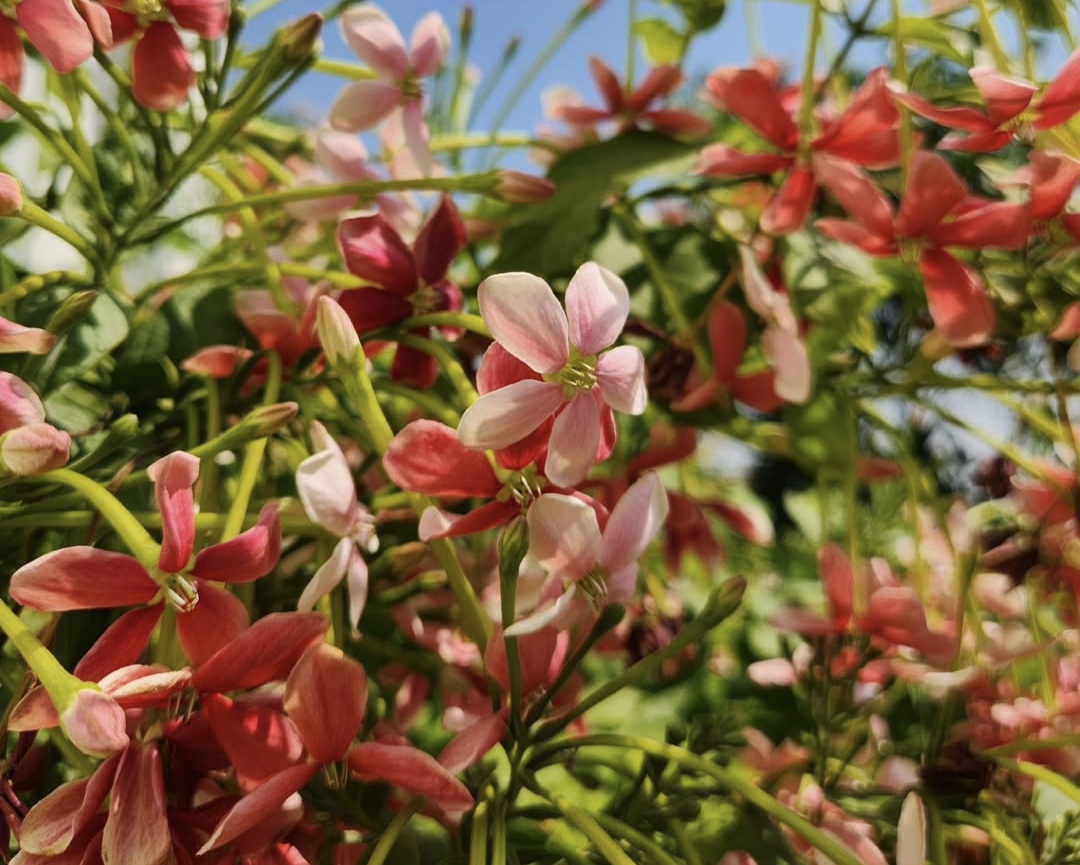
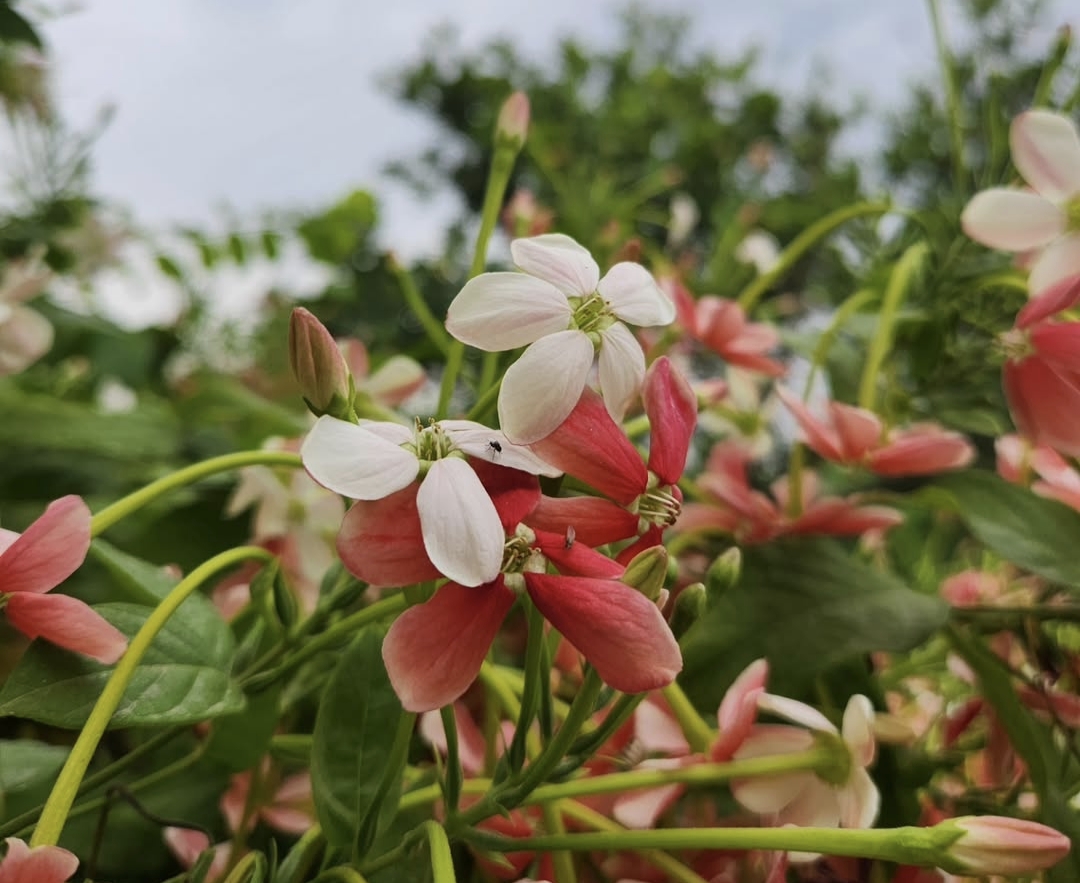
Beyond its beauty, Madhumalti carries a fragrance that lingers in the evening air. It is not overpowering, but soft and intimate, like a whispered conversation. As dusk settles, the scent grows stronger, filling courtyards and pathways with a sense of calm. For many, this aroma becomes tied to childhood memories—of sitting outside with family, of warm nights under open skies, of life moving at a slower, more thoughtful pace.
The flower is also deeply rooted in cultural symbolism. In various traditions, Madhumalti represents love, devotion, and the passage of time. Its climbing nature mirrors relationships that grow steadily, reaching upward even when support is scarce. It teaches patience—how beauty often takes time to reveal itself, and how persistence can turn even the simplest vine into something extraordinary.