Eurasian Tree Sparrow: The Little Bird That Brightens Everyday Life
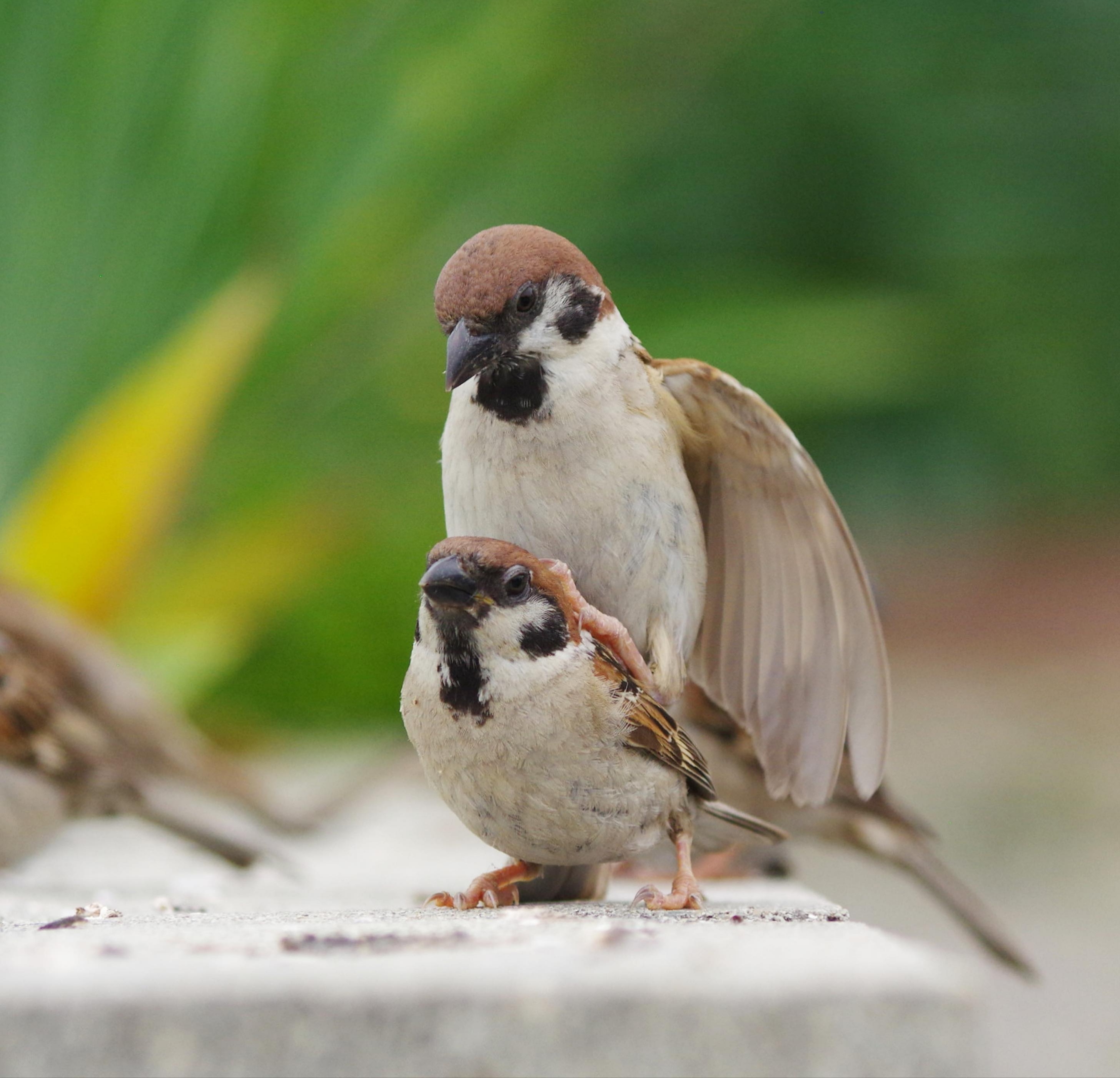
The Eurasian Tree Sparrow is one of those small birds that often goes unnoticed, yet it plays a remarkable role in the landscapes we share. With its rich chestnut-colored cap, white cheeks marked by a distinctive black spot, and warm brown wings, this charming bird is both elegant and resilient. Found across Europe and Asia, it has also adapted to many other parts of the world. Whether perched on a fence, searching for seeds in a garden, or fluttering through a village, the Eurasian Tree Sparrow reminds us that beauty often comes in the smallest forms.
Unlike its close relative, the House Sparrow, the Eurasian Tree Sparrow prefers quieter surroundings such as farmland, woodlands, orchards, and rural communities. It thrives in places where nature and human life exist side by side. Watching these birds hop energetically across the ground or gather in lively flocks is a delightful experience. Their social nature allows them to communicate through cheerful chirps, creating a soundtrack that adds life and warmth to peaceful mornings.
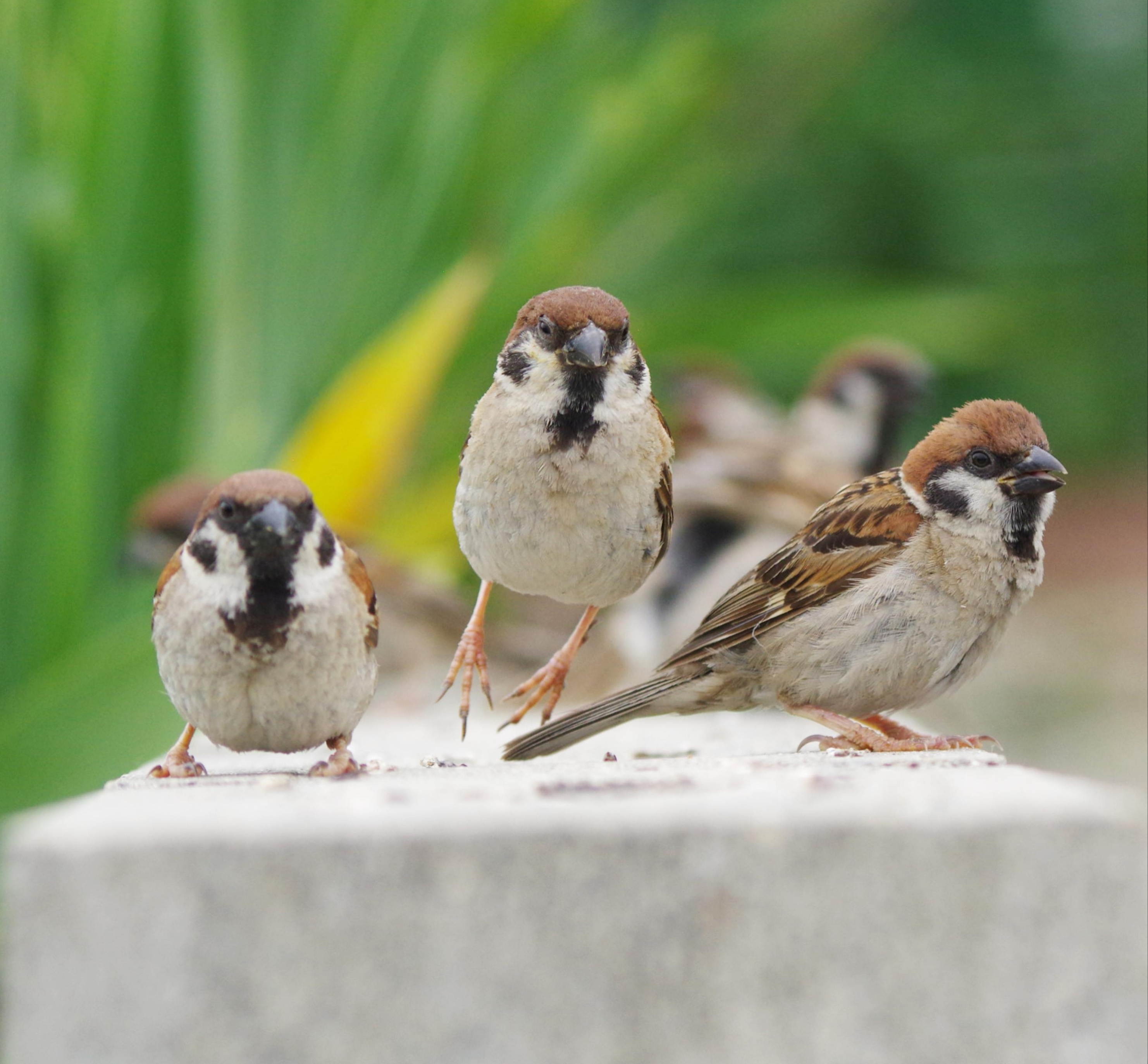
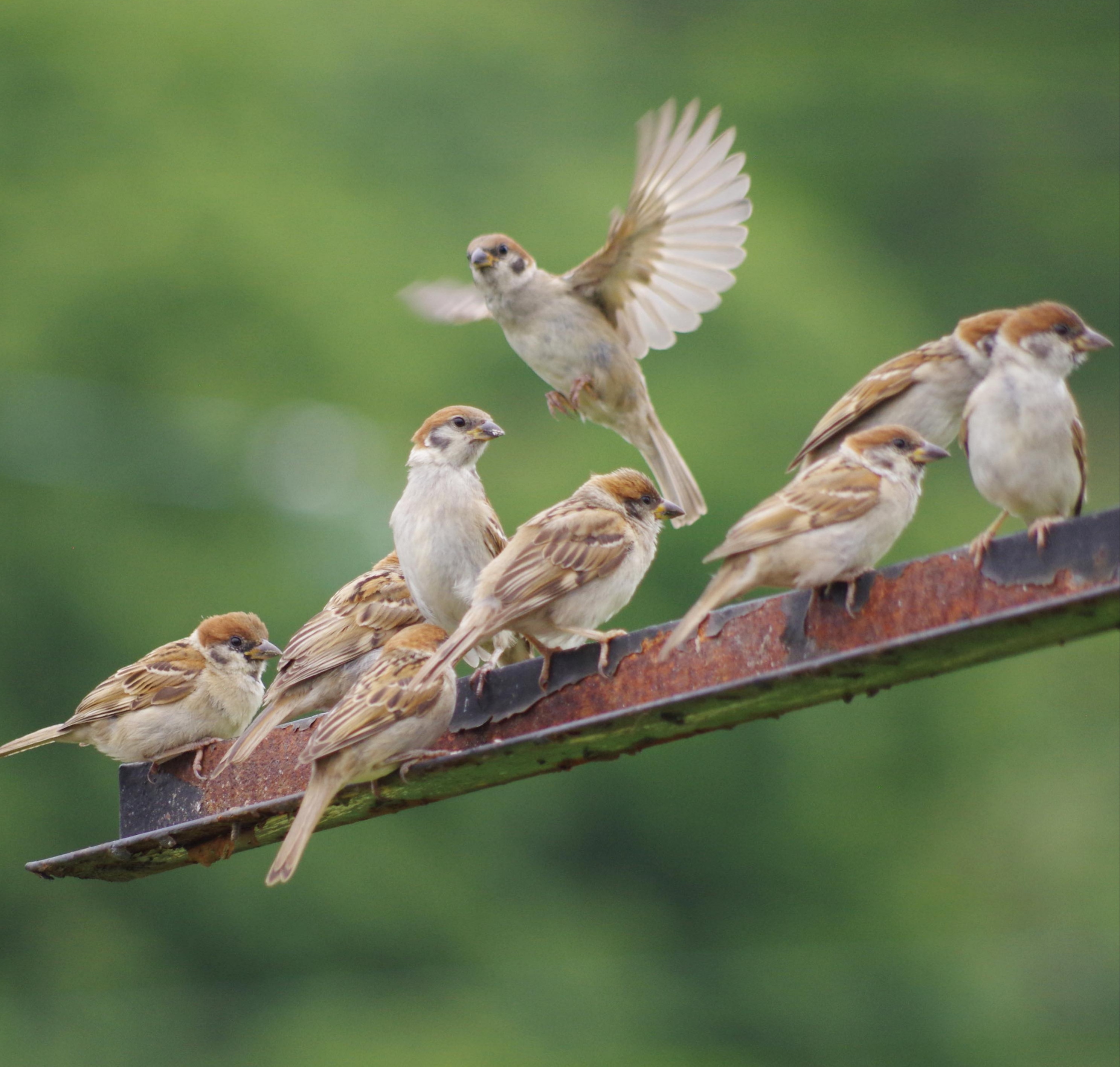
The diet of the Eurasian Tree Sparrow changes with the seasons, making it an adaptable survivor. Seeds, grains, and small insects form the core of its meals. During the breeding season, adult birds feed their chicks protein-rich insects that help the young grow quickly and develop strong feathers. By consuming insects that can damage crops, these sparrows provide a quiet but valuable service to farmers and gardeners, proving that even tiny creatures can contribute to a healthier ecosystem.
Breeding season brings another fascinating chapter in the life of the Eurasian Tree Sparrow. They usually nest in tree cavities, old woodpecker holes, or nest boxes provided by people. Both male and female birds work together to build the nest, incubate the eggs, and care for their chicks after hatching. This shared responsibility highlights the strong partnership between the pair and reflects the remarkable dedication found throughout the natural world.
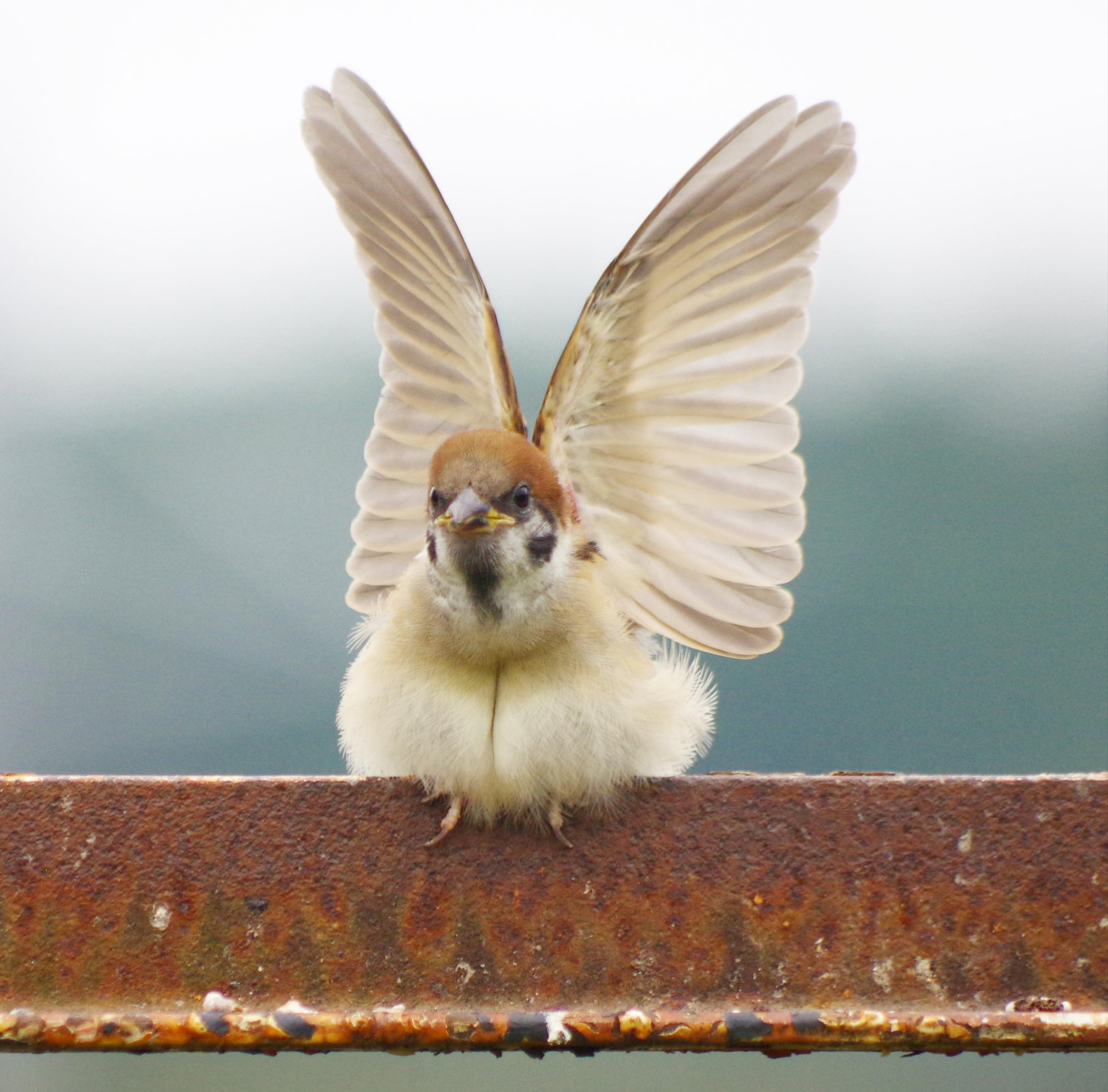
Although the Eurasian Tree Sparrow remains widespread, it faces challenges in many regions. Urban expansion, the removal of old trees, intensive farming practices, and the decline of insect populations have reduced suitable nesting sites and food availability. Conservation efforts such as preserving green spaces, planting native vegetation, and installing nest boxes can make a meaningful difference. Small actions by communities and individuals can help ensure these delightful birds continue to thrive for future generations.
The Eurasian Tree Sparrow may not be the largest or most colorful bird, but it possesses a quiet charm that captures the hearts of bird lovers everywhere. Its resilience, teamwork, and cheerful presence remind us that nature's greatest treasures are often the simplest ones. Taking a moment to observe these lively little birds encourages us to appreciate the delicate connections between wildlife and our daily lives, inspiring a deeper respect for the natural world that surrounds us.
%20(9).jpeg)