House Sparrow: The Little Bird That Brings Life to Our Neighborhoods
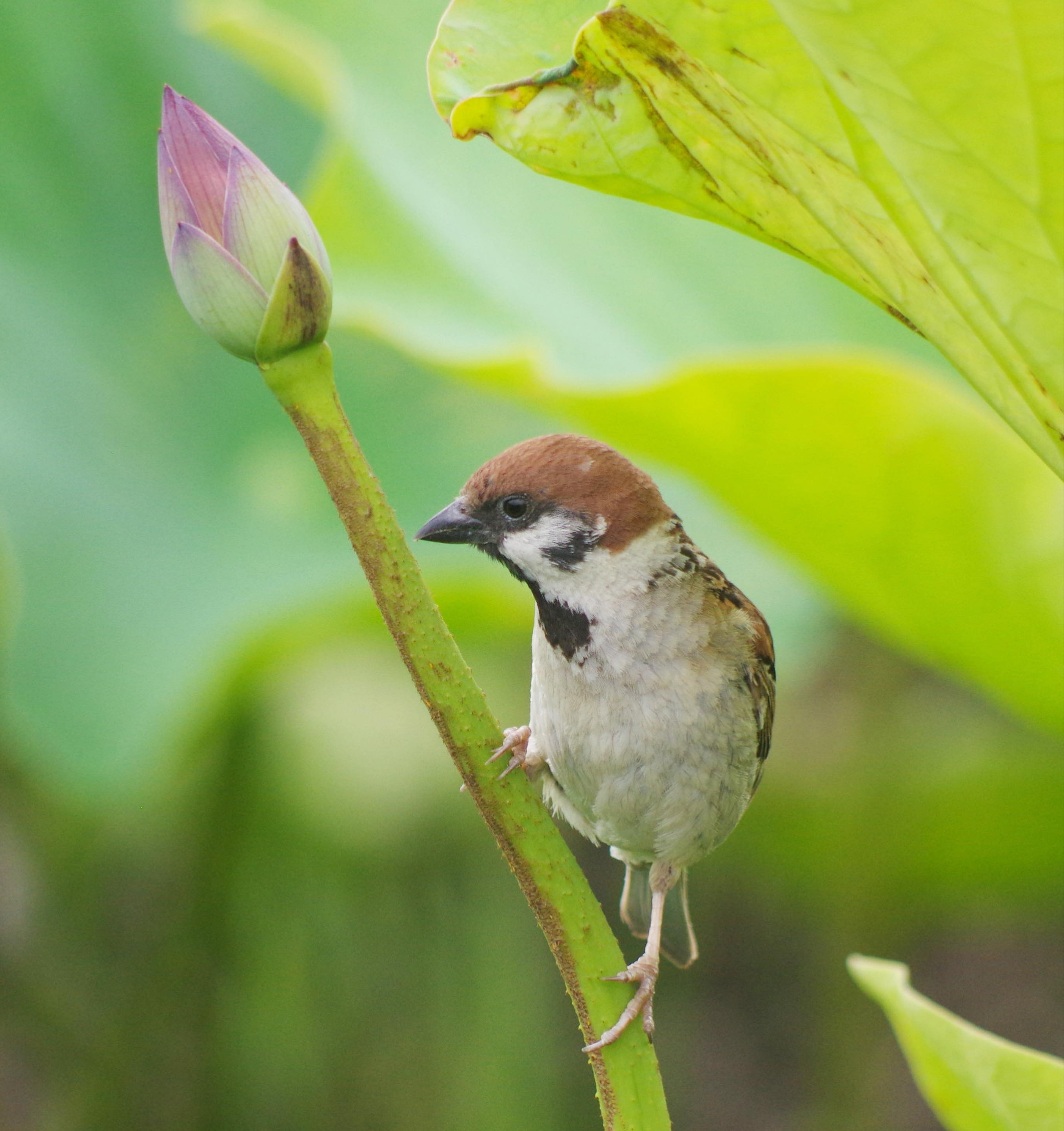
The House Sparrow is one of the most familiar birds in the world, yet it is often overlooked because of its everyday presence. Whether perched on a rooftop, hopping along sidewalks, or chirping from a nearby tree, this tiny bird has shared its life with humans for thousands of years. Its cheerful songs and lively behavior create a sense of warmth and familiarity, reminding us that beauty can often be found in the simplest moments of nature.
One of the most fascinating qualities of the House Sparrow is its remarkable adaptability. Unlike many bird species that rely on forests or wetlands, House Sparrows thrive in villages, towns, and bustling cities. They build nests in roof crevices, building corners, and even streetlight fixtures, making the most of human-made environments. Their diet is equally flexible, consisting of seeds, grains, insects, and food scraps, allowing them to survive in places where other birds may struggle.
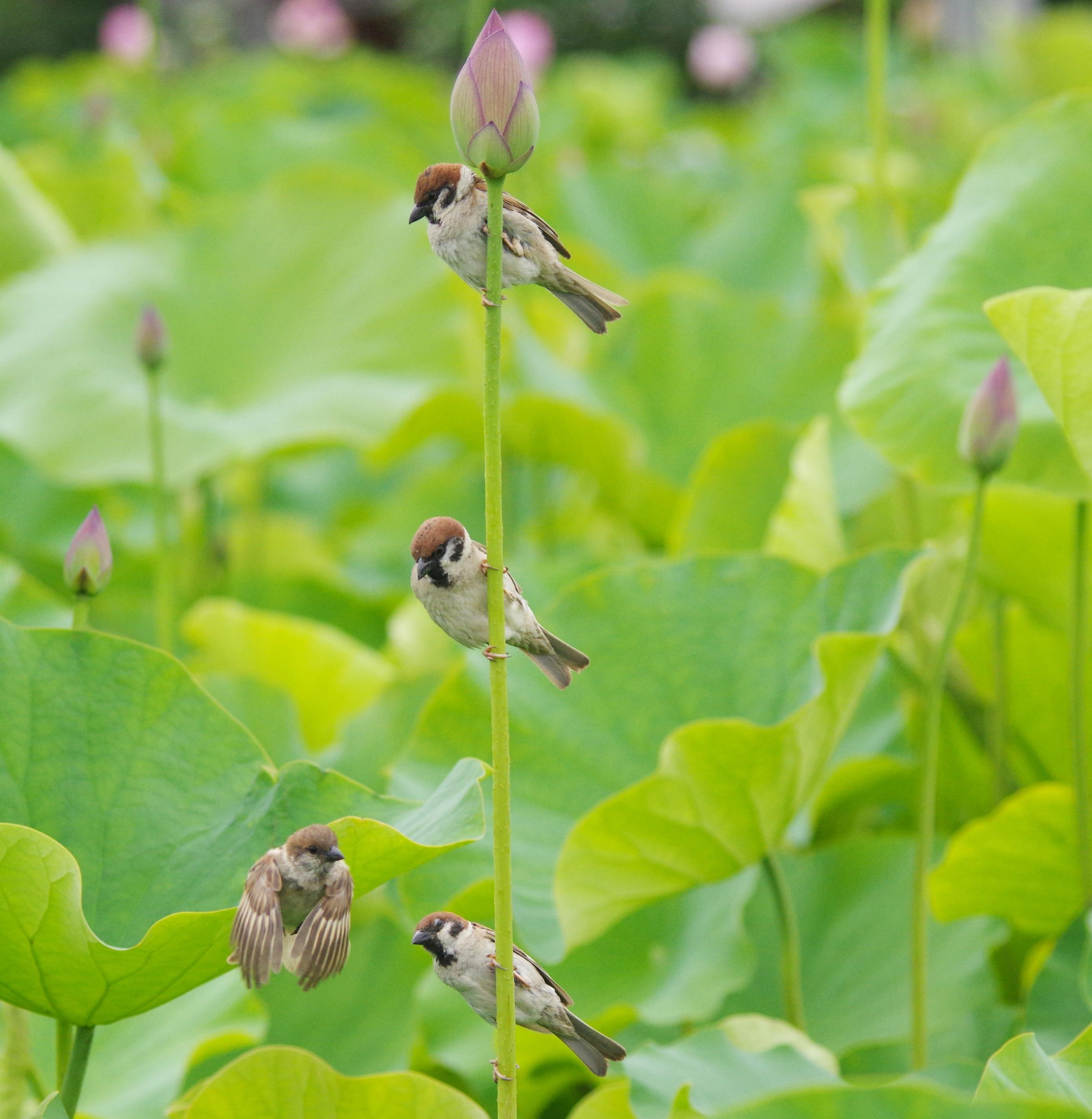
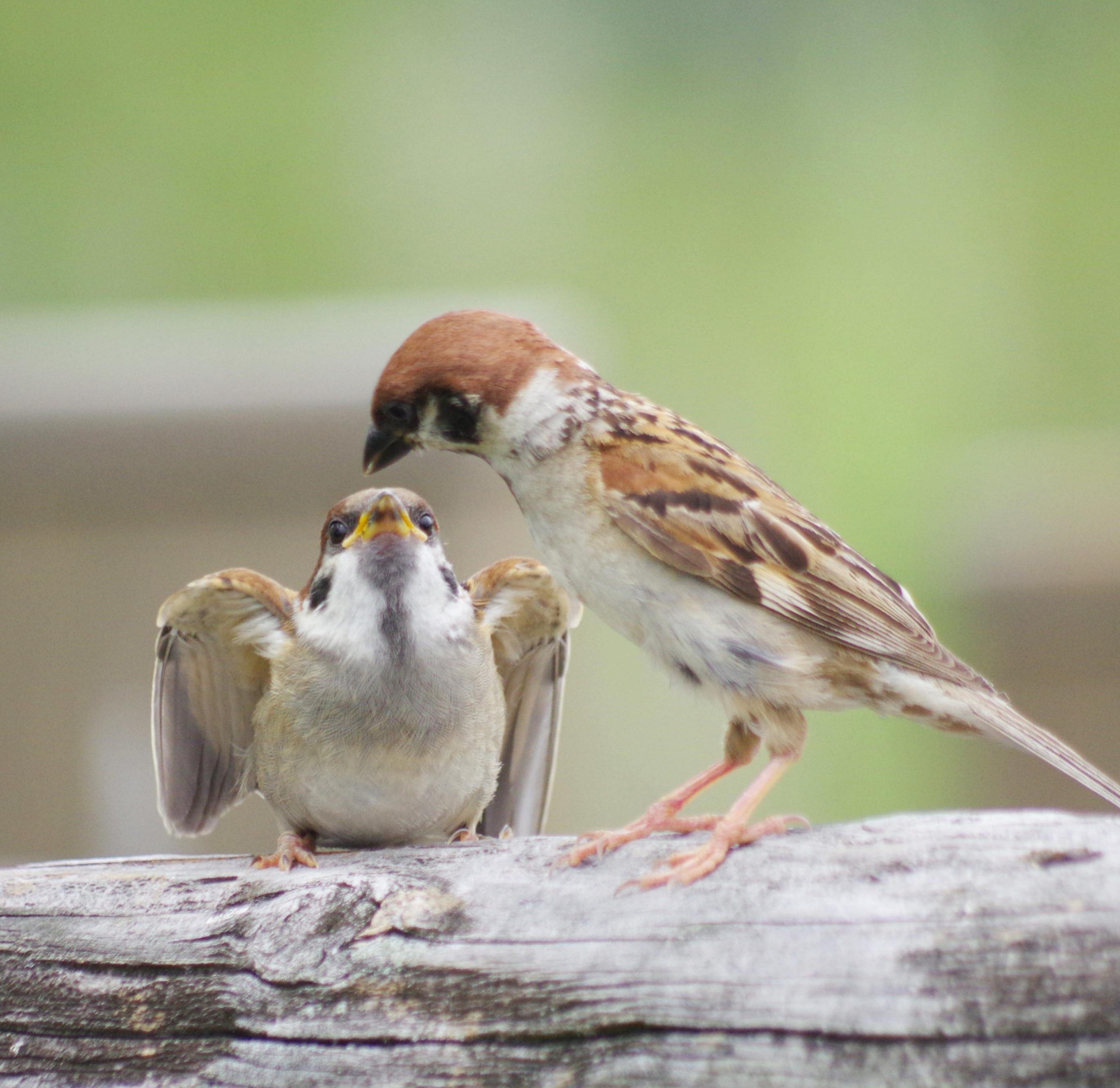
Although they appear small and ordinary, House Sparrows play an important role in maintaining ecological balance. During the breeding season, they feed their chicks a diet rich in insects, naturally helping to control pest populations. At the same time, they contribute to seed dispersal and become part of the food chain for larger birds and animals. Their presence is a gentle reminder that even the smallest creatures have meaningful roles in sustaining healthy ecosystems.
Sadly, House Sparrow populations have declined in many urban areas over the past few decades. Rapid urbanization, the loss of nesting sites, reduced insect availability, and increased pollution have all contributed to their disappearance from places where they once flourished. This decline has inspired bird lovers and conservationists to encourage simple actions such as installing nest boxes, planting native vegetation, and reducing the use of harmful pesticides to create bird-friendly environments.
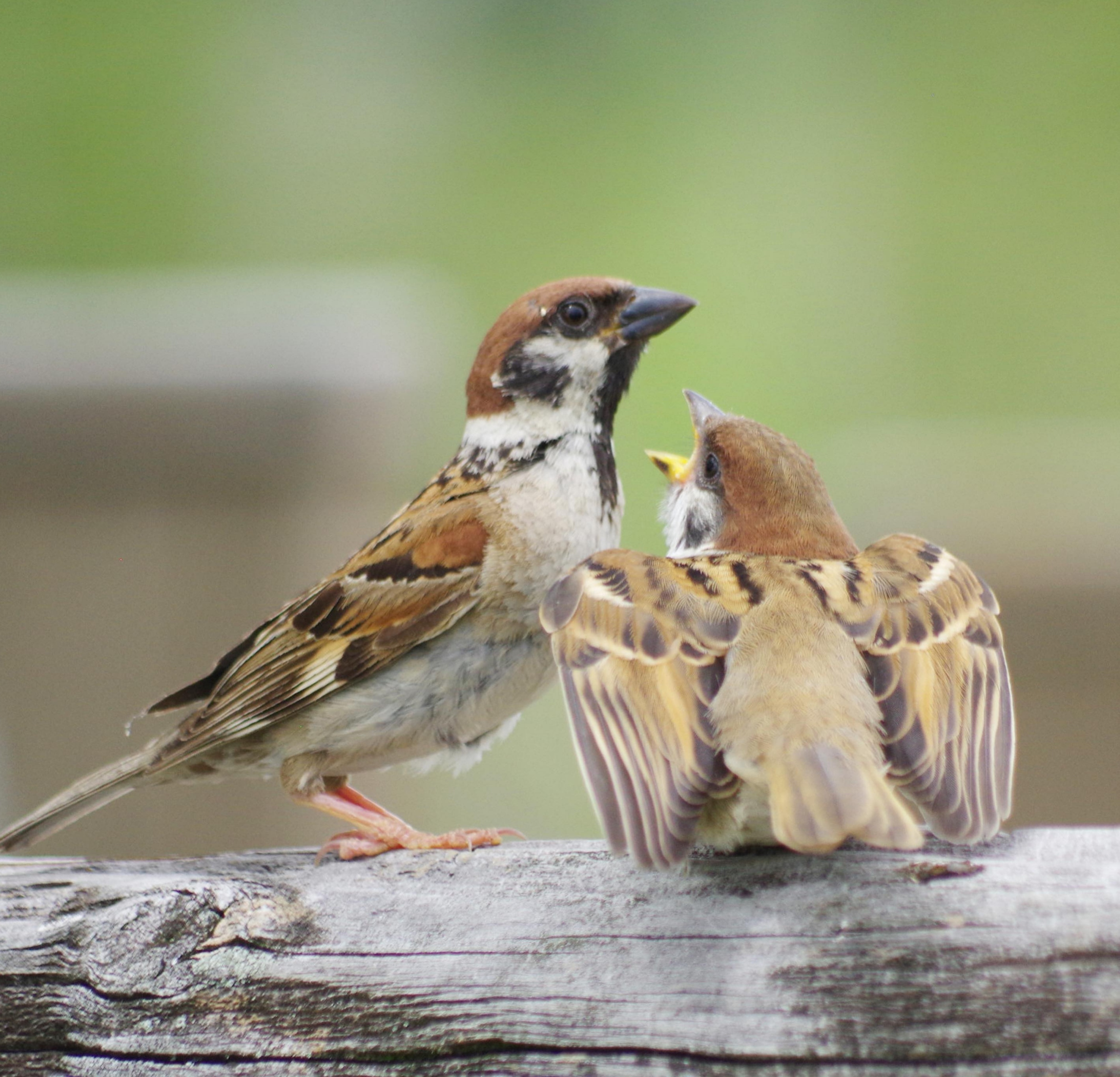
Watching House Sparrows is a delightful experience that requires no special equipment or distant travel. Early mornings often reveal their energetic routines as they search for food, interact with one another, and care for their young. Their social nature is especially charming, as they are rarely seen alone. Observing these small birds can inspire a greater appreciation for everyday wildlife and encourage people of all ages to connect with the natural world around them.
The House Sparrow may not possess the dazzling colors of tropical birds or the majestic wingspan of birds of prey, but its resilience, intelligence, and close relationship with humanity make it truly special. It has witnessed generations of people, adapting alongside changing landscapes while continuing to fill neighborhoods with its cheerful chirps. By valuing and protecting this humble bird, we preserve not only an important species but also a living symbol of the quiet harmony that can exist between humans and nature.
%20(9).jpeg)