Italian Sparrow: The Charming Bird of Mediterranean Streets and Countryside
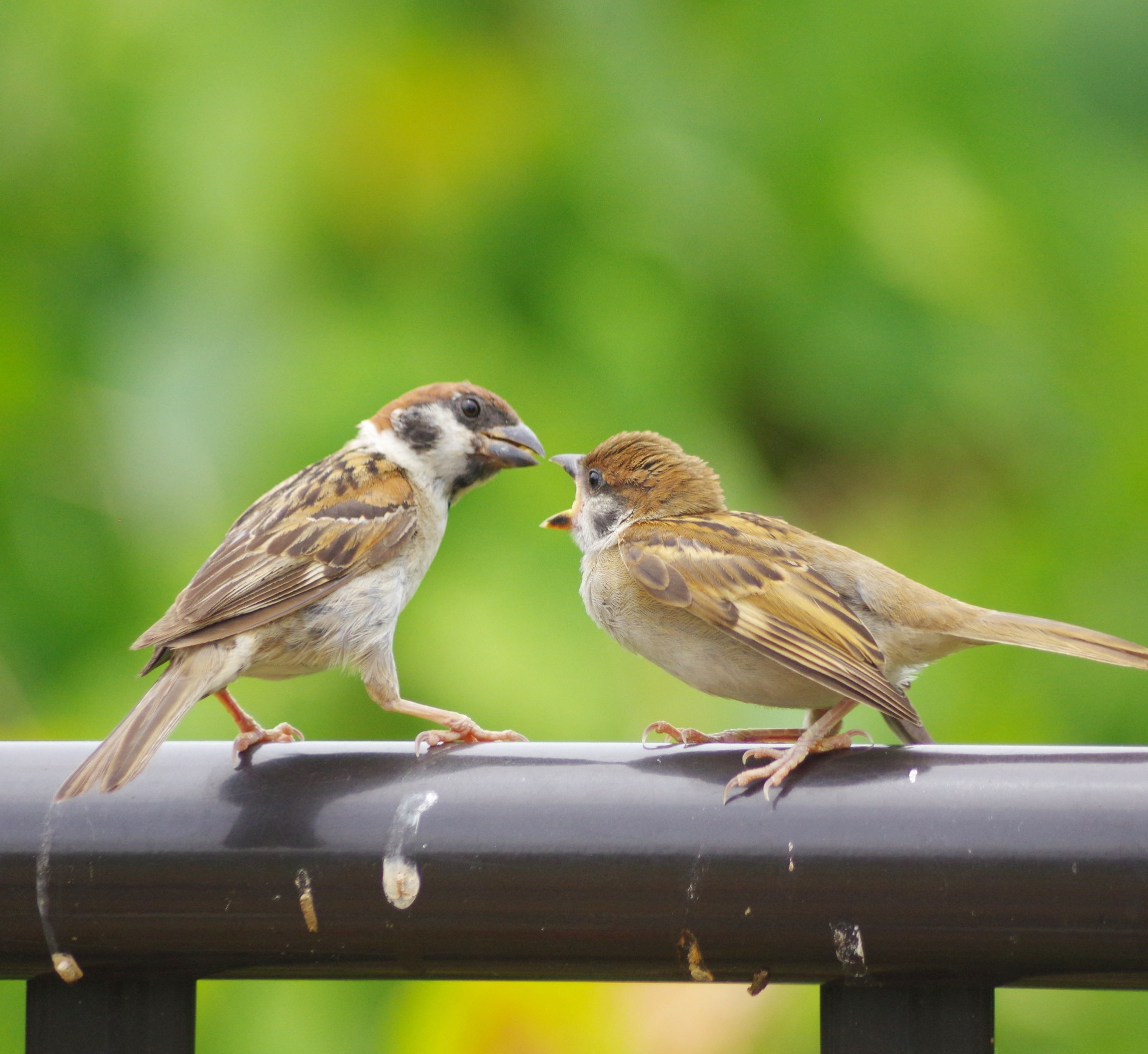
The Italian Sparrow is a delightful little bird that adds life and character to the towns, villages, and rural landscapes of Italy and neighbouring regions. With its warm brown plumage, grey crown, and distinctive black bib, this small passerine may appear modest at first glance, yet it possesses a unique charm that captivates bird enthusiasts and casual observers alike. Often seen hopping confidently along streets, gardens, and farms, the Italian Sparrow has become a familiar companion to people, thriving wherever food and shelter are available.
One of the most fascinating aspects of the Italian Sparrow is its origin. Scientists believe it evolved through natural hybridisation between the House Sparrow and the Spanish Sparrow, making it an excellent example of evolution in action. Over time, it developed its own stable characteristics and adapted perfectly to the Mediterranean climate. This remarkable history highlights nature’s ability to create new forms of life through gradual change, making the Italian Sparrow an intriguing subject for ornithologists and nature lovers alike.
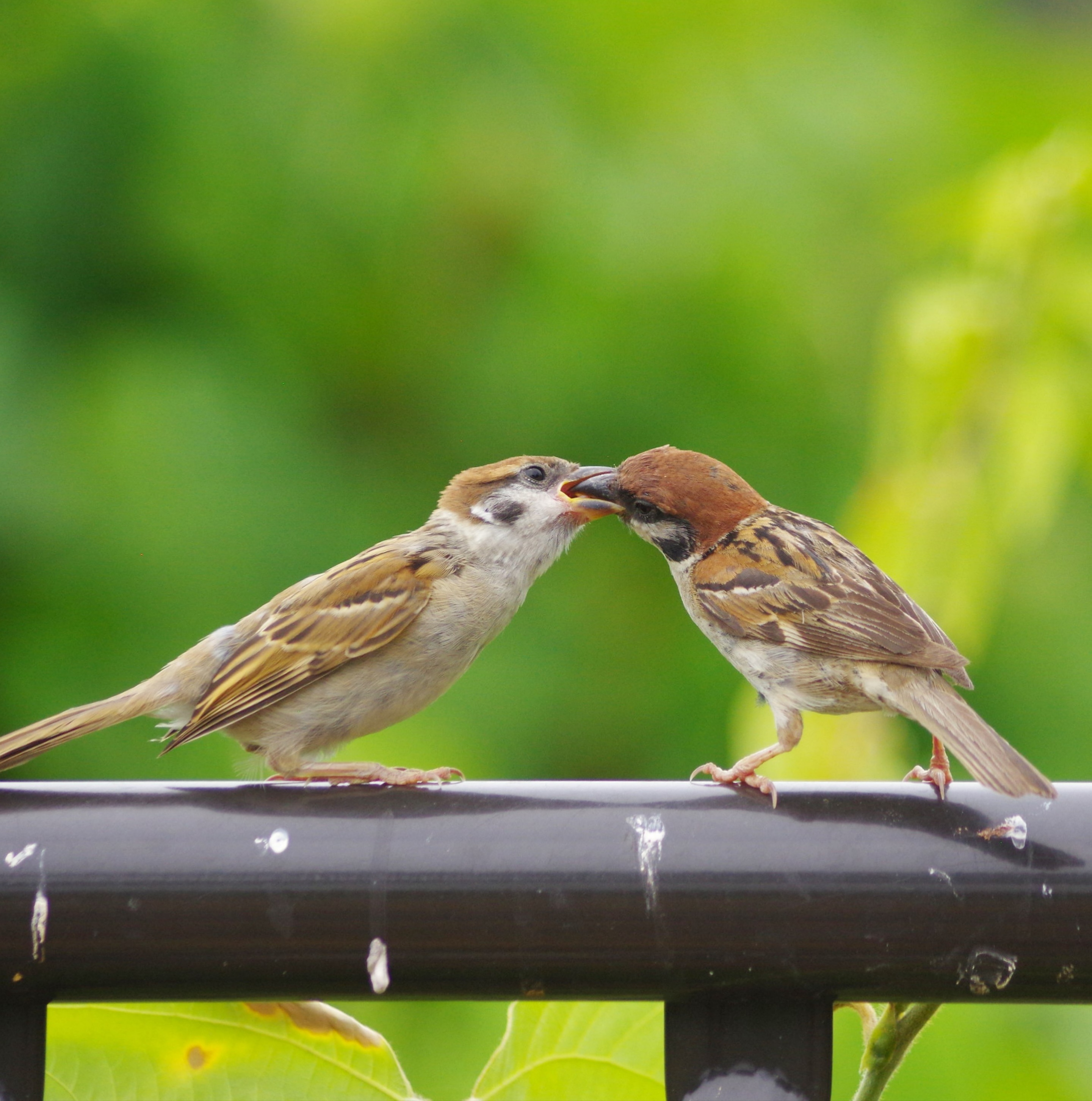
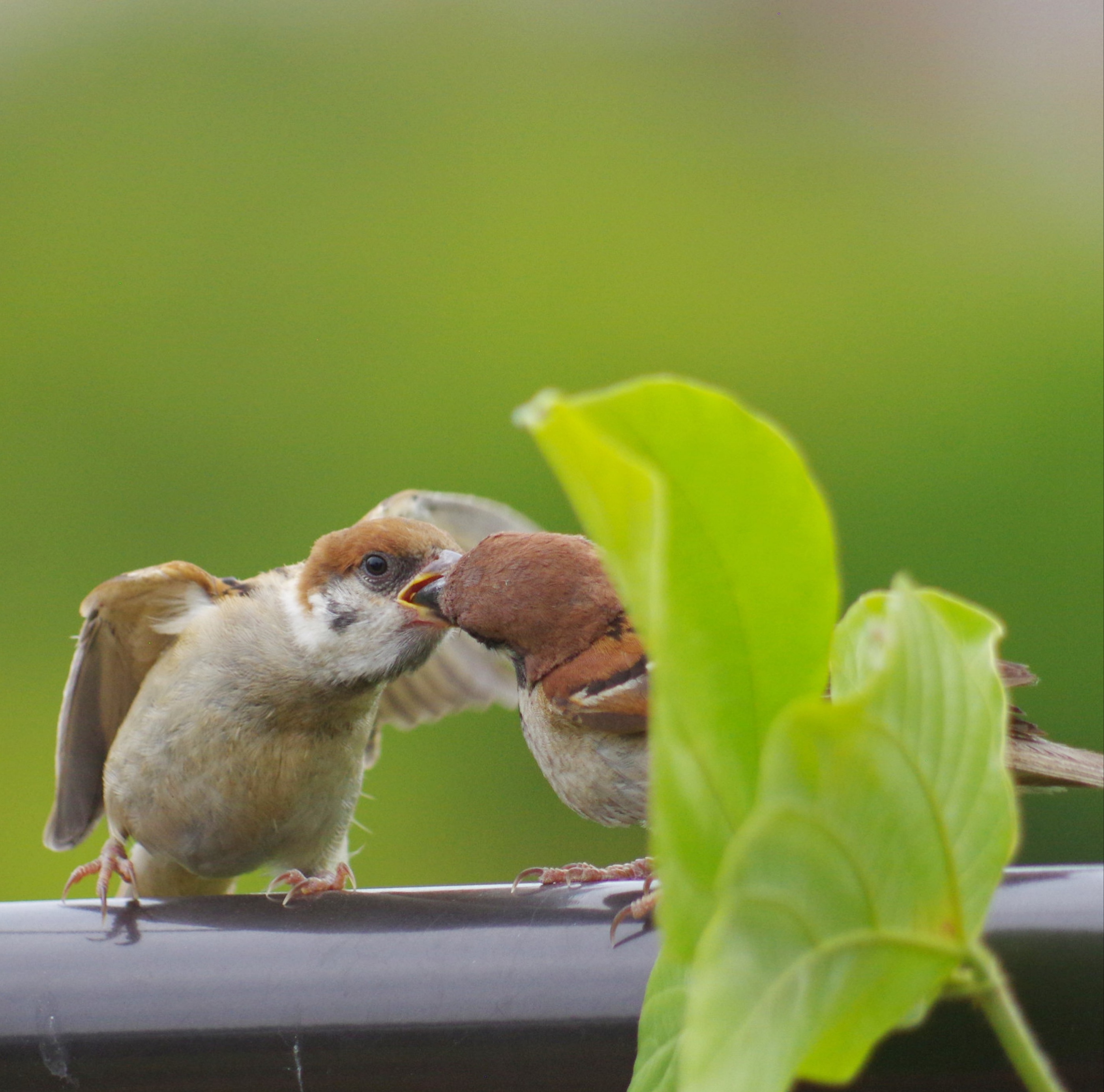
The Italian Sparrow is highly social and rarely spends time alone. Small flocks gather in parks, vineyards, olive groves, and bustling city squares, filling the air with cheerful chirps and lively movement. Its diet mainly consists of seeds, grains, insects, and small fruits, allowing it to adapt easily to both natural habitats and urban environments. During the breeding season, insects become especially important because they provide the protein needed for healthy chick development. This flexible feeding behaviour has contributed greatly to the bird’s success across its range.
Beyond its pleasant appearance, the Italian Sparrow plays an important ecological role. By feeding on insects, it helps control small pest populations, while its occasional consumption of fruits and seeds contributes to seed dispersal. Like many small birds, it also forms part of the food chain, providing nourishment for birds of prey and other predators. These ecological interactions demonstrate that even common-looking birds are essential to maintaining balanced and healthy ecosystems.
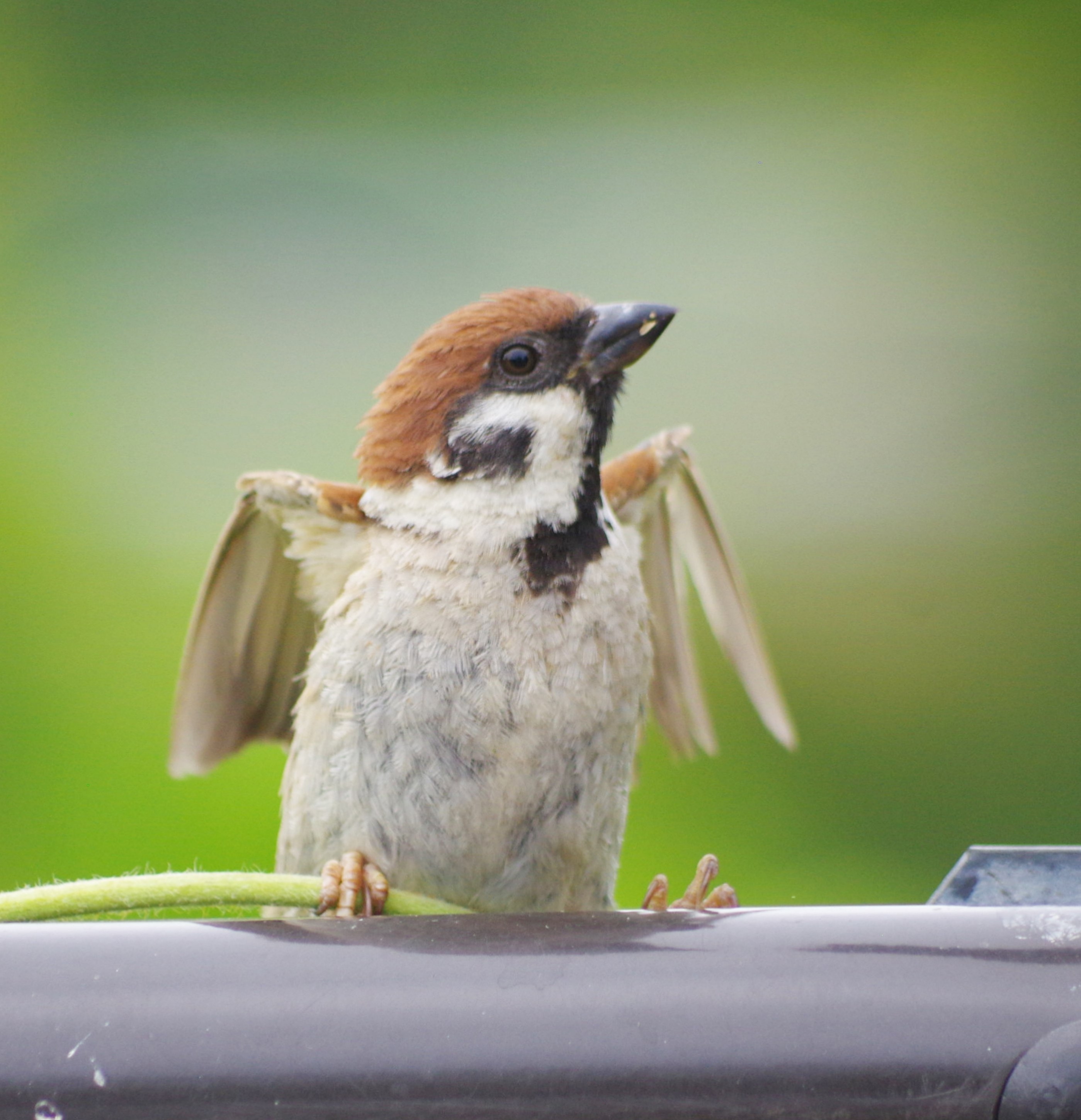
Although the Italian Sparrow remains relatively widespread, it faces growing challenges from urban expansion, changing agricultural practices, pollution, and habitat loss. The reduction of nesting sites in modern buildings and the decline of insect populations caused by pesticide use can affect breeding success. Protecting green spaces, encouraging wildlife-friendly farming, and preserving natural nesting opportunities are simple yet effective ways to support this resilient species and many other birds that share its habitat.
The Italian Sparrow is more than just a familiar face in Mediterranean landscapes—it is a symbol of adaptability, resilience, and the close relationship between wildlife and human communities. Its lively songs, energetic behaviour, and fascinating evolutionary history remind us that every bird, no matter how common it may seem, has a unique story worth appreciating. By valuing and protecting the environments where these sparrows flourish, we help preserve a small but meaningful part of Europe’s rich natural heritage for generations to come.
%20(9).jpeg)