Luscinia svecica svecica: The Quiet Flame of Northern Marshlands
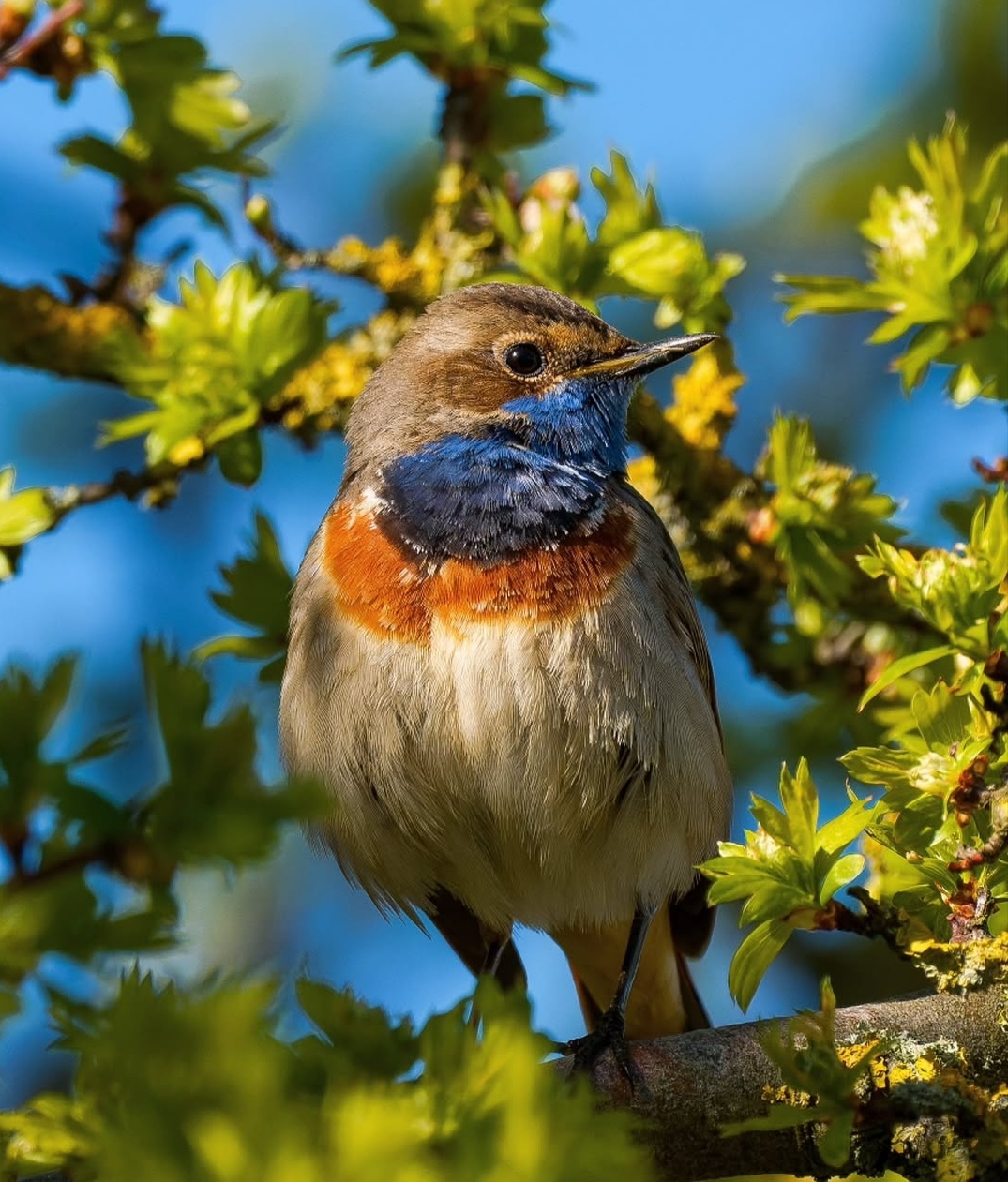
In the vast, open wetlands of the north, where the air carries the scent of moss and water, a small bird brings an unexpected spark of color and song. Luscinia svecica svecica, a subspecies of the bluethroat, is a creature of subtle wonder. At first glance, it may seem modest, but a closer look reveals a striking throat patch—a vivid blue adorned with a central spot—that sets it apart like a hidden jewel in the reeds.
This bird thrives in habitats that many might overlook: damp meadows, marsh edges, and low shrublands near water. In these quiet landscapes, it builds its life close to the ground, weaving nests among grasses and moss. The environment may seem harsh and exposed, yet it offers everything the bluethroat needs—space, insects, and the gentle cover of vegetation swaying in the wind.
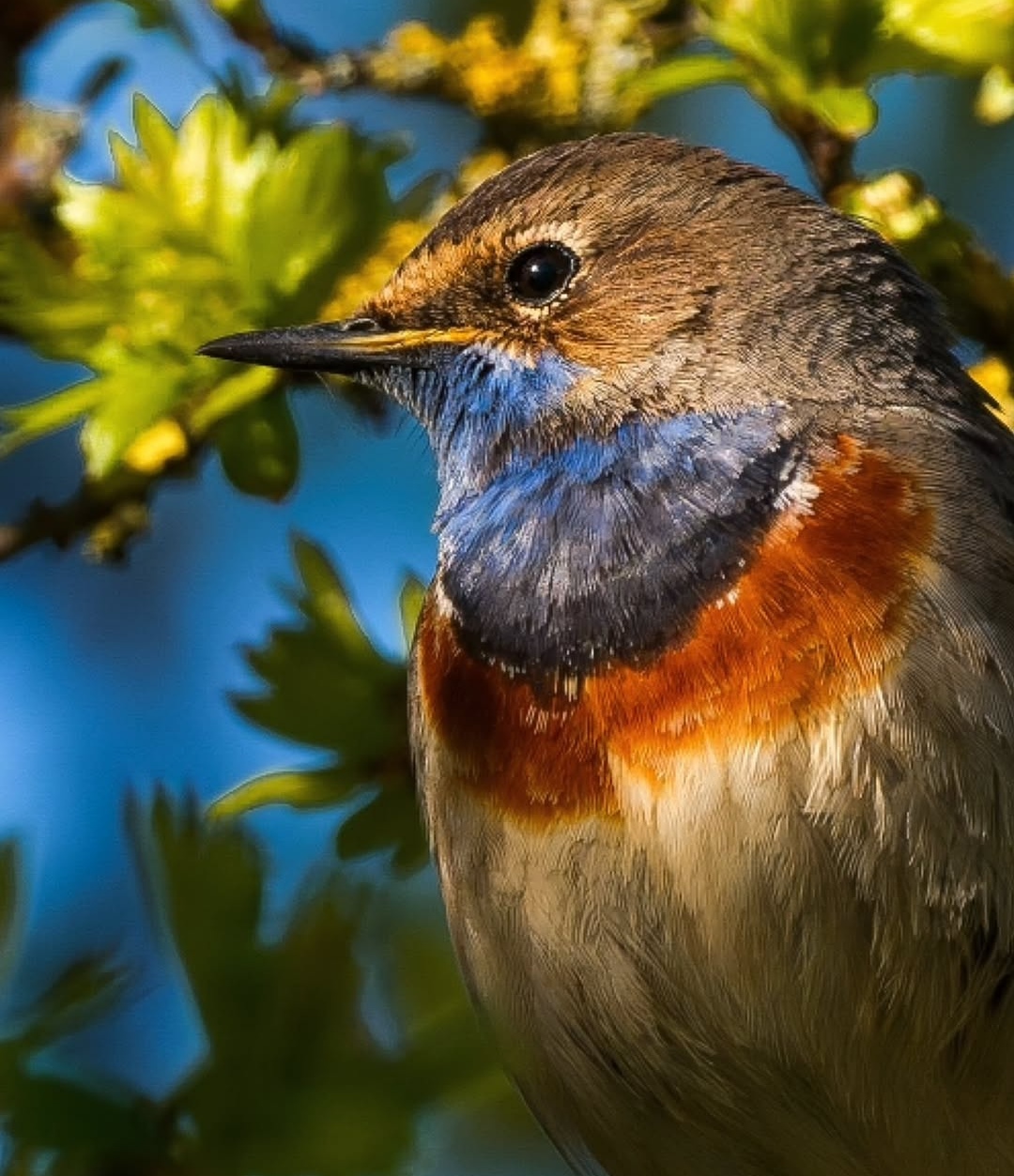
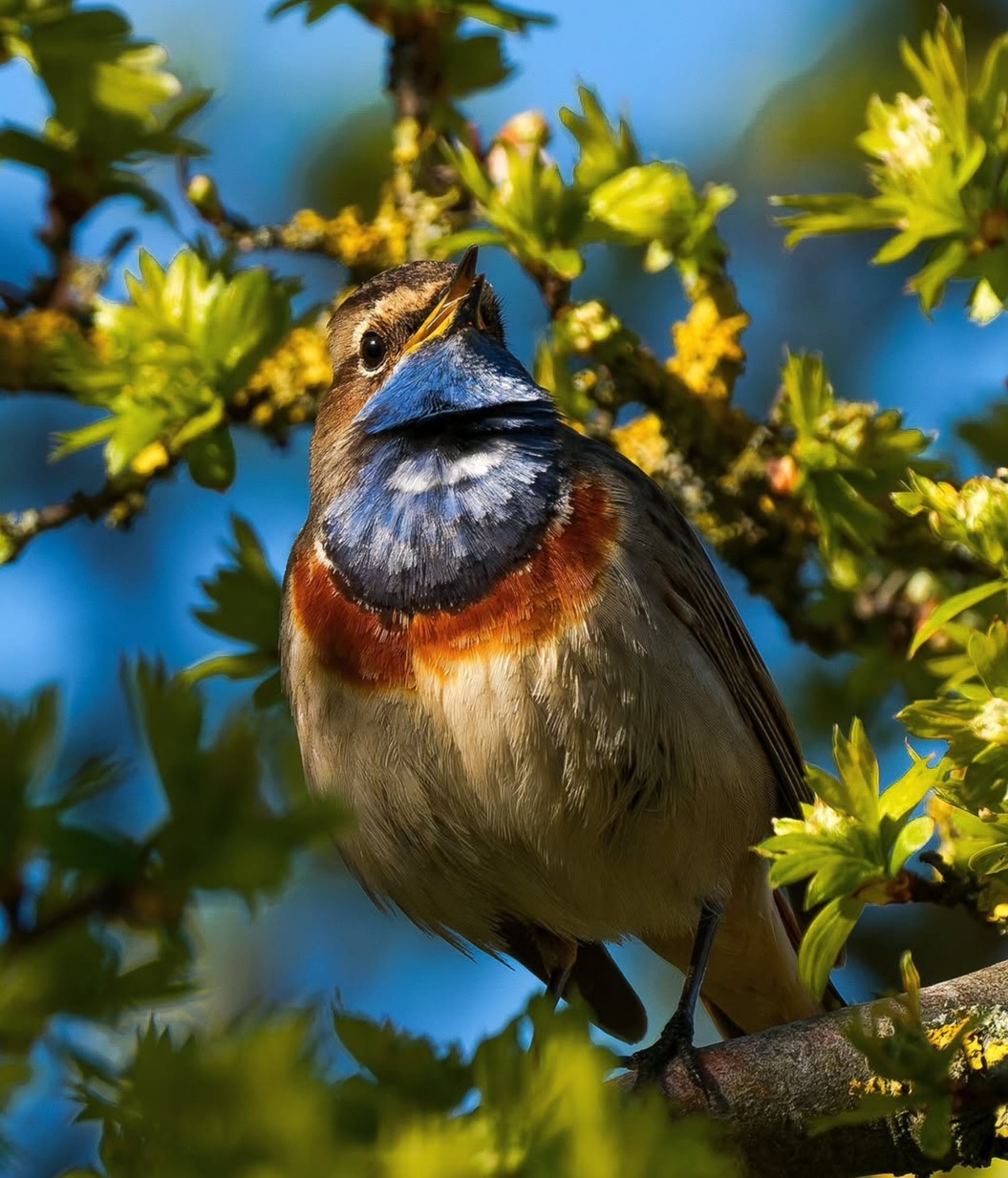
What truly defines Luscinia svecica svecica is its song. During the breeding season, the male rises above the grasses or perches on a low branch, releasing a melody that is both complex and expressive. Its song carries a mix of notes, imitations, and rhythms, echoing across the wetlands like a living tapestry of sound. It is not just a call to attract a mate, but a declaration of presence—a voice claiming its place in the wide northern world.
Migration is another remarkable chapter in its story. Despite its delicate appearance, this small bird undertakes long journeys between breeding grounds in northern Europe and wintering areas much farther south. These migrations connect distant landscapes, turning the bluethroat into a traveler between seasons, climates, and cultures of nature. It is a reminder of how even the smallest lives can bridge vast distances.
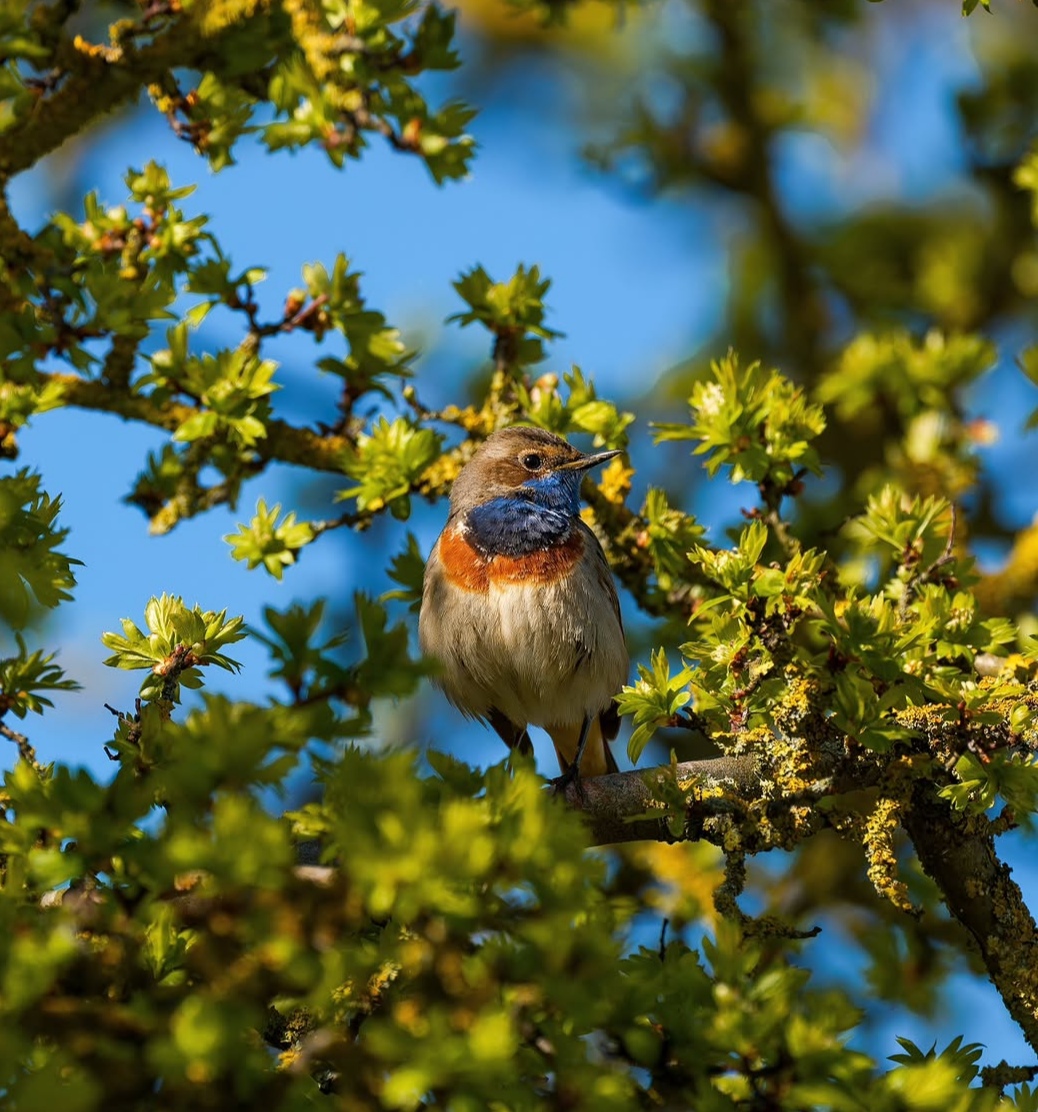
Yet, like many species tied closely to specific habitats, Luscinia svecica svecica faces challenges. Changes in wetland ecosystems, whether from climate shifts or human activity, can disrupt the delicate balance it depends on. When marshes dry out or vegetation changes, the bird’s nesting and feeding grounds are affected. Protecting these environments is essential not only for the bluethroat but for countless other species that share its home.
To encounter this bird in the wild is to witness a quiet resilience. It does not dominate the landscape, nor does it demand attention, yet it leaves a lasting impression. In its song, its color, and its long journeys, Luscinia svecica svecica tells a story of endurance and beauty woven into the rhythms of nature—a small flame of life glowing steadily in the northern marshlands.
%20(9).jpeg)