Mugimaki Flycatcher: A Tiny Migratory Bird with Remarkable Charm
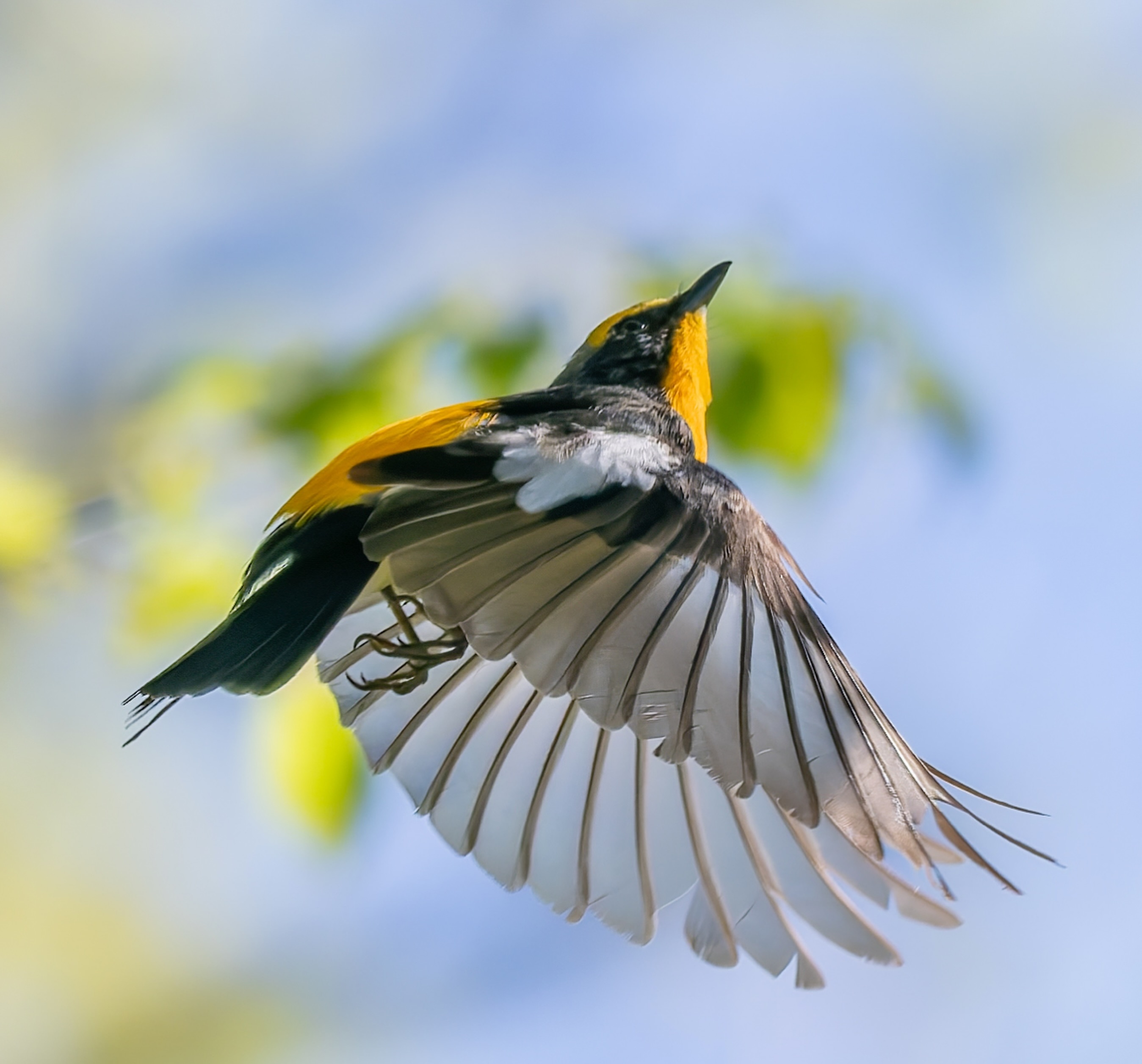
The Mugimaki Flycatcher is one of those birds that quietly captures the hearts of birdwatchers without demanding attention. Small, agile, and beautifully patterned, this migratory songbird travels thousands of kilometers between its breeding and wintering grounds. Its name may not be as familiar as some other flycatchers, but anyone fortunate enough to spot one quickly realizes how special it is. The bird's graceful movements and gentle presence make it a memorable part of the forests it visits during migration.
One of the most striking features of the Mugimaki Flycatcher is its elegant appearance. Adult males display a striking combination of black upperparts, a bright orange throat and breast, and a bold white wing patch that stands out against the darker feathers. Females and young birds wear softer shades of brown and buff, offering excellent camouflage among leaves and branches. Despite these differences, both sexes possess a delicate beauty that reflects nature's incredible attention to detail.
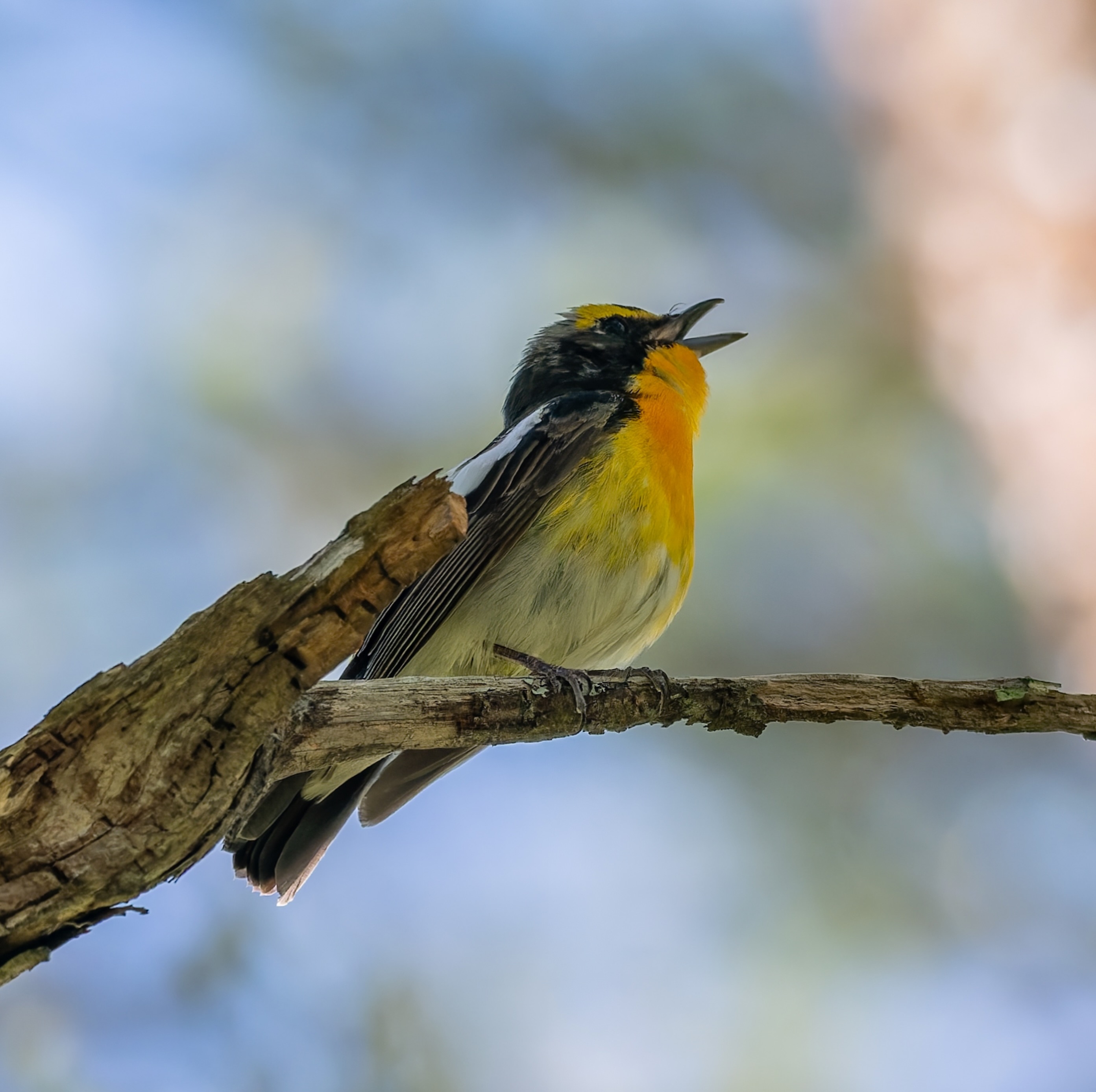
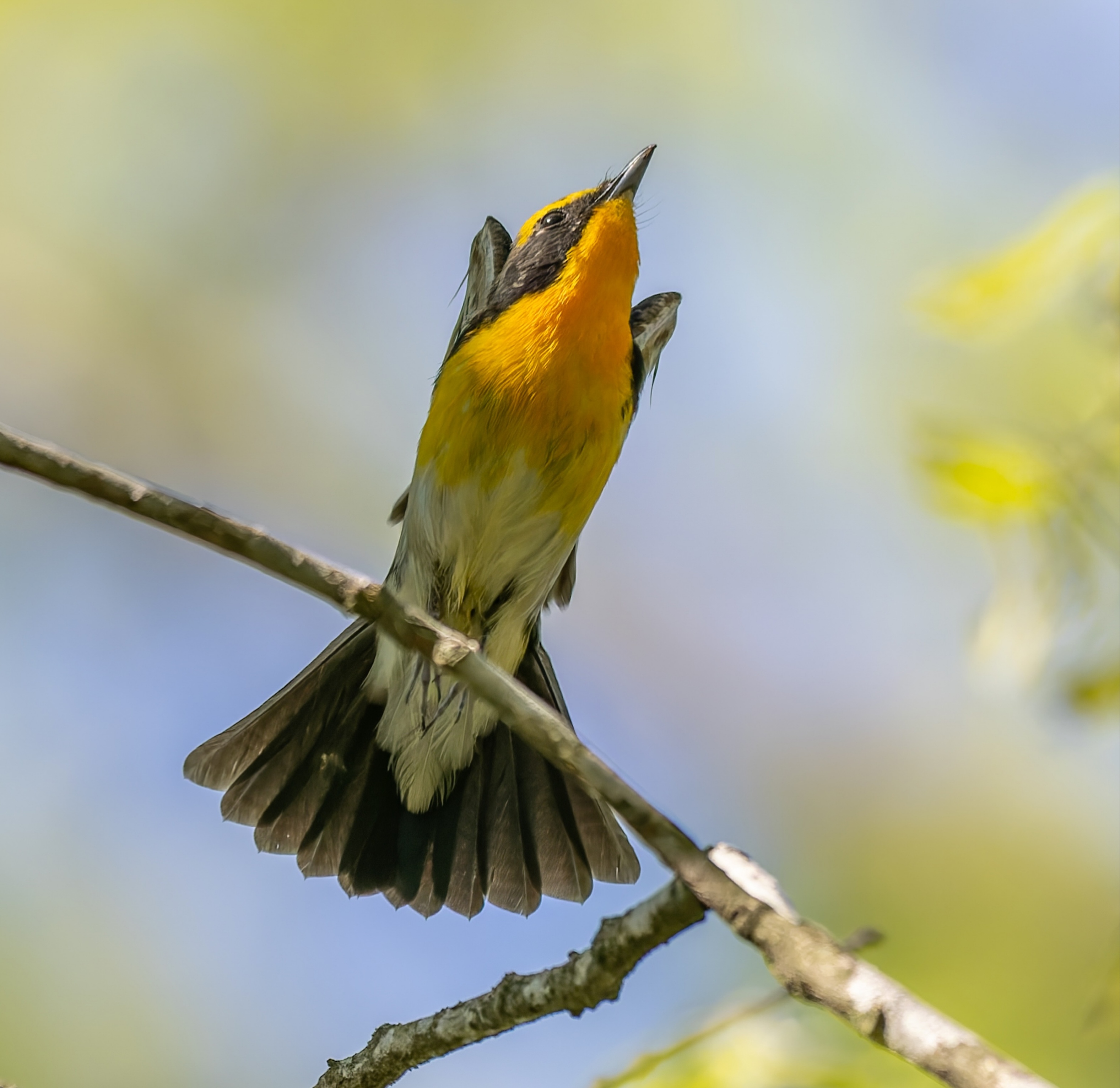
The Mugimaki Flycatcher breeds mainly in the forests of northeastern Asia, including parts of Siberia, northeastern China, and neighboring regions. As the seasons change, it embarks on an impressive migration to spend the winter in Southeast Asia. During these long journeys, the bird often stops in woodlands, parks, and gardens, giving bird enthusiasts a rare opportunity to observe it. Its remarkable endurance highlights the resilience and instinct that migratory birds have developed over countless generations.
Like many flycatchers, this species is an expert insect hunter. It patiently waits on a branch, carefully scanning its surroundings before suddenly darting into the air to catch flying insects with remarkable precision. Beetles, flies, moths, and other small insects form the bulk of its diet, making the bird an important natural controller of insect populations. Watching its swift aerial maneuvers is both fascinating and a reminder of the delicate balance that exists within forest ecosystems.
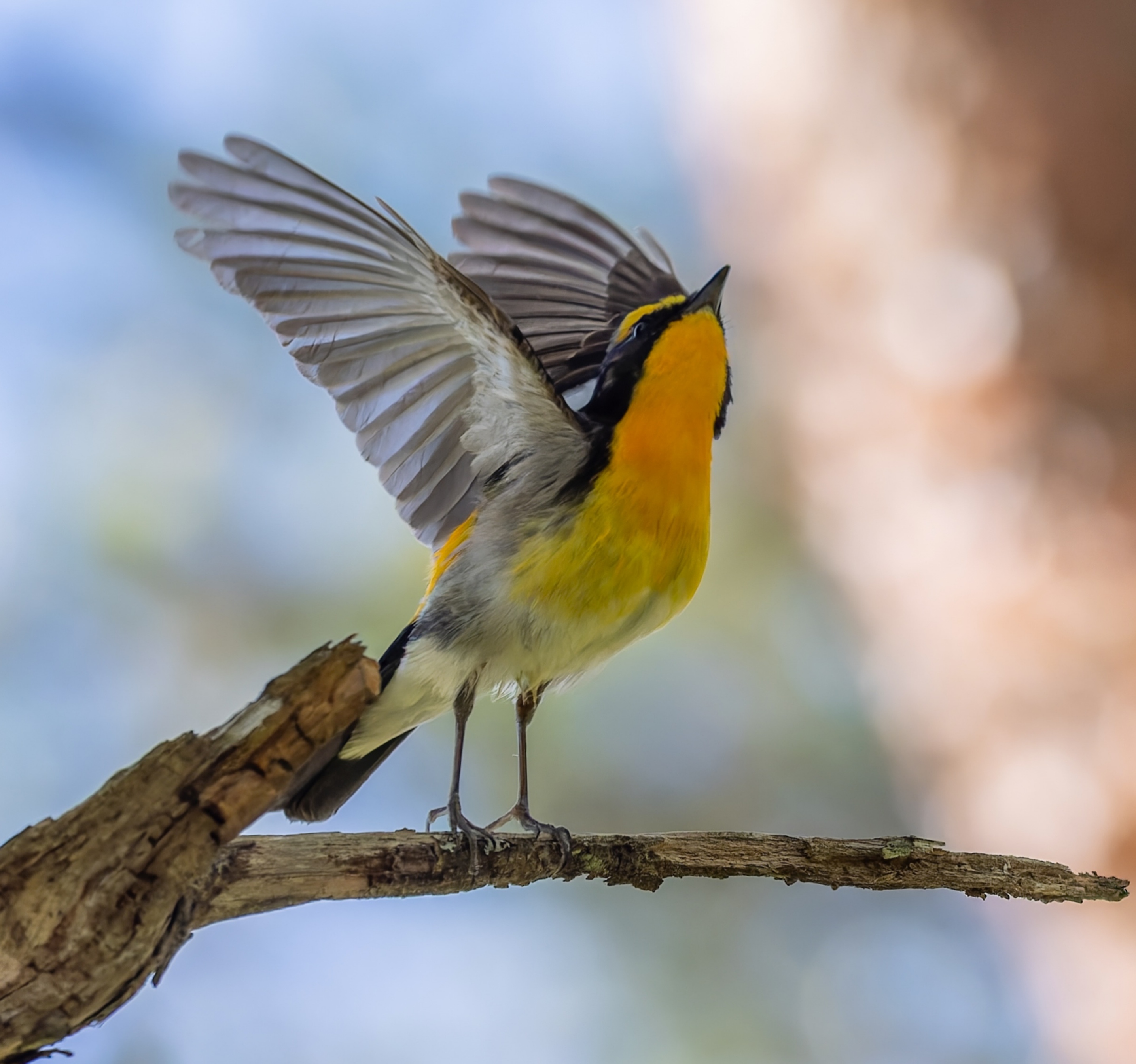
Although the Mugimaki Flycatcher is currently considered relatively stable, it still faces challenges from habitat loss, deforestation, and environmental changes along its migratory routes. Protecting forests and preserving healthy stopover habitats are essential for ensuring that future generations can continue to witness this remarkable traveler. Conservation efforts that safeguard natural landscapes benefit not only this species but also countless other birds that depend on the same ecosystems.
The Mugimaki Flycatcher teaches us that even the smallest birds can tell extraordinary stories. Its annual migration, vibrant plumage, and quiet determination remind us of the wonders hidden within the natural world. Whether glimpsed briefly during migration or admired through photographs and field guides, this charming flycatcher encourages us to appreciate wildlife with greater curiosity and respect. Every encounter with such a bird is a gentle reminder that nature's greatest treasures often come in the smallest forms.
%20(9).jpeg)