The Best HVAC Upgrades for Older Homes
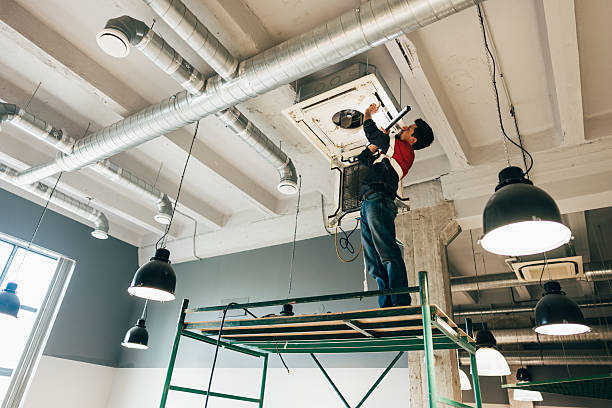
Is your older home having trouble keeping you comfortable? Drafty rooms, hot and cold spots, and high energy bills are a familiar story for owners of older houses. Fortunately, HVAC technology has come a long way, and you can turn your older house into a cozy, efficient home with the right upgrades.
HVAC Problems in Older Homes
Older homes can be charming and full of natural character. However, they typically weren’t built with modern heating and cooling demands in mind. That’s why upgrading your HVAC system is about more than just keeping you comfortable when the temperatures rise or fall.
Upgrades can help you breathe cleaner air inside your home, reduce your monthly energy bills, and preserve your home’s value. Most homes built pre-1980 use dated HVAC systems that aren’t energy efficient. Not only will your electric bill suffer, but you may have rooms that are too hot or too cold. Old HVAC units simply lack the power to push air throughout your entire home.
Smart Thermostats Are an Easy Place to Start
You can install a smart thermostat in under an hour. Plus, these thermostats usually pay for themselves within a few years by reducing your heating and cooling costs by up to 23%.
Smart thermostats learn your schedule and preferences and adjust automatically. You can even hook your thermostat up to your phone, so you can adjust the temperature from anywhere. Forgot to adjust your thermostat before leaving for vacation? No worries. Just pull up your thermostat on your phone and start saving money!
Gain Control with Zone Control Systems
Got rooms in your home that no one uses? With a zone control system, you can choose which rooms to heat or cool. This way, you’re not wasting energy heating or cooling spaces that nobody uses.
Zone control systems use motorized dampers that are installed in your ductwork. The dampers open and close based on the zones you select. Not only will your bedroom be comfortable all day long, but your guest room won’t suck up money conditioning empty space. You’ll enjoy lower energy bills and comfort you can control.
Heat Pumps Can Heat and Cool Your Home
Heat pumps don’t just cool your home like traditional HVAC systems. Heat pumps both heat and cool your space, so you only need to invest in one system.
New heat pumps can even heat your home efficiently when the temperatures are low. Heat pumps move heat from outdoors to indoors during the winter months. Then, they reverse that process during warmer weather to cool your home. Invest in a heat pump, and you can enjoy steady temperatures all year-round without burning fossil fuels.
Mini-split heat pumps don’t even require ductwork. If you don’t have ducts in your home, you’ll spend time and money having them installed. However, with mini-split heat pumps, you can add them to one room at a time as your budget allows.
Ductless Heating and Cooling Systems
If your home doesn’t have ducts, you may have written off HVAC upgrades entirely. After all, why rip out all of your walls and ceilings to have someone install ductwork?
Ductless mini-split systems offer an elegant solution to your problem. A ductless mini-split system has two parts: an outdoor unit and one or more indoor air handlers. Small holes in your wall connect these pieces via tiny lines. Instead of taking weeks to have someone install ducts throughout your home, you’ll be enjoying your mini-split system in just a few days.
Each air handler serves as the thermostat for a particular room. Because of this, you’ll be able to achieve even temperatures throughout your home at last. Everyone can pick the temperature they like best while avoiding massive construction projects.
High-Efficiency Furnaces Save You Money
If you’re not ready to give up your furnace, upgrade to a high-efficiency model. New furnaces can have annual fuel utilization efficiency (AFUE) ratings of over 95%. That means for every dollar you spend on fuel, 95 cents goes to heating your home.
Old furnaces may only heat your home at around 60% efficiency. The savings from your new furnace could add up to hundreds of dollars per year. Look for two-stage or modulating furnaces. Two-stage furnaces don’t run at full output all the time. By adapting to your heating demands, you’ll enjoy more even temperatures and less noise.
Add Insulation to Any HVAC Upgrade
You’ll also want to add insulation to any HVAC upgrade you decide to make. Older homes are notorious for having little to no insulation in the walls, attics, and crawl spaces. If your home fits this description, you’re losing heated and cooled air before it can heat or cool your home.
Start by adding insulation to your attic. Heat rises, which means heat you’re paying for will escape through your attic if it’s not properly insulated. By adding insulation to your attic, you’ll see an immediate decrease in your energy bills. Your HVAC system won’t have to work as hard to keep your family comfortable.
Air sealing your home is another thing to consider. Windows, doors, and even electrical outlets can allow heated and cooled air to escape. When this happens, you might as well be paying to heat and cool the great outdoors! Luckily, caulking and weatherstripping are inexpensive ways to improve any HVAC system.
Ready to Upgrade?
Don’t try to tackle your entire HVAC system in one weekend. Hire a professional to perform an HVAC assessment on your home first. A trained technician can help you identify problem areas and recommend what you should tackle first.
While you’re at it, think about how much you can afford to spend and how quickly you need results. If you’re looking for quick wins, go with smart thermostats or UV air purifiers. Upgrading your entire HVAC system will take more time and money. However, you can spread these improvements out by prioritizing what your home needs most.
What’s the lowest hanging fruit for upgrading my HVAC?
If you’re looking to make one quick and impactful upgrade, consider installing a smart thermostat. Not only are they inexpensive and easy to install, but you’ll start saving energy as soon as it’s installed. You don’t necessarily need to change your current HVAC equipment but doing so can help you take control of your energy bills and achieve more consistent comfort.
Do zone control systems help in older houses?
Absolutely! Zone control systems are a fantastic way to heat and cool your home more efficiently. Older homes often have rooms that are not occupied on a daily basis, like formal dining rooms or guest bedrooms. Instead of heating or cooling those rooms like you do the rest of your home, zoning allows you to customize your comfort settings and save energy. No more unused rooms sucking up your hard-earned dollars!
My house doesn’t have any ductwork. Now what?
No ducts doesn’t mean you can’t upgrade your HVAC system. Ductless mini-split systems are an excellent option for older homes because they don’t require you to tear into your walls and ceilings to make room for ductwork. Since these sealed systems are so efficient and operate very quietly, they can provide a comfortable and cost-effective solution for your home. Best of all, you can install one zone at a time as your budget allows.
Should I invest in a new furnace or should I rip out my furnace for a heat pump?
Well, that depends. If you’re happy with gas as your heating source, upgrading to a high-efficiency furnace can help reduce your heating bills. But if you’re looking to reduce your use of fossil fuels and want one system to heat and cool your home, consider installing a heat pump. Either option will improve your comfort, but we can help you figure out which upgrade will benefit your home the most.
People keep telling me I need to upgrade my insulation. But why?
The same reason you need HVAC equipment! Without proper insulation and air sealing, your HVAC system has a tough time keeping your home comfortable. Think about it this way; if your heating or cooling system was leaking money everywhere it touched anything, would you still use it? Leakage in your home works the same way. Poor insulation and air sealing in the attic, walls and around windows can cause your HVAC system to pump out heated or cooled air that literally escapes your house. So not only does upgrading your insulation help keep you comfortable, it helps your HVAC equipment do its job more efficiently.