The Amazing Science Behind Rainbows: Nature's Most Colorful Illusion
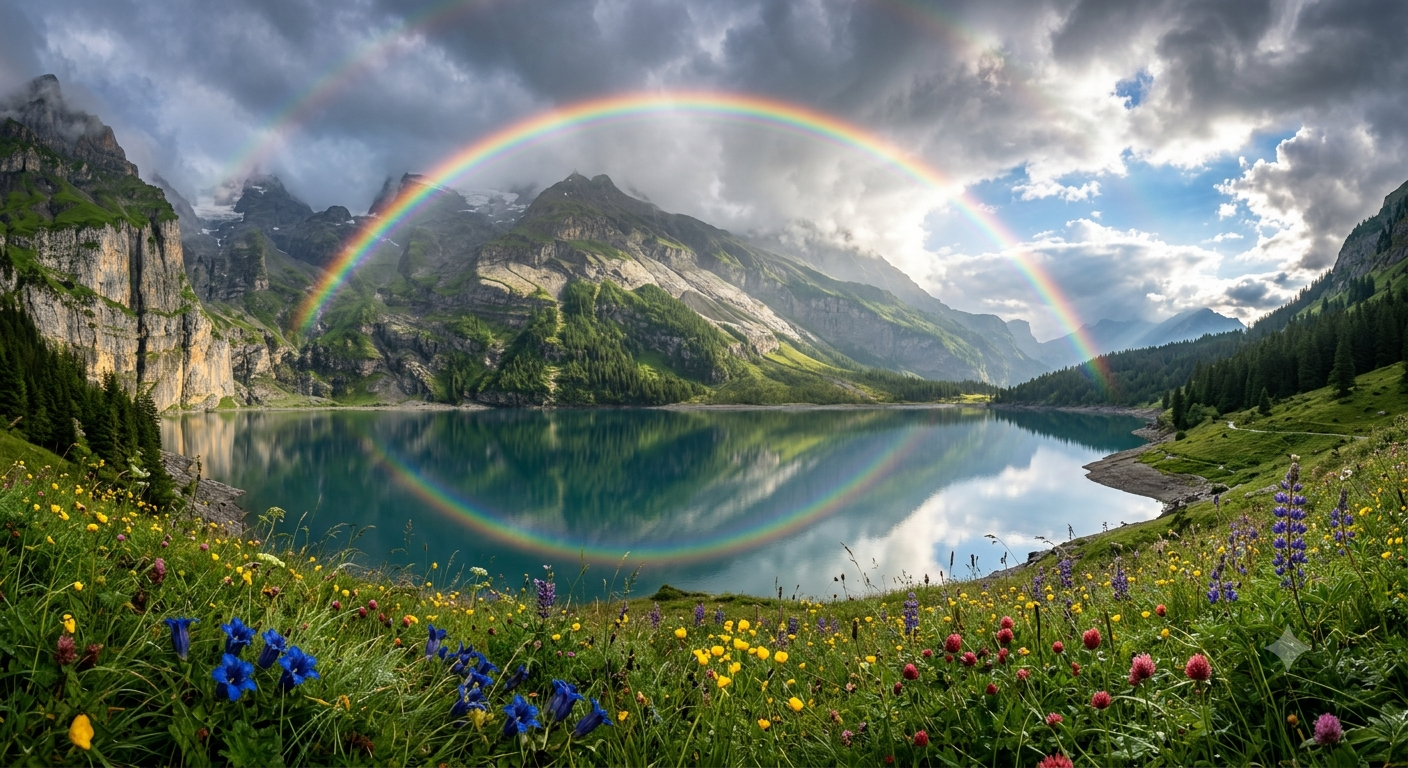
Few natural phenomena are as beautiful as a rainbow. It appears suddenly after the rain, filling the sky with brilliant colors that capture our attention. But have you ever wondered how a rainbow is actually created?
The answer lies in a fascinating interaction between sunlight and tiny water droplets suspended in the air.
Sunlight may look white, but it is actually made up of many different colors. When sunlight enters a raindrop, it slows down and bends, a process known as refraction. Inside the droplet, the light reflects off the inner surface before bending once again as it exits.
Because each color bends at a slightly different angle, the white light separates into the familiar spectrum: red, orange, yellow, green, blue, indigo, and violet. Millions of raindrops perform this process simultaneously, creating the magnificent arc we call a rainbow.
Interestingly, no two people see the exact same rainbow. The rainbow you observe depends on your position relative to the Sun and the raindrops. This makes every rainbow unique to the viewer.
Rainbows can also appear in other places besides rainy skies. Waterfalls, garden sprinklers, ocean mist, and even fountains can produce miniature rainbows when sunlight shines through the water droplets at the right angle.
There are also rare types of rainbows. A double rainbow occurs when light reflects twice inside each raindrop, creating a second, fainter rainbow above the first with its colors reversed. Even rarer are moonbows, which are rainbows formed by moonlight during bright nights with moisture in the air.
For centuries, rainbows have inspired myths, legends, and works of art. Today, science allows us to understand their beauty while making them even more fascinating. Knowing the physics behind a rainbow doesn't reduce its magic—it helps us appreciate the incredible laws of nature that create such breathtaking moments.
The next time you see a rainbow after a storm, take a moment to enjoy not only its beauty but also the remarkable science that makes it possible.
Have you ever seen a double rainbow or captured a beautiful rainbow in a photograph? Share your experience in the comments below!