An atlas maps the human hormonal system tissue by tissue for the first time/Un atlas mapea por primera vez el sistema hormonal humano tejido por tejido
Source
Just as they have done with gut bacteria (microbiome) or intend to do with the connections between neurons in the brain (connectome), a group of scientists from the UK, Germany, and Australia have now created a cellular map that precisely shows how and where all hormones act in human tissues. Until now, we had a map of hormones drawn at the level of classic organs like the pancreas or thyroid; this new atlas allows us to see exactly where hormones are produced and on which cells they act throughout the body.
Al igual que han hecho con las bacterias intestinales (microbioma) o pretenden hacer con las conexiones de las neuronas del cerebro (conectoma), ahora un grupo de científicos del Reino Unido, Alemania y Australia han conseguido crear un mapa celular en el que muestra con precisión cómo y dónde actúan todas las hormonas en los tejidos humanos. Hasta ahora teníamos un mapa de las hormonas dibujado a nivel de los órganos clásicos como el páncreas o la tiroides, este nuevo atlas permite ver dónde se producen exactamente las hormonas y sobre qué células actúan en todo el cuerpo.
To build this map, scientists conducted a kind of large-scale "cellular census." They used cutting-edge technology called single-cell RNA sequencing to study the genetic activity of 14 million individual cells from 47 different tissues in healthy donors. From this, they developed a database of more than 150 hormones and their receptors (the "locks" where hormones bind). Using custom-built software (called hormone2cell), they matched which cells produce each hormone with which cells have the receptors to receive the signal. The result is a map of hormonal "conversations" throughout the body.
Para construir este mapa, los científicos hicieron algo así como un gran "censo celular", Utilizaron una tecnología de vanguardia llamada secuenciación de ARN de célula única para estudiar la actividad genética de 14 millones de células individuales de 47 tejidos diferentes de donantes sanos. Con esto desarrollaron una base de datos con más de 150 hormonas y sus receptores (las "cerraduras" donde actúan las hormonas). Con un programa informático a medida (llamado hormone2cell), emparejaron qué células producen cada hormona y qué células tienen los receptores para recibir la señal. El resultado es un mapa de las "conversaciones" hormonales en todo el organismo.

Source
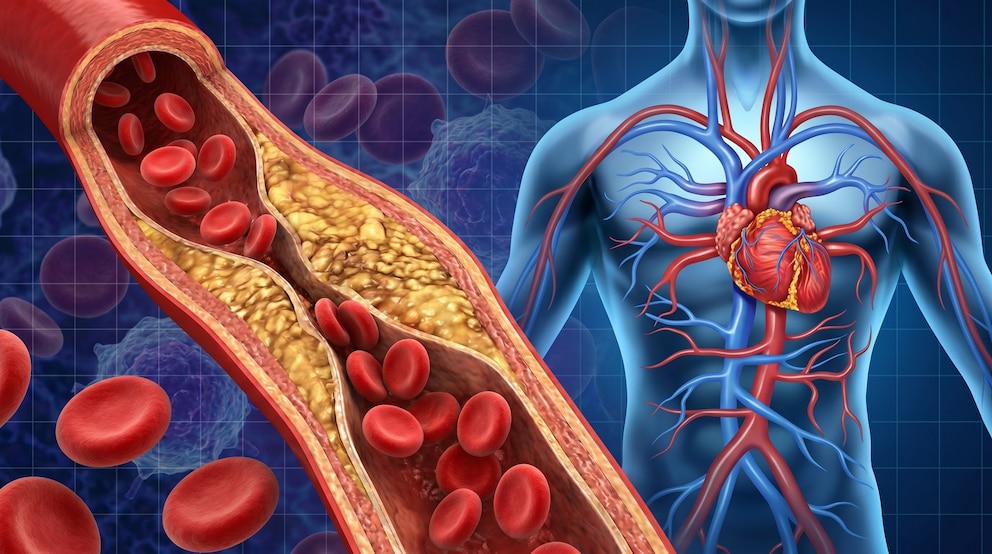
This atlas is not just a theoretical advance. It has the potential to change how we understand and treat diseases. The most surprising discovery is that hormonal communication is not limited to the classic glands. Tissues not previously considered endocrine, such as the immune system, blood vessels, adipose tissue, and the heart, also actively produce and respond to hormones. This changes our view of the human body as a far more integrated and complex communication network than previously thought.
Este atlas no es solo un avance teórico. Tiene el potencial de cambiar la forma en que entendemos y tratamos las enfermedades. El descubrimiento más sorprendente es que la comunicación hormonal no se limita a las glándulas clásicas. Tejidos que no se consideraban endocrinos, como el sistema inmunitario, los vasos sanguíneos, la grasa (adiposo) o el corazón, también producen y responden a hormonas activamente . Esto cambia nuestra visión del cuerpo humano como una red de comunicación mucho más integrada y compleja de lo que se pensaba.
The atlas can accelerate drug discovery. For example, researchers observed that receptors for well-known type 2 diabetes drugs (such as GLP-1 agonists, including the popular "Ozempic") are also present in heart cells. This could explain why these drugs have beneficial cardiovascular effects and opens the door to using them more precisely. The atlas also revealed that secretin, a classic gut hormone involved in digestion, is also produced in certain immune cells (plasmacytoid dendritic cells) when the body fights a viral infection.
El atlas puede acelerar el descubrimiento de medicamentos. Por ejemplo, los investigadores observaron que los receptores de fármacos muy conocidos para la diabetes tipo 2 (como los agonistas del GLP-1, entre los que se encuentra la famosa "Ozempic") también están presentes en células del corazón. Esto podría explicar por qué estos fármacos tienen efectos beneficiosos a nivel cardiovascular y abre la puerta a usarlos de forma más precisa. El atlas descubrió que la secretina, una hormona clásica del intestino relacionada con la digestión, también se produce en unas células inmunitarias (las células dendríticas plasmocitoides) cuando el cuerpo lucha contra una infección vírica .
Source
This suggests a direct link between the hormonal system, the digestive system, and the body's defenses, opening new avenues of research into infectious and autoimmune diseases. All this information is freely available at hormonecellatlas.org.uk. Any scientist or physician worldwide can use it as a reference tool for their research on obesity, diabetes, thyroid disease, infertility, and many other hormonal disorders.
Esto sugiere un vínculo directo entre el sistema hormonal, el sistema digestivo y las defensas del cuerpo, abriendo nuevas líneas de investigación para enfermedades infecciosas o autoinmunes. Toda esta información está disponible de forma gratuita en la página web hormonecellatlas.org.uk. Cualquier científico o médico del mundo puede usarlo como una herramienta de referencia para sus investigaciones sobre obesidad, diabetes, enfermedades tiroideas, infertilidad y muchos otros trastornos hormonales.
In short, this atlas represents a shift from a classic, compartmentalized view of the hormonal system to a modern, global cellular communication network. It not only tells us what each hormone does, but also shows us "who talks to whom" in our bodies at an unprecedented level of detail. This will allow us, in the future, to design much more specific and effective treatments for a multitude of diseases. All of this, combined with Google's advances in understanding how proteins function, is undoubtedly very promising.
En resumen, este atlas es como pasar de una visión clásica y compartimentada del sistema hormonal a una visión moderna de red de comunicación celular global. No solo nos dice qué hace cada hormona, sino que nos muestra "quién habla con quién" en nuestro cuerpo a un nivel de detalle sin precedentes, lo que permitirá, en el futuro, diseñar tratamientos mucho más específicos y efectivos para una multitud de enfermedades. Todo esto unido a los avances de Google en la comprensión del funcionamiento de las proteínas no cabe duda de que es muy esperanzador.
More information/Más información
https://www.mrl.ims.cam.ac.uk/news/cambridge-researchers-map-human-endocrine-system-cell-cell
Fantastic article! 👏 The Hormone Cell Atlas is going to be an extremely helpful tool for research. The leap from organ-level resolution to single-cell resolution is an excellent way to demonstrate how connected our body is: Immune cells secreting gut hormones during infection, GLP-1 receptors in heart cells, etc. are all great examples of how the body interacts with itself on multiple levels.
The database at hormonecellatlas.org.uk is going to accelerate the pace of research being done in diabetes, obesity, autoimmune disease, and other areas as well. I remain to see what kind of new therapies will result from this research. This is what systems biology is all about.
This is actually brilliant. For once, we’re looking at some proper, ground-breaking science coming out of the UK, Germany, and Australia, rather than another useless tech startup trying to sell us smart socks.
The idea that our organs aren't just sitting there in total isolation, but are constantly shouting at each other through hormones, is fascinating. It makes you realise how beautifully complicated the human body is, and how much we still don't know about ourselves.
My only slight grumble here is with the software side of things. It’s superb that they’ve built this "hormone2cell" tool and put it online for free, but it makes you realise how behind we’ve been until now. We’ve been throwing drugs like Ozempic at people without fully knowing what its doing inside the body. It’s slightly terrifying to think we’ve been playing guessing games with when the mapping tech was right there waiting to be built.