Goodbye Wi-Fi, they create a wireless system that reaches speeds of up to 362 Gbps/Adios Wi-Fi, crean un sistema inalámbrico que alcanza velocidades de hasta 362 Gbps
Source
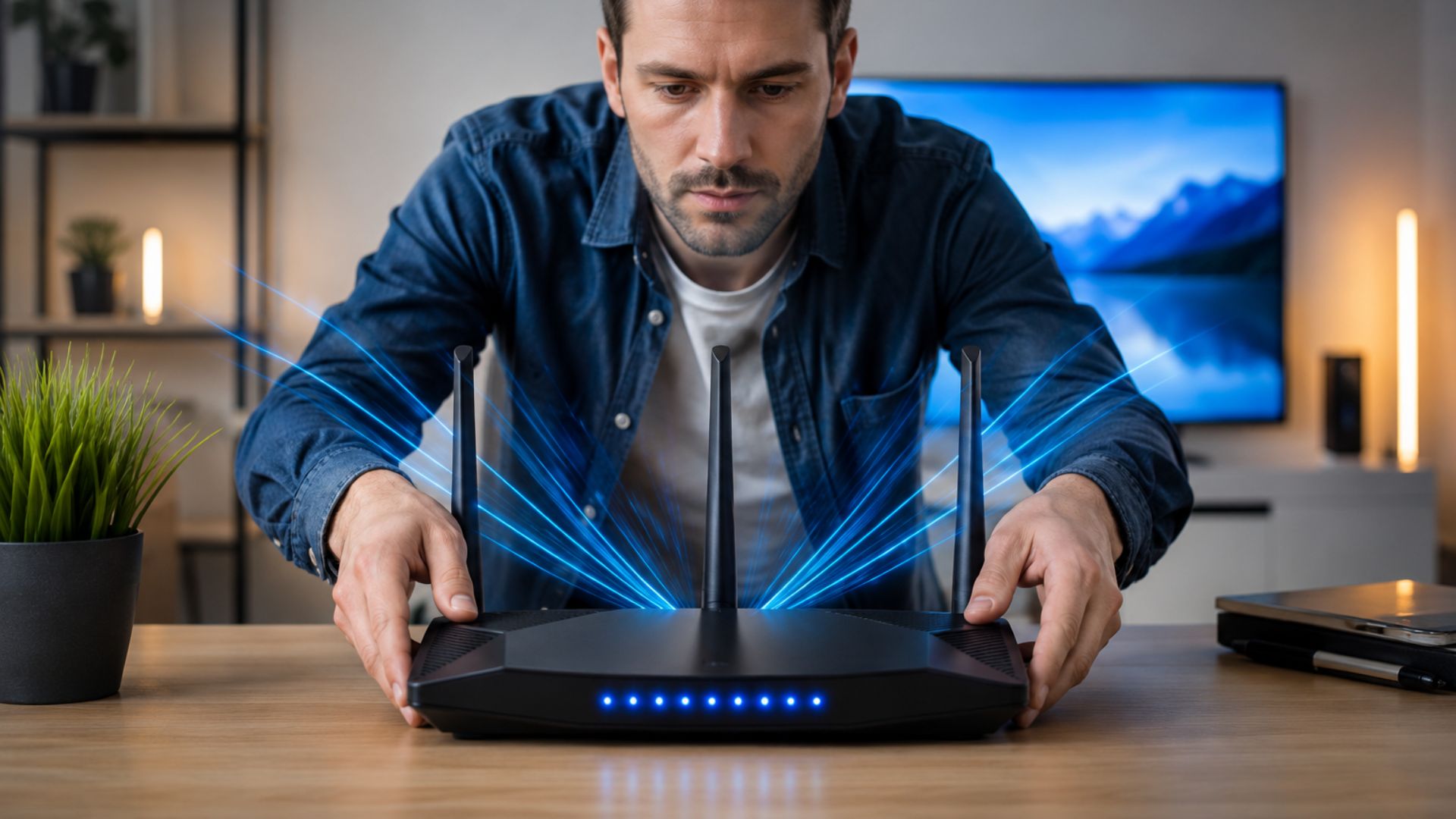
A group of researchers in the UK has created a wireless system that replaces the radio waves of conventional Wi-Fi with data transmission using light. This is Li-Fi (Light Fidelity), a revolutionary system that uses light, instead of the radio waves of conventional Wi-Fi, to transmit data at speeds potentially 100 times faster. Although it has recently gained attention, the concept originated in 2011 with Professor Harald Haas at the University of Edinburgh (UK). In fact, this researcher and his team continue to be pioneers in the field, currently based at the University of Cambridge.
Un grupo de investigadores del Reino Unido han creado un sistema inalámbrico que reemplaza las ondas de radio del Wi-Fi convencional por transmisión de datos mediante luz. Se trata de Li-Fi (Light Fidelity), un sistema revolucionario que usa la luz, en lugar de las ondas de radio del Wi-Fi convencional, para transmitir datos a velocidades potencialmente 100 veces superiores. Aunque ha ganado atención recientemente, el concepto nació en 2011 de la mano del profesor Harald Haas en la Universidad de Edimburgo (Reino Unido). De hecho, este investigador y su equipo siguen siendo pioneros en el área, ubicándose actualmente en la Universidad de Cambridge.
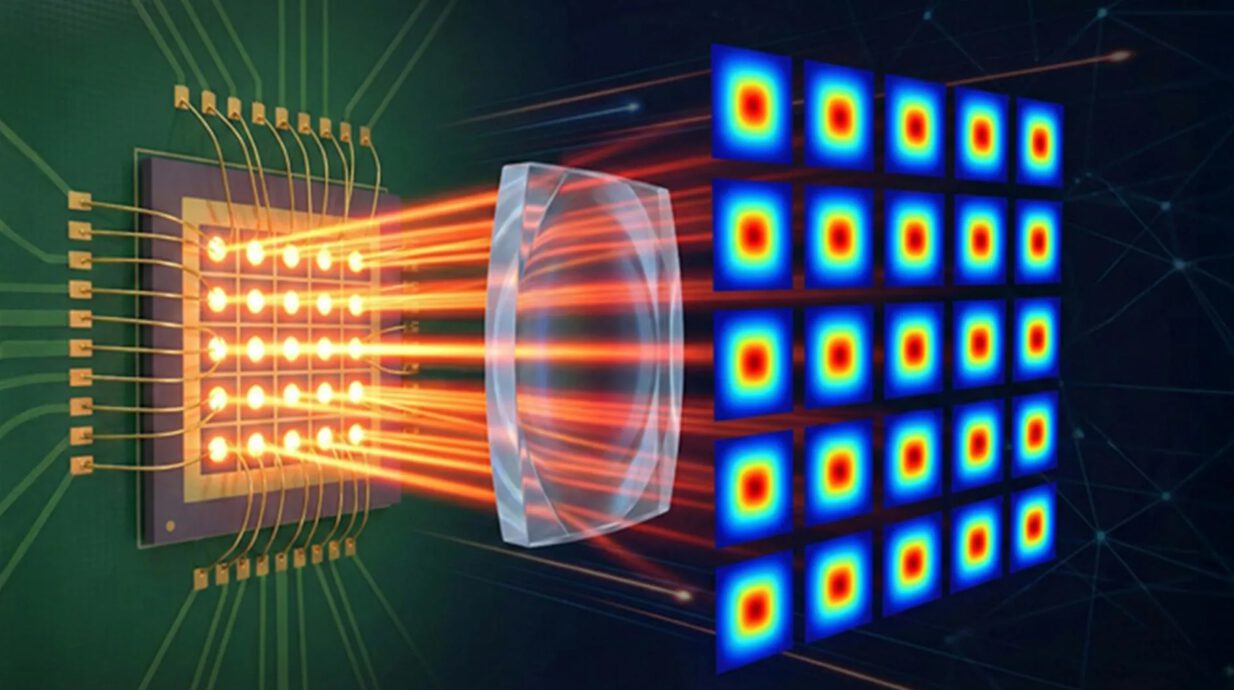
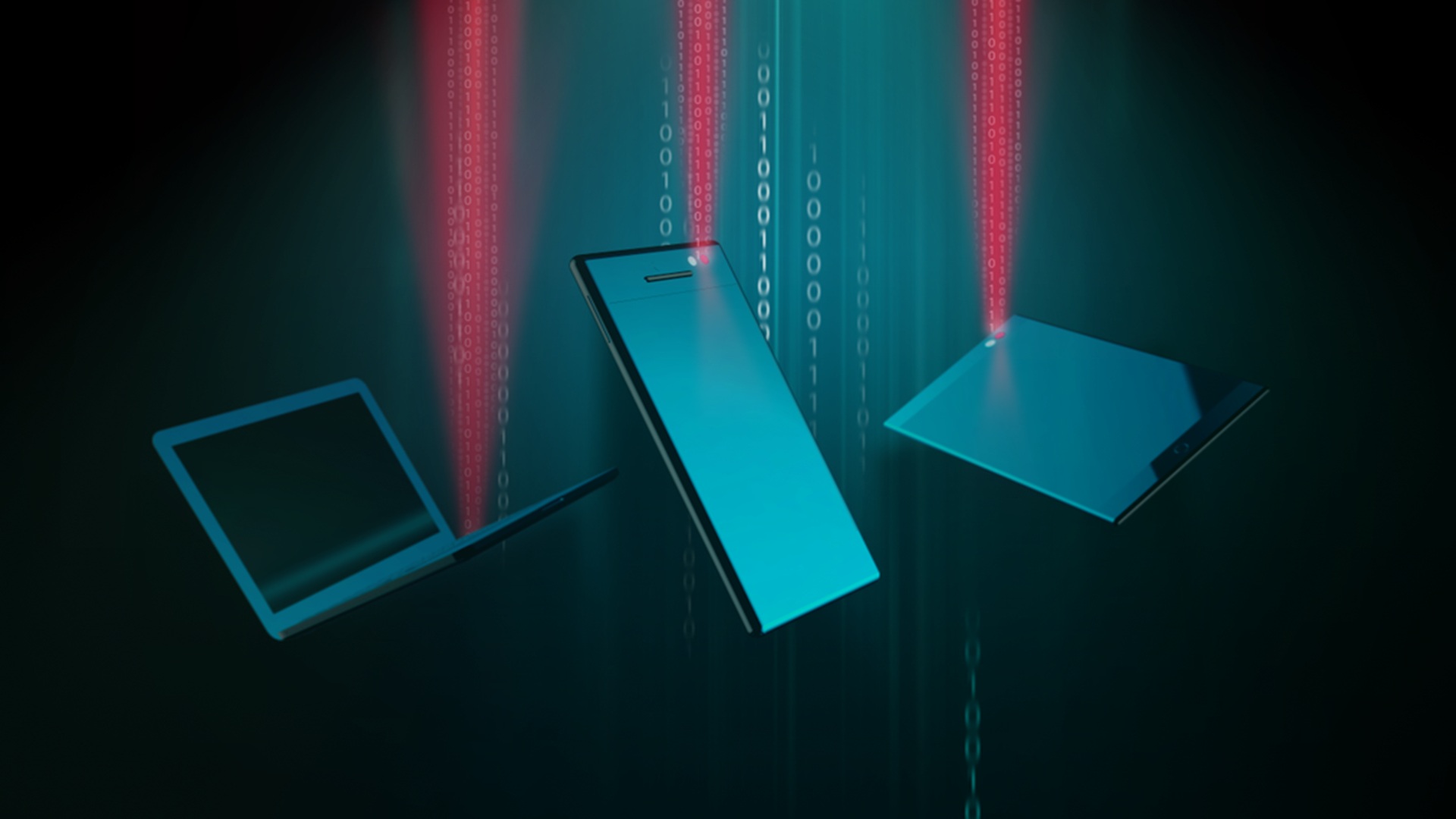
The emitter is an LED lamp that integrates a chip which modulates the light intensity at extremely high speeds, switching on and off millions of times per second. This flickering is invisible to the human eye, but it encodes data into "ones" and "zeros" at breakneck speed. Devices such as mobile phones or laptops need a small photoreceptor that detects these light changes and decodes them into data. This system is bidirectional: while the lamp's light sends data to the device, the device typically uses an infrared light beam to send information back to the lamp.
El emisor es una lámpara LED que integra un chip que modula la intensidad de la luz a velocidades altísimas, encendiéndose y apagándose millones de veces por segundo. Este parpadeo es invisible al ojo humano, pero codifica datos en "unos" y "ceros" a una velocidad vertiginosa. Los dispositivos como móviles o portátiles, necesitan un pequeño fotorreceptor que capta esos cambios de luz y los decodifica en datos. Este sistema es bidireccional, mientras la luz de la lámpara envía datos al dispositivo, este suele usar un haz de luz infrarroja para enviar información de vuelta a la lámpara.
Source
This technology offers significant advantages. The visible light spectrum is 10,000 times larger than that of radio waves. This allows for incredibly fast speeds and eliminates network congestion, even with many connected devices. Because light doesn't penetrate walls, if you're in a room with Li-Fi, the signal doesn't escape. This makes it virtually impossible to hack from the outside, ideal for banks, government ministries, or data centers. It doesn't interfere with other electronic equipment, making it perfect for hospitals, airplanes, or industrial plants.
Esta tecnología ofrece ventajas muy significativas. El espectro de la luz visible es 10.000 veces más grande que el de las ondas de radio. Esto permite velocidades brutales y elimina la saturación de la red, incluso cuando hay muchos dispositivos conectados. Como la luz no atraviesa las paredes, si estás en una sala con Li-Fi, la señal no sale de ahí. Esto hace que sea prácticamente imposible de hackear desde fuera, ideal para bancos, ministerios o centros de datos. No interfiere con otros equipos electrónicos por lo que es perfecto para hospitales, aviones o plantas industriales.
It utilizes existing LED lighting infrastructure, and any light bulb can be transformed into a router for a small additional cost, combining light and connectivity in a single device.
However, despite its potential, Li-Fi is not perfect, nor does it aim to "kill" Wi-Fi, but rather to complement it. Its main challenges are: It doesn't work in the dark; the light must be on. Although one variant uses infrared to overcome this, the light emitter still needs to be active. If you cover the sensor with your hand, put your phone in your pocket, or leave the room, you lose coverage. You can't move around freely like you can with Wi-Fi.
Utiliza la infraestructura de iluminación LED que ya existe y cualquier bombilla puede convertirse en un router por un coste adicional bajo, combinando la luz y la conexión en un mismo dispositivo.
Pero, a pesar de su potencial, el Li-Fi no es perfecto ni busca "matar" al Wi-Fi, sino complementarlo. Sus principales retos son: No funciona a oscuras, la luz debe estar encendida, aunque una variante usa infrarrojos para solucionar esto, la emisora de luz necesita estar activa. Si tapas el sensor con la mano, metes el móvil en el bolsillo o sales de la habitación, te quedas sin cobertura. No se puede mover uno libremente como con el Wi-Fi.
Source
It's only for indoor use; outdoors in direct sunlight, interference is massive, and the shadow of a tree blocks the signal. To use it, mobile phones and laptops need a specific receiver. Although the first integrated devices are expected around 2025-2026, today they are rare or require special cases. The future of Li-Fi is that of a luxury complement to Wi-Fi, not its replacement. It will be used in places where Wi-Fi "cannot" or "should not" be used today due to interference or security risks, such as hospitals, airplanes, submarines, or industrial environments.
Es solo para interiores, en el exterior con luz solar directa las interferencias son masivas y la sombra de un árbol bloquea la señal. Para usarlo, los móviles y portátiles necesitan el receptor específico. Aunque ya se esperan los primeros dispositivos integrados hacia 2025-2026, hoy en día son una rareza o requieren fundas especiales. El futuro del Li-Fi es el de un complemento de lujo para el Wi-Fi, no su sustituto. Se usará en lugares donde el Wi-Fi "no puede" o "no debe" entrar hoy por interferencias o riesgos de seguridad, como en hospitales, aviones, submarinos o entornos industriales.
It's considered a key component for 6G. Imagine a stadium or conference where Wi-Fi collapses; with Li-Fi, each light source could provide high-speed internet to thousands of people without becoming overloaded. Most likely, your future router will be a hybrid system: Wi-Fi for moving around the house and Li-Fi in the living room or office for gaming, watching 8K series, or making video calls with maximum security and speed, as long as you're seated under the light. It's a disruptive technology that solves the major problems of Wi-Fi overload and security, but it sacrifices freedom of movement because it's tied to the light source.
Se considera una pieza clave para la 6G. en un estadio o una conferencia donde el Wi-Fi colapsa; con Li-Fi, cada foco de luz daría alta velocidad a miles de personas sin saturarse. Lo más probable es que tu futuro router sea un sistema híbrido: Wi-Fi para moverte por toda la casa y Li-Fi en el salón o la oficina para jugar, ver series en 8K o videollamadas con máxima seguridad y velocidad, siempre que estés sentado bajo la luz. Es una tecnología disruptiva que resuelve los grandes problemas de saturación y seguridad del Wi-Fi, pero que sacrifica la libertad de movimiento al estar atada a la luz.
More information/Más información
https://en.clickpetroleoegas.com.br/wi-fis-days-are-numbered-new-technology-uses-21-lasers-to-transmit-internet-at-an-incredible-362-gbps-consumes-50-less-energy-than-wi-fi-6-a-afch/