Live fungi to create self-repairing, self-cleaning fabrics with sun protection/Hongos vivos para crear tejidos autorreparables, autolimpiables y con protección solar

Source
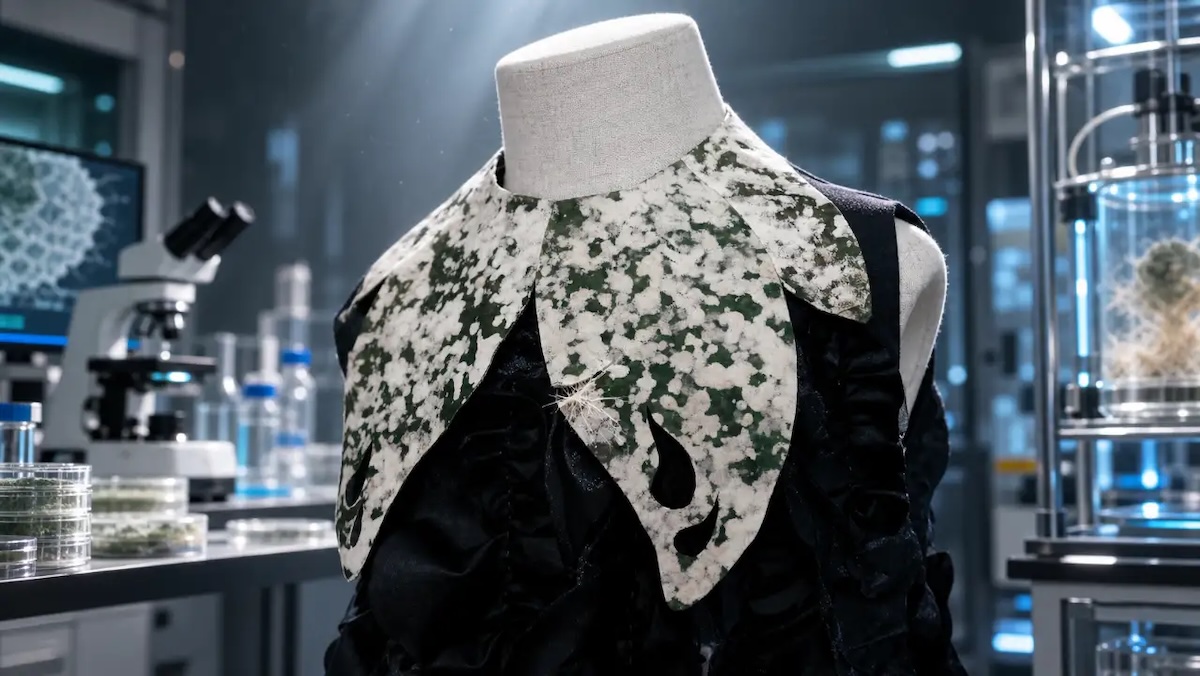
A team from the Shenzhen Institute of Advanced Technology (SIAT) has created a "living textile" from the mycelium of the Cordyceps militaris fungus. The results of their study, a milestone in the field of programmable living materials, were published in the prestigious journal Science Advances. Unlike other mycelium materials used today (as alternatives to leather), which are "dead biomaterials" because the fungus is eliminated during processing, this team managed to keep it alive and metabolically active.
Un equipo del Instituto de Tecnología Avanzada de Shenzhen (SIAT), ha creado un "textil vivo" a partir del micelio del hongo Cordyceps militaris. Los resultados de su estudio, un hito en el campo de los materiales vivos programables, fueron publicados en la prestigiosa revista Science Advances. A diferencia de otros materiales de micelio que se usan hoy en día (como alternativas al cuero), que son "biomateriales muertos" porque el hongo se elimina durante su procesamiento, este equipo logró mantenerlo vivo y metabólicamente activo.
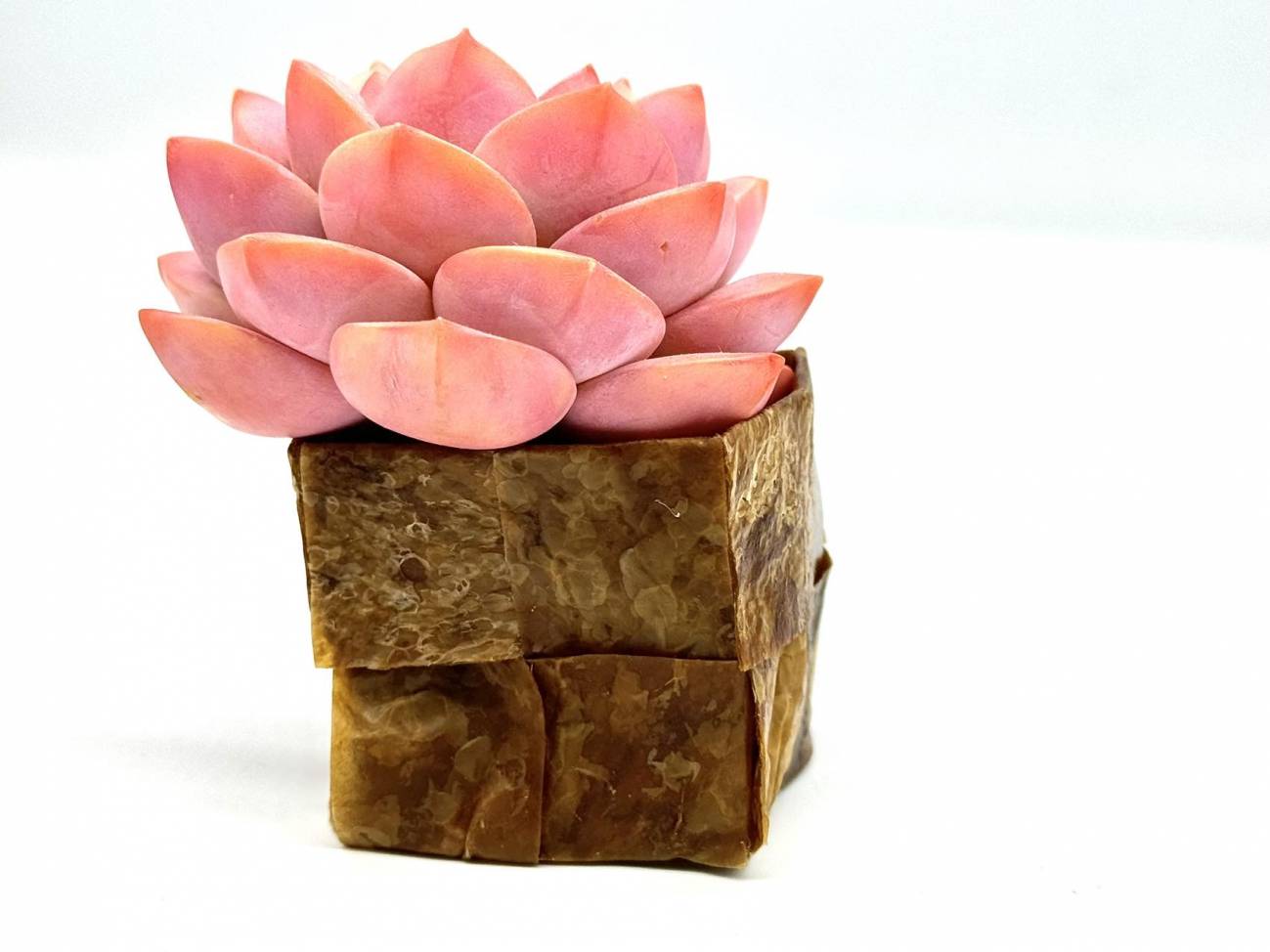
First, they cultivate the fungus in a liquid broth, where it forms small, spherical pellets of interwoven hyphae. These pellets are placed in a mold and, as they dry gently, fuse naturally to form a solid, resistant sheet, without the need for adhesives or additional structures. The initial material is rigid and brittle. To remedy this, they soak it in glycerol. This acts as a plasticizer, breaking some of the bonds between the fibers and making the sheet as flexible as fabric or leather, without killing the fungus. A rope made of this material was able to withstand 1 kg of weight.
Primero cultivan el hongo en un caldo líquido, donde forma pequeñas bolitas esféricas (pellets) de hifas entrelazadas. Estas bolitas se colocan en un molde y, al secarse suavemente, se fusionan de forma natural para formar una lámina sólida y resistente, sin necesidad de adhesivos o estructuras adicionales. El material inicial es rígido y quebradizo. Para solucionarlo, lo sumergen en glicerol. Este actúa como plastificante, rompiendo algunos enlaces entre las fibras y haciendo la lámina tan flexible como una tela o un cuero, sin matar al hongo. Una cuerda hecha de este material pudo soportar 1 kg de peso.
Source
If the tissue is torn, it can be "healed" by applying a little water and pellets of fresh mycelium to the damaged area. The dormant hyphae reactivate and reweave the material, joining the pieces together in a few days. By adding nutrients to certain areas, the fungus responds by growing in patterns. Furthermore, the team has integrated other microorganisms to give it additional functions. They introduced genetically modified yeasts that produce colored pigments (blue, red, orange, purple) directly into the material, avoiding the use of polluting chemical dyes.
Si el tejido se rompe, se puede "curar" depositando un poco de agua y bolitas de micelio fresco en la zona dañada. Las hifas dormidas se reactivan y vuelven a tejer el material, uniendo las partes en pocos días. Al añadir nutrientes en ciertas zonas, el hongo responde creciendo en patrones. Además, el equipo ha integrado otros microorganismos para darle funciones extra. Introdujeron levaduras modificadas genéticamente que generan pigmentos de colores (azul, rojo, naranja, morado) directamente en el material, evitando los tintes químicos contaminantes.
They also incorporated Aspergillus niger, a fungus that produces melanin and forms a layer that absorbs ultraviolet rays. In soil composting tests, the material degraded almost completely in just over 40 days. This is a huge advantage over synthetic plastics (which take centuries) and even cotton, which takes several months. Although it is currently only a laboratory prototype and only a skirt and demonstration butterflies have been created, the potential impact of this development could be enormous in several fields.
Incorporaron también Aspergillus niger, un hongo que produce melanina y forma una capa que absorbe los rayos ultravioleta. En pruebas de compostaje en suelo, el material se degradó casi por completo en poco más de 40 días . Esto es una enorme ventaja frente a los plásticos sintéticos (que tardan siglos) e incluso frente al algodón, que tarda varios meses. Aunque por ahora es solamente un prototipo de laboratorio y solo se han creado una falda y mariposas de demostración, el impacto potencial de este desarrollo puede ser enorme en varios campos.
Source
The textile industry is one of the world's biggest polluters. A material that is grown, dyed bio-based, and degrades in weeks could revolutionize the concept of "circular fashion." But a dress that decomposes in 41 days in the soil doesn't seem very practical for everyday use. Researchers will have to find the right balance so that products last as long as needed and only degrade at the end of their useful life. In biomedicine, this could be the first real market. Dressings, bandages, or patches that "self-heal" on the wound, protect from UV rays, and once they've served their purpose, biodegrade without leaving any residue.
La industria textil es una de las más contaminantes del mundo. Un material que se cultiva, se tiñe de forma biológica y se degrada en semanas podría revolucionar el concepto de "moda circular". Pero un vestido que se descompone en 41 días en el suelo no parece muy práctico para el uso diario. Los investigadores deberán encontrar el equilibrio para que los productos duren el tiempo necesario y se degraden solo al final de su vida útil. En biomedicina, este podría ser el primer mercado real. Apósitos, vendas o parches que se "autocuran" sobre la herida, protegen de los rayos UV y una vez cumplida su función, se biodegradan sin dejar residuos.
The researchers themselves are well aware of the challenges, as the material is in a very early stage of development. Keeping the material alive poses problems with storage, contamination control, and, above all, preventing it from degrading during use (for example, with humidity and sweat). They need to improve production consistency, abrasion resistance, and, a key aspect for clothing, washability. Nobody wants a shirt that starts to grow or fall apart in the washing machine. Furthermore, production costs are still high, although the researchers believe they could be reduced by using agricultural waste as food for the fungus.
Los propios investigadores son muy conscientes de los retos, ya que el material está en fase muy temprana. Mantener vivo el material plantea problemas de almacenamiento, control de contaminación y, sobre todo, que no se degrade mientras se está usando (por ejemplo, con la humedad y el sudor). Necesitan mejorar la consistencia de la producción, la resistencia a la abrasión y, un aspecto clave para la ropa, la lavabilidad. Nadie quiere una camisa que empiece a crecer o a deshacerse en la lavadora. Además, los costes de producción aún son altos, aunque los investigadores creen que se podrían abaratar usando residuos agrícolas como alimento para el hongo.
More information/Más información
https://techtonic-times.github.io/s/living-fabric-plastic-textiles-3107.html
Es interesante, pero hay una parte de mí que siente un escalofrío con la idea de estar vistiendo un grupo de organismos vivos... y me da como que la idea de que los hongos podrían tener la mala suerte de mutar de alguna manera y empezar a considerarme su alimento.
Eso suena como la idea central para una versión remake de la vieja película de horror de 1988 en la que una masa amorfa de algo que parecía una colonia de hongos conscientes se desató sobre una pequeña población y comenzó a devorar a toda la gente sin que ellos entendieran qué era lo que los estaba matando.
El nombre de la película era "The Blob", aunque yo la recuerdo como "La mancha voraz" y creo que la volví a ver en un canal por cable hace años con el título de "El terror no tiene forma" o algo en ese estilo.
The question is how safe it is to use fungus on the body if bandages, diapers, toilet paper, washing cloths included
Good observation.
This breakthrough is very interesting. Textiles that can self-repair, protect against UV rays and decompose could revolutionize fashion and medicine. The major problem is to make them sufficiently resistant for daily use without losing their ecological properties. Thank you for sharing this interesting research!
Leí tu post y me quedé pensando un buen rato después. Hay una honestidad en tu forma de escribir que se nota distinta.
Interesante lo que planteás. Siempre es bueno leer análisis que van más allá del titular.
Tipo, la comunidad está cambiando un montón. Hace un año esto no se veía así para nada.
@mauromar, me gustó la sinceridad con la que escribiste. No hay nada más poderoso que alguien que habla desde lo que vivió.