Method using drones and AI that reduces traffic jams and saves fuel in the city/Método con drones e IA que reduce atascos y ahorra combustible en ciudad
Source
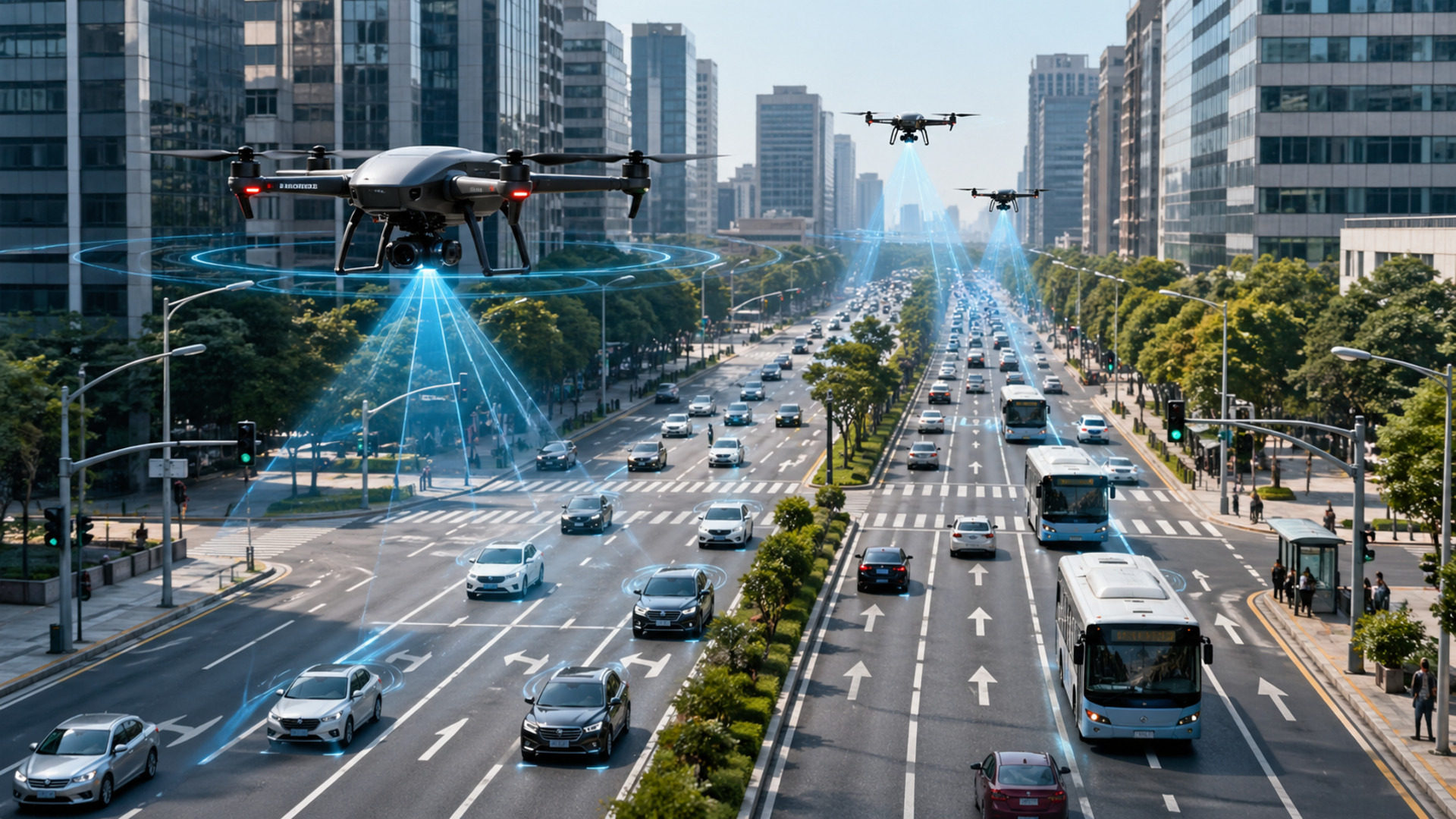
A team of researchers from the École Polytechnique Fédérale de Lausanne (EPFL) in Switzerland has developed a system that combines drones and artificial intelligence to analyze and optimize urban traffic from a completely new perspective. Called MobiLysis, it's a traffic management platform that uses fleets of drones to observe the movement of vehicles, pedestrians, and other road users from the air. Unlike traditional systems that use fixed cameras, sensors embedded in the asphalt, or GPS, drones offer a comprehensive view of large areas of the city.
Un equipo de investigadores de la École Polytechnique Fédérale de Lausanne de Suiza(EPFL), han desarrollado un sistema que combina drones e inteligencia artificial para analizar y optimizar el tráfico urbano desde una perspectiva completamente nueva. Su nombre es MobiLysis y se trata de una plataforma de gestión de tráfico que utiliza flotas de drones para observar la circulación de vehículos, peatones y otros actores viales desde el aire. A diferencia de los sistemas tradicionales que utilizan cámaras fijas, sensores en el asfalto o GPS, los drones ofrecen una visión global de grandes extensiones de la ciudad.
One or more drones are deployed to fly over a specific area, recording traffic from above. To protect privacy, the cameras are configured not to read license plates or recognize faces; they focus on identifying vehicles by their shape, size, and color. The videos are processed with AI algorithms capable of tracking the precise trajectory of hundreds of vehicles simultaneously. This allows for the collection of data that other systems cannot: from origin and destination points to exact routes, lane changes, and dangerous interactions between cars, bicycles, and pedestrians.
Se despliega uno o varios drones que sobrevuelan una zona específica, grabando el tráfico desde las alturas. Para proteger la privacidad, las cámaras están configuradas para no poder leer matrículas ni reconocer rostros; se centran en identificar vehículos por su forma, tamaño y color. Los vídeos se procesan con algoritmos de IA que son capaces de seguir la trayectoria precisa de cientos de vehículos simultáneamente. Esto permite obtener datos que otros sistemas no pueden: desde los puntos de origen y destino, hasta las rutas exactas, cambios de carril o interacciones peligrosas entre coches, bicicletas y peatones.
Source
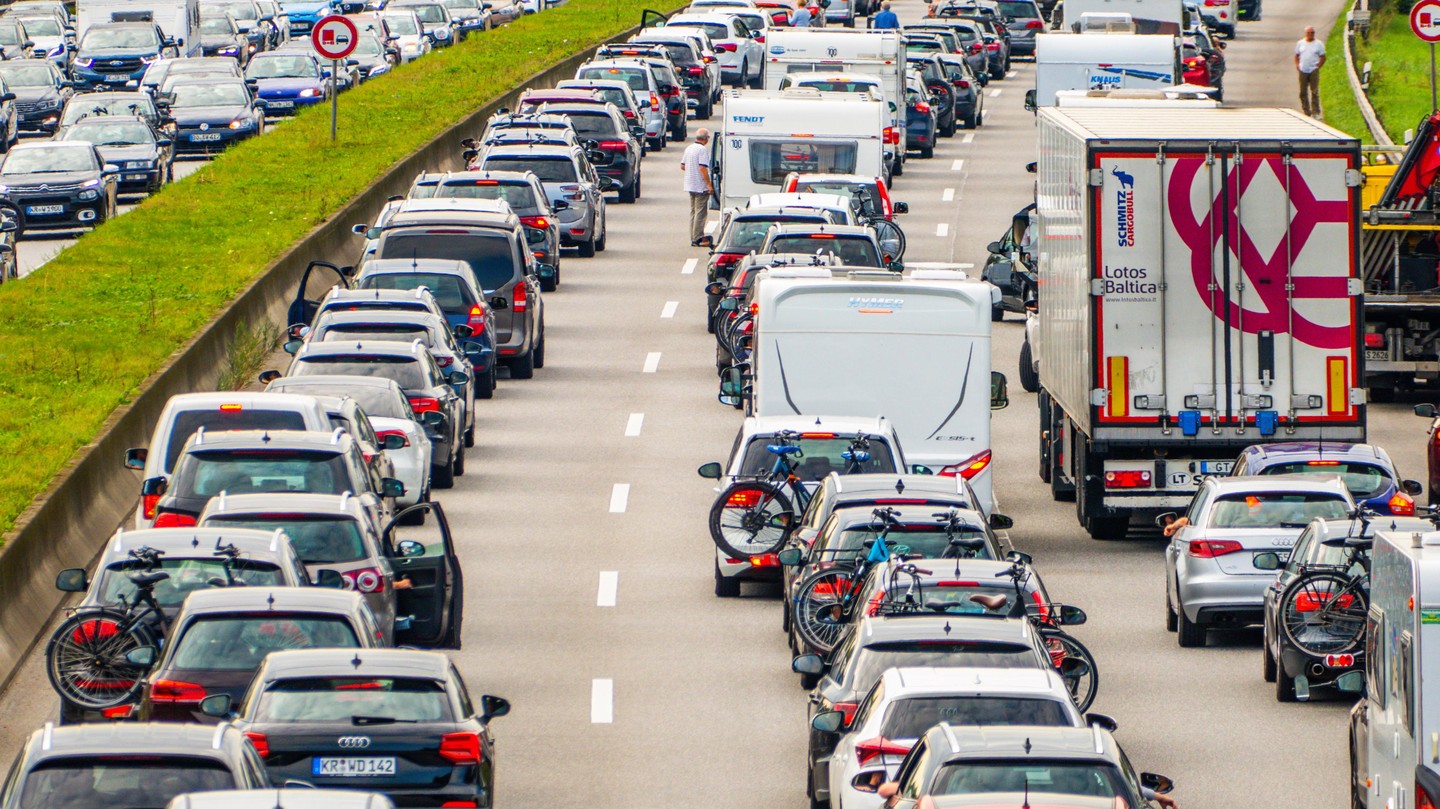
With this data, the root causes of traffic jams are identified, not just their symptoms. The system allows traffic engineers to simulate solutions and implement very specific changes, such as prohibiting a problematic left turn at an intersection, adjusting traffic light timings at various intersections to improve flow, or redesigning a street or prioritizing public transport on a particular route. This advancement has the potential to transform urban mobility, and while it offers significant benefits, it also presents challenges that must be considered.
Con estos datos, se identifican las causas raíz de los atascos, no solo sus síntomas . El sistema permite a los ingenieros de tráfico simular soluciones y aplicar cambios muy específicos, como prohibir un giro a la izquierda problemático en un cruce, ajustar los tiempos de los semáforos en varios cruces para mejorar el flujo o rediseñar una calle o priorizar el transporte público en un eje concreto. Este avance tiene el potencial de transformar la movilidad urbana y aunque ofrece grandes beneficios, también plantea desafíos a considerar.
The main benefits would be fuel savings and reduced emissions. By reducing stop-and-go traffic in congestion, potential fuel savings of up to 20% are estimated. This translates into lower CO2 emissions and improved air quality. The goal is to achieve smoother traffic flow without building new lanes or widening streets, simply by optimizing existing infrastructure. It allows for the identification and prevention of bottlenecks before major traffic jams form, as well as the detection of accidents so that authorities can react more quickly.
Los beneficios principales serían el ahorro de combustible y la reducción de emisiones. Al reducir las paradas y los arranques constantes en los atascos, se estima un ahorro potencial de hasta un 20% en el consumo de combustible . Esto se traduce en menores emisiones de CO2 y una mejora en la calidad del aire. El objetivo es lograr una circulación más fluida sin necesidad de construir nuevos carriles o ampliar calles, simplemente optimizando la infraestructura existente. Permite identificar y prevenir cuellos de botella antes de que se formen grandes atascos, además de detectar accidentes para que las autoridades puedan reaccionar con mayor rapidez.

Source
In this system, the most critical issue is public privacy. Although researchers claim that the technology anonymizes data, the fact that drones can observe public spaces in detail raises legitimate concerns about mass surveillance. Authorities will need to establish very clear legal frameworks and define regulations for drone use in urban environments, ensuring they do not pose a risk to pedestrians or other aircraft.
En este sistema el punto más crítico es la privacidad de la población. Aunque los investigadores afirman que la tecnología anonimiza los datos, el hecho de que los drones puedan observar en detalle el espacio público genera legítimas preocupaciones sobre la vigilancia masiva. Las autoridades deberán establecer marcos legales muy claros al respecto y será necesario definir normativas para el uso de drones en entornos urbanos, garantizando que no supongan un riesgo para los peatones u otros vehículos aéreos.
Personally, I think that, deep down, it's just another system to keep us under control. Europe loves all that, which is why it wants to implement the digital euro (which is a digital banknote) and have a camera to track every citizen. Besides, supposedly in four days cars will be autonomous, there won't be any traffic jams, and pedestrians will be safe, so why waste time and money on a system that could become obsolete and useless before it's even fully deployed? Like I said, it reeks of a thirst for control.
Personalmente creo que, en el fondo, es un sistema más para tenernos controlados, a Europa le encanta todo eso y por eso quiere implementar el euro digital (que es una cartilla de razonamiento digital) y tener una cámara para seguir a cada ciudadano. Además, se supone que en cuatro días los autos serán autónomos y no se producirá ningún atasco y los peatones estarán a salvo, para que gastar tiempo y dinero en un sistema que podría quedarse obsoleto e inservible antes de terminar su despliegue. Lo dicho, apesta a ansias de control.
More information/Más información
https://en.clickpetroleoegas.com.br/smart-traffic-with-drones-and-ai-promises-to-reduce-congestion-and-save-up-to-20-on-fuel-in-cities-without-widening-streets-flpc96/
I find it fascinating how MobiLysis, a genuine spin-off from EPFL, is leveraging drones and AI to gather more accurate traffic data compared to traditional fixed sensors. The potential to identify root causes and achieve around 20% fuel savings without the need to expand roads is quite compelling. However, it's essential to prioritize privacy regulations, ensuring that any data collection is targeted and temporary. While autonomous vehicles will require time to become mainstream, solutions like this can already make a positive impact. It seems like a responsible approach to consider piloting such initiatives.