What is Starbase Brewing?/¿Que es Starbase Brewing?
Source
For decades, scientists believed that humans transitioned from hunter-gatherers to farmers to make bread. But today, many scientists, like archaeologist Patrick McGovern (the "Indiana Jones of beverages"), argue that beer was the primary driver. Making bread with wild grains is complicated, but making beer only requires germinating and grinding barley grains, soaking them in water, and waiting for fermentation. It was easier, and the resulting liquid was safer to drink than contaminated river water.
Durante décadas los científicos han creído que el ser humano pasó de ser cazador-recolector a agricultor para hacer pan. Pero hoy en día muchos científicos, como el arqueólogo Patrick McGovern (el "Indiana Jones de las bebidas"), sostienen que la cerveza fue el motor principal. Hacer pan con granos silvestres es complicado, pero para hacer cerveza solo se necesita hacer germinar y moler granos de cebada, dejarlos en agua y esperar a que fermenten. Era más fácil y, además, el líquido resultante era más seguro para beber que el agua contaminada de los ríos.
Early beer wasn't like it is today; it was a fermented, bubbly porridge. Historians believe that the "euphoria" and caloric value of this beverage gave humans the perfect incentive to stay in one place, plant grains, and build the first permanent settlements. At the Göbekli Tepe site (in Turkey, dating back some 11,000 years), stone fragments have been found with markings suggesting they were used for fermenting grains. It seems logical to think that after a few beers, one wouldn't be very inclined to chase animals.
La cerveza primitiva no era como la de ahora; era una papilla fermentada con burbujas. Los historiadores creen que la "euforia" y el valor calórico de esta bebida dieron a los humanos el incentivo perfecto para quedarse en un lugar, plantar granos y construir los primeros asentamientos permanentes. En el yacimiento de Göbekli Tepe (en Turquía, hace unos 11.000 años), se han encontrado restos de piedras con marcas que sugieren que se usaban para fermentar granos. Parece lógico pensar que, después de tomarse unas cervezas, no apetece mucho perseguir bichos.
<a href="https://starbasebrewery.com/"
Source
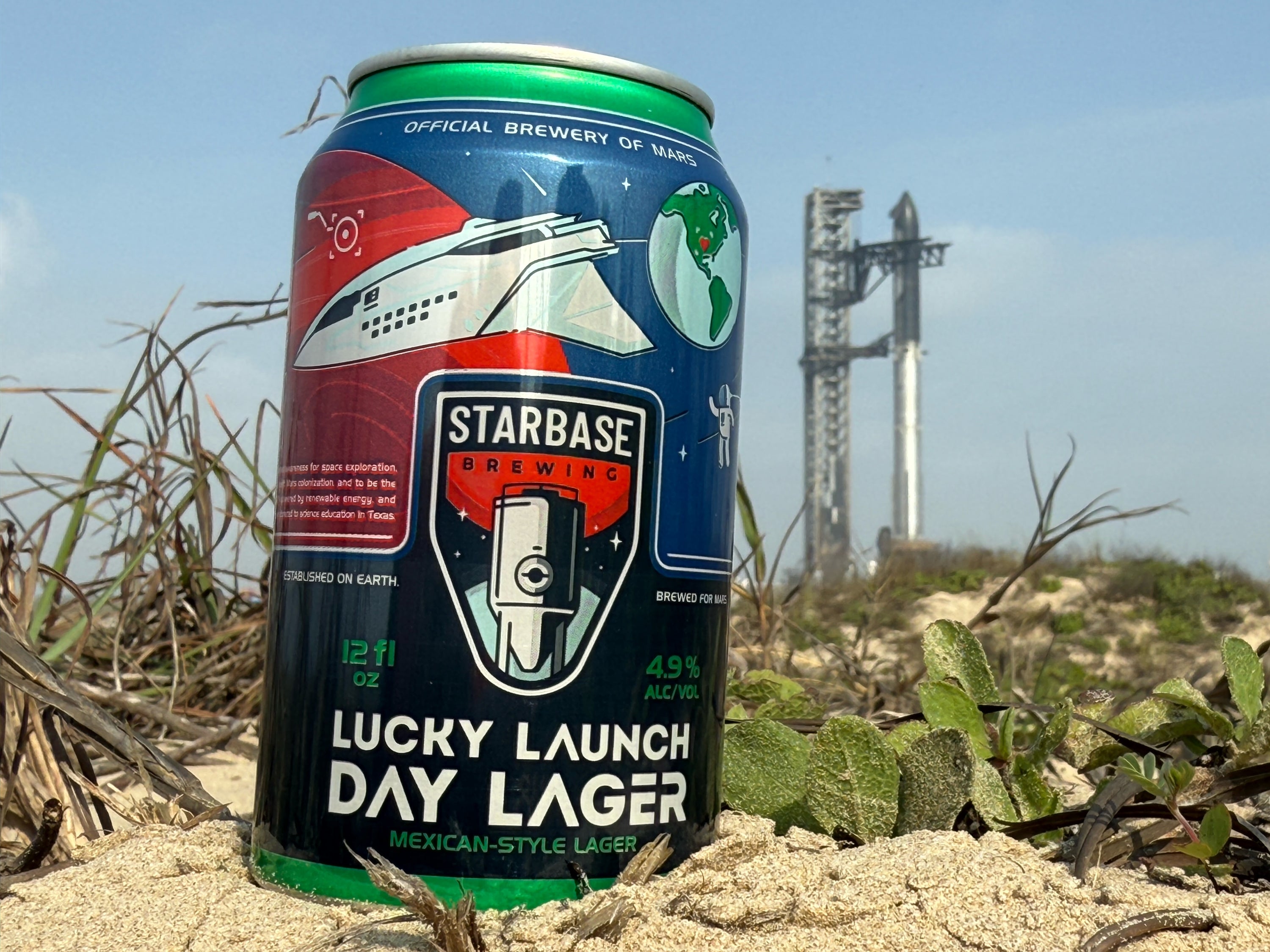
This is precisely why Starbase Brewing's philosophy makes perfect sense: if beer helped found the first cities on Earth, why wouldn't it be the spark that helps found the first colonies on Mars? The idea is that, for humans to live off-planet, they will need to recreate not only food, but also the rituals and social pleasures that make us human... and beer is one of the oldest. Starbase Brewing is a Texas craft brewery with an ambitious mission: to become the first beer to reach Mars and establish the first brewery there.
Justamente por esto, la filosofía de Starbase Brewing cobra mucho sentido: si la cerveza ayudó a fundar las primeras ciudades en la Tierra, ¿por qué no iba a ser la chispa que ayude a fundar las primeras colonias en Marte? La idea es que, para que los humanos vivan fuera de nuestro planeta, necesitarán recrear no solo la comida, sino también los rituales y placeres sociales que nos hacen humanos... y la cerveza es uno de los más antiguos. Starbase Brewing es una cervecera artesanal de Texas con una misión ambiciosa: convertirse en la primera cerveza en llegar a Marte y establecer allí la primera fábrica de cerveza .
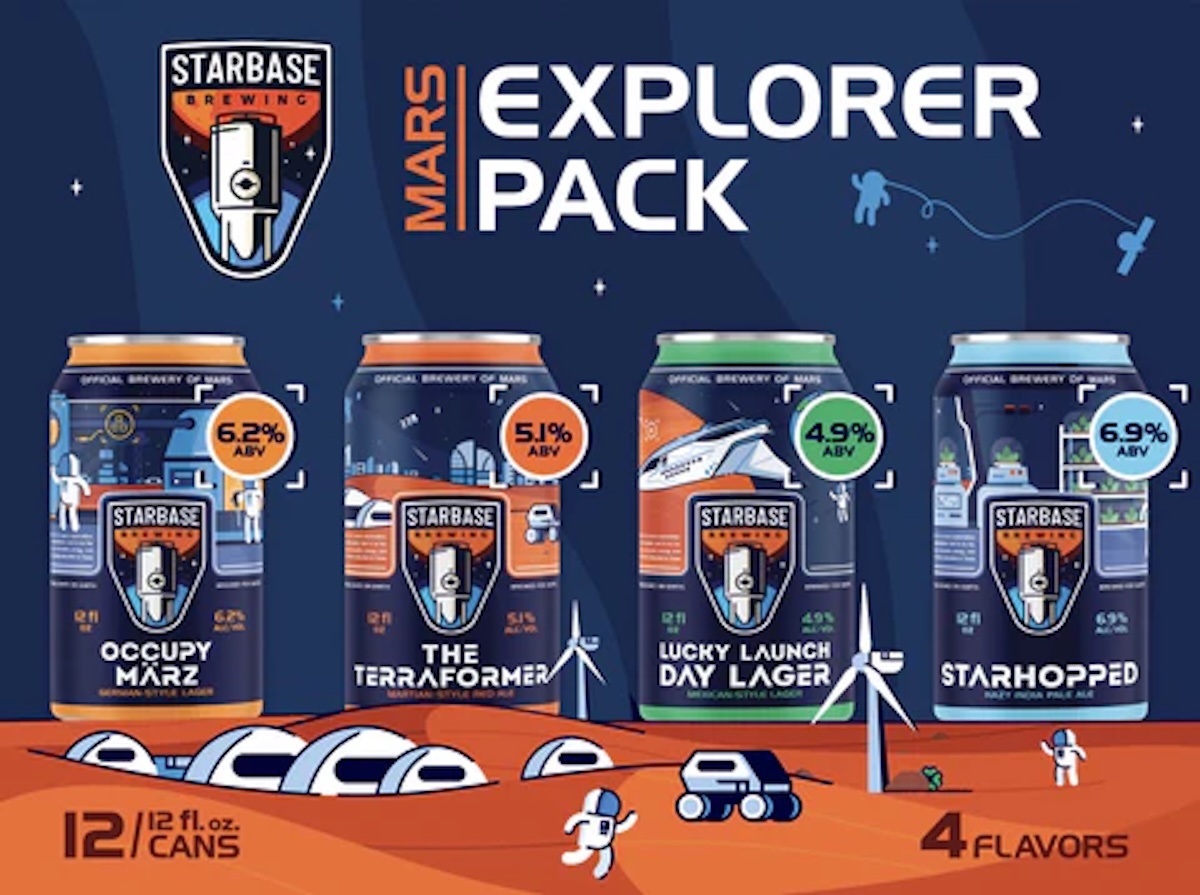
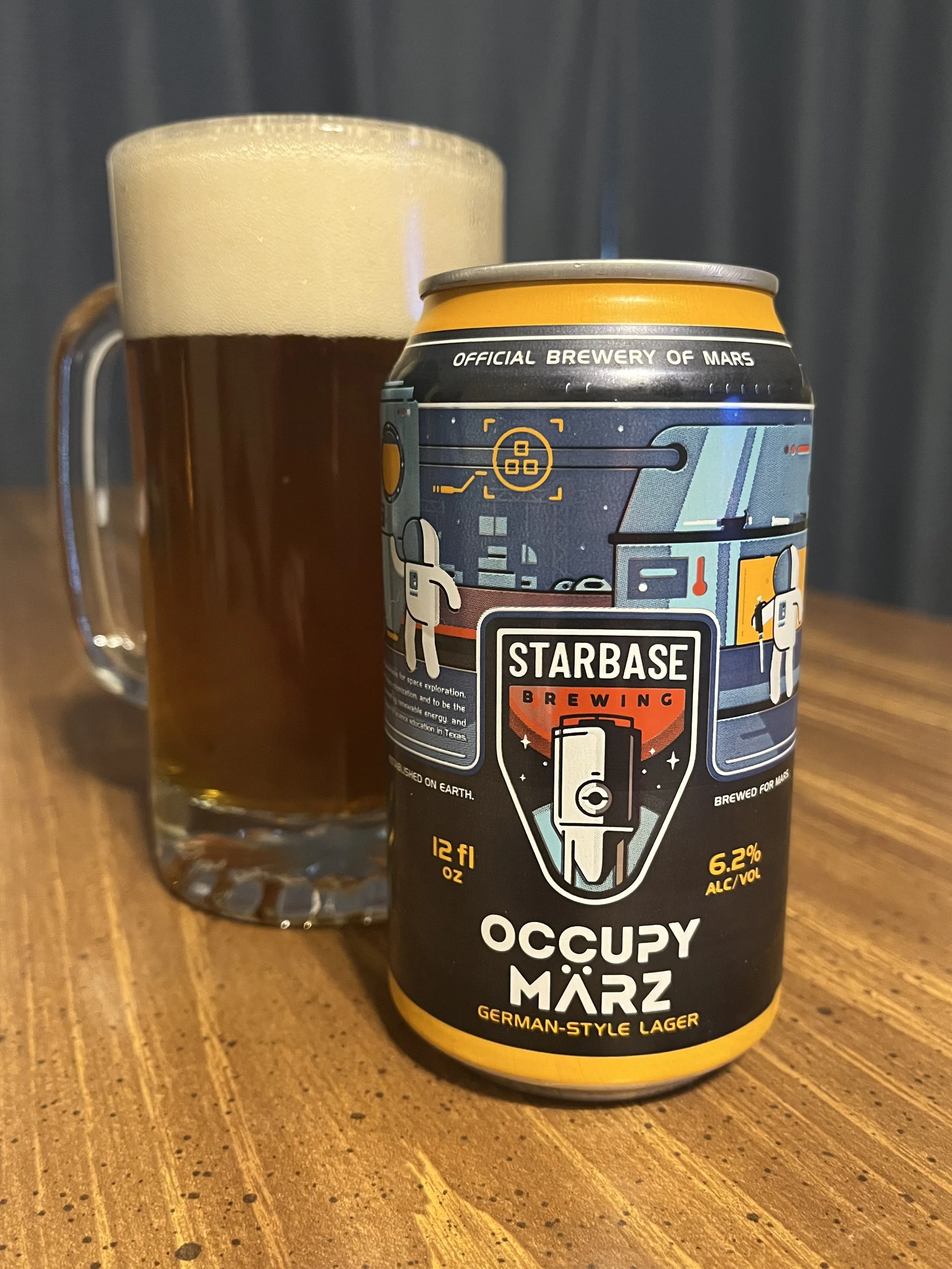
Their project goes beyond Earth, combining a passion for space exploration with science. They've conducted experiments on the International Space Station, such as MicroBrew-1, the first attempt to ferment beer in space, and OASIS, to grow barley in simulated Martian soil. Although production is terrestrial, their founder, Nate Argroves, was inspired by the advancement of the space industry in Texas. Their beers, which you can find in stores in Texas and Florida, have names that play on space culture, like "Starhopped" (an IPA) or "Occupy Marz" (a lager).
Su proyecto va más allá de la Tierra, combinando la pasión por la exploración espacial con la ciencia. Han llevado a cabo experimentos en la Estación Espacial Internacional, como el MicroBrew-1, el primer intento de fermentar cerveza en el espacio, y el OASIS, para cultivar cebada en suelo marciano simulado. Aunque la producción es terrenal, su fundador, Nate Argroves, se inspiró en el avance de la industria espacial en Texas. Sus cervezas, que puedes encontrar en tiendas de Texas y Florida, llevan nombres que juegan con la cultura espacial, como "Starhopped" (una IPA) o "Occupy Marz" (una lager).
Source
Starbase Brewing operates on two combined fronts: terrestrial commercialization and space R&D, such as the microgravity fermentation research aboard the International Space Station (ISS) mentioned earlier. In this research, they mixed beer wort and yeast in orbit to analyze how microgravity and cosmic radiation affect yeast behavior and the chemical process of fermentation. In collaboration with Texas A&M AgriLife University, they are investigating how to grow barley on the Moon and Mars, using organic malt residue from brewing, mixed with simulated Martian regolith and beneficial bacteria to transform sterile Martian dust into fertile soil.
Starbase Brewing opera en dos frentes combinados: la comercialización terrestre y la I+D espacial, como la investigación de fermentación en microgravedad a bordo de la Estación Espacial Internacional (ISS) mencionada anteriormente, en la que mezclaron mosto de cerveza y levadura en órbita para analizar cómo afectan la microgravedad y la radiación cósmica al comportamiento de las levaduras y al proceso químico de fermentación. En colaboración con la universidad Texas A&M AgriLife, investigan cómo cultivar cebada en la Luna y Marte, utilizando los residuos orgánicos de malta tras elaborar cerveza, mezclado con simulación de regolito marciano y bacterias beneficiosas para transformar el polvo estéril de Marte en suelo fértil.
Evaluating the project from a scientific and logistical perspective, the chances of success depend on several technical and human factors. In the early stages of a colony, every liter of water and every watt of energy will be allocated to air, drinking water, heat, and basic energy crops before alcoholic beverages. Producing beer on a large scale will require gigantic pressurized structures and greenhouses shielded from radiation. But there is no doubt that this is a first step toward being able to install bars on the Moon and Mars.
Evaluando el proyecto desde una perspectiva científica y logística, las posibilidades de éxito dependen de varios factores técnicos y humanos. En las primeras etapas de una colonia, cada litro de agua y cada vatio de energía se destinarán a aire, agua potable, calor y cultivos calóricos básicos antes que a bebidas con alcohol. Producir cerveza a gran escala requerirá estructuras presurizadas gigantescas e invernaderos protegidos de la radiación. Pero no cabe duda de que esto es un primer paso para poder instalar bares en la Luna y Marte.
More information/Más información
https://starbasebrewery.com/pages/starbase-beers-austin-texas-brewery
This is a fascinating thought! It is amazing how even a typical drink can inspire research in the domain of sustainability on other planets. Although natural resources vital for life on Mars, such as food, water, and air, will always be the issues of primary interest, such experiments are useful in finding out the ways of growing crops, making drinks, and simply living on other planets. A very good article—thank you, it is a great combination of scientific information and narrative flow!
Note: my comment favors only the ideology,the technology behind it and the one step up; also those who use this beer drink otherwise, not personally means it's free to use the beer drink without your view @ HEART!
0.00 SBD,
0.80 STEEM,
0.80 SP