World's most powerful electric tug reduces emissions by 90%/Remolcador eléctrico más potente del mundo reduce las emisiones en un 90%
Source
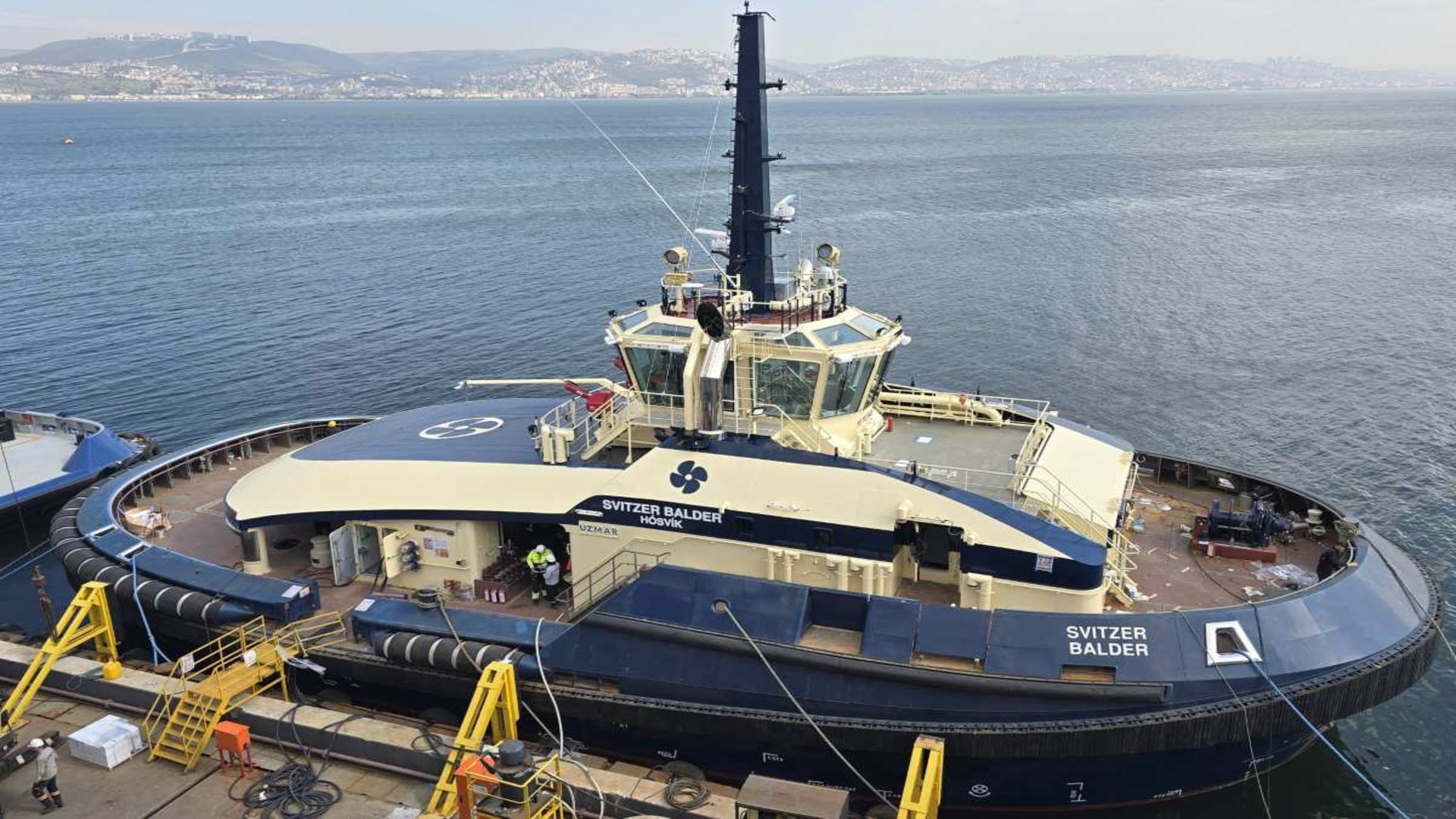
The maritime transport sector, along with aviation, is quite difficult to electrify, primarily because these are very heavy vehicles that operate in vast spaces where refueling is difficult. However, this doesn't mean it's impossible, and new developments are gradually emerging that bring us closer to reducing emissions from this type of transport. Along these lines, the Svitzer Balder tugboat, built in Turkey, is the world's first tugboat to combine a massive battery with methanol engines.
El sector del transporte marítimo junto, con el de aviación, son bastante difíciles de electrificar, básicamente porque son artilugios muy pesados que se mueven en espacios muy amplios donde resulta difícil repostar. Pero eso no quiere decir que sea imposible y poco a poco surgen nuevos avances que nos acercan más a la reducción de las emisiones de este tipo de transporte. En esta línea, el remolcador Svitzer Balder, construido en Turquía es el primer remolcador del mundo que combina una enorme batería con motores de metanol.
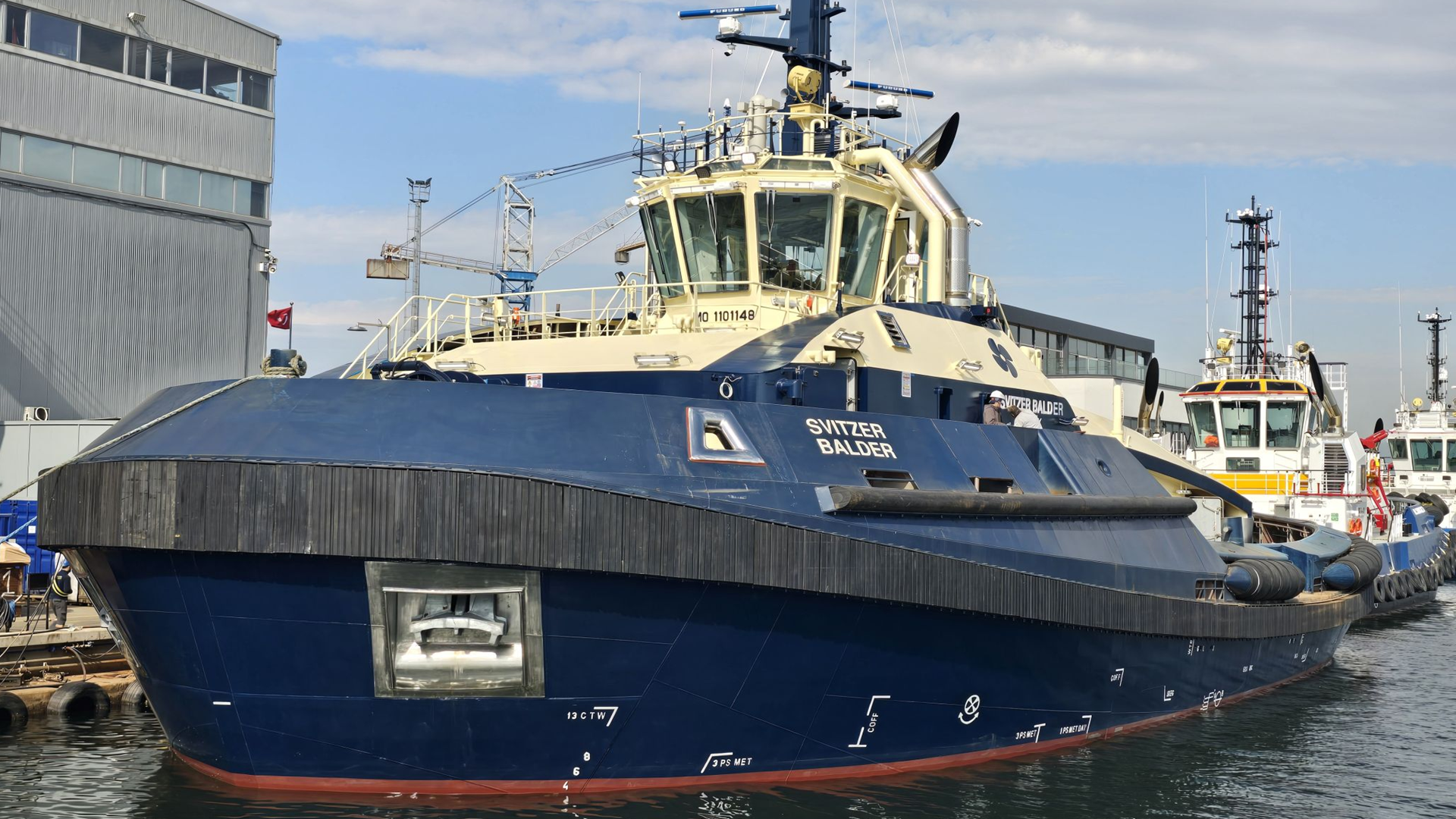
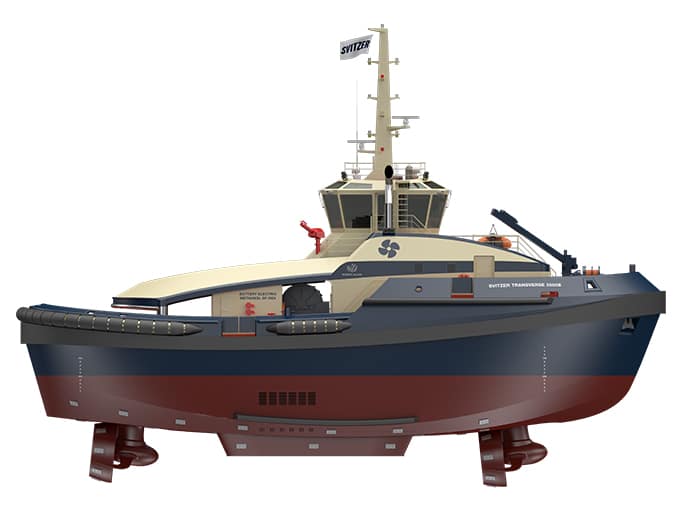
This is the TRAnsverse tugboat, and it's not only a pioneer in its concept but also poised to become the most powerful electric tugboat ever built. It's a series hybrid tugboat, designed to be primarily electric. Its operation relies on a massive 6 MWh battery system with LFP chemistry, designed to be the main power source during daily operations, and dual-fuel methanol engines that act as an "extended-range generator."
Se trata del remolcador TRAnsverse, y no solo es pionero en su concepto, sino que se perfila como el remolcador eléctrico más potente jamás construido. Es un remolcador de propulsión híbrida en serie, diseñado para ser mayoritariamente eléctrico. Su funcionamiento se basa en un sistema de baterías masivo de 6 MWh con química LFP, diseñada para ser la fuente de energía principal durante las operaciones diarias y motores de metanol de doble combustible que actúan como un "generador de autonomía extendida".
Source
When the battery runs low, these engines begin burning methanol to generate electricity and recharge it. For more than 80 percent of its maneuvers in port, the tugboat will only need to use the battery. On longer missions or as a backup, the methanol engine is activated to prevent running out of power without relying on constant recharging. This design solves the biggest problem for 100% electric boats—range anxiety—by providing the necessary power for demanding towing maneuvers.
Cuando la batería se agota, estos motores empiezan a quemar metanol para generar electricidad y recargarla. Para más del ochenta por ciento de sus maniobras en puerto, el remolcador necesitará usar solamente la batería. En misiones largas o como respaldo, se activa el motor de metanol para evitar quedarse sin energía sin depender de recargas constantes. Este diseño resuelve el mayor problema de los barcos 100% eléctricos que es la ansiedad por la autonomía, ofreciendo la potencia necesaria para las exigentes maniobras de remolque.
This project is a milestone with significant implications for the sector's sustainability, as it represents a drastic reduction in emissions. This system allows for a reduction of at least 90% compared to a traditional diesel tugboat. Using green methanol, the reduction could be almost total. It solves the space, weight, and range anxiety problems associated with pure batteries in ships that require maximum power. The use of methanol as a strategic fuel is an established trend. Giants like Maersk are already ordering container ships powered by this fuel.
Este proyecto es un hito con implicaciones muy relevantes para la sostenibilidad del sector ya que supone una reducción drástica de emisiones. Este sistema permite reducirlas al menos un 90% en comparación con un remolcador diésel tradicional. Utilizando metanol verde, la reducción podría ser casi total. Resuelve los problemas de espacio, peso y ansiedad de autonomía de las baterías puras en barcos que necesitan la máxima fuerza. El uso del metanol como combustible estratégico es una tendencia consolidada. Gigantes como Maersk ya encargan portacontenedores propulsados con este combustible.
Source
Unfortunately, despite being a promising solution, there are still barriers to overcome. Although methanol is a clean solution, most of it is currently produced from natural gas (gray methanol). For true decarbonization, methanol produced from green hydrogen and captured CO₂ is needed, which is currently two to three times more expensive than conventional methanol. A capacity of 5.5 million tons is expected by 2027, only a fraction of the 540 million tons the sector is projected to need by 2050.
Lamentablemente, a pesar de ser una solución prometedora, todavía existen barreras que superar. Aunque el metanol es una solución limpia, la mayor parte se produce actualmente con gas natural (metanol gris). Para una descarbonización real, se necesita metanol producido con hidrógeno verde y CO₂ capturado, que hoy es entre 2 y 3 veces más caro que el convencional. Para 2027 se espera una capacidad de 5.5 millones de toneladas, solo una fracción de lo que se preve que necesitaría el sector para 2050 que serían 540 millones de toneladas.
Furthermore, significant investments are needed to adapt ports and enable the large-scale supply of this new fuel. Even so, this Turkish tugboat is the perfect example that the electrification of heavy maritime transport is possible today by combining batteries and methanol. The path to a completely carbon-neutral fleet truly depends on reducing the cost and scaling up the production of green fuels, but that would only be a matter of time if we already have a clear understanding of the concepts. Everything will fall into place.
Además se necesitan grandes inversiones para adaptar los puertos y poder suministrar este nuevo combustible a gran escala. Aún así, este remolcador turco es el ejemplo perfecto de que la electrificación del transporte marítimo pesado es posible a día de hoy combinando baterías y metanol. Realmente el camino hacia una flota completamente neutra en carbono depende de abaratar y masificar la producción de combustibles verdes, pero eso ya sería solo cuestión de tiempo si ya tenemos claros los conceptos. Todo se andará.
More information/Más información
https://en.clickpetroleoegas.com.br/naval-engineering-revolutionizes-the-sector-with-the-worlds-first-electric-tugboat-capable-of-reducing-emissions-by-90-through-a-hybrid-syst-flpc96/