The Growing Importance of Emotional Wellness in Today’s Senior Living Communities
Why Emotional Wellness Has Become a Major Focus in Senior Living
Senior living communities have changed significantly over the last decade as families and aging adults now expect more than just physical care and safety support. Emotional wellness has become one of the most important parts of healthy aging because loneliness, anxiety, isolation, and loss of purpose can strongly affect overall quality of life for seniors. Modern communities increasingly recognize that emotional health deserves the same level of attention as medical care and daily assistance. At Riverwood Senior Living, emotional wellness plays an important role in resident care through social engagement, supportive relationships, meaningful activities, and community-focused living experiences.
Today’s seniors want environments where they feel emotionally connected, socially valued, and mentally engaged rather than simply supervised or assisted. Communities that prioritize emotional well-being often create happier, healthier, and more fulfilling experiences for aging adults throughout retirement.
Loneliness Quietly Affects Many Aging Adults
Many seniors experience emotional isolation long before families recognize the problem fully. Retirement, reduced mobility, loss of close friends or spouses, and limited social interaction can gradually create feelings of loneliness that negatively affect emotional and physical health over time.
Seniors living alone often spend long periods without meaningful daily interaction, even when family members visit regularly. Emotional isolation may increase stress, anxiety, depression, and reduced motivation while also affecting sleep, appetite, and overall wellness.
Modern senior living communities focus heavily on reducing loneliness because emotional connection strongly influences long-term health and happiness for aging adults.
Community Living Creates Stronger Emotional Connection
One of the biggest emotional benefits of senior living communities is the opportunity for consistent social interaction and relationship building. Residents naturally engage with others during meals, wellness activities, community events, and casual daily conversations that create stronger emotional support systems.
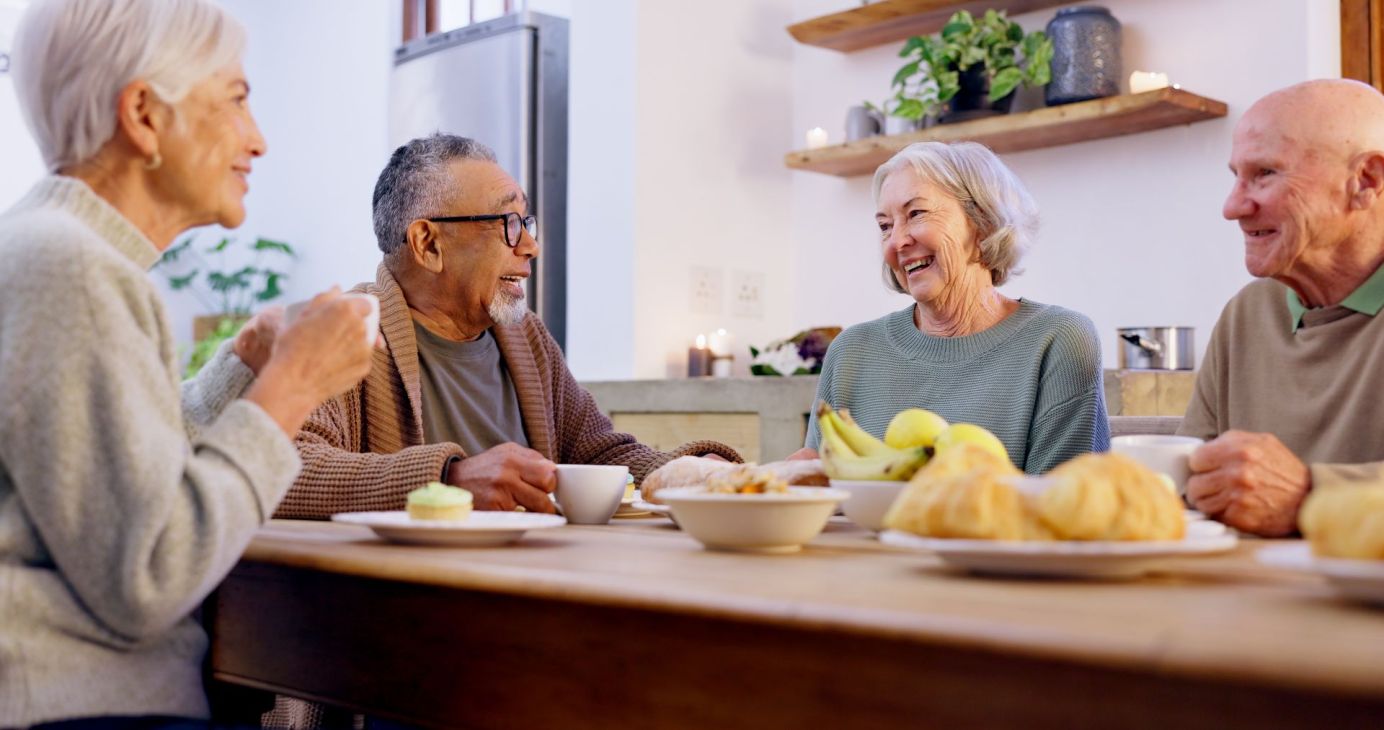
Simple routines such as sharing breakfast, attending activities, or participating in group discussions often improve emotional wellness significantly. Seniors frequently regain confidence and emotional energy when they feel connected to supportive communities and active social environments.
Riverwood Senior Living encourages relationship-centered living because meaningful social interaction helps residents feel emotionally secure, valued, and involved in daily life.
Emotional Wellness Improves Overall Physical Health
Emotional health and physical health remain deeply connected throughout the aging process. Seniors experiencing chronic loneliness, sadness, or emotional stress often face greater challenges related to sleep, mobility, energy levels, and immune function.
Communities that focus on emotional wellness frequently see residents become more active, socially engaged, and motivated to participate in healthy daily routines. Positive emotional experiences encourage better eating habits, stronger activity levels, and improved participation in wellness programs.
Supporting emotional wellness therefore helps improve overall quality of life rather than simply addressing mental health concerns separately.
Meaningful Activities Help Seniors Feel Purposeful Again
Many seniors struggle emotionally after retirement because they lose routines, responsibilities, or social roles that once provided daily purpose and fulfillment. Senior living communities now create activity programs designed not only for entertainment but also for emotional connection and personal meaning.
Residents participate in hobbies, volunteer opportunities, educational programs, music sessions, gardening, crafts, and wellness activities that help them remain mentally and emotionally engaged. These experiences encourage confidence, creativity, and a stronger sense of identity throughout retirement years.
Meaningful engagement often helps seniors rediscover enjoyment and emotional balance after major life transitions.
Personalized Care Improves Emotional Comfort
Every senior experiences emotional needs differently, which is why personalized care has become increasingly important in modern senior living communities. Care teams now spend more time understanding residents’ personalities, routines, communication styles, and emotional preferences to create more supportive environments.
Seniors often feel more emotionally comfortable when caregivers know their habits, interests, and personal history. Personalized care creates stronger trust and emotional security because residents feel recognized as individuals rather than simply care recipients.
This resident-focused approach helps communities create more compassionate and emotionally supportive daily experiences.
Structured Routines Help Reduce Anxiety and Emotional Stress
Many seniors feel emotionally safer when daily life includes structure and consistency. Unpredictable schedules or isolation can increase stress, confusion, and emotional instability, especially for seniors experiencing cognitive changes or mobility limitations.
Senior living communities create structured routines involving meals, wellness activities, social programs, and relaxation periods that provide stability throughout the day. Predictable environments help residents feel more relaxed and emotionally balanced because they know what to expect regularly.
These routines support emotional wellness while encouraging healthier lifestyle habits and stronger social engagement.
Family Relationships Often Improve Through Community Support
Families caring for aging loved ones often experience emotional strain, especially when balancing caregiving responsibilities with work and personal obligations. Stress and constant worry sometimes affect family relationships negatively over time.
Senior living communities provide professional support that allows families to focus more on emotional connection instead of daily caregiving tasks. Family visits often become more relaxed and enjoyable once seniors receive consistent support from caregivers and community staff.
Communities that prioritize emotional wellness therefore benefit not only residents but also their loved ones and caregivers.
Modern Senior Living Focuses More on Happiness Than Ever Before
Older models of senior care often focused primarily on safety and medical support, while today’s communities increasingly emphasize happiness, lifestyle satisfaction, and emotional fulfillment. Residents now expect environments where they can continue building friendships, exploring interests, and enjoying meaningful experiences during retirement.
Communities create wellness-centered environments that support emotional health through social engagement, compassionate interaction, flexible activities, and personalized care. Riverwood Senior Living embraces this modern approach because emotional wellness strongly influences how seniors experience everyday life.
Emotional Wellness Becomes Especially Important During Cognitive Decline
For seniors experiencing memory loss or cognitive decline, emotional wellness becomes even more critical. Anxiety, confusion, and emotional frustration can increase significantly when residents feel isolated or unsupported.
Memory care and supportive senior living programs now include emotional support strategies such as familiar routines, calming activities, sensory engagement, and compassionate communication techniques that improve emotional stability and comfort.
Supporting emotional wellness helps residents feel safer, calmer, and more connected even during difficult cognitive health changes.
Conclusion: Emotional Wellness Is Reshaping Modern Senior Living
Emotional wellness has become a central part of modern senior living because communities now understand that happiness, connection, and emotional security strongly influence overall health and quality of life for aging adults. Social engagement, meaningful activities, personalized care, and supportive relationships all contribute to healthier and more fulfilling retirement experiences.
Riverwood Senior Living demonstrates how emotionally supportive environments can improve confidence, wellness, and daily satisfaction for seniors through compassionate and community-centered care. As senior living continues evolving, emotional wellness will remain one of the most important factors shaping comfortable, engaging, and resident-focused retirement lifestyles.