From Sputnik to the Stars: A Brief History of Space Exploration
Humanity’s fascination with the cosmos has transitioned from ancient myths to tangible exploration in just over half a century. The story of space travel is a testament to human ingenuity, marked by fierce competition, global collaboration, and monumental scientific breakthroughs.
The Space Age officially dawned on October 4, 1957, when the Soviet Union launched Sputnik 1, the first artificial satellite to orbit Earth. This singular event sent shockwaves through the world, igniting the "Space Race" between the superpowers.
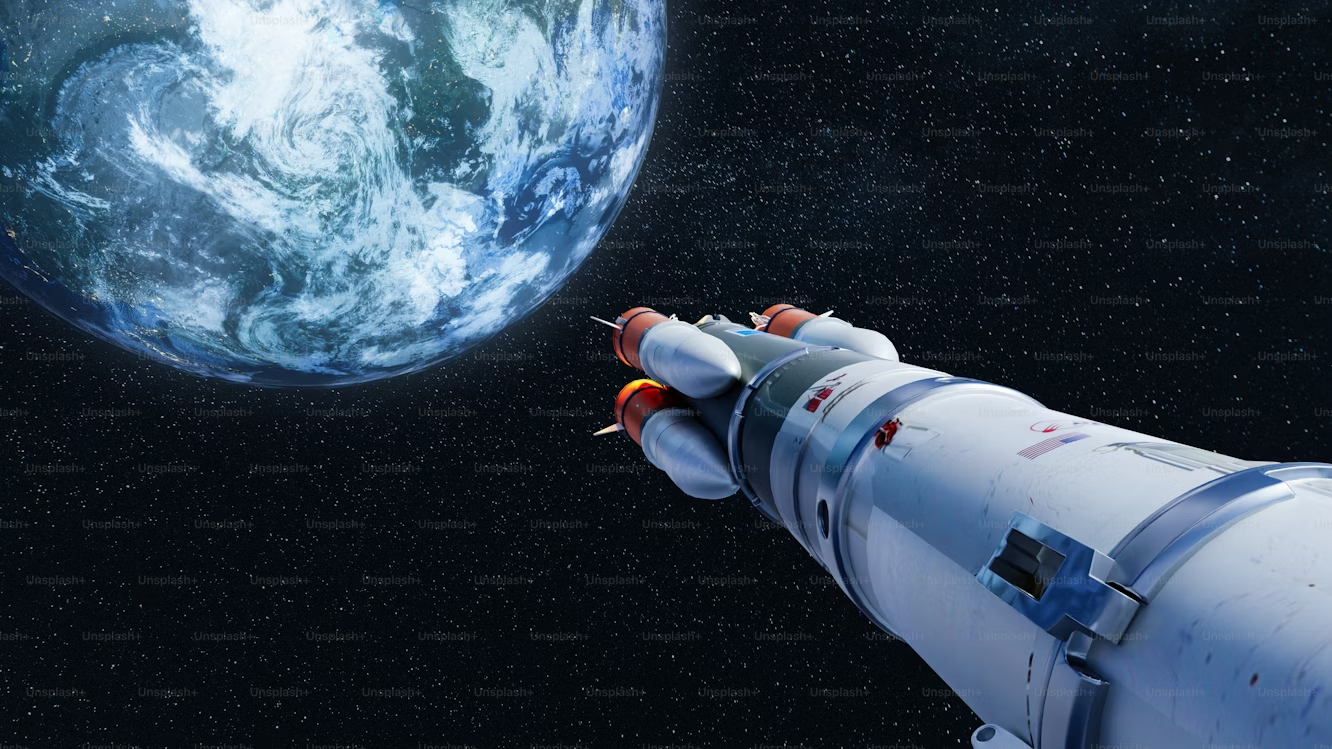
Not long after, in 1961, Yuri Gagarin made history as the first human to journey into outer space, proving that orbital travel was possible.
The mid-century pinnacle arrived in 1969 with NASA’s Apollo 11 mission. When Neil Armstrong took his "giant leap" onto the lunar surface, it fundamentally changed our perception of our place in the universe. It was a triumph of engineering that pushed the boundaries of what was once thought impossible.
However, the post-Apollo era shifted focus toward long-term presence and scientific discovery. The launch of the Hubble Space Telescope in 1990 revolutionized astronomy, peering into the deepest reaches of time and space to capture images of distant galaxies.
Simultaneously, missions like the Voyager probes became our interstellar messengers, sending back data from the outer planets and eventually becoming the first human-made objects to enter interstellar space.
Today, the landscape is evolving again. We have moved from state-sponsored competition to a booming era of commercial spaceflight. With the International Space Station (ISS) serving as a laboratory for microgravity research and ambitious plans for Mars colonization, we are no longer just looking at the stars—we are preparing to live among them.
The history of space missions is a record of our audacity. Each launch is a reminder that when humanity aims for the horizon, we don’t just reach it; we step beyond it.