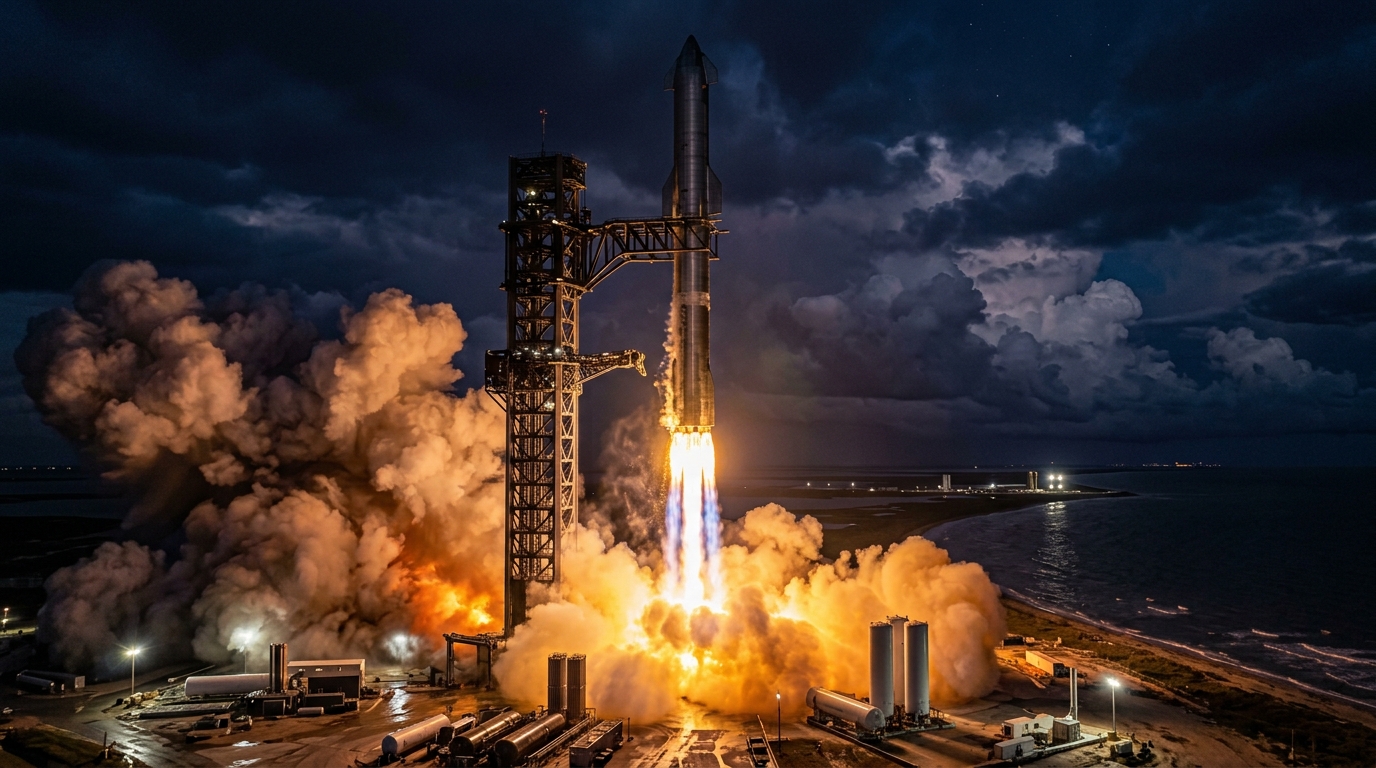
SpaceX The Company Changing the Future of Space Exploration
SpaceX The Company Changing the Future of Space Exploration
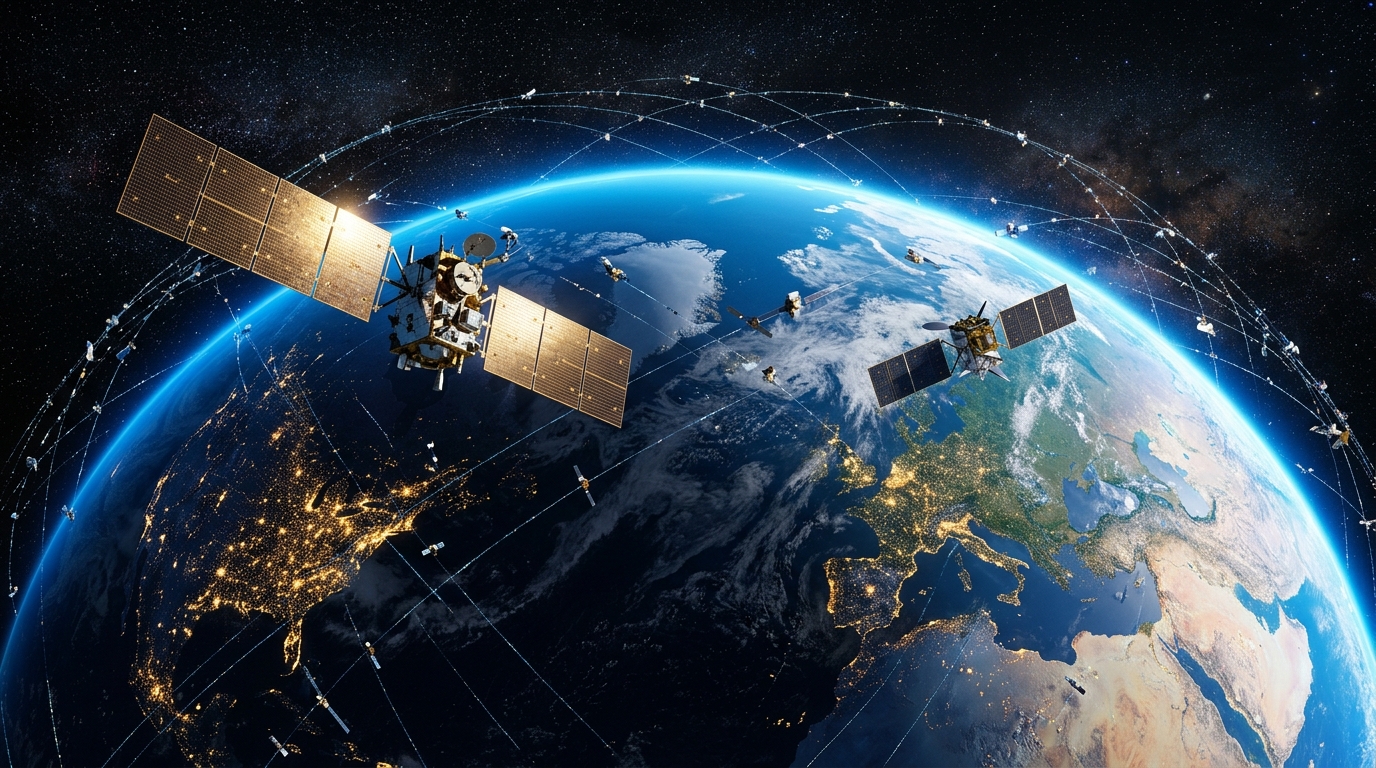
SpaceX has transformed the way the world thinks about space exploration. Founded with an ambitious vision of making space travel more affordable and eventually enabling humanity to become a multiplanetary civilization, the company has pushed the boundaries of rocket technology, satellite communications, and commercial spaceflight.
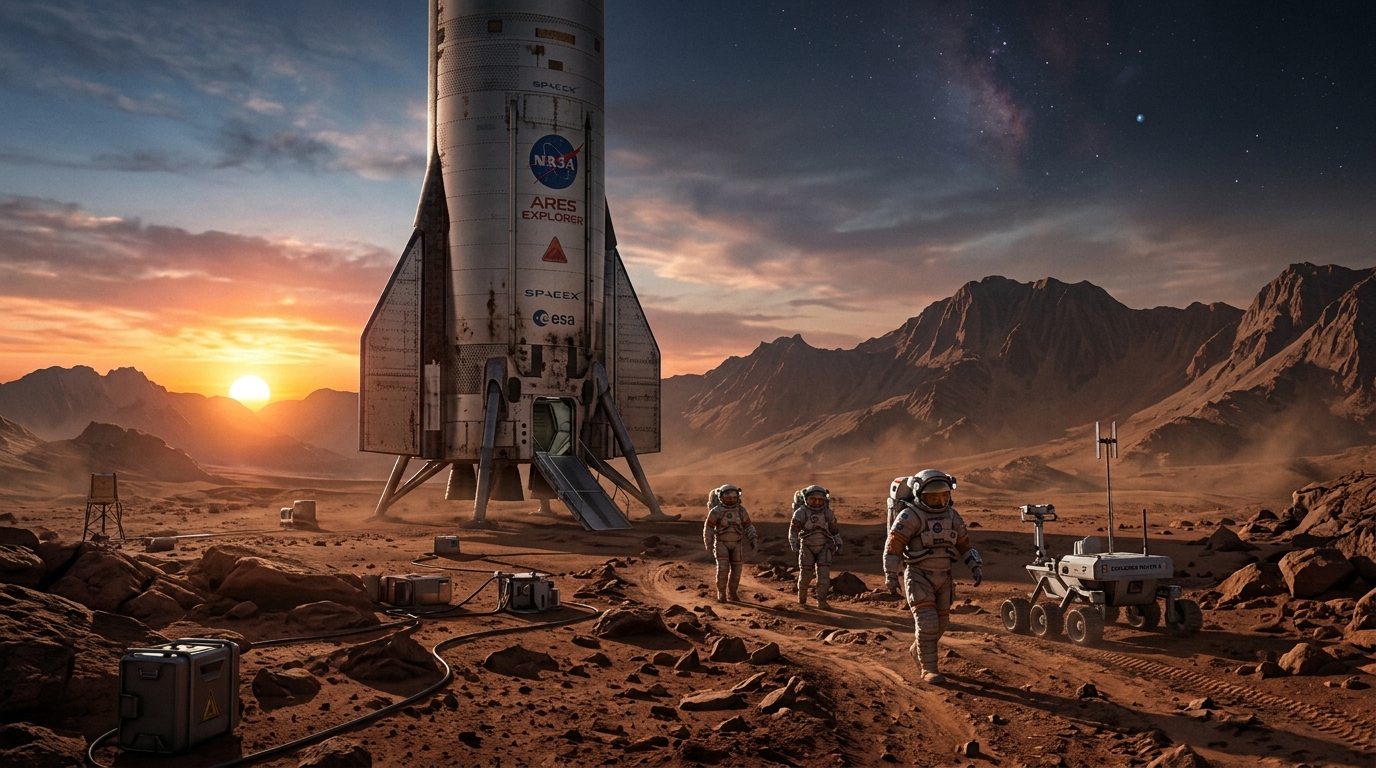
One of SpaceX’s biggest achievements is the development of reusable rockets. Instead of discarding an entire rocket after launch, SpaceX designed boosters that can return to Earth and land vertically. This breakthrough has significantly changed the economics of launching satellites and spacecraft into orbit.
The company’s Falcon 9 rocket has become one of the most recognizable launch vehicles in the world. Its reusable first stage allows SpaceX to conduct frequent launches while reducing the cost associated with building a new booster for every mission.

SpaceX has also developed the Dragon spacecraft, which has transported cargo and astronauts to the International Space Station. This helped establish a new era in which private companies play a major role in human spaceflight.
But perhaps the most ambitious SpaceX project is Starship. Designed as a massive, fully reusable spacecraft and launch system, Starship is intended to carry people and cargo to the Moon, Mars, and potentially beyond. Its development represents one of the boldest attempts yet to create a transportation system capable of supporting large-scale space exploration.
Another major SpaceX project is Starlink, a satellite-based internet network designed to provide high-speed connectivity across large parts of the world. Thousands of satellites have been deployed, creating a rapidly expanding network in low Earth orbit.
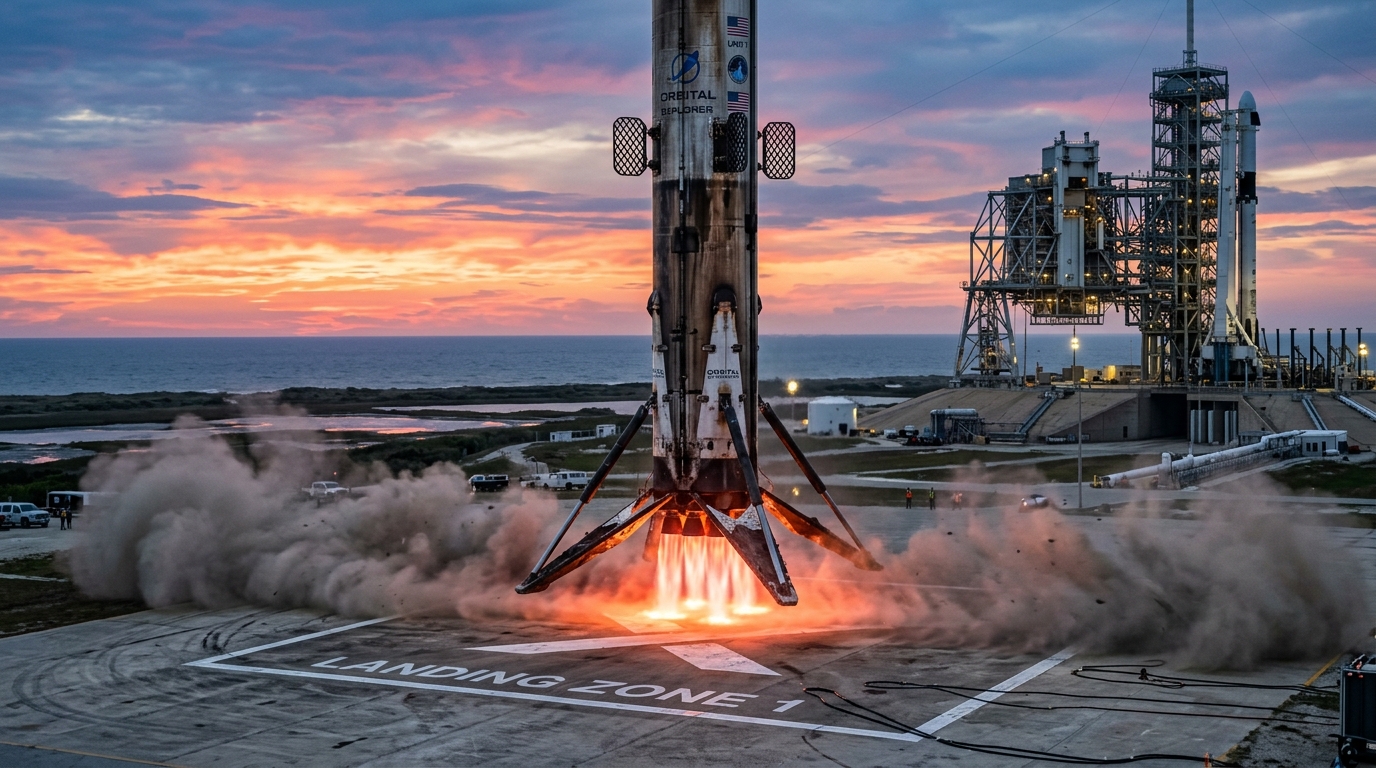
What makes SpaceX particularly fascinating is not simply the technology itself, but the company's willingness to repeatedly test, fail, improve, and try again. Many experimental launches have provided valuable engineering data that can be used to improve future vehicles.
The future of SpaceX could therefore have consequences far beyond rocket launches. If reusable spacecraft become reliable and economical at large scale, space could become more accessible for scientific research, communications, exploration, and commercial activity.
And that raises an important question: Could SpaceX actually make humanity a multiplanetary civilization?
The answer is still unknown. But one thing is certain—SpaceX has already changed the space industry, and its next achievements could determine what the next chapter of human space exploration looks like.
What do you think: Will SpaceX successfully send humans to Mars? Comment your prediction below—and explain why you think it will or won’t happen.