Beyond Flavor: The Timeless Significance of Spices in History and Cooking
Spices are more than just pantry staples; they are the invisible architects of human history and the soul of global cuisine. For millennia, these aromatic seeds, barks, roots, and fruits have shaped civilizations, fueled trade empires, and transformed the way we experience food.
A Catalyst for Global Exploration
The history of spices—such as black pepper, cinnamon, cloves, and nutmeg—is a chronicle of ambition. During the Middle Ages, spices were literal "gold," more valuable than many precious metals.
The insatiable European demand for these exotic treasures from the "Spice Islands" (the Maluku Islands in Indonesia) drove the Age of Discovery.
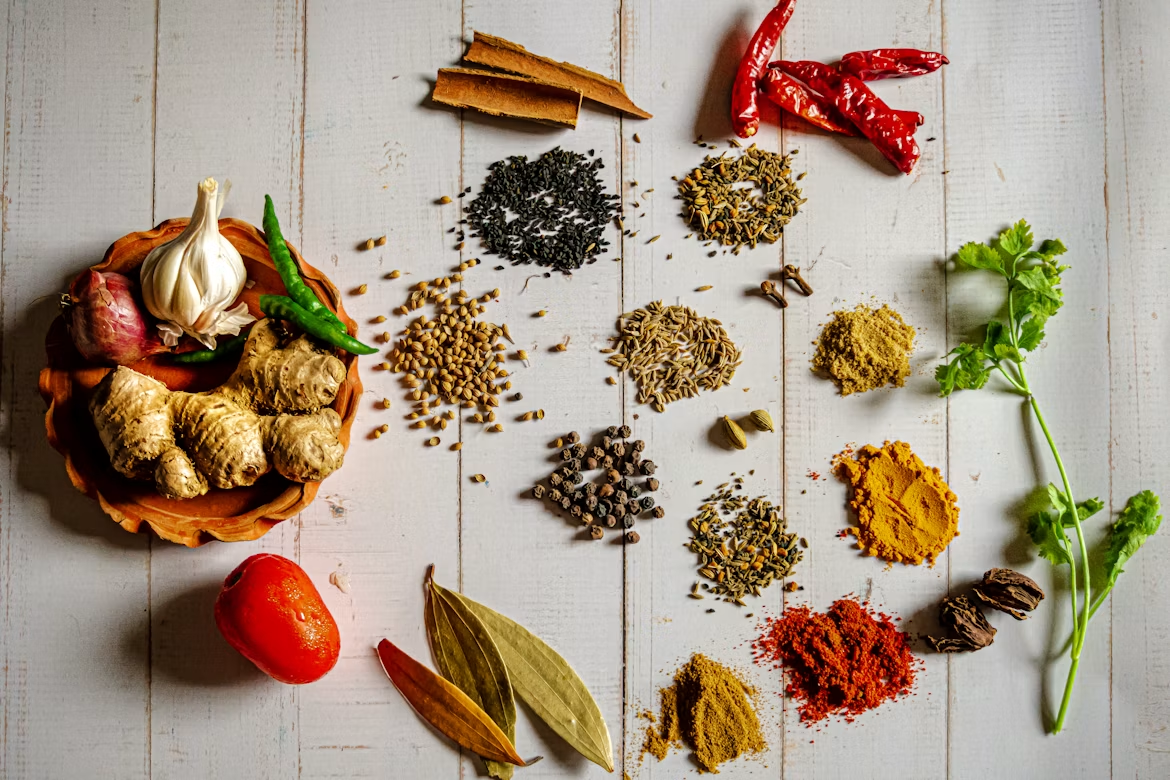
Explorers like Vasco da Gama and Christopher Columbus didn't just sail for glory; they sailed to bypass controlled trade routes and secure direct access to the spice markets of the East. This quest rewritten the map of the world, connecting distant cultures and sparking the birth of global trade.
The Alchemy of Modern Cooking
In the kitchen, spices serve as the ultimate culinary bridge. They possess the unique ability to transform humble, bland ingredients into complex, memorable dishes. Beyond their flavor-enhancing properties, spices are essential for:
- Aromatic Depth: Toasting spices releases essential oils, creating a base of flavor that defines regional identities—from the cumin-heavy profiles of Mexico to the cardamom-laced sweetness of India.
- Preservation and Health: Historically, spices like turmeric, ginger, and cloves were used for their antimicrobial and anti-inflammatory properties, preserving food before the invention of refrigeration.
- Cultural Identity: Spices are the primary markers of culinary heritage. A single pinch of saffron or a dash of sumac acts as a sensory passport, instantly anchoring a dish to its cultural roots.
Today, spices continue to be the heartbeat of our tables. Whether you are tempering spices for a curry or dusting cinnamon on your morning coffee, you are participating in a tradition that spans centuries and continents. Understanding spices is not just about cooking—it’s about appreciating the history in every bite.