SSL Certificates — Protect Your Website and Build Visitor Trust
In today’s online world, security is no longer optional — it’s essential. Whether you run a business website, blog, or online store, an SSL certificate plays a vital role in protecting your data and earning visitor trust.
SSL (Secure Sockets Layer) encrypts the connection between your website and its users. This means sensitive information like passwords, contact forms, and payment details stays private and safe from hackers. You’ve probably seen SSL in action already — it’s what turns your site address from http into https and adds the small padlock icon in the browser.
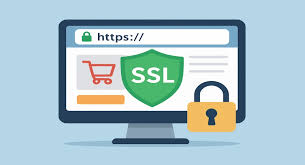
What Is SSL and How Does It Work?
An SSL certificate creates a secure, encrypted link between a web server and a visitor’s browser. Once SSL is installed, any data shared on your website becomes unreadable to outsiders.
In simple words, SSL:
Protects user information
Prevents data tampering
Confirms your website’s identity
Helps visitors feel safe
Without SSL, your website is vulnerable — and modern browsers may even warn users before they enter your site.
Why SSL Is Important for Every Website
SSL is no longer just for online shops or payment pages. Today, every website should have SSL, because:
Improved Security – Keeps personal data encrypted
Better Trust – Visitors feel safer on HTTPS websites
Search Engine Benefits – Google favors secure websites
Professional Image – Shows your site is legitimate
Browser Compatibility – Avoids “Not Secure” warnings
Whether you collect emails, run forms, or simply publish content, SSL helps protect both you and your users.
Types of SSL Certificates
There are several types of SSL certificates depending on your needs:
Domain Validation (DV)
Basic encryption for personal sites and blogs.
Organization Validation (OV)
Verifies business identity — suitable for company websites.
Extended Validation (EV)
Offers the highest trust level, often used by banks and large organizations.
You can also choose Wildcard SSL (covers subdomains) or Multi-Domain SSL (protects multiple domains with one certificate).
Free vs Paid SSL
Some providers offer free SSL certificates, such as Let's Encrypt, which is great for basic protection.
Paid SSL certificates usually come with:
Higher warranty coverage
Business verification
Customer support
Advanced trust indicators
For growing businesses or eCommerce sites, paid SSL often provides extra peace of mind.
SSL Hosting Made Easy
Many hosting companies now include SSL as part of their hosting packages. Providers like HostNeverDie offer SSL solutions alongside hosting services, making it simple to secure your website without technical headaches.
With professional hosting support, SSL installation becomes quick and stress-free — even for beginners.
Conclusion
SSL certificates are a must-have for any modern website. They protect your data, improve search rankings, and help visitors trust your brand. From personal blogs to large business platforms, SSL ensures your online presence stays secure and professional.
By using reliable SSL solutions and trusted hosting providers like HostNeverDie, you can safeguard your website while focusing on what matters most — growing your online success.