A Masterclass in Modern Minting: The Art and Impact of the 2oz Silver Lion
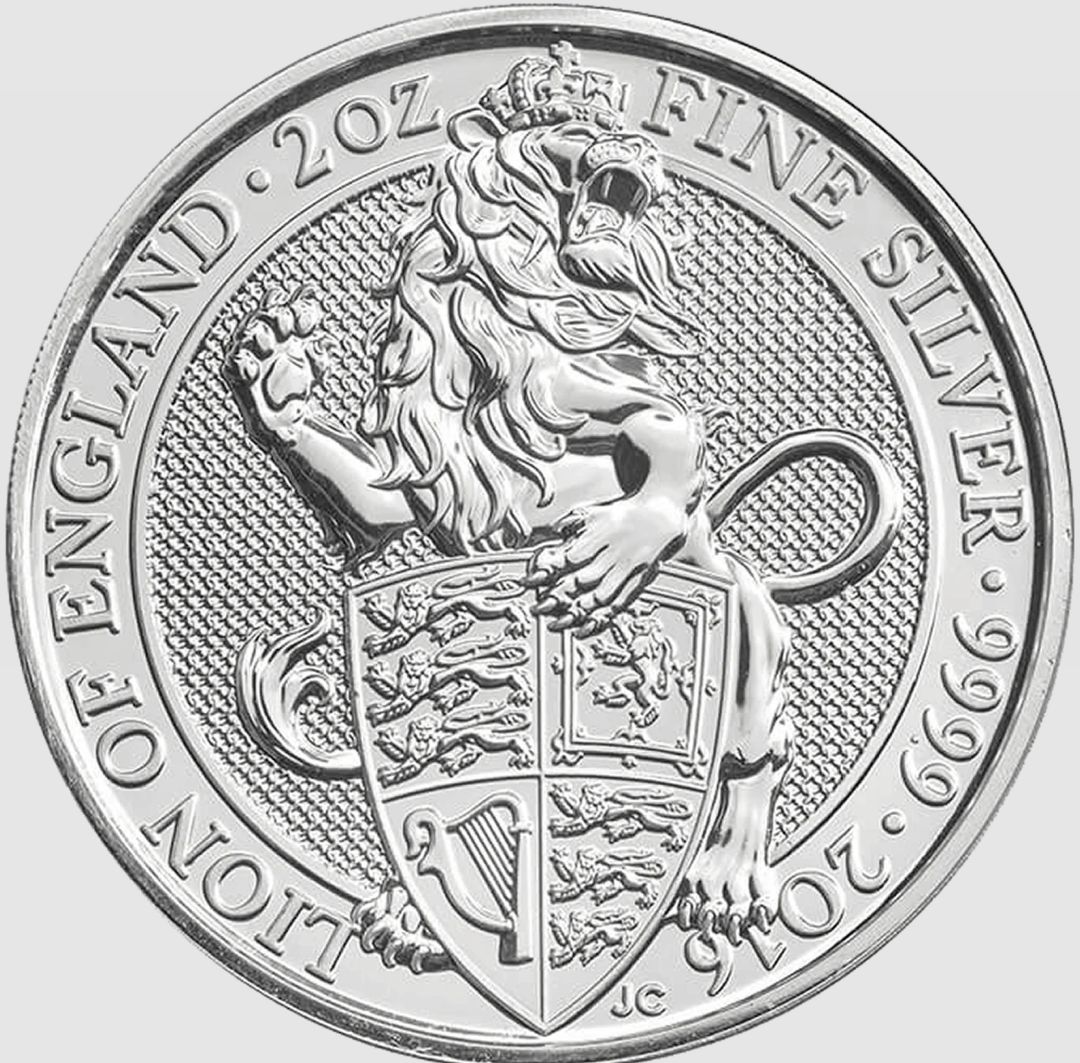
The Queen’s Beasts Lion of England 2oz Silver Coin shattered the mold for modern bullion when it roared onto the market in 2016. Up until its release, sovereign silver bullion was largely dominated by standard one-ounce issues. By doubling the weight, The Royal Mint handed collectors a hefty, tactile piece of history that felt less like a commodity and more like a treasure. Jody Clark’s powerful engraving of the crowned heraldic lion, paired with a secure, light-refracting background texture, instantly elevated the coin from basic investment metal to a masterclass in modern numismatic art.
For investors, this foundational release proved to be a masterstroke in premium appreciation. Because it was the very first coin in a highly anticipated 11-coin series, its "first-in-series" status naturally created a massive demand bottleneck as latecomers tried to build complete sets years later. This organic secondary-market pressure has allowed the 2oz Lion to consistently command some of the highest semi-numismatic premiums in the entire Queen's Beasts run, easily outperforming standard silver spot price fluctuations. It effectively bridged the gap between pure physical wealth preservation and high-yield collectability.
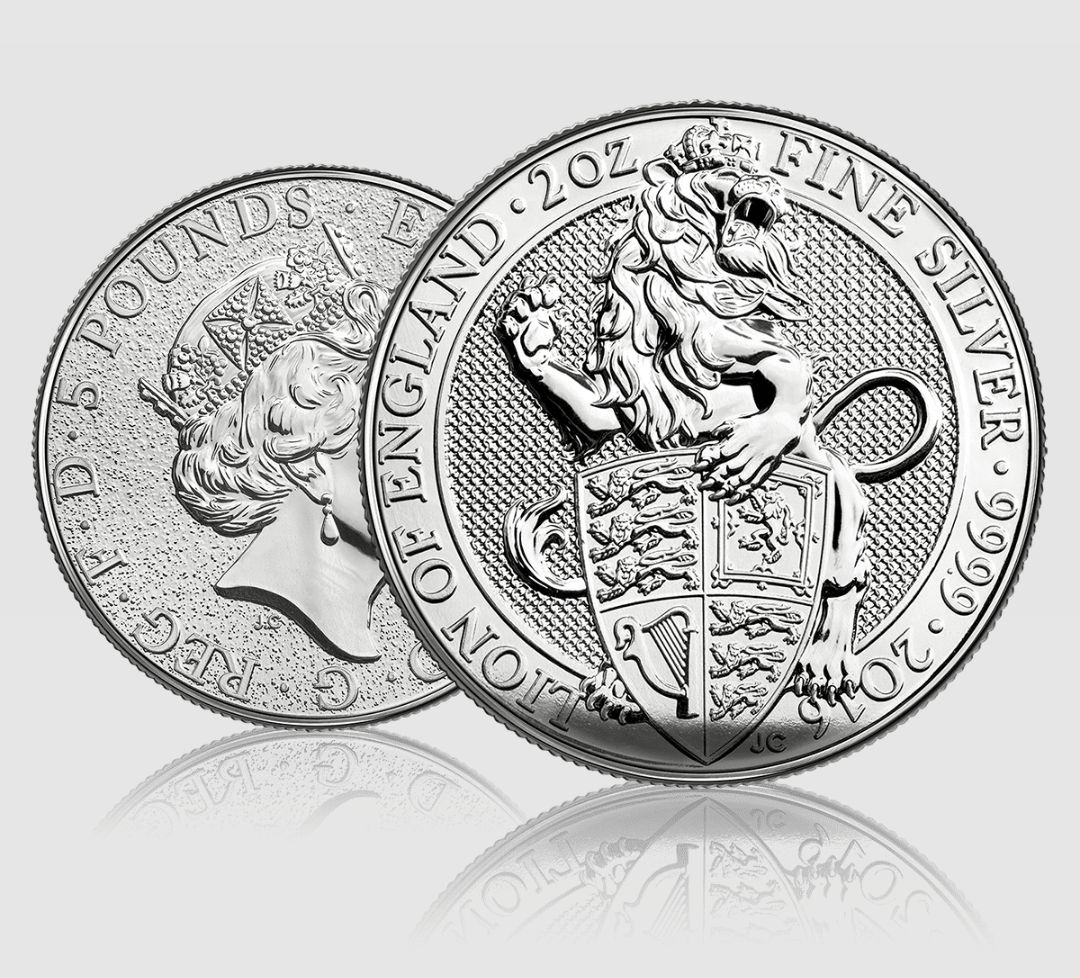
Lookin back a decade after its launch, the 2oz Lion of England remains a benchmark for how national mints approach thematic series. It did not just launch a collection; it established a new preference among silver stackers for the chunky, high-relief 2oz format that many mints copy today. Whether tucked away in a monster box or displayed proudly in a graded slab, this inaugural beast continues to be a foundational anchor for precious metal portfolios, proving that the right blend of weight, artistry, and historical timing can turn raw silver into an iconic asset.