The silver sixpence.
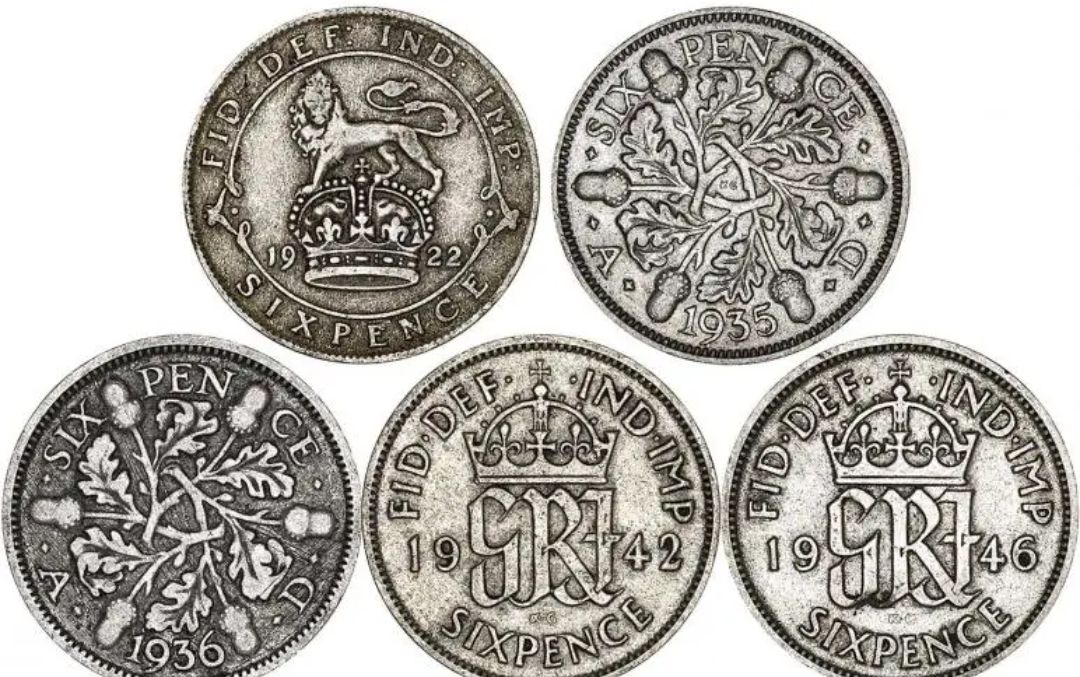
The silver sixpence is a coin steeped in history and folklore, long regarded as a symbol of good luck and prosperity. First introduced during the reign of Edward VI in 1551, it survived through centuries of British history, evolving from a piece of high-purity sterling silver to a everyday utility coin. Its small size made it easy to carry, but its silver content ensured it held intrinsic value, making it one of the most beloved denominations in the pre-decimal British currency system.
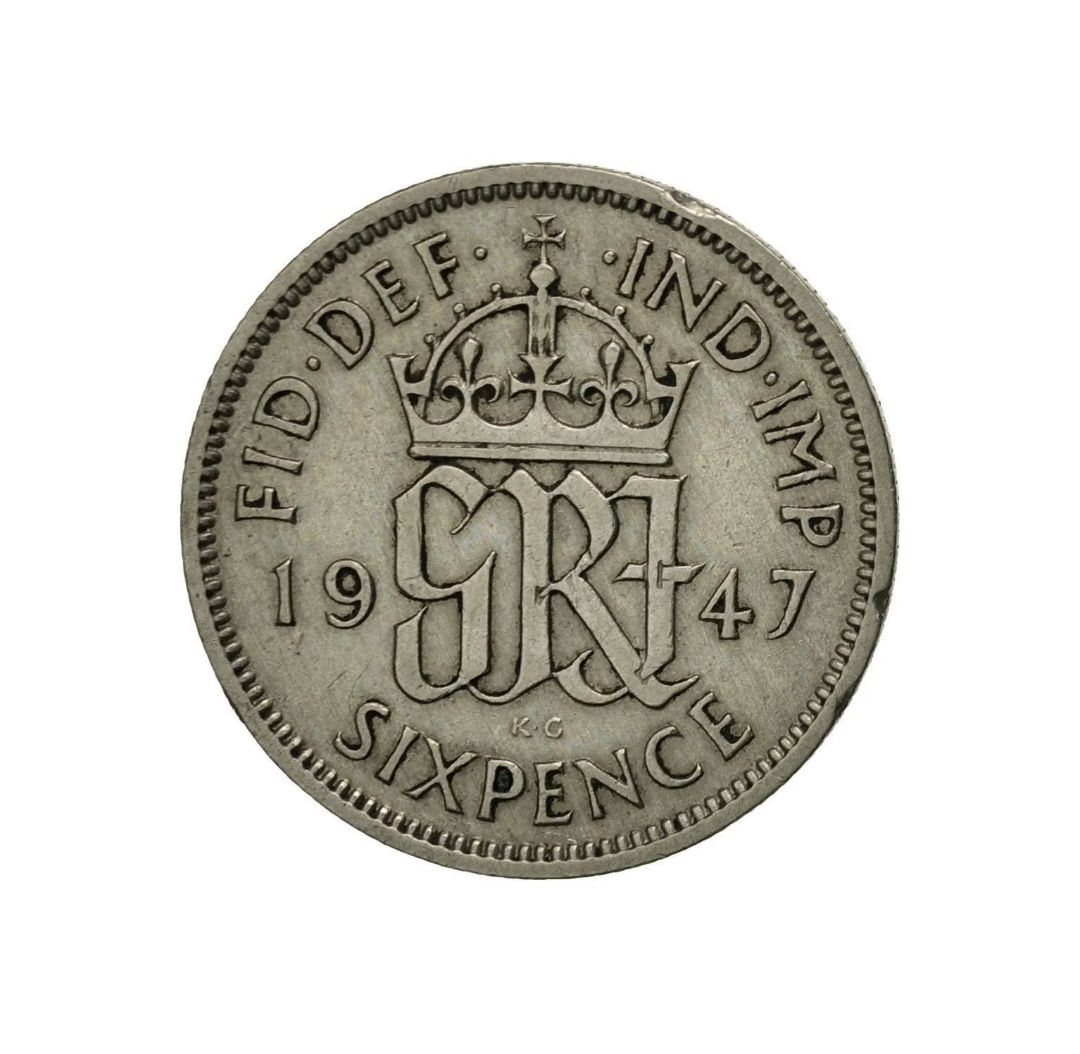
By the mid-20th century, the economic pressures of two World Wars forced a significant change in the coin's composition. Until 1920, the sixpence was minted in 92.5% silver, but this was reduced to 50% to help pay off war debts. The "last" true silver sixpences intended for general circulation were struck in 1946. From 1947 onwards, the Royal Mint transitioned to cupro-nickel—an alloy of copper and nickel—meaning the coins retained their "silver" shine but lost their precious metal value.
Beyond its role as currency, the silver sixpence became deeply embedded in British tradition. Most notably, it is the finishing touch in the famous wedding rhyme, "Something old, something new, something borrowed, something blue, and a silver sixpence in her shoe." Traditionally, the father of the bride would place the coin in her left heel to ensure a life of wealth and happiness. Similarly, it was a staple of Christmas celebrations, often hidden inside a Christmas pudding; the person who found the coin in their serving was said to be blessed with good fortune for the coming year.
The era of the circulating sixpence effectively ended with decimalisation in 1971. Although the coin remained legal tender for a time—revalued at 2.5 new pence—it was eventually withdrawn from circulation in June 1980. Its departure was met with genuine nostalgia, as many people felt a personal connection to the "tanner," as it was colloquially known. It represented a link to a bygone era of British commerce and a tangible piece of family history passed down through generations.
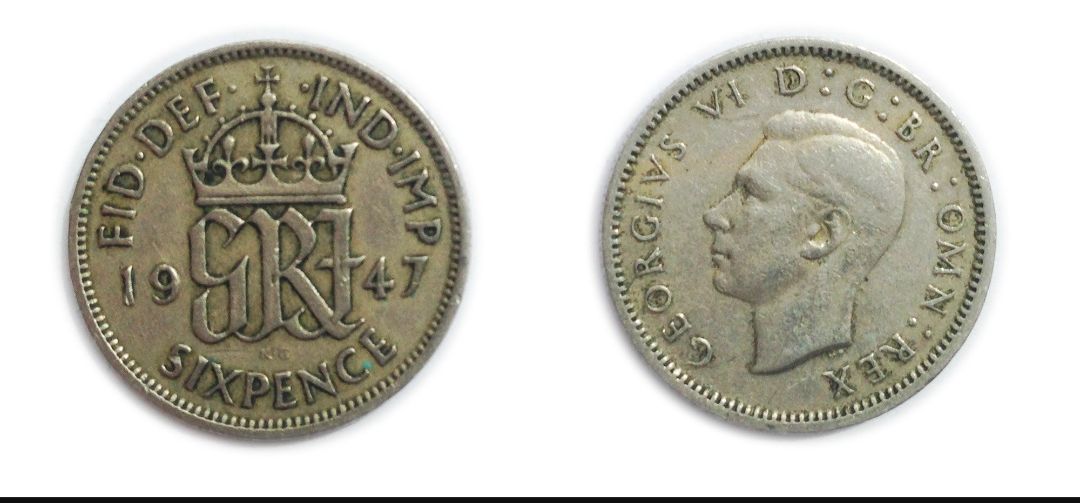
Today, the legacy of the silver sixpence lives on through collectors and gift-givers. While you won't find them in your pocket change, the Royal Mint still produces beautiful, proof-quality silver sixpences specifically for those wishing to keep the wedding or Christmas pudding traditions alive. These modern coins serve as a bridge between the past and the present, ensuring that even though the "tanner" no longer buys a bag of sweets, its reputation as a lucky charm remains as strong as ever.