The wild west USA silver dollar
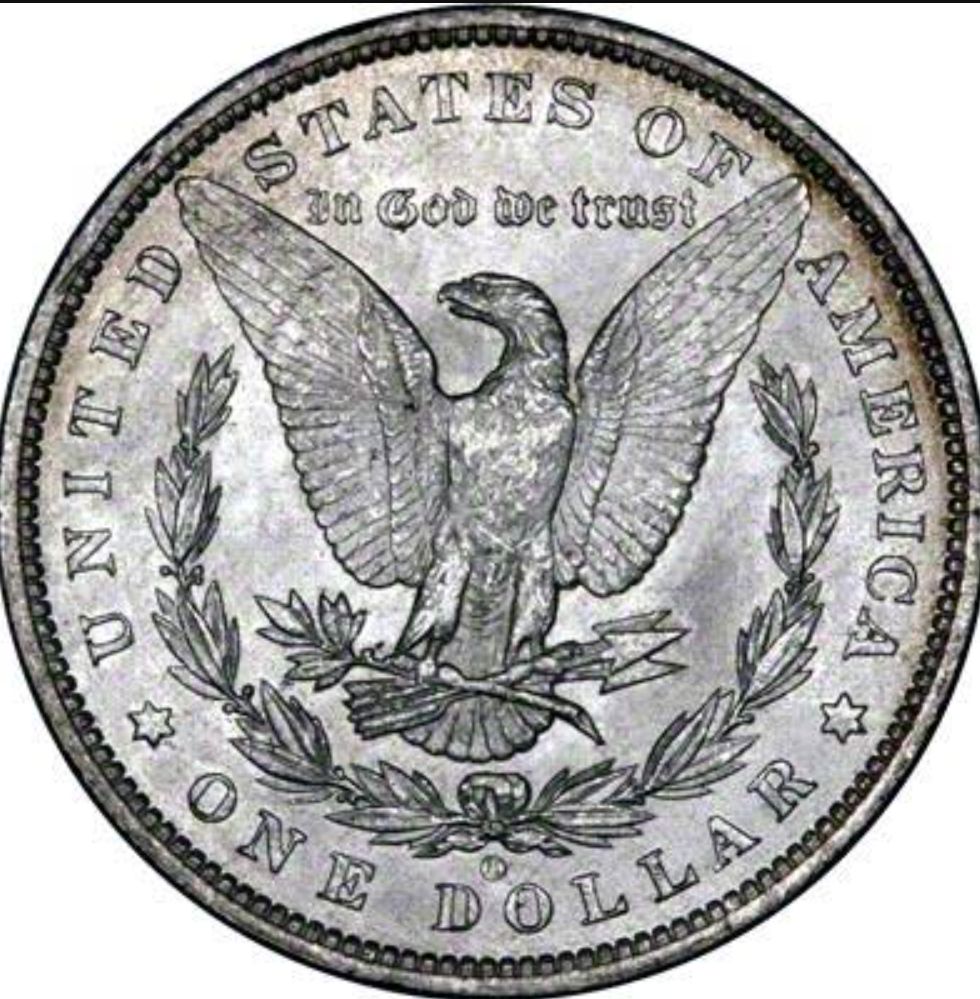
The Morgan Silver Dollar, minted between 1878 and 1904, is the definitive currency of the American Wild West. Born from the massive silver strikes of the Comstock Lode in Nevada, these heavy coins became the preferred "hard money" for pioneers, outlaws, and gamblers who distrusted paper bank notes. Because they were struck in 90% fine silver, they carried a physical weight and value that matched the rugged, independent spirit of the frontier.
The most legendary versions of these coins bear the "CC" mint mark, signifying they were produced at the Carson City Mint. This facility was established specifically to convert silver directly from local mines into coinage, making these specific dollars true relics of the Western mining boom. Beyond Carson City, the coins were also struck in Philadelphia, New Orleans, San Francisco, and eventually Denver, serving as the primary workhorse of the American economy during the late 19th century.
Designed by George T. Morgan, the coin features a profile of Lady Liberty on the front and a soaring bald eagle on the back. At the time, a single silver dollar represented a significant sum—often a full day's wage for a laborer or cowboy. Its durability and high silver content made it a staple in saloons and general stores across the territories, cementing its reputation as the iconic coin seen in classic Western lore.
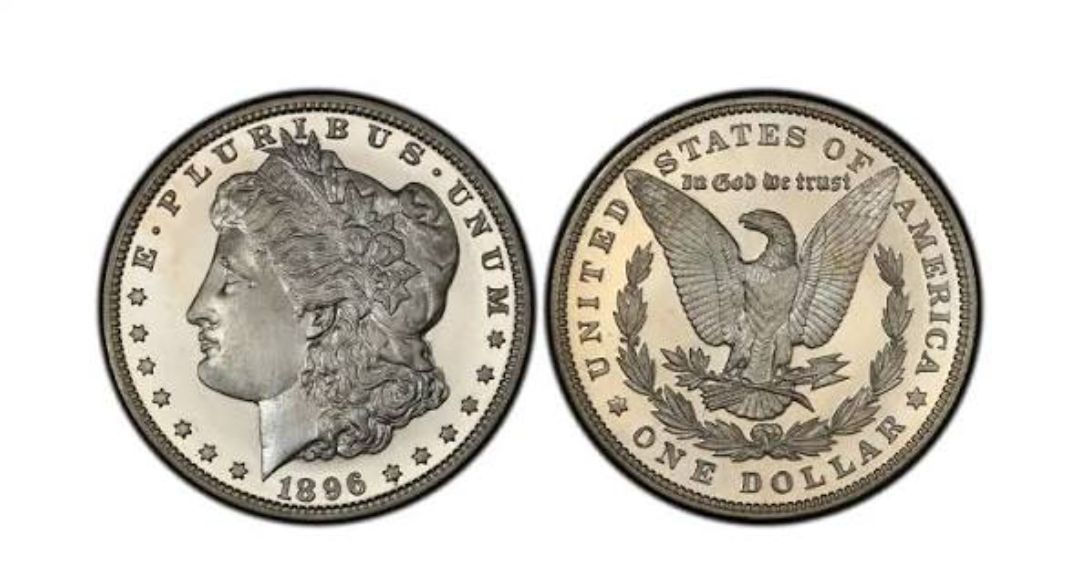
Today, Morgan Silver Dollars are highly prized by collectors, partly because millions were melted down in the early 20th century, making surviving authentic pieces rarer. While common circulated coins can often be found for around £75 to £100, the historic Carson City versions frequently command much higher prices starting at £185. Their enduring popularity even led the US Mint to begin issuing modern 99.9% silver versions starting in 2021 for enthusiasts and historians.