The Pillar of Progress: Why Recycling is Essential to Sustainable Living
When we talk about sustainable living, it is easy to get overwhelmed by the vastness of the climate crisis. We often look for radical lifestyle changes—like going off-grid or adopting a zero-waste philosophy—but the most powerful tool for sustainability is already sitting in your kitchen: the recycling bin.
Recycling is one of the foundational pillars of a circular economy. At its core, it is about decoupling human consumption from the extraction of virgin natural resources.
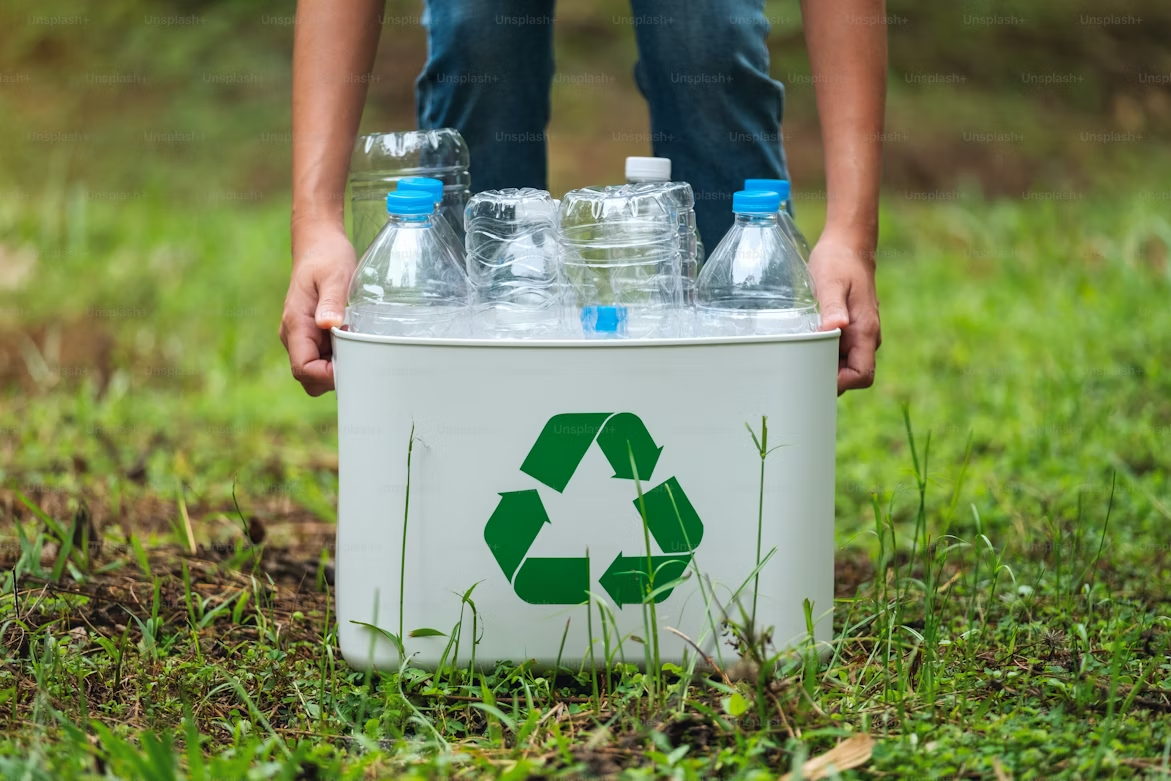
Every time we recycle an aluminum can, a glass bottle, or a cardboard box, we are preventing raw materials—like bauxite, silica sand, and timber—from being harvested, mined, and processed. This conservation of resources is vital, as it reduces energy consumption, lowers greenhouse gas emissions, and protects the biodiversity of the landscapes that would otherwise be destroyed by industrial extraction.
However, recycling is not a "get out of jail free card" for overconsumption. A common misconception is that if an item is recyclable, it is inherently sustainable. In reality, recycling should be viewed as the last line of defense. The true hierarchy of sustainable living remains: Refuse, Reduce, Reuse, and finally, Recycle.
To make recycling truly effective, we must also become "conscious recyclers." This means understanding local guidelines, cleaning our containers, and avoiding "wish-cycling"—the habit of tossing non-recyclables into the bin in the hopes that they might be processed. Contamination is a major hurdle for recovery facilities, often rendering entire batches of recyclable material useless.
Ultimately, recycling is a tangible, daily commitment to the planet. It serves as a constant reminder of our consumption habits and our responsibility to the future. By closing the loop on our waste, we transition from a society that simply takes and discards to one that nurtures and renews. Sustainable living isn’t about perfection; it’s about participating in a cycle that values the earth’s finite bounty.