Tartarian Buildings and Architecture. 15
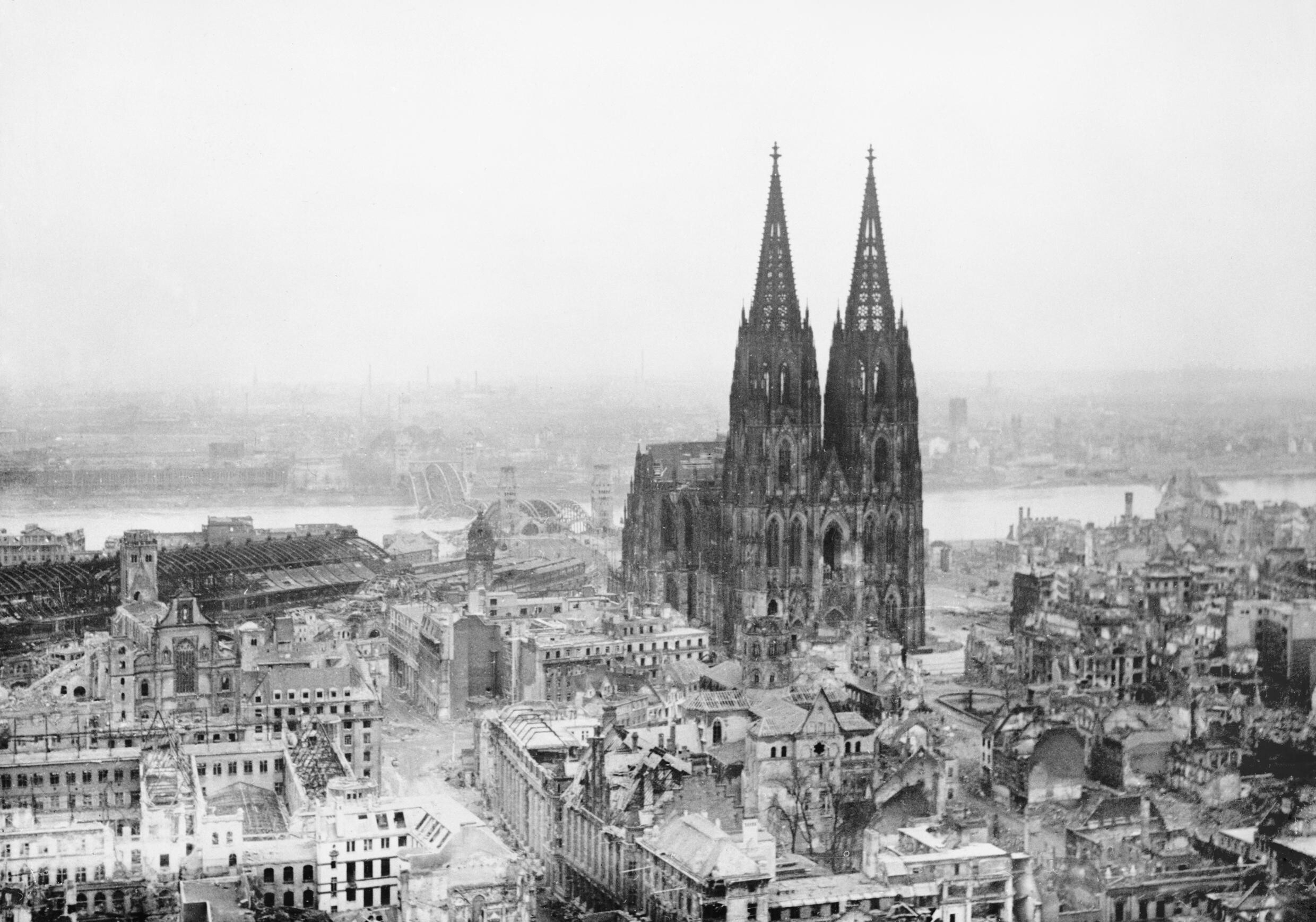
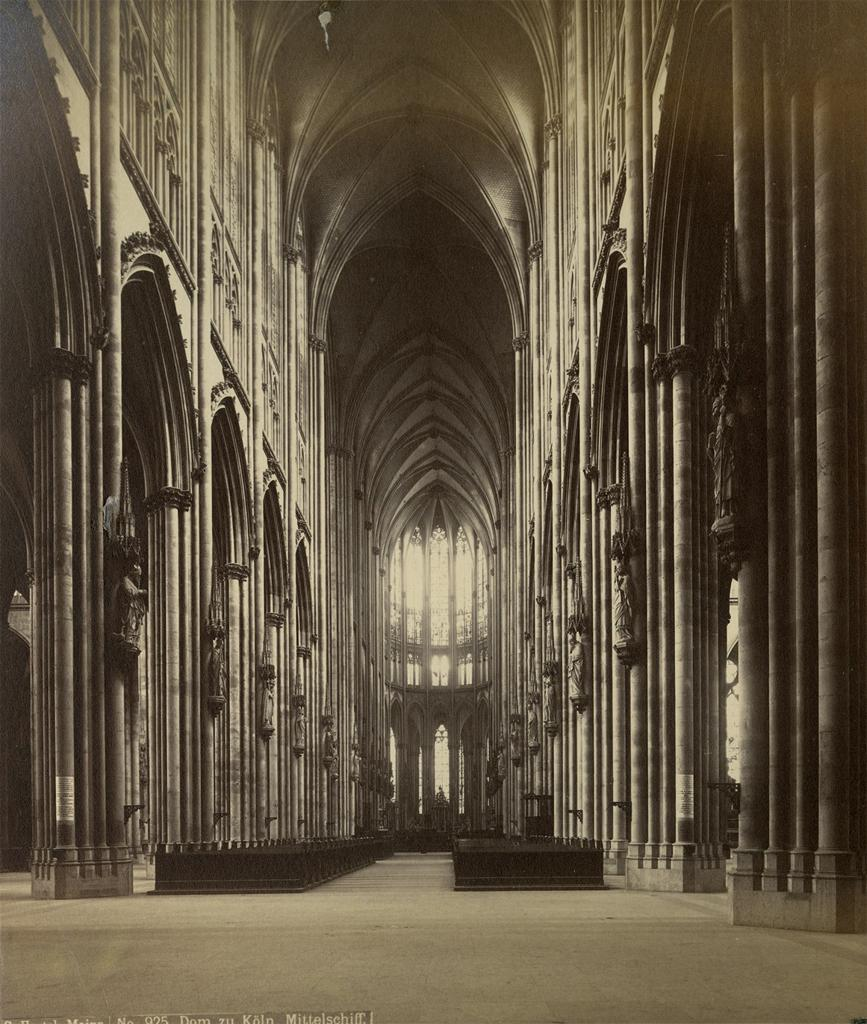
This landmark is the Cologne Cathedral (German: Kölner Dom), located in Cologne, Germany.
It is a world-renowned masterpiece of Gothic architecture that took more than 600 years to complete.
Construction Timeline
• Start Date: Construction began on August 15, 1248, during the Middle Ages.
• Halt: Work was famously halted around 1560 due to lack of funds and loss of interest in the Gothic style.
• Completion: Construction resumed in the 19th century (1842) and was finally completed in 1880.
Quick Facts
• Tallest Church: At 157 meters (515 feet), it is the tallest twin-spired church in the world.
• Historical Significance: It was built to house the Shrine of the Three Kings, a masterpiece of medieval goldwork.
• Resilience: Despite suffering 14 hits by aerial bombs during World War II, the cathedral remained standing, towering over the flattened city.
The Cologne Cathedral was primarily built to house the Shrine of the Three Kings, which contains what are believed to be the relics of the Biblical Magi.
Why It Was Built
• A "Throne" for Relics: In 1164, Archbishop Rainald von Dassel brought the bones of the Three Wise Men from Milan to Cologne as spoils of war. The existing Romanesque cathedral was too small for the massive crowds of pilgrims who traveled from all over Europe to see them.
• Political Power: By housing such high-status relics, the Archbishops of Cologne sought to demonstrate their power and prestige within the Holy Roman Empire.
• Imperial Symbol: The cathedral also served as a place of worship for the Holy Roman Emperor, further cementing the city’s status as the "German Rome".
Who Built It?
Because the project spanned 632 years (1248–1880), it was built by generations of architects and workers following a single medieval master plan.
• Master Gerhard (Gerhard von Rile): The original master builder and designer who laid the foundation stone on August 15, 1248.
• Archbishop Konrad von Hochstaden: The religious leader who officially commissioned the Gothic cathedral to replace the older structure.
• Ernst Friedrich Zwirner: The 19th-century architect who led the final phase of construction (from 1842) based on recovered 14th-century drawings of the facade.
• King Frederick William IV of Prussia: The monarch who restarted the project in 1842, turning the cathedral's completion into a symbol of German national unity.
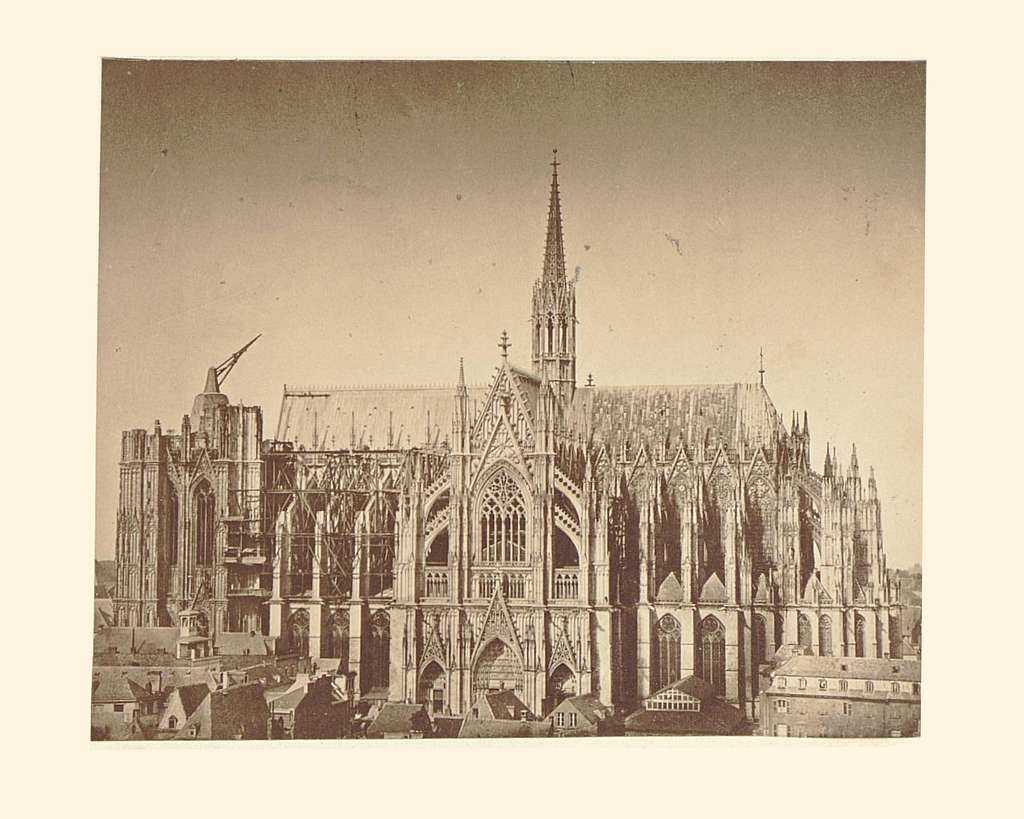
The structure you see is the famous Dombau-Kran (Cathedral Crane). It stood atop the unfinished south tower of the Cologne Cathedral for over 400 years, becoming a landmark in its own right until it was finally dismantled in 1868.
How It Worked
The crane was an engineering marvel that relied entirely on human muscle rather than modern motors.
The History of Cologne Podcast
• Treadwheel Mechanism: Inside the large wooden structure were massive treadwheels (similar to giant hamster wheels). Workers would walk side-by-side inside these wheels to set them in motion.
• Mechanical Advantage: The large diameter of these wheels provided the necessary leverage to lift heavy stone blocks. It was capable of hoisting loads weighing up to two tons to significant heights.
• The Pulley System: As the wheels turned a central shaft, it would draw in or let out ropes connected to a compound pulley system. This amplified the force applied by the workers, allowing just a few people to lift massive weights.
• Operational Speed: Historical estimates suggest it could lift a 1,000 kg stone approximately 45 meters in about 20 minutes.
Symbolism and Survival
Originally installed in the 14th century, the crane remained perched over the city long after construction was halted in 1560. For centuries, it served as a promise to the local population that the cathedral's construction was only temporarily paused, not forgotten. It was used one final time in 1868 to ceremonially lift the first stone for the final phase of construction before being taken apart.