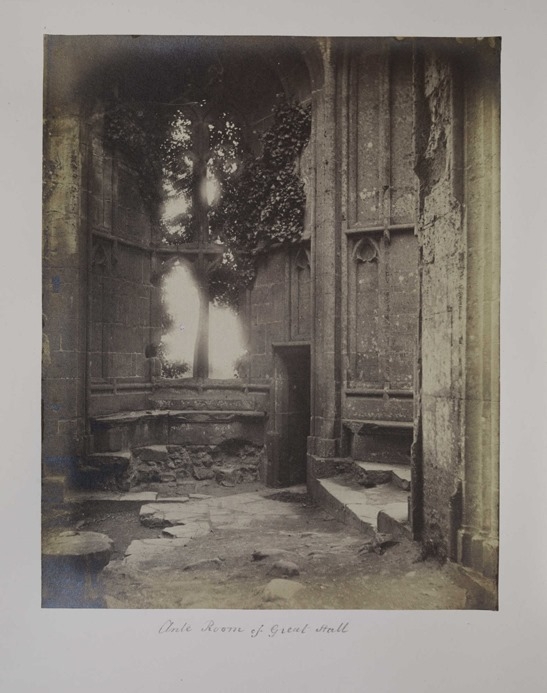
Tartarian Buildings and Architecture. 21
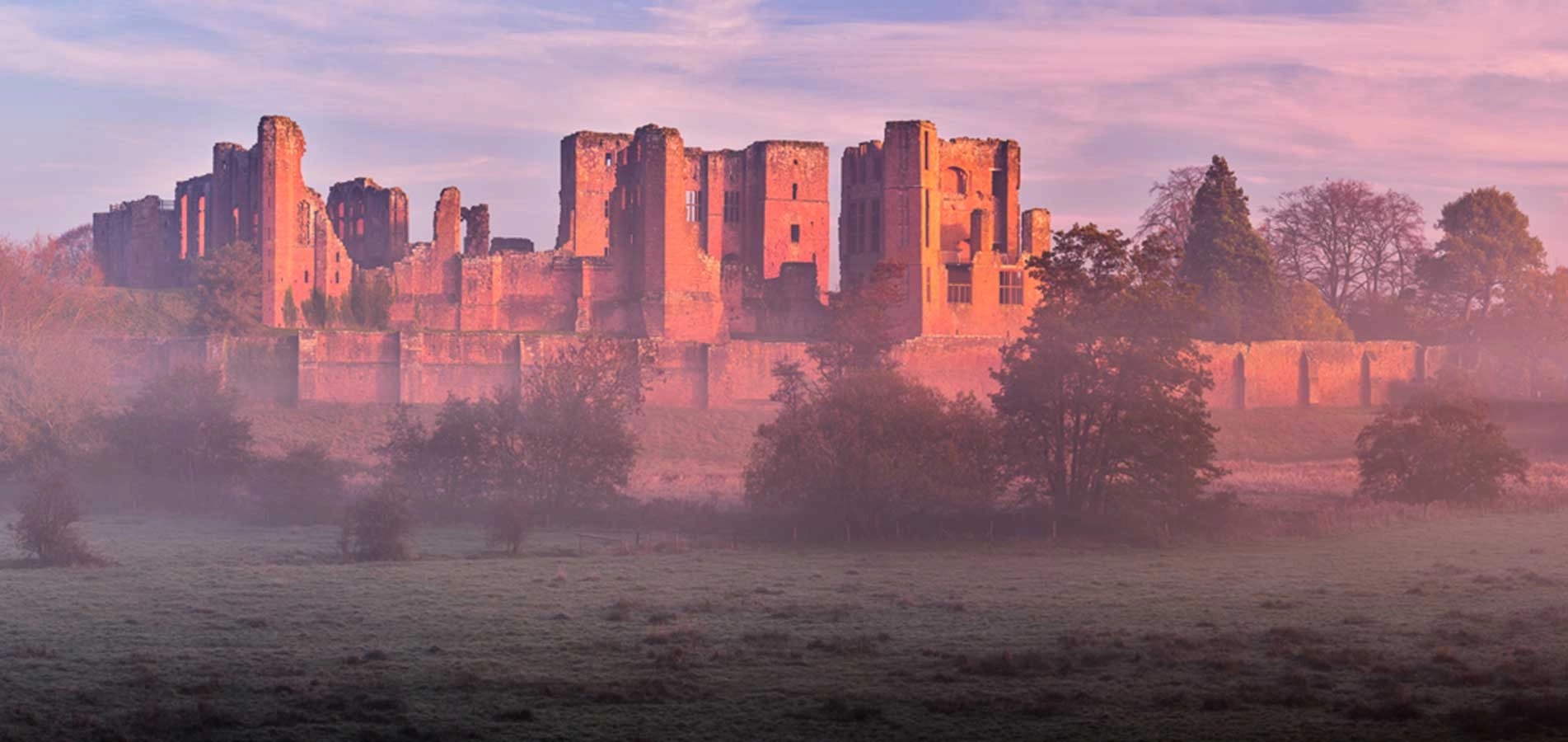
The image depicts the ruins of Kenilworth Castle, located in the town of Kenilworth in Warwickshire, England.
The castle has a long history spanning several centuries:
• Location: It is situated near Warwick and Coventry in the English countryside.
• Origins: The castle was founded in the early 1120s by Geoffrey de Clinton, the royal chamberlain to King Henry I.

• Historical Significance: It was the site of the six-month Siege of Kenilworth in 1266, one of the longest and toughest sieges in medieval English history.

• The Artwork: This specific image appears to be an antique engraving, with various versions dating from around 1880. Other similar historical views of the ruins date from the mid-to-late 19th century.
The history of Kenilworth Castle spans over 900 years, evolving from a formidable medieval fortress into a luxurious Elizabethan palace.
- Norman Fortress (1120s – 1200s)
• Founding: Established around 1120 by Geoffrey de Clinton, treasurer to King Henry I.
• Key Structures: He built the massive Norman Keep (Great Tower), which remains the heart of the ruins today.
• Water Defenses: King John (reigned 1199–1216) significantly strengthened the castle by creating the Great Mere, a massive 100-acre artificial lake that served as an impenetrable moat.
- Lancastrian Palace (14th – 15th Centuries)
• Transformation: In the late 1300s, John of Gaunt inherited the castle and spent lavishly to transform it into a "palace-fortress".
• The Great Hall: He constructed the soaring Great Hall, which at the time had the widest roof in England unsupported by pillars.
• Royal Residence: It became a favored home for Lancastrian kings like Henry V, who built a private retreat called "The Pleasance" across the lake.
- Elizabethan Renaissance (1560s – 1570s)
• Robert Dudley: In 1563, Queen Elizabeth I granted the castle to her favorite, Robert Dudley, Earl of Leicester.
• Lavish Upgrades: To impress the Queen, Dudley added "Leicester’s Building"—a tall block with massive windows—and a magnificent Elizabethan Garden.
• The 1575 Visit: Elizabeth stayed for 19 days of legendary festivities in 1575, which included pageants, fireworks, and banquets.
- Civil War and Ruination (17th Century – Present)
• The Slighting: During the English Civil War (1649), Parliamentary forces "slighted" (partially destroyed) the castle to prevent its further military use.
• Destruction: One wall of the Keep was demolished, the outer walls were breached, and the Great Mere was drained.


• Tourism: The ruins became a romantic tourist attraction in the 19th century, famously popularized by Sir Walter Scott’s 1821 novel, Kenilworth.
Today, the site is managed by English Heritage, which has recreated the Elizabethan garden and added viewing platforms to the ruins.
Kenilworth Castle was a formidable military asset for over five centuries, designed to dominate the Midlands through its massive stone structures and innovative water defenses.
- Strategic Stronghold (12th – 13th Century)
• The Great Tower: Built in the 1120s, this massive Norman keep had walls 5 meters (16 feet) thick, making it nearly impossible to breach with standard medieval weaponry.
• Water Defenses: King John transformed the castle into a "water fortress" by damming local streams to create the Great Mere, a 100-acre lake that acted as a giant moat. This prevented attackers from using common tactics like tunneling (mining) under the walls.


• Siege of 1266: During the Second Barons' War, the castle famously withstood the longest siege in medieval English history (172 days). Even with a massive royal arsenal including 60,000 crossbow bolts and nine siege engines, King Henry III could not break the walls; the defenders only surrendered due to starvation and disease.
- Civil War and Base of Operations
• Wars of the Roses: In the 15th century, the castle served as a secure base for the Lancastrian cause. Queen Margaret of Anjou moved the royal court there for protection between 1456 and 1461, using it as a military counterbalance to nearby Warwick Castle.
• English Civil War (1642–1651): The castle was initially a Royalist garrison for King Charles I, used for raiding Parliamentary strongholds in the Midlands and providing logistics for the Battle of Edgehill. It later fell into Parliamentary hands and was held until the end of the war.
- The End of its Military Use
In 1649, after the Civil War, Parliament ordered the "slighting" of the castle to ensure it could never be used as a military stronghold again. One side of the Great Tower was demolished, the outer walls were breached, and the Great Mere was drained, permanently stripping the castle of its defensive power.
Kenilworth Castle was primarily built by Geoffrey de Clinton, the chamberlain and treasurer to King Henry I, who founded it in the early 1120s. Its construction and expansion involved massive resources and clever logistics across several centuries.
Construction & Logistics
• Materials: Most of the castle, including the massive 12th-century keep and 16th-century Elizabethan additions, was built using local New Red Sandstone. By using stone from quarries immediately adjacent to the castle, builders ensured aesthetic harmony and significantly reduced the logistical challenge of transporting heavy stone long distances.
• Labourers: Construction was a massive undertaking requiring hundreds of skilled and unskilled workers.
    ◦ Masters: For the 14th-century Lancastrian palace, John of Gaunt hired elite surveyors and masons, some of whom had previously worked on the royal rebuilding of Windsor Castle.
    ◦ Manual Labour: The initial "motte and bailey" phase involved shifting massive amounts of earth to create the defensive mounds (motte) and foundations. King Henry I likely supported the early stone construction by providing both money and royal workers to his chamberlain.


• Water Logistics: One of the greatest engineering feats at Kenilworth was the creation of the Great Mere. This required damming the Finham and Inchford Brooks, a massive earth-moving project that created a 100-acre lake to serve as a defensive moat.
Key Building Phases
Builder
Period
Major Contribution
Geoffrey de Clinton
1120s
The Norman Great Tower (Keep) with 4.3m thick walls.
King John
1210–1215
Added outer curtain walls, stone towers, and the Great Mere lake.
John of Gaunt
1370s
Built the Great Hall, the widest roofed space in England at the time.
Robert Dudley
1570s
Built Leicester’s Building and a gatehouse specifically to host Queen Elizabeth I.
The castle's location was specifically chosen for its defensive knoll above the junction of two streams and its proximity to the Forest of Arden, which provided timber and hunting grounds.