The Digital Quill: How Technology is Reshaping Modern Literature
For centuries, literature was synonymous with ink, paper, and the physical weight of a bound volume. Today, the relationship between technology and the written word has evolved beyond simple digitization, fundamentally altering how stories are conceived, consumed, and even authored.
The most immediate impact of technology is the democratization of publishing. The traditional "gatekeeper" model—where agents and editors decided which voices reached the public—has been dismantled.
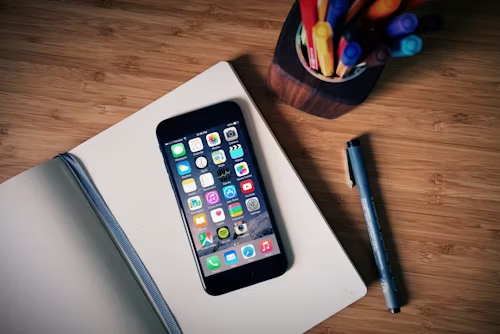
Through platforms like Substack, Wattpad, and self-publishing tools, writers can now cultivate global audiences without ever securing a traditional book deal. This has led to a renaissance of niche genres and diverse perspectives that were previously ignored by mainstream houses.
Furthermore, the structure of the narrative itself is shifting. We are seeing the rise of "hyperlinked" storytelling, where digital books incorporate multimedia elements—embedded audio, interactive maps, and non-linear paths that change based on reader choices.
Modern literature is no longer a static experience; it is increasingly immersive. E-readers have made libraries portable, while audiobooks have restored the ancient oral tradition of storytelling, allowing commuters and gym-goers to "read" during moments that were once dead air.
However, this digital shift brings challenges. The brevity of social media and the constant ping of notifications have shortened our collective attention spans, pushing writers to experiment with "snackable" prose and structurally punchy chapters to maintain engagement.
Additionally, the emergence of AI-generated text sparks an existential debate: can a machine ever capture the human condition, or is literature strictly the domain of lived experience?
Ultimately, technology hasn't replaced the book; it has expanded its ecosystem. Whether it’s an e-ink display or a classic hardcover, the core of literature remains the same—a bridge between minds. As we lean further into the digital age, the technology will continue to change, but the human hunger for a compelling story remains as constant as ever.