Seafood Traceability Software: Building Smarter, Compliant, and Transparent Seafood Supply Chains
Introduction:
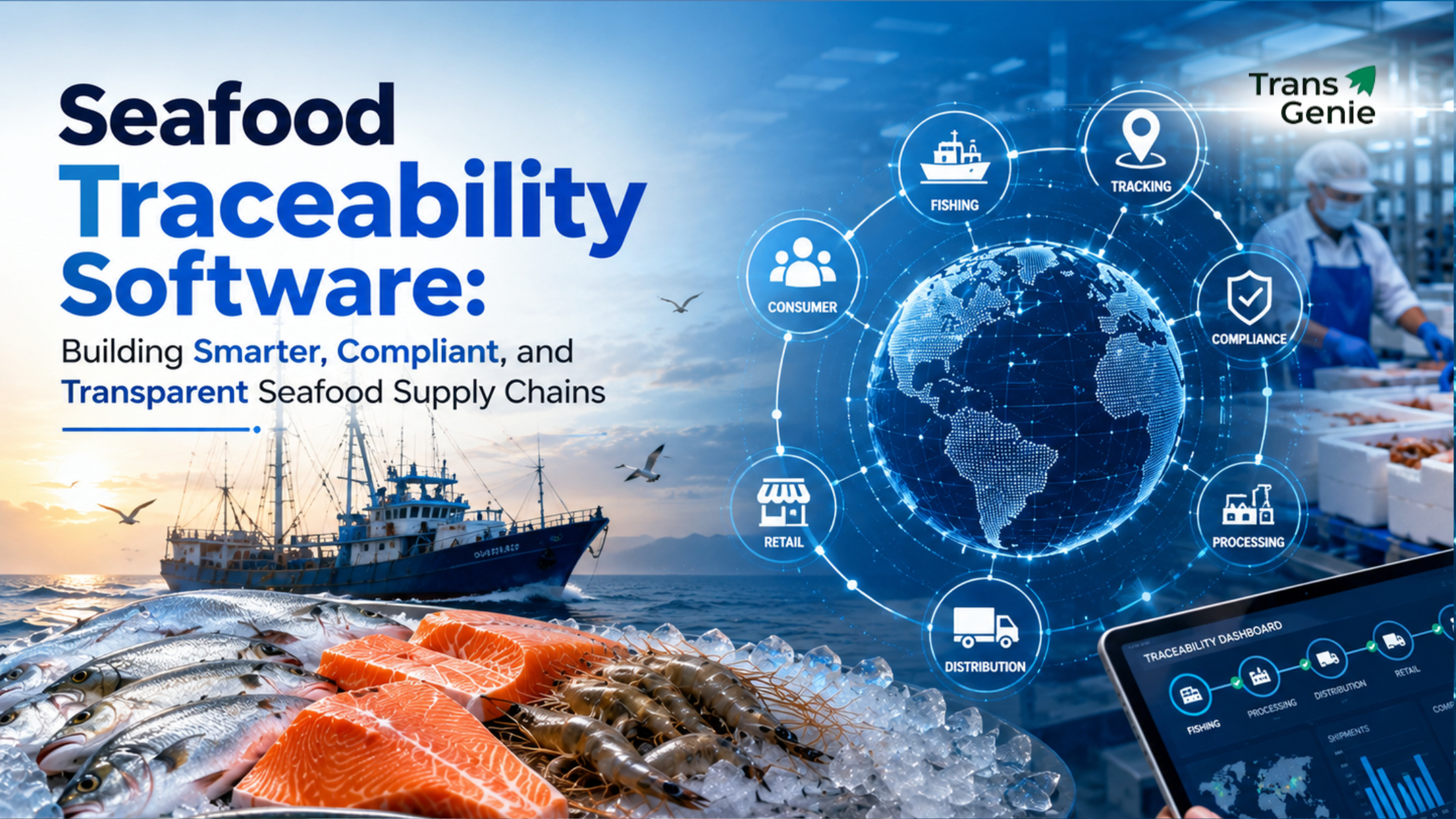
The global seafood industry operates through one of the most complex supply chains, connecting fishing vessels, aquaculture farms, processors, distributors, retailers, and consumers across different regions. Every seafood product passes through multiple stages, including harvesting, landing, processing, packaging, transportation, storage, and retail distribution. With increasing concerns around food safety, sustainability, regulatory compliance, and consumer trust, seafood businesses need greater visibility into every step of the supply chain. Traditional paper-based records, spreadsheets, and disconnected systems often create challenges such as inaccurate data, delayed reporting, limited visibility, and inefficient recall processes. Seafood Traceability Software provides a modern digital solution that enables businesses to track seafood products from their source to the final consumer, creating a complete and transparent product history while improving operational efficiency and compliance.
What Is Seafood Traceability Software?
Seafood Traceability Software is a digital platform designed to capture, manage, and track every activity involved in the seafood supply chain. It creates a connected system where businesses can monitor seafood products from the point of harvest or catch through processing, distribution, and final delivery. The software records essential product information such as catch details, harvest location, species identification, supplier information, processing activities, quality inspections, storage conditions, transportation records, and distribution history. Each seafood batch receives a unique digital identity, allowing businesses to quickly access complete product information whenever required. This end-to-end visibility helps seafood companies improve accountability, maintain accurate records, and provide customers with greater confidence in product quality and origin.
Why Seafood Traceability Is Essential for Modern Seafood Businesses
Improving Food Safety and Quality Control
Food safety is one of the biggest priorities in the seafood industry due to the sensitive nature of seafood products and the risks associated with improper handling, temperature changes, and contamination.Seafood Traceability Software helps businesses maintain strict quality control by monitoring important information throughout the product journey. Companies can track cold chain conditions, processing records, inspection results, and handling procedures to ensure seafood products meet safety standards. In the event of a quality issue, businesses can quickly identify affected batches, locate their current position, and take immediate corrective actions. This reduces food safety risks while protecting consumers and maintaining brand reputation.
Meeting Seafood Industry Compliance Requirements
Seafood businesses must comply with strict food safety regulations and industry standards that require accurate documentation and product traceability. Managing compliance through manual processes can be time-consuming and increases the risk of missing or inaccurate records. Seafood Traceability Software simplifies compliance by maintaining digital audit trails, supplier verification records, batch documentation, and recall-ready information. Automated reporting capabilities help organizations prepare for inspections, demonstrate regulatory compliance, and reduce the administrative burden associated with maintaining traceability records. A digital traceability system ensures that businesses always have reliable information available when needed.
Building Consumer Trust Through Transparency
Modern consumers increasingly want to understand where their seafood comes from and how it reaches their plates. Transparency has become an important factor influencing purchasing decisions, especially as customers look for responsibly sourced and sustainable seafood products. Seafood Traceability Software enables businesses to provide detailed product information through digital tools such as QR codes and online verification systems. Customers can access information about seafood origin, harvesting methods, processing details, and quality certifications. This level of transparency strengthens consumer confidence and helps seafood brands build long-term trust.
Challenges of Traditional Seafood Tracking Methods
Paper-Based Documentation
Many seafood businesses still rely on paper records and manual documentation to manage supply chain information. While these methods may work for smaller operations, they become difficult to manage as production volumes increase. Paper-based systems require significant manual effort, create opportunities for human errors, and make it challenging to retrieve information quickly during audits or recalls. Lost documents, duplicate entries, and incomplete records can reduce supply chain accuracy and create compliance risks.
Limited Supply Chain Visibility
Seafood supply chains often involve multiple suppliers, locations, and transportation networks. Without a centralized digital system, businesses may struggle to track seafood products in real time. Limited visibility makes it difficult to understand product movement, monitor inventory, and identify potential issues before they impact operations. Seafood Traceability Software connects different supply chain stages, providing businesses with real-time access to important product and operational data.
Slow Recall Management
When seafood safety concerns occur, businesses need to identify affected products quickly to minimize risks. Traditional tracking methods often require employees to manually search through multiple records, which can delay recall activities. Digital traceability systems allow companies to identify specific batches instantly, reducing recall time and limiting unnecessary product withdrawals. Faster recalls help protect consumers while reducing financial losses and reputational damage.
How Seafood Traceability Software Works
Source and Harvest Tracking
Seafood Traceability Software begins tracking products at the source by recording important harvesting or catching information. Businesses can capture details such as fishing vessel information, farm details, catch location, harvest dates, supplier records, and product specifications. This creates the foundation for complete traceability and ensures that every seafood product has a verified origin history.
Batch and Lot Tracking
Batch and lot tracking allows seafood companies to assign unique identifiers to every product group. These identifiers help businesses follow seafood movement through processing, packaging, storage, and distribution stages. Companies can track product genealogy, understand where ingredients originated, and maintain accurate records of every transformation process. This capability is essential for quality control, inventory management, and efficient recalls.
Processing and Quality Monitoring
During seafood processing, multiple activities take place, including cleaning, sorting, packaging, inspection, and quality testing. Traceability software captures these activities digitally, including processing records, inspection results, temperature data, packaging details, and expiration information. This ensures that businesses maintain complete visibility into product quality and handling conditions.
QR Code and Barcode Traceability
QR codes and barcode technology make seafood traceability more accessible for businesses and consumers. Each product or batch can be linked to a digital record containing important information about origin, processing history, certifications, and quality details. Customers can scan QR codes to verify product authenticity, while businesses can use barcode tracking to improve inventory control and operational accuracy.
Real-Time Supply Chain Visibility
Cloud-based Seafood Traceability Software provides real-time access to supply chain information across different locations and departments. Suppliers, processors, warehouses, and distributors can share data through a centralized platform, improving communication and collaboration. Real-time visibility enables better decision-making, reduces delays, and helps businesses respond quickly to changing market demands.
Key Benefits of Seafood Traceability Software
Faster and More Accurate Recalls
One of the biggest advantages of seafood traceability software is the ability to perform faster and more targeted recalls. Instead of reviewing large amounts of manual documentation, businesses can instantly identify specific affected batches and track their distribution path. This reduces recall costs, protects consumers, and minimizes operational disruption.
Improved Operational Efficiency
Digital traceability eliminates many manual processes by automating data collection, record management, and reporting. Businesses can reduce paperwork, minimize human errors, and streamline daily operations. Automated workflows allow employees to focus on higher-value activities while maintaining accurate product records.
Better Inventory and Production Management
Real-time inventory visibility helps seafood businesses manage stock levels, production planning, and distribution activities more effectively. Companies can reduce waste, improve forecasting accuracy, and optimize resource utilization by understanding product movement throughout the supply chain.
Stronger Supplier Management
Seafood Traceability Software enables businesses to maintain detailed supplier records and evaluate supplier performance. Companies can verify sourcing information, monitor supplier compliance, and build stronger relationships with reliable partners. This improves supply chain reliability and supports responsible sourcing practices.
Role of AI, IoT, and Cloud Technology in Seafood Traceability
Artificial Intelligence (AI)
Artificial Intelligence enhances seafood traceability by analyzing large amounts of supply chain data and identifying patterns that improve decision-making. AI can support risk prediction, quality monitoring, demand forecasting, and process optimization. These capabilities help seafood businesses operate more efficiently and proactively address potential challenges.
IoT Sensors
IoT sensors provide real-time monitoring of seafood conditions during storage and transportation. Temperature sensors and smart monitoring devices help track cold chain performance, ensuring seafood products remain within required conditions throughout their journey. This reduces spoilage risks and improves product quality.
Cloud Platforms
Cloud-based traceability platforms provide secure, scalable, and centralized data management. Businesses can access traceability information from anywhere, connect multiple locations, and easily expand operations as their supply chains grow. Cloud technology improves collaboration and ensures important information is always available.
Seafood Traceability Software and Sustainable Seafood Practices
Sustainability has become a major focus in the seafood industry as businesses and consumers demand responsible sourcing practices. Seafood Traceability Software supports sustainability by providing visibility into sourcing activities, verifying responsible harvesting methods, and reducing seafood fraud. By maintaining accurate records of product origin and movement, businesses can demonstrate environmental responsibility and support sustainable seafood initiatives.
Choosing the Right Seafood Traceability Software
Selecting the right traceability solution is important for businesses looking to improve supply chain management. A reliable Seafood Traceability Software platform should include features such as end-to-end product tracking, batch and lot management, supplier management, QR code integration, compliance reporting, ERP and inventory integration, real-time dashboards, and cloud accessibility. The right solution should be flexible enough to support different seafood operations while providing accurate and actionable supply chain insights.
The Future of Seafood Supply Chain Transparency
The future of seafood traceability will be driven by advanced technologies such as Artificial Intelligence, blockchain verification, IoT sensors, digital product passports, and customer-focused transparency tools. These innovations will help seafood companies create more connected, secure, and transparent supply chains. Businesses adopting modern traceability solutions will be better positioned to meet regulatory requirements, improve operational performance, and build stronger relationships with customers.
Conclusion:
Seafood Traceability Software has become an essential technology for businesses looking to improve food safety, compliance, sustainability, and customer trust. Traditional tracking methods are no longer sufficient to manage today’s complex global seafood supply chains. Digital traceability provides complete visibility from vessel or farm to consumer, enabling businesses to track products accurately, manage risks, improve efficiency, and respond quickly to challenges. By adopting a modern Seafood Traceability Software solution, seafood companies can build smarter, more transparent, and more reliable supply chains.