Conquer the Roof of the World: Ultimate Guide to the Everest Expedition
Standing at 8,848.86 meters (29,031.7 feet) above sea level, Mount Everest—known locally as Sagarmatha in Nepal and Chomolungma in Tibet—is the ultimate summit for mountaineers across the globe. Undertaking an expedition to the world's highest peak is not merely a climb; it is a life-defining journey of endurance, discipline, and Himalayan heritage.
If you are dreaming of stepping foot on the highest point on Earth, here is what you need to know about preparing for, navigating, and succeeding on an Everest climb.
The Gateway: Journeying Through the Everest Region
Before setting foot on the massive glaciers of Mount Everest, every expedition begins with an approach trek through the legendary Khumbu valley.
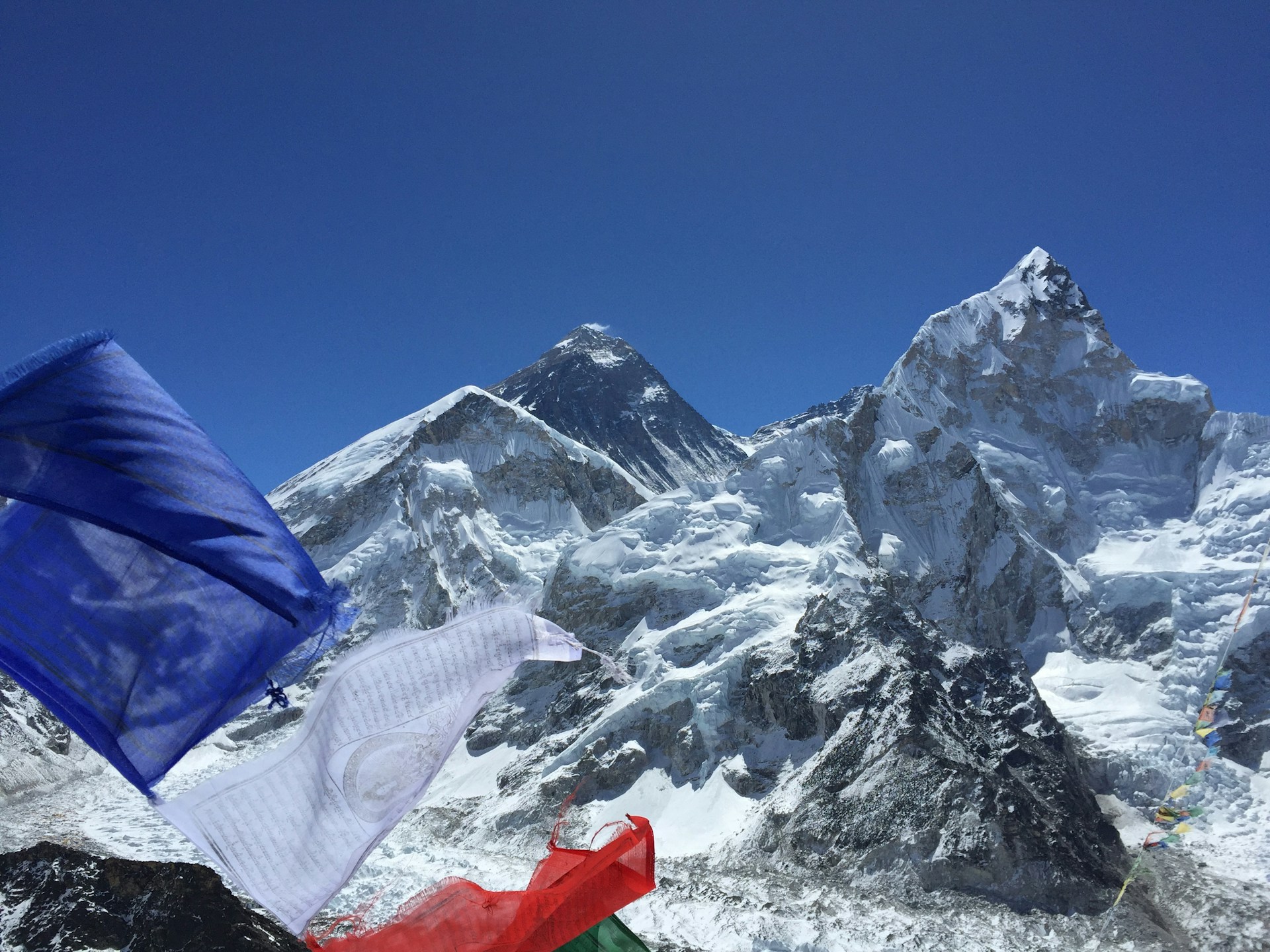
Flying into Lukla from Kathmandu marks the start of an extraordinary trek through the broader Everest Region, passing through famous Sherpa settlements like Namche Bazaar, Tengboche, and Dingboche. This 8-to-10-day approach trek is essential for active acclimatization, allowing your body to adapt to increasing altitude while immersing you in Buddhist culture, high-altitude monasteries, and dramatic alpine scenery.
Key Stages of the Mount Everest South Col Climb
Climbing Everest from the Nepal side (South Col route) is divided into four main physical and psychological stages:
The Khumbu Icefall: Located just above Everest Base Camp (5,364m), this shifting wall of ice and deep crevasses requires ladders, fixed ropes, and early-morning ascents under the guidance of expert Icefall Doctors.
The Western Cwm & Lhotse Face: Moving from Camp 1 (6,060m) to Camp 2 (6,400m) leads into a high glacial valley, followed by a steep 50-degree ice climb up the blue ice of the Lhotse Face toward Camp 3 (7,200m).
The South Col (Camp 4 - 7,920m): Situated in the "Death Zone," Camp 4 is the final staging ground where climbers rest, switch to supplemental oxygen systems, and prepare for summit night.
The Summit Push: Departing around midnight, climbers push past the Balcony, South Summit, and the technical rock-and-ice hurdle known as the Hillary Step to reach the top of the world at sunrise.
Planning a full-scale summit campaign requires world-class logistics, experienced Sherpas, oxygen support, and tailored acclimatization rotations. You can explore detailed itineraries and logistics for a fully guided Everest Expedition to see how high-altitude climbing operations are structured.
Essential Requirements for Summit Success
Prior 6,000m & 7,000m Experience: Everest should never be your first mountain. Successful candidates typically have prior ascents on peaks like Mera Peak, Island Peak, Himlung Himal, or Manaslu.
Rigorous Conditioning: Focus heavily on cardiovascular endurance, weighted step training, core stability, and mental resilience for at least 6 to 12 months prior to the climb.
Professional Expedition Management: Having reliable local infrastructure, weather forecasting, fixed rope teams, and high-altitude Sherpa support is crucial for safety above 8,000 meters.
If you're planning your next adventure in the Himalayas, check out full trekking routes, peak climbing options, and expedition details at Himalaya King(https://himalayaking.com/).
Community Discussion:
Is climbing Mount Everest on your life bucket list, or do you prefer high-altitude trekking through the base camps? Share your thoughts and questions in the comments below!
Upvote, Re-steem, and Follow for more high-altitude mountaineering guides!