The Hidden Cost of Miles: How Urban Sprawl Shapes Our Transportation
Urban sprawl—the rapid expansion of residential and commercial development into previously undeveloped land—is more than just an aesthetic shift in our landscapes. It is a fundamental architect of how we move, where we go, and how much time we spend in transit.
While the dream of a quiet home with a large yard fuels this expansion, the resulting transportation consequences are profound and often counterproductive.
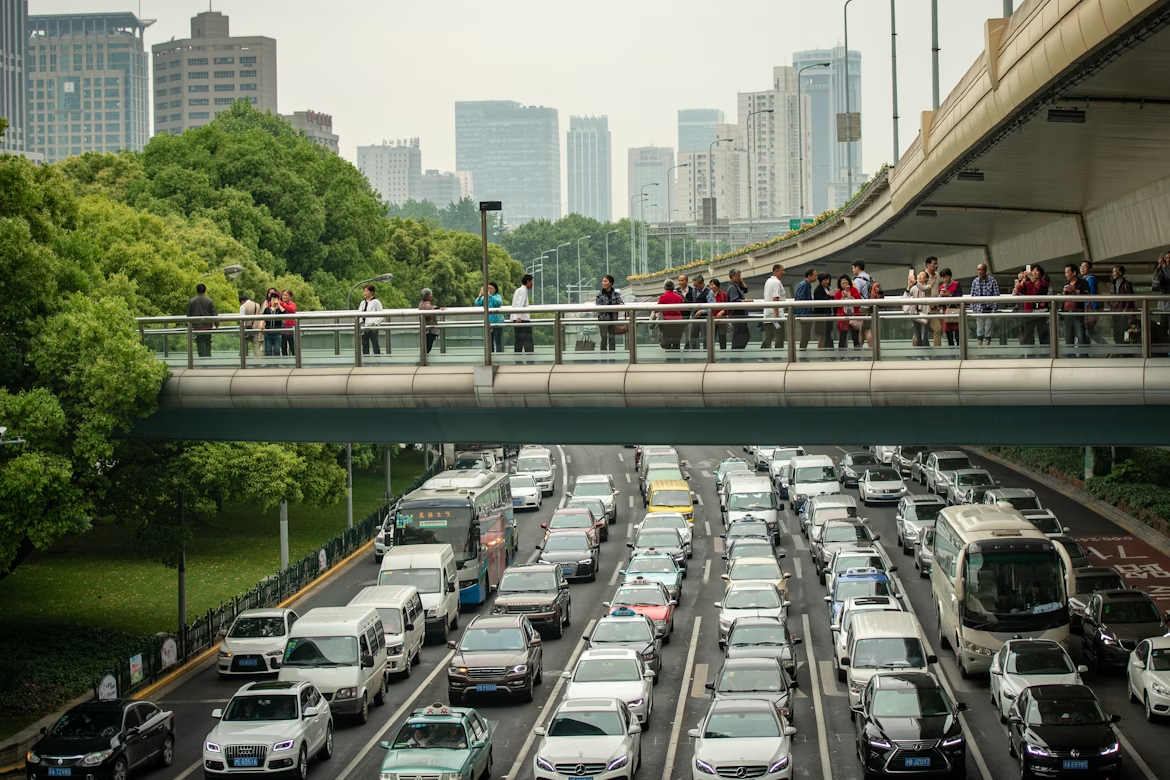
The most immediate effect of sprawl is the death of proximity. When cities spread outward rather than upward, the distance between homes, workplaces, schools, and grocery stores increases dramatically. This physical separation renders walking or cycling impractical for most daily errands, effectively mandating a car-centric lifestyle.
In sprawling developments, the "walk score" drops to zero, and the local street design often lacks the basic infrastructure—like sidewalks and safe intersections—to support non-motorized travel.
Consequently, this reliance on personal vehicles creates a dependency cycle. As more people drive longer distances, traffic congestion becomes inevitable. Urban planners are then pressured to widen roads and build massive highway interchanges to accommodate the influx, a process often dubbed "induced demand."
Paradoxically, these improvements rarely solve congestion; they simply encourage further sprawl as commuters feel emboldened to move even further away, knowing a high-speed road awaits them.
Furthermore, sprawl is the primary enemy of public transit viability. Efficient bus and rail systems thrive on high population density. When development is scattered and low-density, transit agencies struggle to provide frequent or cost-effective service.
Low ridership leads to infrequent schedules, making public transport a "last resort" rather than a convenient choice.
Ultimately, urban sprawl transforms transportation from a functional utility into a tax on our time and environment. By prioritizing horizontal expansion, we inadvertently lock ourselves into a system of long commutes, increased carbon emissions, and diminished community connectivity.
Reversing this requires a shift toward transit-oriented, compact development—creating places where life is close enough to reach without starting an engine.
🎉 Congratulations!
Your post has been upvoted by the SteemX Team! 🚀
SteemX is a modern, user-friendly and powerful platform built for the Steem community.
🔗 Visit us: www.steemx.org
✅ Support our work — Vote for our witness: bountyking5