The Concrete Jungle: How Urbanization is Reshaping Wildlife Habitats
As our global population continues to surge, cities are expanding at an unprecedented rate. While urbanization drives economic growth and human convenience, it comes at a significant cost to the natural world.
The rapid expansion of "concrete jungles" is fundamentally altering the landscape, leading to one of the most critical environmental challenges of our time: the fragmentation and loss of wildlife habitats.
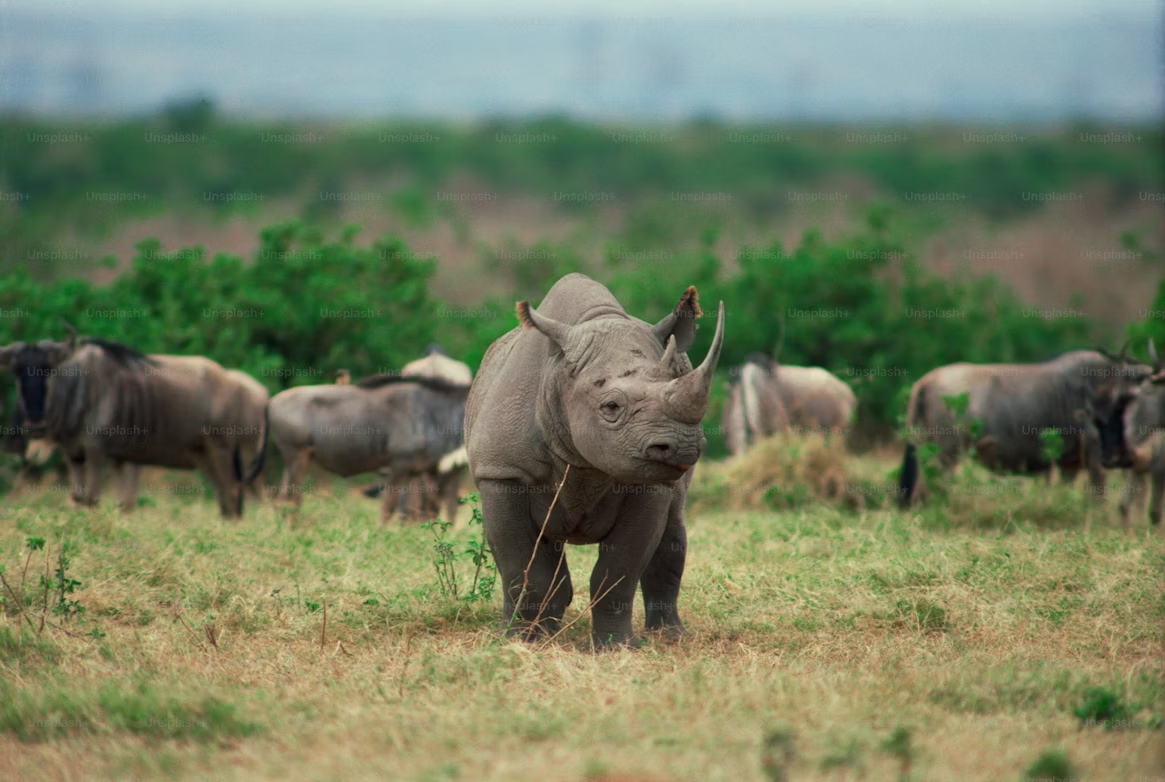
When a city expands, it doesn't just pave over land; it dissects ecosystems. Large, contiguous patches of forests, wetlands, and grasslands are carved into smaller, isolated "islands." For many species, this isolation is fatal.
Animals that require large territories to hunt, forage, or find mates—such as apex predators or migratory birds—find themselves trapped in fragmented pockets. This reduction in space leads to increased competition for dwindling resources, often forcing wildlife into closer proximity to humans.
The consequences extend beyond spatial loss. Urbanization introduces "edge effects," where the conditions of a habitat change due to its proximity to human development. Increased noise, artificial light at night, and chemical pollutants create hostile environments for species that rely on natural sensory cues to survive.
Nocturnal animals, for instance, are often disoriented by the perpetual glow of streetlights, while noise pollution can drown out the mating calls and social signals essential for species survival.
However, the story isn't entirely bleak. The rise of "urban ecology" highlights the resilience of certain species, such as raccoons, foxes, and various bird populations, which have adapted to navigate the human-built landscape. Yet, adaptation shouldn't be mistaken for thriving.
To preserve biodiversity, urban planning must shift toward "nature-inclusive" development. By integrating wildlife corridors, rooftop gardens, and protected green belts into city infrastructure, we can reconnect fragmented habitats.
If we want our cities to be truly sustainable, we must learn to share our space with the wild neighbors who were here long before the first brick was laid.
🎉 Congratulations!
Your post has been upvoted by the SteemX Team! 🚀
SteemX is a modern, user-friendly and powerful platform built for the Steem community.
🔗 Visit us: www.steemx.org
✅ Support our work — Vote for our witness: bountyking5