How to Create a Crypto Payment Gateway - Guide 2026
Custom Crypto Payment Gateway or Ready-Made Solution: Guide 2026
As cryptocurrency adoption continues to grow, more businesses are exploring ways to accept digital payments. Whether you run an online store, a SaaS platform, a marketplace, or a fintech company, integrating crypto payments can help you reach a global audience while offering customers greater payment flexibility.
One of the biggest decisions businesses face is whether to create crypto payment gateway or use ready-made crypto payment solutions. Both options make it possible to accept cryptocurrencies like Bitcoin, Ethereum, and stablecoins, but they differ significantly in terms of cost, development time, flexibility, and long-term maintenance.
Understanding Crypto Payment Gateways
A crypto payment gateway acts as the bridge between your customers and your business. It generates payment addresses, verifies blockchain transactions, processes payments securely, and allows merchants to receive cryptocurrency without manually handling blockchain operations.
Modern payment gateways often include features such as:
- Multi-currency support
- Real-time exchange rates
- Merchant dashboards
- API integrations
- Wallet management
- Payment notifications
- Transaction reporting
- Fiat settlement options
The question isn't whether your business needs these features—it's whether you should build them yourself or rely on an existing platform.
Custom Development: Maximum Control
Developing your own crypto payment gateway gives you complete ownership of the software. Every feature, workflow, and integration can be tailored to your business requirements.
This approach is particularly attractive for companies where payment infrastructure is a core part of the business model, such as cryptocurrency exchanges, payment processors, fintech companies, or enterprise marketplaces.
The biggest advantage is flexibility. You decide which cryptocurrencies to support, how payments are processed, how reporting works, and how the platform evolves over time.
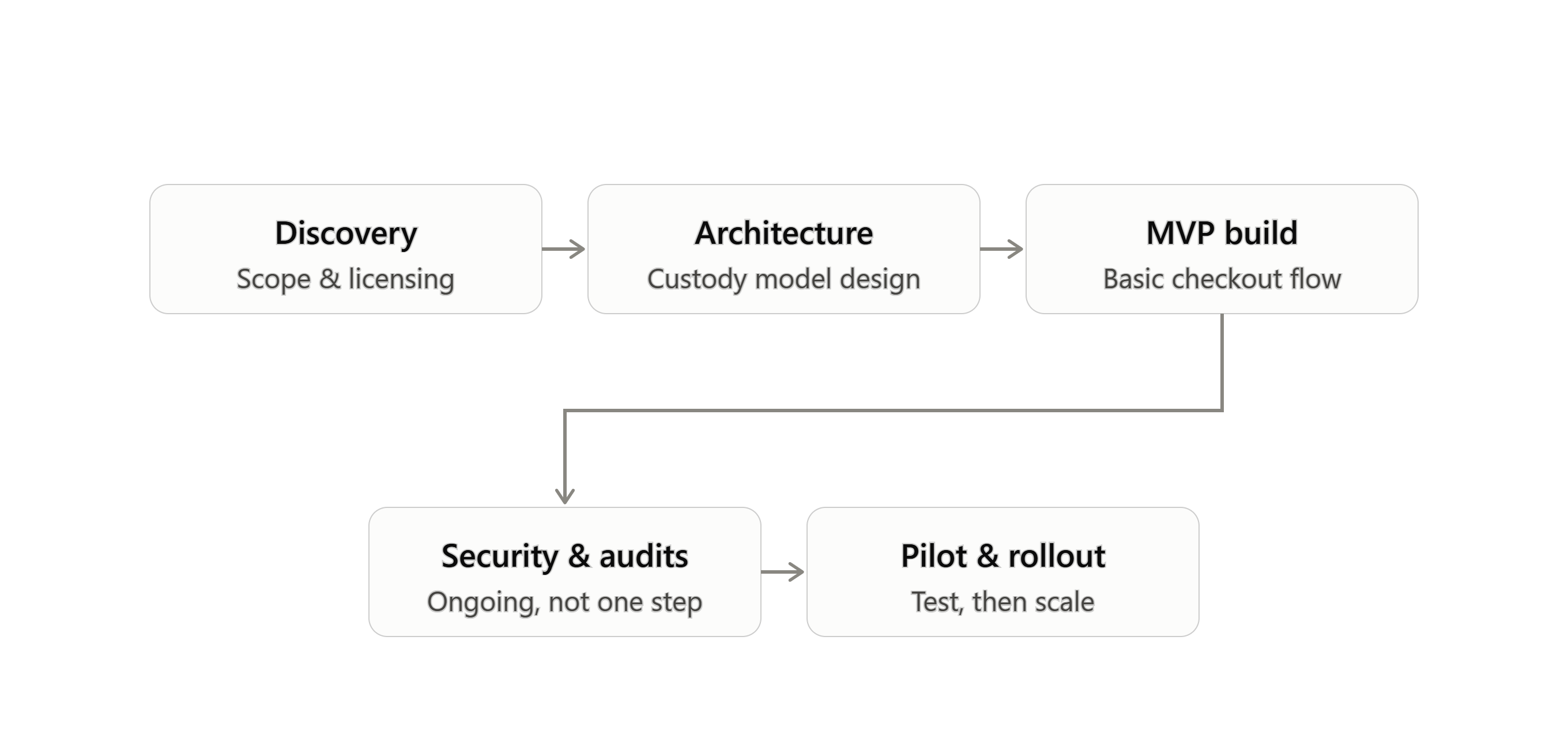
However, building a payment gateway is a major investment. Development often takes several months and requires blockchain developers, backend engineers, security specialists, and ongoing maintenance. Security audits, infrastructure management, compliance updates, and blockchain compatibility all become your responsibility.
While the long-term benefits can be substantial, the initial cost and technical complexity make custom development a practical choice mainly for larger organizations.
Ready-Made Solutions: Faster and More Affordable
For many businesses, speed is just as important as customization. Ready-made crypto payment gateways eliminate the need to build blockchain infrastructure from scratch.
Instead of spending months on software development, merchants can integrate existing APIs and begin accepting cryptocurrency payments within days.
Platforms like Finassets provide enterprise-grade payment processing while handling infrastructure maintenance, security updates, and blockchain compatibility behind the scenes. This allows businesses to focus on growth rather than software engineering.
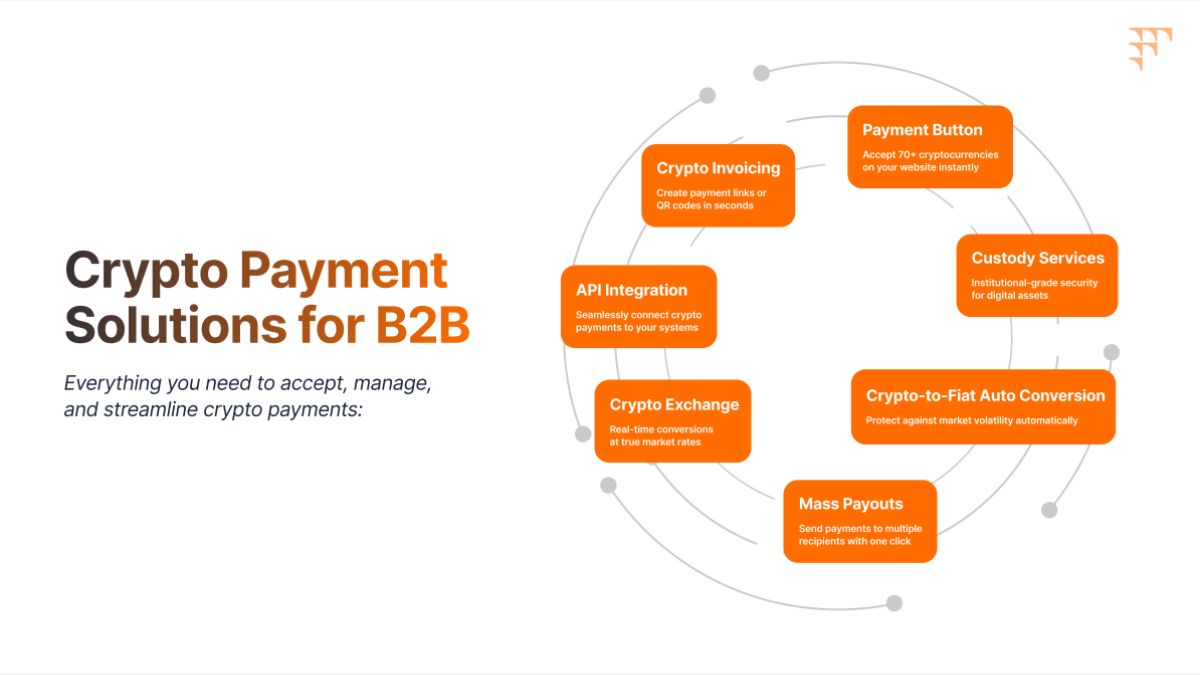
Another major advantage is cost. Instead of investing heavily in development, businesses typically pay a small transaction fee, making ready-made platforms much more accessible for startups and growing companies.
Comparing the Two Approaches
Choosing between custom development and a ready-made solution depends on your business goals.
A custom gateway offers complete ownership, unlimited customization, and full control over every aspect of the payment process. It can also become a valuable long-term asset for organizations processing very high transaction volumes.
Ready-made platforms, on the other hand, provide faster deployment, lower upfront costs, professional maintenance, and reduced operational risk. They are especially attractive for businesses that want reliable crypto payment processing without building an in-house blockchain team.
Security and Compliance
Security is one of the most important considerations when handling cryptocurrency transactions.
Businesses developing their own gateway must implement secure wallet management, private key protection, encryption, infrastructure monitoring, backup systems, penetration testing, and disaster recovery plans.
Compliance is equally important. Depending on the jurisdiction, businesses may need to implement Know Your Customer (KYC), Anti-Money Laundering (AML), transaction monitoring, tax reporting, and identity verification procedures.
Ready-made providers usually include many of these features as part of their platform, reducing both development effort and compliance risks.
Which Option Is Right for Your Business?
If your company plans to build a proprietary payment platform or offer payment services to other merchants, investing in a custom crypto payment gateway may deliver greater long-term value despite the higher initial investment.
If your goal is simply to accept cryptocurrency payments quickly, securely, and with minimal technical overhead, a ready-made solution is often the smarter choice. It enables faster market entry while allowing your business to scale without worrying about maintaining blockchain infrastructure.
Final Thoughts
There is no universal answer when choosing between custom crypto payment gateway development and a ready-made platform. The best option depends on your budget, technical expertise, expected transaction volume, and long-term business strategy.
For organizations that require complete control and highly customized payment infrastructure, building a proprietary gateway can provide lasting competitive advantages. For most online businesses, however, a ready-made solution offers a practical balance of speed, affordability, security, and scalability.
Before making your decision, carefully evaluate not only the initial development costs but also ongoing maintenance, compliance requirements, infrastructure management, and future growth plans. Selecting the right payment solution today can save significant time, money, and resources as your business expands into the rapidly evolving world of cryptocurrency payments.