Eating Vegetables Every Day: Cooking, Storing, and Nutrients
Eating Vegetables Every Day: Cooking, Storing, and Nutrients
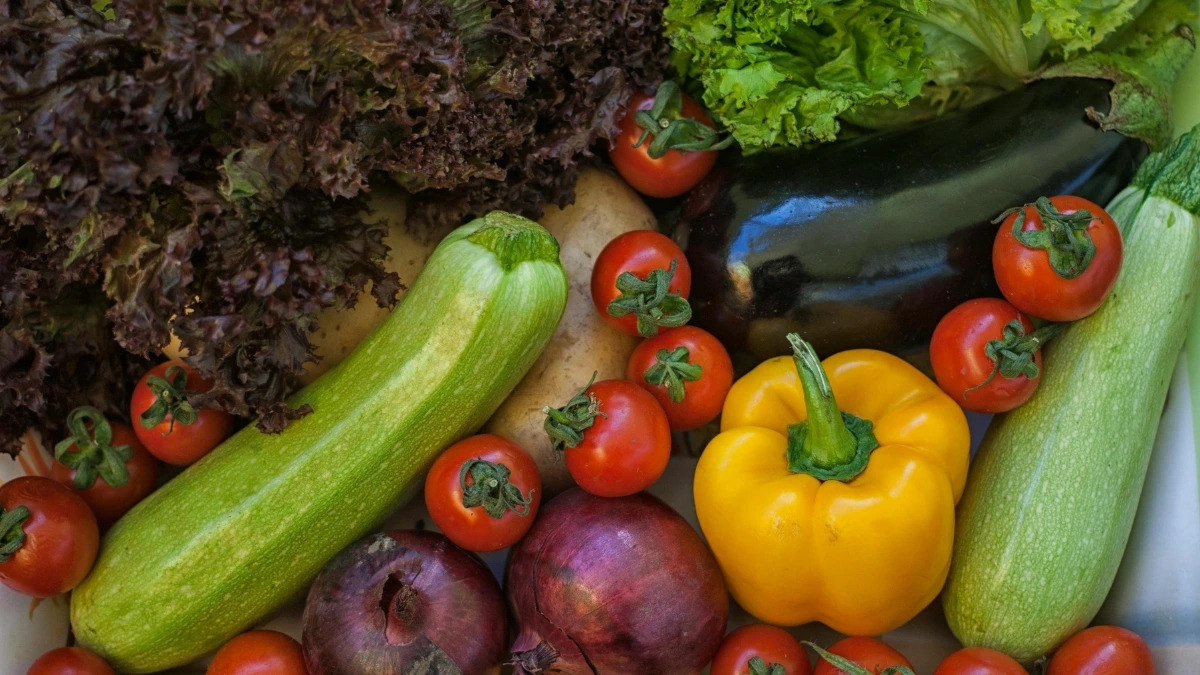
Discover how to store, prepare, and cook your vegetables to preserve their vitamins. A practical and delicious guide to optimize your healthy meals.
- How to Properly Prepare and Cook Vegetables to Preserve Their Vitamins?
Eating vegetables is the cornerstone of a balanced diet. Rich in fiber, minerals, antioxidants, and water, they support the immune system, aid digestion, and protect cardiovascular health. However, buying good, fresh produce is only the first step: how we store, peel, and cook them directly influences the amount of nutrients that actually reach our plates.
Indeed, some vitamins—like vitamin C or the B vitamins—are extremely sensitive to heat, light, and air. How can you cook your vegetables every day without destroying their nutritional benefits? Here's a complete guide to enhance your meals while taking care of your health.
- Storage: Preserve freshness upon returning from the market
The process of vitamin degradation begins as soon as the vegetable is harvested. Several days can pass between the time it is picked and the time it ends up in your kitchen. Improper storage accelerates nutrient loss and increases food waste.
The refrigerator's vegetable drawer
Most root vegetables (carrots, turnips, beets) and leafy greens (spinach, lettuce, cabbage) are best stored in the crisper drawer of your refrigerator. The cold slows down oxidation. Remember to store them outside of their airtight plastic bags to avoid condensation, which accelerates spoilage.
Vegetables that are sensitive to cold
Certain vegetables should absolutely not be refrigerated:
- The tomato: Cold destroys its flavor cells, causing it to lose all its flavor and juicy texture.
- Onions and garlic: They sprout and soften more quickly due to the humidity in the refrigerator.
- Pumpkins and sweet potatoes: They can be stored for several weeks in a dry, cool place away from light.
- Preparation: Peeling and cutting without waste
The skin of many vegetables contains a large portion of the fiber, antioxidant pigments, and vitamins. Over-peeling deprives your meals of valuable nutritional qualities.
Is it always necessary to peel vegetables?
If you prefer organically grown or homegrown vegetables, a simple scrub under running water is often all you need. This is the case for zucchini, new carrots, cucumbers, and even butternut squash, whose skin softens when cooked. If you must peel non-organic vegetables, use a fine peeler to remove as little peel as possible.
The impact of cutting on oxidation
The smaller the pieces you cut a vegetable into, the more surface area it's exposed to air and light. If you're chopping your vegetables well in advance, drizzle them with a little lemon juice (rich in antioxidant vitamin C) to prevent browning, and cook them quickly after chopping.
- Cooking methods: The nutritional value match
Cooking alters the structure of vegetables. While it facilitates the digestion of some by softening their fibers, excessive heat or prolonged immersion in water can degrade their nutrients.
| Cooking method | Vitamin preservation | Impact on digestion |
| Gentle steam (< 95°C) | ⭐⭐⭐⭐⭐ (Excellent) | Makes fibers very digestible |
| Wok / Pan-fried | ⭐⭐⭐⭐☆ (Very good) | Keeps it crisp |
| Oven roasting | ⭐⭐⭐☆☆ (Average) | Concentrates natural sugars |
| Boiling in water | ⭐⭐☆☆☆ (Low*) | *Unless the broth is consumed |
Gentle steaming
This is the best method for preserving water-soluble vitamins (vitamins C and B). Because the vegetables are not submerged in water, their minerals do not leach into the cooking liquid. Furthermore, the vegetables retain their vibrant color and natural firmness.
Oven and wok cooking
Quickly stir-frying finely chopped vegetables in a very hot wok with a drizzle of olive or sesame oil sears them without cooking them through. Roasting in the oven (at a maximum of 180°C/350°F), on the other hand, lightly caramelizes the natural sugars in carrots, squash, or onions, making them particularly flavorful.
- Which vegetables should you include in your daily diet?
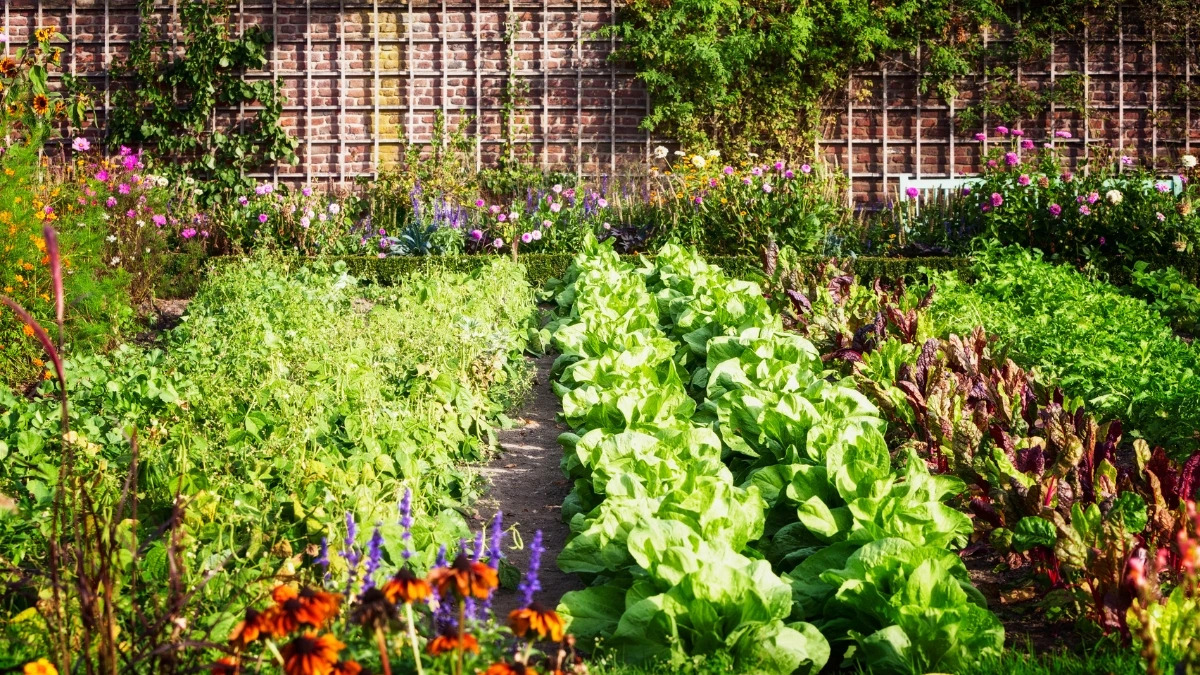
To benefit from a full spectrum of vitamins and minerals, variety is your best ally. Each vegetable color corresponds to specific pigments and antioxidants (beta-carotene for orange, lycopene for red, chlorophyll for green).
To find out the exact recommended portions, the complete list of nutritional values, and the best combinations for your health, discover our comprehensive guide on vegetable consumption, their benefits, and ideal quantities..
- 3 tips to eat more vegetables every day
If you struggle to reach your daily vegetable intake, here are a few simple thoughts to put into practice:
- Try grated vegetables as a starter: Grating carrots, white cabbage or raw beetroot allows you to consume living foods, full of intact vitamins and digestive enzymes.
- Hide vegetables in your sauces: Blend cooked zucchini, carrots, or cauliflower to enrich a tomato sauce or pasta sauce. This adds texture and binds the ingredients without altering the taste.
- Opt for soups and creamy soups in winter: Although some vitamin C is destroyed during cooking, minerals migrate into the cooking water. By consuming the broth with the blended vegetables, you recover all of the dissolved minerals.