The Sound of Innovation: Why Voice-Activated Technology is the Future of Computing
For decades, we interacted with computers through clunky keyboards and precise mouse clicks. Today, that paradigm is shifting. Voice-activated technology has evolved from a novelty feature into a cornerstone of the modern digital experience, fundamentally altering how we live, work, and interface with our machines.
Beyond the Screen
The rise of Natural Language Processing (NLP) and Artificial Intelligence has turned our voices into the primary user interface. With the integration of voice assistants like Alexa, Siri, and Google Assistant, we have reached an era of "ambient computing."
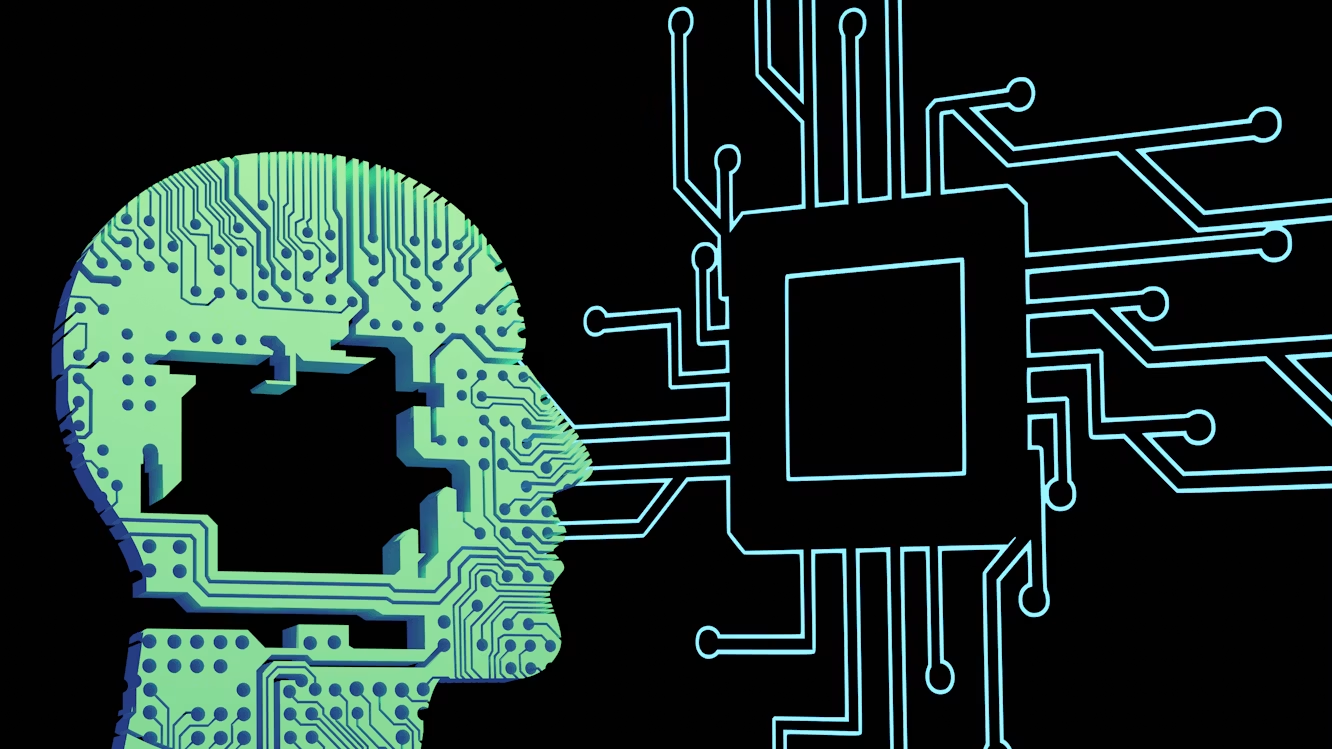
Technology is no longer confined to a screen; it is becoming an invisible layer in our environment. Whether you are adjusting your smart thermostat, drafting an email, or filtering complex data sets, voice commands offer a hands-free, frictionless experience that mirrors human conversation.
Why Voice is the Ultimate Interface
Accessibility and efficiency are the primary drivers of this transition. Voice technology lowers the barrier to entry for digital literacy, allowing children, the elderly, and individuals with disabilities to access information without needing to master traditional input devices.
In the corporate world, the future of computing lies in "conversational intelligence." As AI models become more context-aware, computers will shift from reactive tools to proactive assistants. Imagine a workspace where you don’t need to navigate software menus; instead, you simply ask the system to "summarize the quarterly projections, create a slide deck, and schedule a review meeting." This is the shift from operating a computer to collaborating with one.
The Road Ahead
As we look toward the future, the integration of voice will only deepen. We are moving toward a world where technology listens, anticipates, and responds in real-time. By removing physical interfaces, we are essentially making technology disappear, leaving behind only the pure, fluid exchange of intent and action. Voice is not just an alternative to typing; it is the final frontier of intuitive computing.