How Water & Flood Damage Starts and How to Stop It
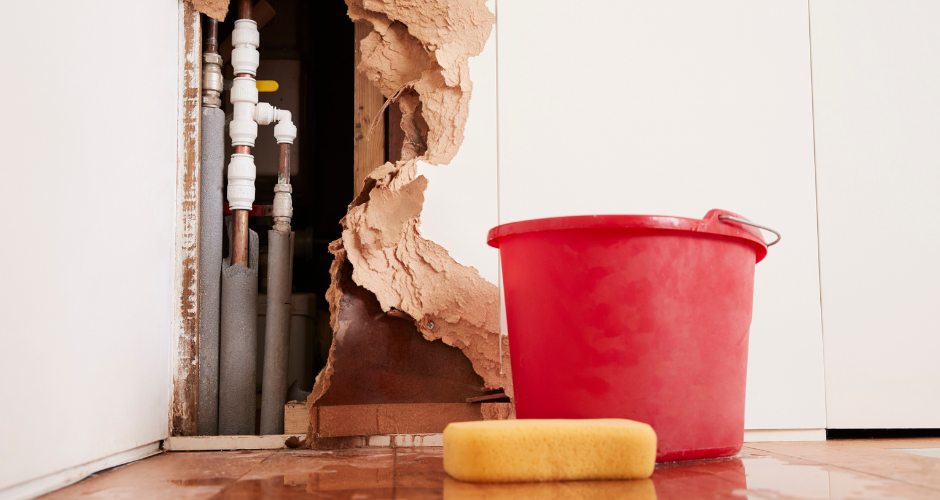
Water & flood damage rarely announces itself with a bang. It usually starts small: a soft spot on the ceiling, a musty smell in the basement, a slightly warped floorboard near the dishwasher. By the time most homeowners notice, the problem has already been growing for days, sometimes weeks.
Signs You're Dealing With More Than Just a Wet Floor
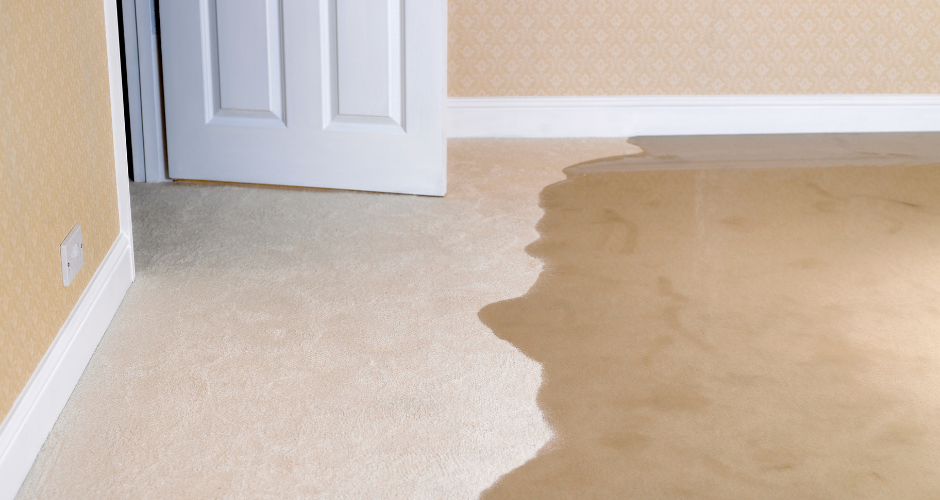
A wet patch on the carpet feels like a minor annoyance. It's tempting to grab a towel, mop it up, and move on. But standing water is often just the visible part of a bigger issue hiding behind walls or under flooring.
Watch for these common warning signs:
- Peeling paint or bubbling wallpaper
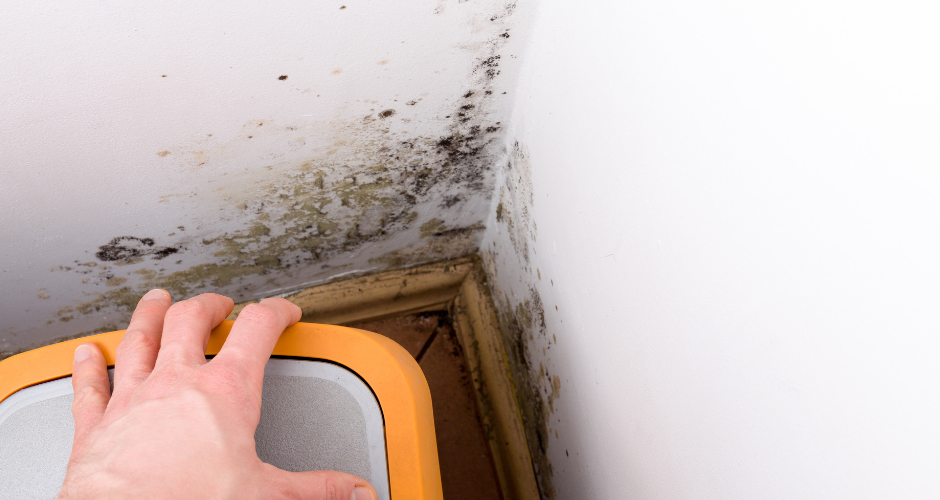
- A musty or earthy smell that won't go away
- Discolored patches on ceilings or walls
- Warped, buckled, or soft flooring
- Higher-than-normal water bills with no clear reason
One Scarborough homeowner learned this the hard way in early 2023. A small brown ring appeared on the ceiling above the kitchen. It looked harmless, so it got ignored for almost three weeks. By the time a plumber checked the attic, the leak had soaked through the insulation and mold had already started spreading along the beams. What could have been a $200 repair turned into a five-figure job.
What Causes Water & Flood Damage in Homes Across Toronto
Leaks like this usually come from one of a few sources: old plumbing, severe weather, or appliance failure. Frozen pipes bursting in winter, sump pump failures during heavy rain, and leaking water heaters are some of the most common culprits homeowners deal with.
Basements are especially at risk. Poor grading around the foundation, cracked walls, and clogged eavestroughs all funnel water toward the lowest point in the house. Add a summer storm or a fast spring thaw, and even a well-maintained home can end up with a flooded crawlspace overnight.
"Water hides in places people can't see," says one IICRC-certified restoration technician. "By the time it shows up on a ceiling or wall, it's often been sitting there for days, doing damage the whole time."
The First 24 Hours After Water Hits Your Home
The first day after a leak or flood matters more than most people realize. Mold can begin forming within 24 to 48 hours in damp conditions, so speed makes a real difference in how much gets saved.
Here's a simple timeline that works for most situations:
- Hour 1: Shut off the water source and cut power to the affected area if it's safe to do so.
- Hours 1–3: Remove valuables and furniture from standing water.
- Hours 3–24: Start ventilation with fans and dehumidifiers, and call a restoration company.
- Day 2 onward: Begin drying, cleaning, and repair work.
Skipping steps or waiting too long to call for help is one of the most common mistakes homeowners make. A slow response gives mold and bacteria time to settle into drywall, carpet padding, and wood framing.
Why DIY Cleanup Often Falls Short
A wet vac and a few fans can handle a small spill. They can't handle water that has soaked into subflooring or crept behind baseboards. Surface-level drying looks fine, but moisture trapped underneath keeps causing damage long after the floor looks dry.
Homeowners also tend to underestimate how fast mold spreads once moisture sets in. A few missed spots behind a wall can turn into a full mold remediation project within a month. This is why water & flood damage is best handled with professional equipment, like moisture meters and industrial dehumidifiers, which catch what the eye can't.
Choosing a Restoration Team You Can Trust
Not every cleanup company handles emergencies the same way. Response time matters, and so does experience with insurance claims. Professional water damage restoration typically offers 24/7 emergency response, direct insurance billing, and trained technicians who assess damage using tools like thermal imaging cameras.
Look for a company that explains its process clearly before starting work. A trustworthy team walks through the assessment, the drying plan, and the expected timeline instead of jumping straight into repairs without answers.
What Happens During Deep Cleaning After a Flood
Once the water is gone, the real cleanup begins. Floodwater leaves behind bacteria, allergens, and odors that regular mopping won't fully remove. This is where reliable home cleaning come in, covering everything from carpet extraction to duct and vent sanitizing.
A thorough post-flood cleaning usually includes:
- Deep carpet and upholstery extraction
- Air duct and HVAC cleaning to remove trapped moisture
- Odor removal treatments
- Sanitizing of floors, walls, and affected surfaces
Skipping this step is another common mistake. A home can look dry and still carry mold spores or bacteria in the air ducts, which shows up later as allergy symptoms or a lingering smell nobody can pinpoint.
Small Habits That Prevent Costly Water Problems
Prevention is far cheaper than repair. A few simple habits can catch problems before they turn into emergencies:
- Check the water heater and washing machine hoses twice a year
- Clean gutters and downspouts every fall
- Test the sump pump before spring rains start
- Insulate exposed pipes before winter
Watch for slow drains, which often signal a bigger blockage
None of these take more than an hour, and each one lowers the odds of a costly surprise later. Many homeowners only start these habits after their first flood, which is exactly the pattern worth breaking early.
The Difference Between a Quick Fix and a Real Recovery
Recovering from a leak or flood isn't just about drying the floor. It takes the right timeline, the right tools, and often, the right team. Homeowners who act within the first 24 hours, call in professionals early, and follow through with proper cleaning tend to avoid the repeat problems that come from rushed or incomplete repairs. Understanding water & flood damage early and acting on it fast, is what keeps a small leak from turning into a much bigger, much costlier headache.