How Waterproof Tarps Can Help Create Dry Storage Areas in Your Backyard
Introduction
Backyard storage can quickly become a challenge, especially in regions that experience frequent rain, high humidity, or unpredictable weather. Items like gardening tools, outdoor furniture, firewood, and recreational equipment are often left exposed, leading to damage, rust, mold, or deterioration. While permanent structures like sheds or garages can solve this problem, they are not always practical due to cost, space limitations, or installation requirements.
Waterproof tarps offer a flexible, cost-effective alternative for creating dry storage areas in your backyard. With the right setup, they can provide reliable protection against moisture and environmental exposure while remaining easy to install, adjust, and store. Widely available online—including on Amazon—these tarps come in various sizes and materials suited for different outdoor storage needs.
1. Building Simple Covered Storage Zones
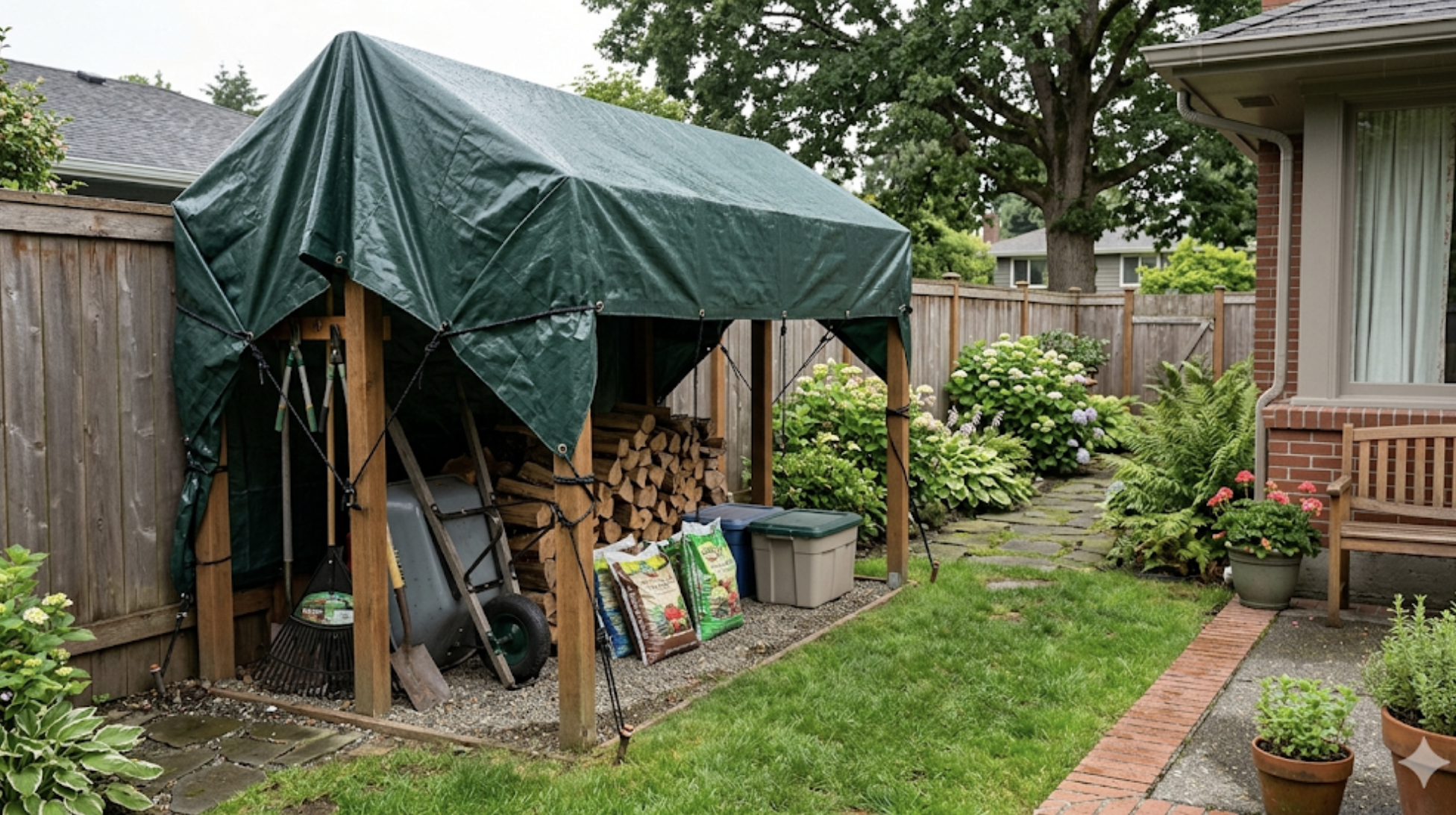
One of the most effective ways to use waterproof tarps is by creating covered storage areas. By suspending a tarp over a designated space using poles, ropes, or existing structures like fences and walls, you can quickly establish a sheltered zone.
This setup works well for protecting items such as lawnmowers, bicycles, grills, or gardening supplies. A basic overhead canopy prevents direct rainfall from reaching your belongings, while also offering partial shade from the sun. For added protection, the tarp can be extended down the sides to create a more enclosed space.
This approach is especially useful for homeowners who need a temporary or seasonal solution without investing in permanent construction.
2. Protecting Firewood and Outdoor Materials
Firewood storage is a common backyard concern. When exposed to rain or ground moisture, wood can become damp, making it harder to burn and more prone to mold and decay.
Waterproof tarps can be used to create elevated, dry storage for firewood by covering stacked logs while leaving the sides partially open for ventilation. This balance is important—while the tarp keeps rain out, airflow helps prevent moisture buildup and promotes proper drying.
The same method can be applied to other materials such as mulch, soil bags, or construction supplies. By keeping these items covered and off the ground, you can maintain their usability and extend their lifespan.
3. Creating Ground Barriers to Prevent Moisture Seepage
In addition to overhead coverage, waterproof tarps can be used as ground barriers to prevent moisture from seeping into stored items. Placing a tarp underneath your storage area creates a protective layer between your belongings and damp soil.
This is particularly useful in areas prone to flooding or heavy rain, where water can accumulate on the ground. By elevating items slightly—using pallets or platforms—and adding a tarp underneath, you create a double layer of protection against moisture.
Ground barriers are also beneficial for keeping items clean, as they prevent direct contact with mud, dirt, and debris.
4. Designing Enclosed Tarp Storage Shelters
For more comprehensive protection, waterproof tarps can be used to construct fully enclosed storage shelters. By combining multiple tarps or using a single large one, you can create walls and a roof that shield items from all sides.
These makeshift shelters can be supported with frames made of wood, metal, or PVC pipes. When properly secured, they function similarly to a temporary shed, protecting contents from rain, wind, and even dust.
Enclosed tarp shelters are ideal for storing larger equipment, seasonal decorations, or bulk supplies. They can also be customized based on available space, making them a versatile solution for various backyard layouts.
5. Ensuring Proper Installation and Maintenance
To maximize effectiveness, waterproof tarps must be installed and maintained correctly. Poor setup can lead to water pooling, leaks, or damage over time.
Key best practices include:
- Positioning tarps at an angle to allow water runoff
- Securing all edges tightly to prevent wind uplift
- Avoiding sharp edges that could puncture the material
- Regularly checking for tears, loose fasteners, or accumulated debris
Proper tension is crucial—tarps should be tight enough to prevent sagging but not overstretched, which can weaken the material. Routine inspections help ensure that the tarp continues to provide reliable protection, especially during heavy storms.
When it’s time to upgrade or replace, a wide selection of waterproof tarps is available on Amazon, offering different thicknesses, sizes, and durability levels to match your specific storage needs.
Conclusion
Waterproof tarps provide a practical and adaptable solution for creating dry storage areas in your backyard. Whether used as overhead covers, ground barriers, or fully enclosed shelters, they offer effective protection against rain, moisture, and environmental wear.
For homeowners seeking an affordable alternative to permanent structures, tarps deliver both flexibility and performance. With proper installation and maintenance, they can significantly extend the life of outdoor items while keeping your backyard organized and functional.
Thanks to their availability on platforms like Amazon, finding the right waterproof tarp for your needs is straightforward—making it easier than ever to safeguard your belongings and maintain a clean, dry outdoor space year-round.