Tips for Using Waterproof Tarps to Protect Landscaping Materials from Rain
Landscaping projects often involve storing large amounts of materials outdoors, including mulch, gravel, soil, sand, pavers, fertilizers, and wood products. While outdoor storage is convenient, exposure to rain can quickly create problems. Wet landscaping materials may become contaminated, difficult to transport, heavier to handle, or unusable for certain applications.
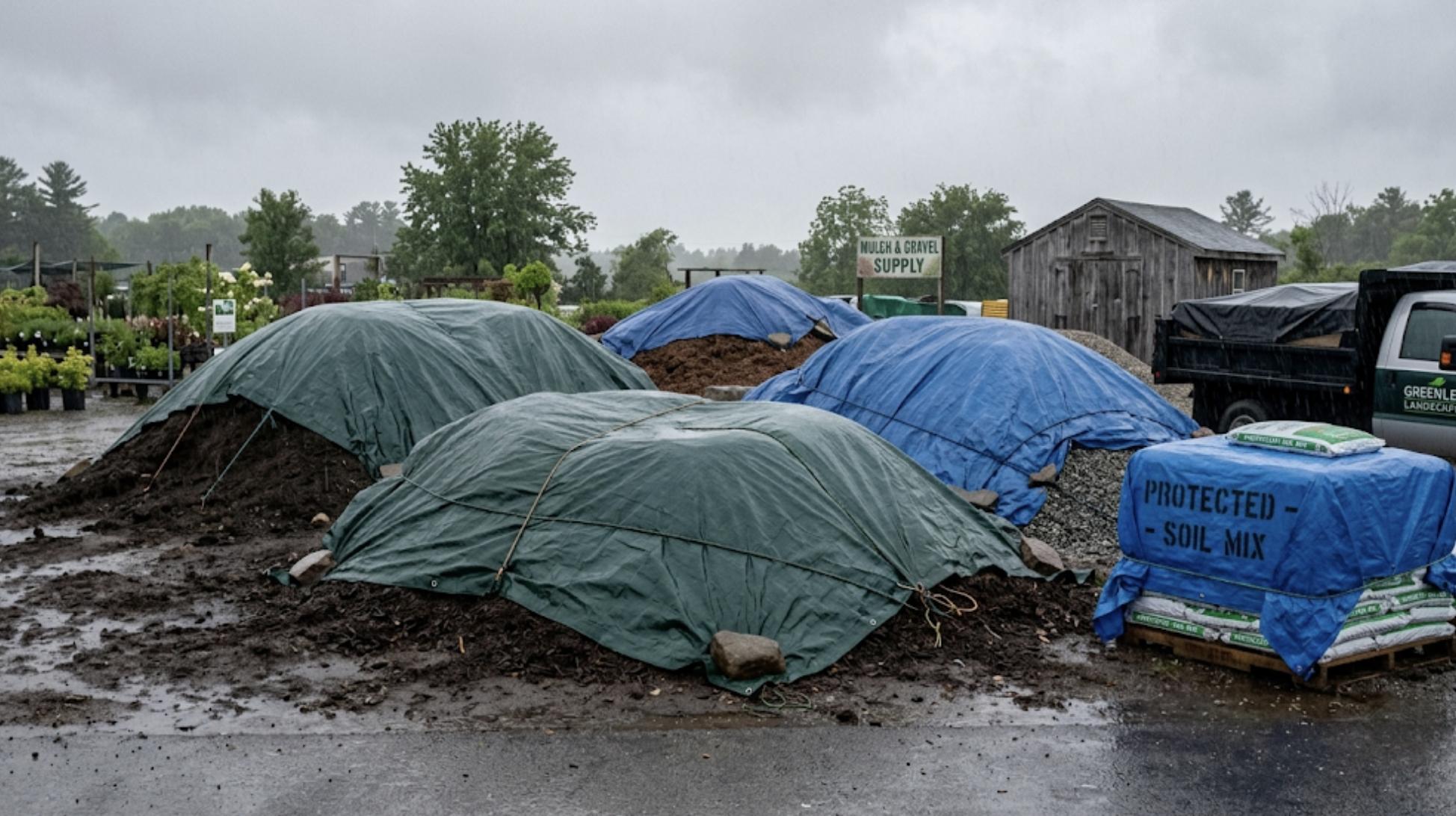
One of the simplest and most effective ways to protect landscaping supplies is by using waterproof tarps. These durable covers help shield materials from rain, moisture buildup, and debris while improving organization and reducing waste. Whether for professional landscaping companies or residential backyard projects, waterproof tarps can play an important role in maintaining material quality during changing weather conditions.
Using tarps correctly requires more than simply placing them over a pile. Proper tarp selection, secure installation, drainage planning, and regular maintenance are all important for effective protection.
Choose the Right Waterproof Tarp for Landscaping Materials
Selecting the proper tarp is one of the most important factors in protecting landscaping materials successfully. Different tarp materials offer varying levels of waterproofing, durability, and weather resistance.
Heavy-duty poly tarps are commonly used because they are lightweight, waterproof, and resistant to mildew and UV exposure. Vinyl tarps are another popular option for demanding outdoor environments because they provide excellent durability and abrasion resistance.
Thickness matters as well. Thin tarps may work temporarily, but heavy landscaping materials like gravel, stone, or firewood can place significant stress on lightweight covers. Thicker tarps generally provide better puncture resistance and longer service life.
Size selection is also critical. The tarp should fully cover the material pile with enough excess material to secure the edges properly. A tarp that is too small may leave gaps where rainwater can enter.
Reinforced hems and rust-resistant grommets are helpful features because they improve strength when securing the tarp during windy conditions.
Many homeowners and contractors purchase waterproof tarps on Amazon because of the wide range of sizes, colors, and heavy-duty options available for landscaping and outdoor storage needs.
Elevate Materials to Reduce Ground Moisture
Even with a waterproof cover, landscaping materials can still absorb moisture from the ground if stored improperly. Wet ground conditions often create hidden moisture problems underneath covered piles.
Elevating materials slightly above ground level can help improve drainage and reduce moisture absorption. Wooden pallets are commonly used to lift bags, pavers, and other materials off damp surfaces.
For loose materials such as mulch or soil, placing a ground tarp underneath the pile can create an additional moisture barrier. This helps reduce water seepage from below while also making cleanup easier later.
Good drainage around the storage area is equally important. Water should flow away from the covered pile rather than pooling underneath it. Slightly sloped surfaces generally work better than low areas where rainwater collects.
Proper ground preparation can significantly improve the effectiveness of waterproof tarp protection during extended rainy periods.
Secure Tarps Properly to Prevent Water Intrusion
A tarp that is loosely draped over landscaping materials may still allow rainwater to enter underneath during storms or windy conditions. Proper installation is essential for maintaining effective protection.
The tarp should be pulled tightly over the material pile to reduce sagging and minimize areas where water can collect. Standing water increases pressure on the tarp and may eventually lead to leaks or tearing.
Bungee cords, ropes, stakes, and tie-down straps are commonly used to secure tarp edges. Fastening points should be evenly spaced to distribute tension properly across the tarp surface.
Overlapping tarp edges near the ground can also help improve water resistance. However, airflow should not be completely blocked in situations where ventilation is necessary, such as covering wood mulch or organic materials.
Wind protection is another important consideration. Strong winds can loosen tarp corners or create flapping that weakens the material over time. Weighted edges or anchored tie-downs may help stabilize the cover during storms.
Checking the tarp periodically after heavy rain or strong winds can help identify loose sections before moisture damage occurs.
Protect Different Landscaping Materials Correctly
Different landscaping materials have different storage requirements, and tarp usage should be adjusted accordingly.
Mulch and Soil
Mulch and soil should be protected from excessive rain to prevent oversaturation and nutrient loss. However, completely sealing organic materials without ventilation may trap moisture and encourage mold growth. Slight airflow around the edges can help maintain better conditions.
Sand and Gravel
Sand and gravel benefit from full waterproof coverage because rainwater can increase weight and make transportation more difficult. Wet sand may also become compacted and harder to spread during landscaping projects.
Pavers and Stone
Pavers and decorative stone should be kept covered to reduce staining, dirt accumulation, and moisture buildup between materials. Elevated storage may also help reduce shifting or settling.
Fertilizers and Chemicals
Bagged fertilizers and landscaping chemicals require especially careful moisture protection. Water exposure can damage packaging, reduce product effectiveness, and create environmental concerns if runoff occurs.
Tailoring tarp coverage to specific materials helps improve storage efficiency and reduce unnecessary product loss.
Maintain Waterproof Tarps for Long-Term Outdoor Use
Regular maintenance helps extend tarp lifespan and improve ongoing weather protection. Outdoor tarps are exposed to sunlight, rain, dirt, and temperature changes that gradually wear down the material over time.
Inspect tarps regularly for signs of damage, including:
- Tears or punctures
- Frayed edges
- Loose stitching
- Damaged grommets
- Weak tie-down points
- Water pooling areas
Small issues should be repaired quickly before they worsen during severe weather.
Cleaning the tarp occasionally can also improve durability. Dirt, leaves, mud, and standing water may contribute to mildew growth or material deterioration if left unattended.
When not in use, tarps should be folded carefully and stored in a dry location. Proper storage helps reduce UV damage, cracking, and unnecessary wear.
Replacing severely worn tarps is important for maintaining reliable waterproof protection throughout the landscaping season.
Conclusion
Waterproof tarps are valuable tools for protecting landscaping materials from rain, moisture damage, and environmental exposure. They help preserve the quality of mulch, soil, sand, gravel, pavers, fertilizers, and other outdoor supplies while reducing waste and improving organization.
By choosing durable waterproof tarps, elevating materials properly, securing covers tightly, adjusting protection methods for different materials, and maintaining the tarps regularly, homeowners and landscaping professionals can improve storage efficiency and protect valuable supplies during wet weather. Whether purchased locally or through Amazon, high-quality waterproof tarps provide practical and affordable protection for a wide variety of landscaping applications.