# The Red Earth of the High Plateau: A Tale of Resilience in Plateau State
A Tale of Resilience in Plateau State
Hello Steemians!
Today I’m sharing a historical fiction narrative rooted in the true timeline of events on the Jos Plateau from 2001 to the present. It tells the story of a father, a daughter, and a land that refuses to lose hope despite decades of trial.
Introduction: The Cold Air of Barkin Ladi
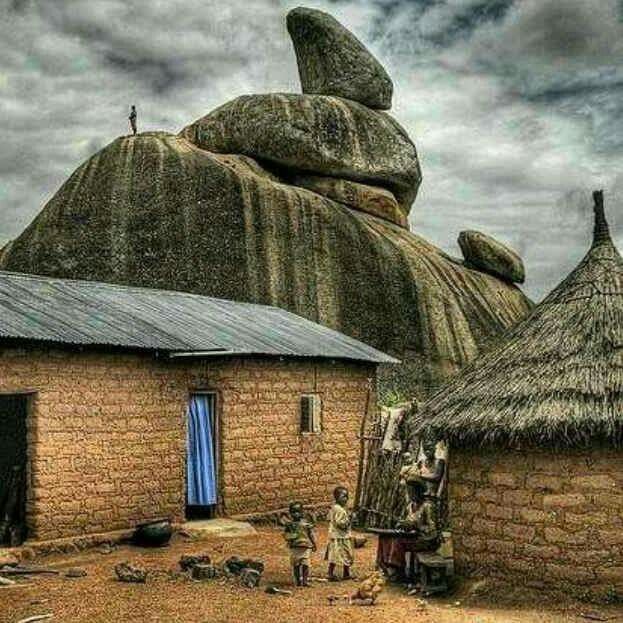
For as long as anyone could remember, the morning mist off the granite kopjes of Barkin Ladi did not carry smoke—it carried cold air, thick with the scent of damp soil and wet Acha (fonio) stalks.
In the late 1990s, Da Pam was a middle-aged farmer who believed the earth was a permanent covenant. He farmed his ancestral terraced fields, guided his children through the misty mornings of the high plateau, and welcomed the pastoralists who passed through every season to let their cattle graze on the post-harvest stubble. Jos was known across Nigeria as the "Home of Peace and Tourism." Cold, serene, and welcoming.
Then came the turn of the millennium.
Part I: The Ash of September (September 7, 2001)
The world broke open on a Friday afternoon—September 7, 2001.
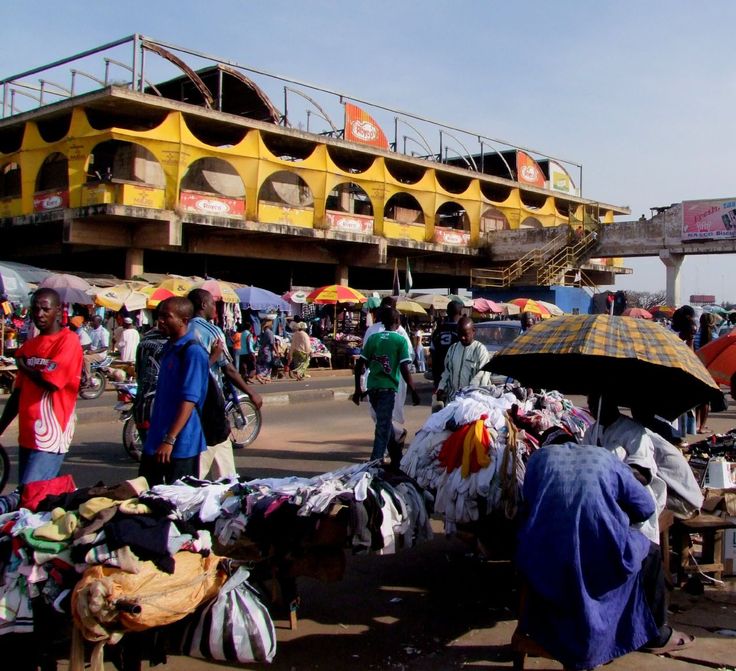
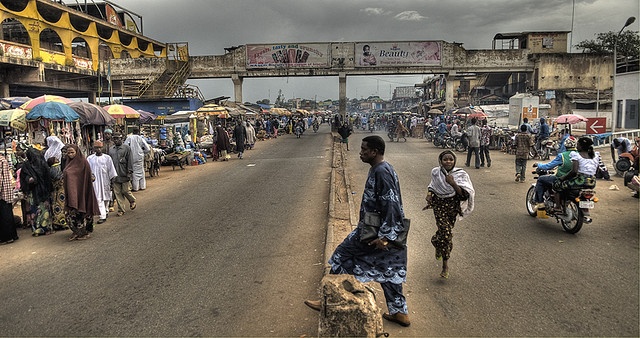
Tensions in Jos had reached a boiling point over political appointments and claims of indigene rights. Da Pam had travelled into Jos urban center to buy fertilizer and salt. By mid-day, rumors spread through Terminus Market like dry grass catching fire. Iron shutters slammed shut. Black plumes of smoke began rising over Kasuwar Karfe, Dilimi, and Congo Junction as sectarian violence erupted.
Over six agonizing days, over 1,000 lives were lost, and iconic markets, churches, mosques, and properties were torched across the city. Da Pam barely made it back to his village in Barkin Ladi on foot, navigating through bush paths to escape the mobs.
When he returned, his ten-year-old daughter, Kangyang, asked him why the sky over Jos was red.
"The city is coughing," Da Pam told her quietly, pulling her close into his coarse woolen shawl. "It will pass."
The world's attention was diverted four days later by the events of September 11 in the United States, but for the Plateau, 2001 became the open wound—a political and ethnic fracture line that carved deep trenches into the collective soul of the region.
Part II: The Shadow in the Night (2010–2021)
As the years drifted, the nature of the conflict shifted shape. The violence migrated out of the city center and settled heavily into rural agrarian villages across Barkin Ladi, Riyom, Mangu, Bassa, and Jos South. The quiet nights became the most dangerous hours.
By 2015, Kangyang was a young woman, helping her father tend their fonio and maize fields. Farming had become an act of high-stakes survival. Young men formed volunteer watch groups, sitting under the freezing harmattan skies with flashlights and whistles, listening for distant whistles or the thrum of unregistered motorcycles.
On the night of August 24, 2021, a dark reminder swept through the region when the quiet village of Yelwa Zangam in Jos North was invaded late at night. Attackers destroyed the bridge to isolate the area, gunned down residents, and set homes ablaze—killing over 30 people.
That same night, the whistles blew near Barkin Ladi. Da Pam and Kangyang fled into the surrounding rocky hills, hiding behind massive granite boulders as flames leaped from dry thatched roofs below. From the high rocks, Kangyang watched the fire consume their granaries—years of stored grain, seeds for the next planting season, and family memories turned into white ash.
When the sun rose, revealing a smoldering landscape of charred mud walls, Da Pam stood at the edge of his burnt field. He picked up a handful of dark, ash-streaked red earth, letting it slip through his fingers.
"They took the crop," he whispered, his voice steady despite the tears carving clean tracks through the dust on his face. "But the soil remains ours."
Part III: The Christmas Eve Massacres (December 23–25, 2023)
The darkest chapter in recent memory struck during what should have been a season of celebration.
Between December 23 and 25, 2023, a series of coordinated late-night attacks hit over 20 rural communities across Bokkos, Barkin Ladi, and Mangu local government areas. Armed assailants swept through sleeping villages, killing over 200 civilians, injuring hundreds, and burning down thousands of homes.
Kangyang, now a schoolteacher working with displaced children, spent her days in an internal displacement (IDP) camp on the outskirts of Bukuru organizing relief materials—mattresses, bags of maize, and clean water.
She looked into the eyes of six-year-old orphans from Bokkos who had the same wide, frightened look she had carried in 2001. A quarter-century of conflict had created a generation that knew the sound of gunfire before they knew the words of their ancestral songs. Yet, even in the overcrowded camps, life refused to be completely extinguished. In the dusty courtyards, women sang traditional Berom hymns of endurance, and elders taught children the names of their ancestral lands, ensuring that memory would outlast displacement.
Part IV: The Seeds in the Granite (2026)
It is early morning in mid-2026.
The harmattan mist hangs low over the valley between Riyom and Barkin Ladi. Da Pam, now an old man with silver hair and hands as rough as tree bark, stands leaning on his walking stick at the edge of his ancestral farm.
Beside him stands Kangyang. She is no longer just a survivor; she is part of a community coalition of young local leaders, agriculturalists, and peace advocates working to reclaim lost farmlands, establish early-warning security networks, and foster dialogue across divided lines.
The road ahead remains long and scarred. Security challenges persist, and the memories of lost loved ones—friends, brothers, and neighbors—are permanently etched into every granite hill on the Plateau.
However, behind them, a group of young men and women are clearing the charred brush, tilling the soil, and dropping the first seeds of early-season Acha into the dark earth.
Kangyang stoops down, plucks a tiny green shoot pushing its way through the hard soil near a granite rock, and hands it to her father.
"Look, Baba," she says softly. "It’s growing back."
Da Pam takes the small shoot, looking out across the vast, rolling expanse of the Jos Plateau. The air is cold, crisp, and quiet.
"It always does," the old man replies. "The Plateau is made of rock and earth. Men can burn the grass, but they can never destroy the rock."
Thank you for reading this story! What are your thoughts on resilience and history on the Jos Plateau? Please leave your comments, upvotes, and reblogs below!
#writing #story #nigeria #history #plateau #steemexclusive #africa #culture