SEC-S30W5: Spooky Bedtime Stories | The Night the Titanic sank 🥲
One of the most famous stories I remember hearing is about the Titanic, the great ship that set sail in 1912, called “unsinkable,” yet met a tragic fate on its very first voyage. I first heard this story at bedtime from an older cousin, and even as a child, I could picture the enormous ship gliding across the Atlantic, shining under the sun, filled with excitement and hope.
The story begins with the Titanic leaving Southampton, England, carrying over two thousand passengers, all dreaming of a new life in America. It was the largest ship of its time, with luxurious cabins, grand staircases, and even a swimming pool. People said it was so strong that nothing could sink it.
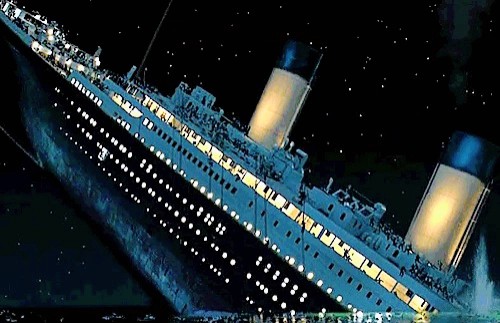
But on the night of April 14, 1912, disaster struck. The Titanic hit an iceberg in the cold, dark Atlantic waters. The impact ripped open the ship’s hull, and water began pouring into the lower decks. Panic spread as passengers realized the “unsinkable” ship was sinking. There were not enough lifeboats for everyone, and chaos filled the decks. Families held on to each other, strangers helped one another, and musicians famously continued to play to calm people, even as the ship went down.
By early morning on April 15, the Titanic had vanished beneath the icy waves. Over fifteen hundred people lost their lives that night, while around seven hundred survived. The story always struck me because it wasn’t just about a ship it was about human courage, mistakes, and the fragility of life.
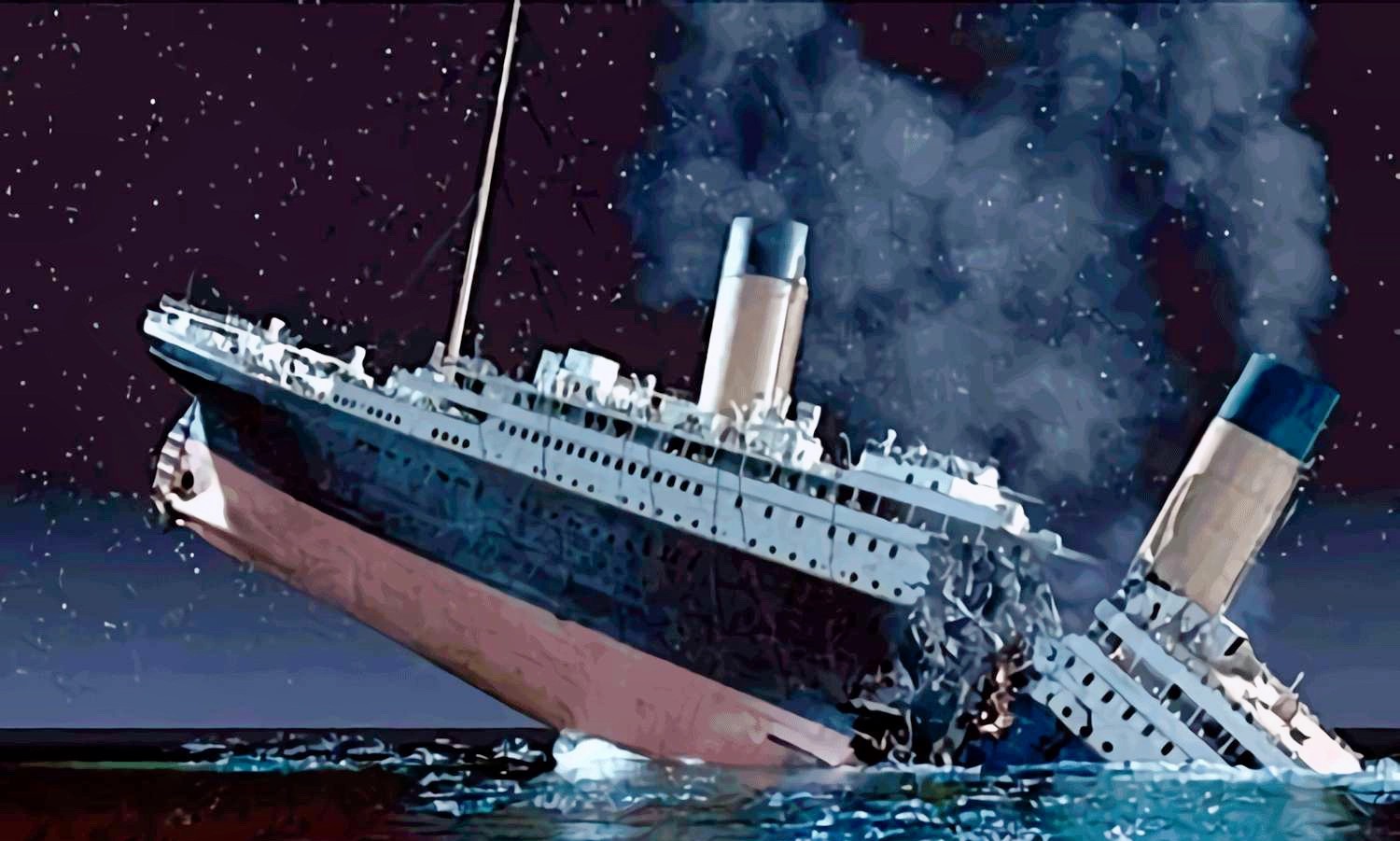
Even today, the Titanic story is told around campfires and classrooms alike. It reminds us of hope, ambition, and the importance of humility in the face of nature. And though it is tragic, it has inspired countless books, movies, and lessons, showing that some stories, no matter how old, never lose their power to capture our imagination
It is indeed an ancient story

Greetings @willowdera, for the second time in this challenge, I must declare your entry as Invalid, for the same cause as the previous time. Improper use of Artificial Intelligence tools.
Verificated by Duplichecker & Scribbr