Travel with Purpose: Understanding the True Meaning of Ecotourism
In an era where globetrotting is more accessible than ever, a new philosophy is reshaping how we explore the globe: ecotourism. While many use the term interchangeably with "nature travel," the reality is much deeper. Ecotourism is not just about where you go; it is about how you interact with the world.
At its core, the International Ecotourism Society defines this concept as "responsible travel to natural areas that conserves the environment, sustains the well-being of the local people, and involves interpretation and education." To truly understand it, we must look at its three fundamental pillars:
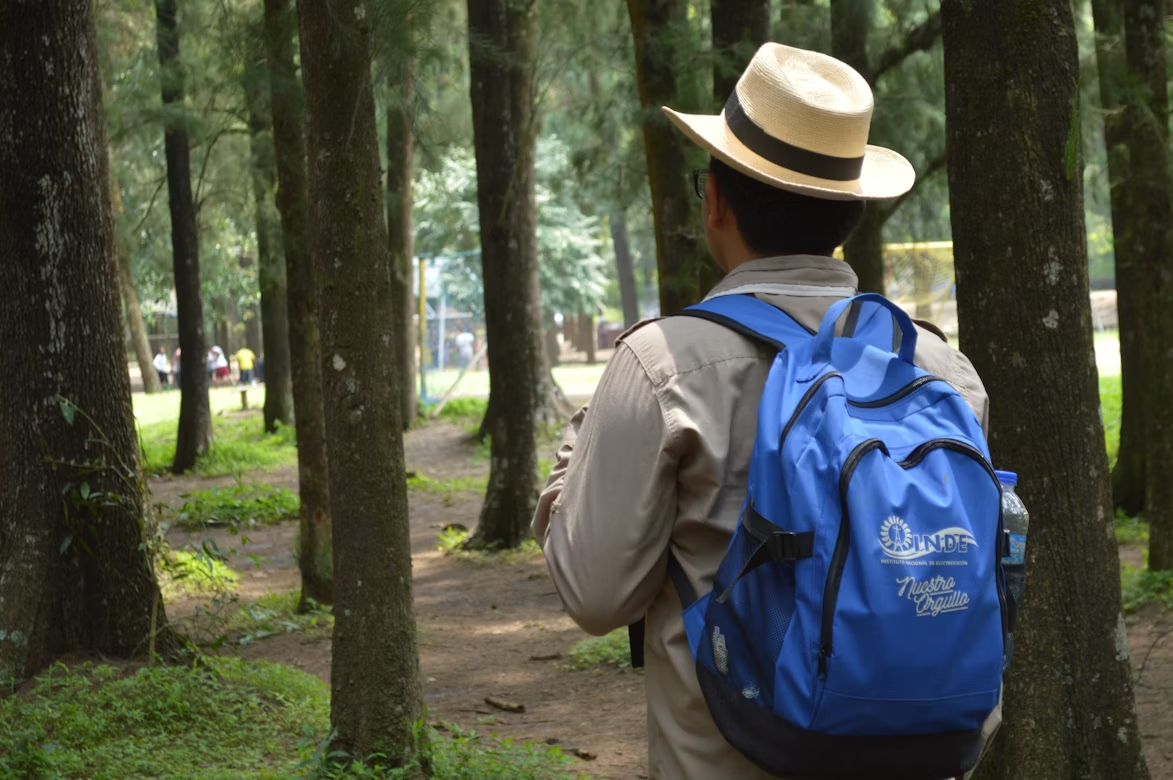
Conservation Ecotourism provides a financial incentive to protect biodiversity. When a community realizes that a living forest or a thriving coral reef generates more long-term income through tourism than through logging or overfishing, conservation becomes a local priority.
Community Empowerment Unlike mass tourism, where profits often flow back to international corporations, ecotourism focuses on the people. It prioritizes local employment, supports small businesses, and ensures that the wealth generated by tourism stays within the community to fund schools, healthcare, and infrastructure.
Education and Respect A key component of any eco-adventure is the "aha" moment. It aims to transform travelers into advocates. By learning about delicate ecosystems and indigenous cultures, tourists gain a profound respect for the heritage of their destination, fostering a global mindset of stewardship.
Why It Matters Conventional tourism can often lead to "overtourism," straining local resources and eroding the very beauty people come to see. Ecotourism offers a path toward sustainability. It encourages us to be observers rather than consumers, ensuring that our "bucket list" destinations remain vibrant for generations to come.
Next time you plan a getaway, look beyond the glossy resorts. Choose experiences that prioritize the planet. By embracing ecotourism, your journey becomes more than a vacation—it becomes a legacy of preservation.