SLC-S33/W5 | Beyond the Map : The Living Heritage
Steemian Friends,
Doel Chattar, located next to Dhaka University, is one of the most beautiful and traditional places in Dhaka for me. Here, along with the sculpture of the national bird Doel, there are numerous shops selling local crafts and pottery. When I go to the Doel Chattar Crafts and Pottery Market, it feels like I have entered a small world of rural Bengali tradition in the middle of the busy city of Dhaka. I have shown the location of the Crafts and Pottery Market located in front of Doel Chattar below through a Steem-atlas pin.
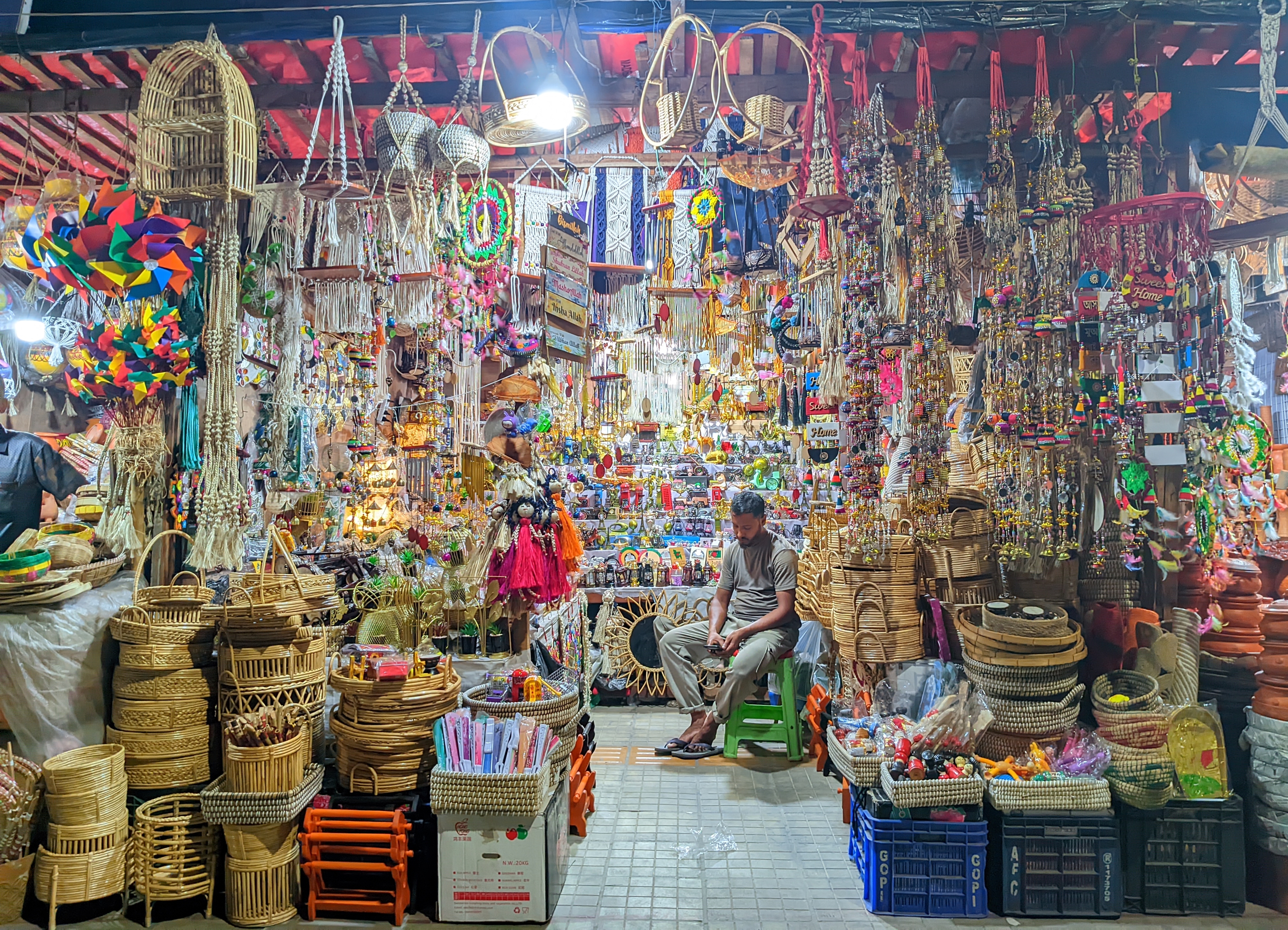
In front of the Doel Chattar Crafts and Pottery Market
The shops in the market are mainly arranged in rows along the sidewalks. As you look from one shop to another, you can see various interesting things. Clay vases, pitchers, pots, cups, plates, dolls, animal statues, pen pots and various types of showpieces are available here. In addition, there are many beautiful products made of bamboo, rattan, wood and jute.
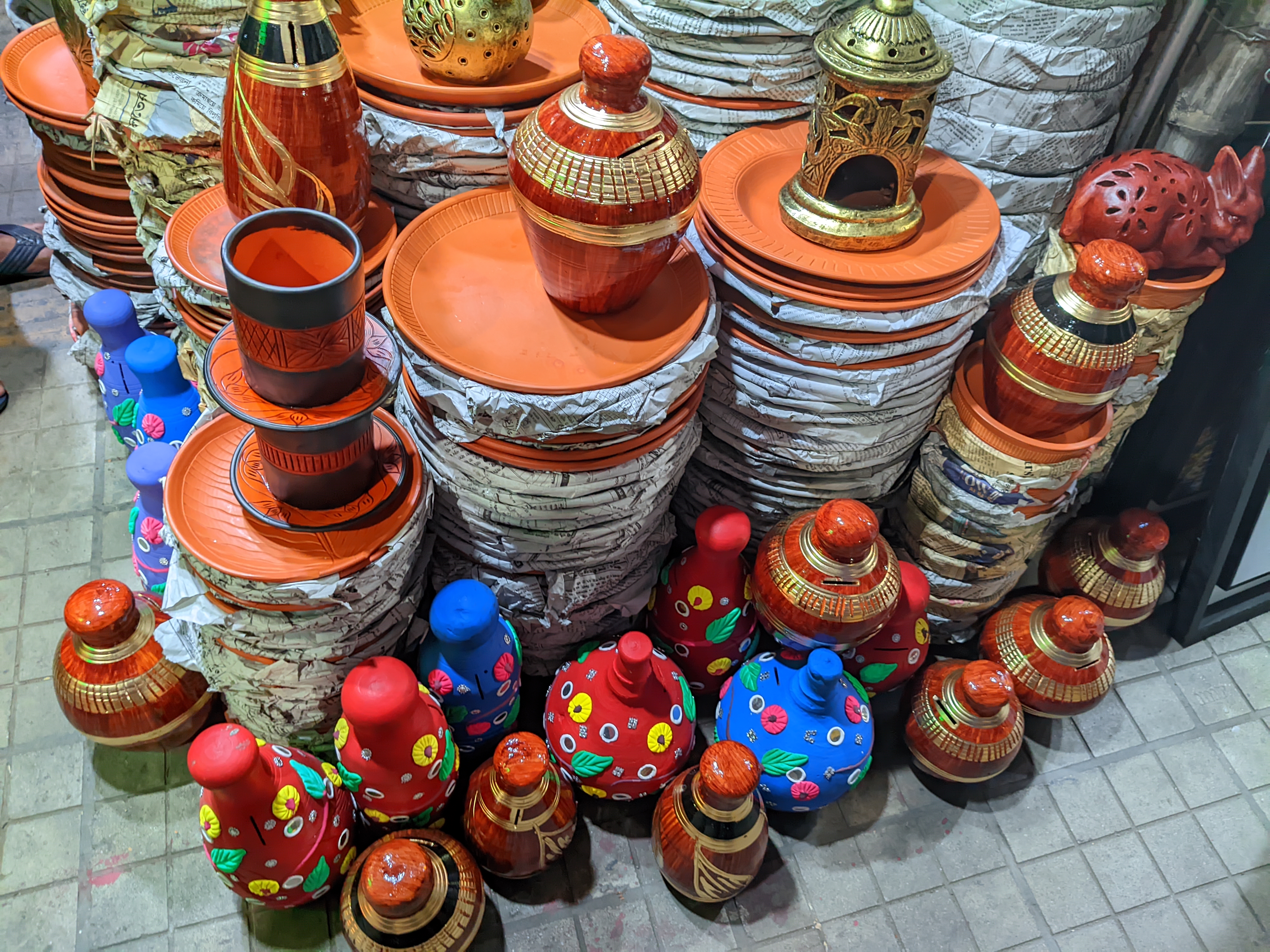
Clay Crafts
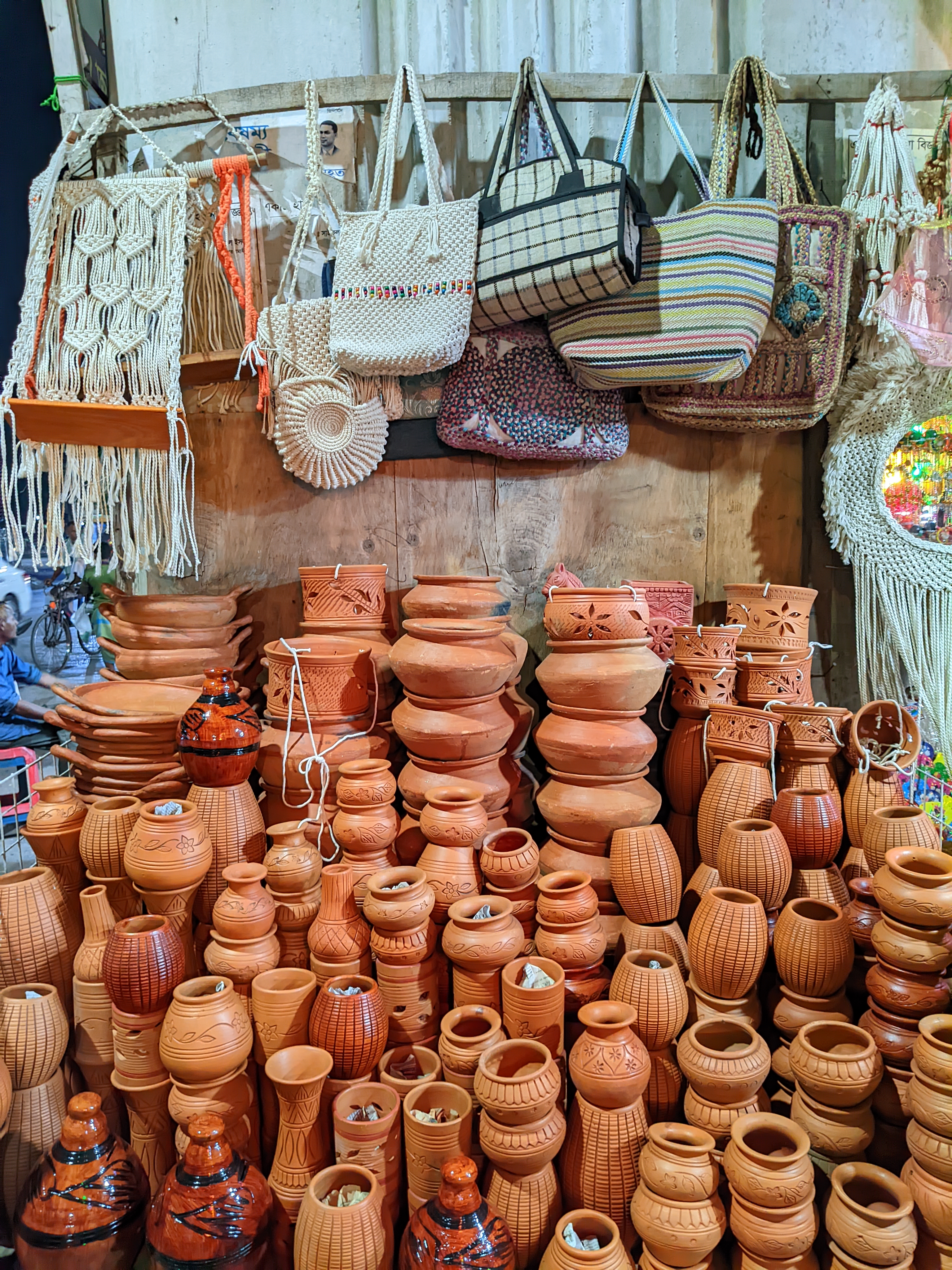
I liked the clay items the most. It's hard to understand how beautiful designs and shapes artisans can create with ordinary clay unless you look closely. Some of the clay items were painted with flowers, birds, vines, and various rural designs. Many of the items used bright colors, while others looked quite beautiful in the natural color of the clay. A few artisans could be seen designing and painting clay pots in the shop.
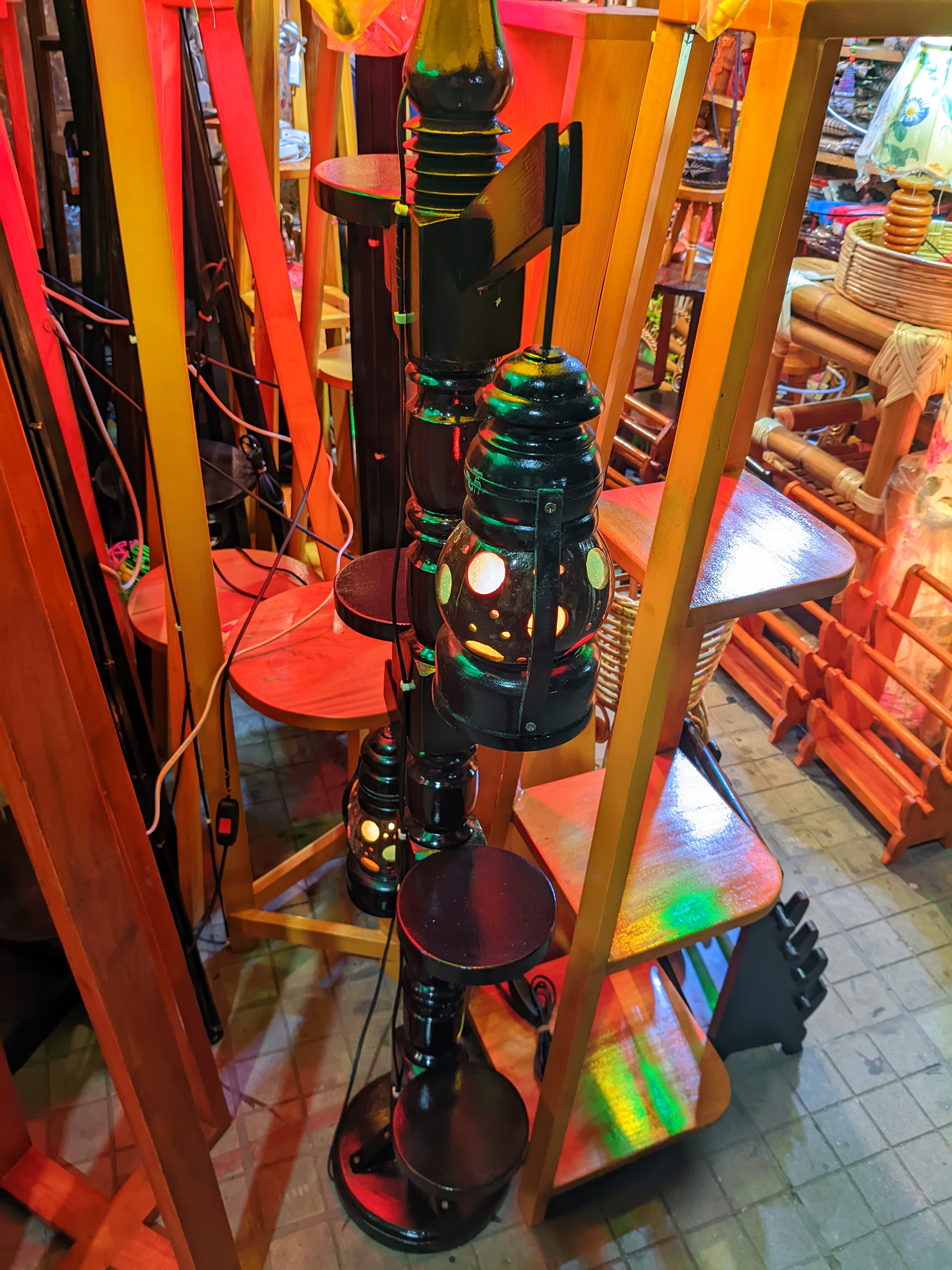
Wood Hand craft
There was also a lot of variety in the handicrafts. Baskets made of bamboo and rattan, kula, small furniture, showpieces and various types of decorative items caught my eye. Among the wooden products, there were small dolls, frames, shelves and various showpieces. Bags and other items made of jute also looked quite beautiful. Seeing these products, I felt how attractive the old crafts of our country can still be to people.
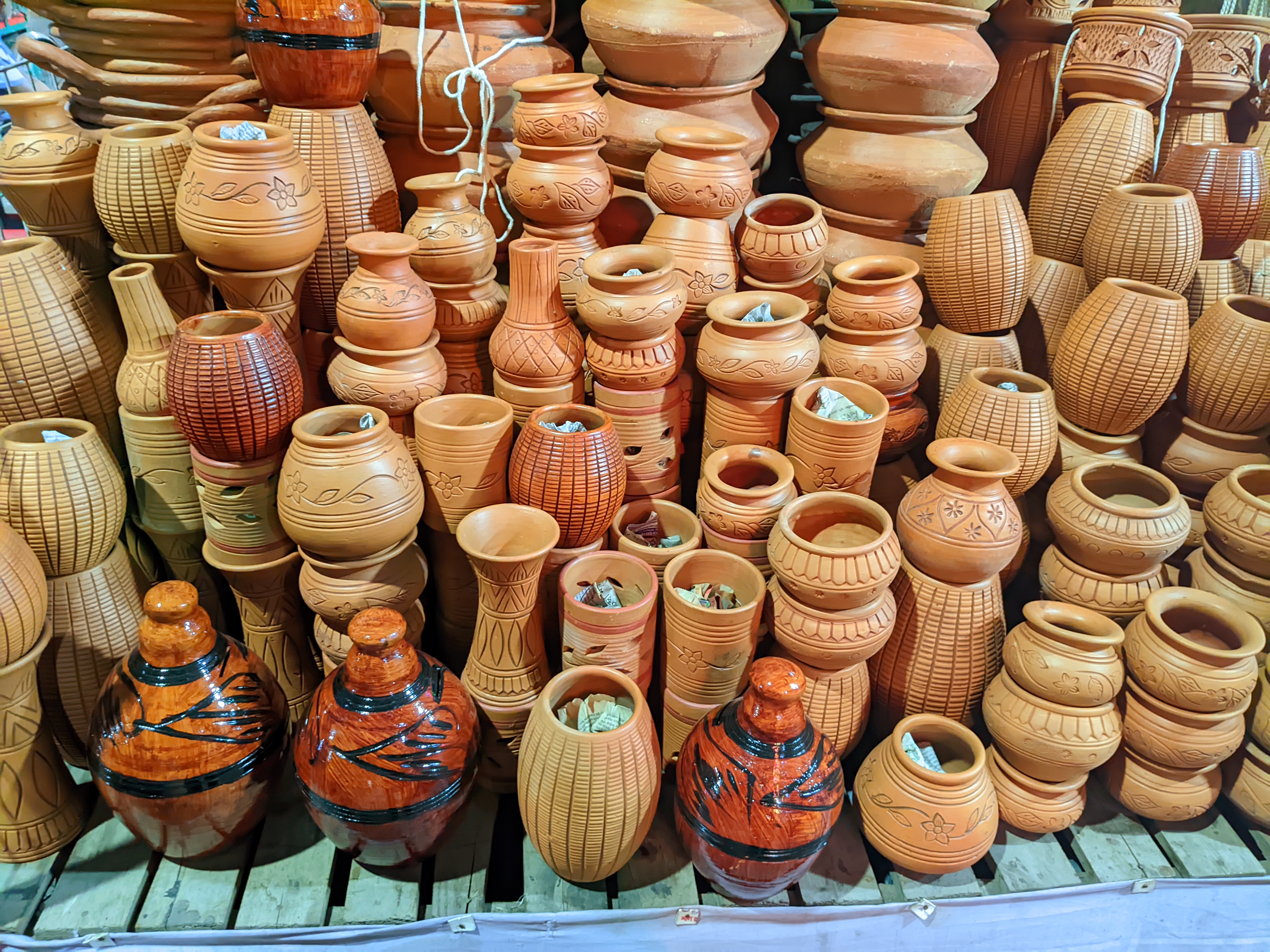
Clay craft
I also liked the atmosphere of the market. People of all ages were standing in front of the shops, looking at products. Some were buying things to decorate their homes, while others were looking for gifts for family members or friends. The crowd here increases even more during holidays and special festivals. Especially before the Bengali New Year, there is a high demand for clay and Baisakhi products. In addition, students of Dhaka University buy various types of crafts and pottery products here.
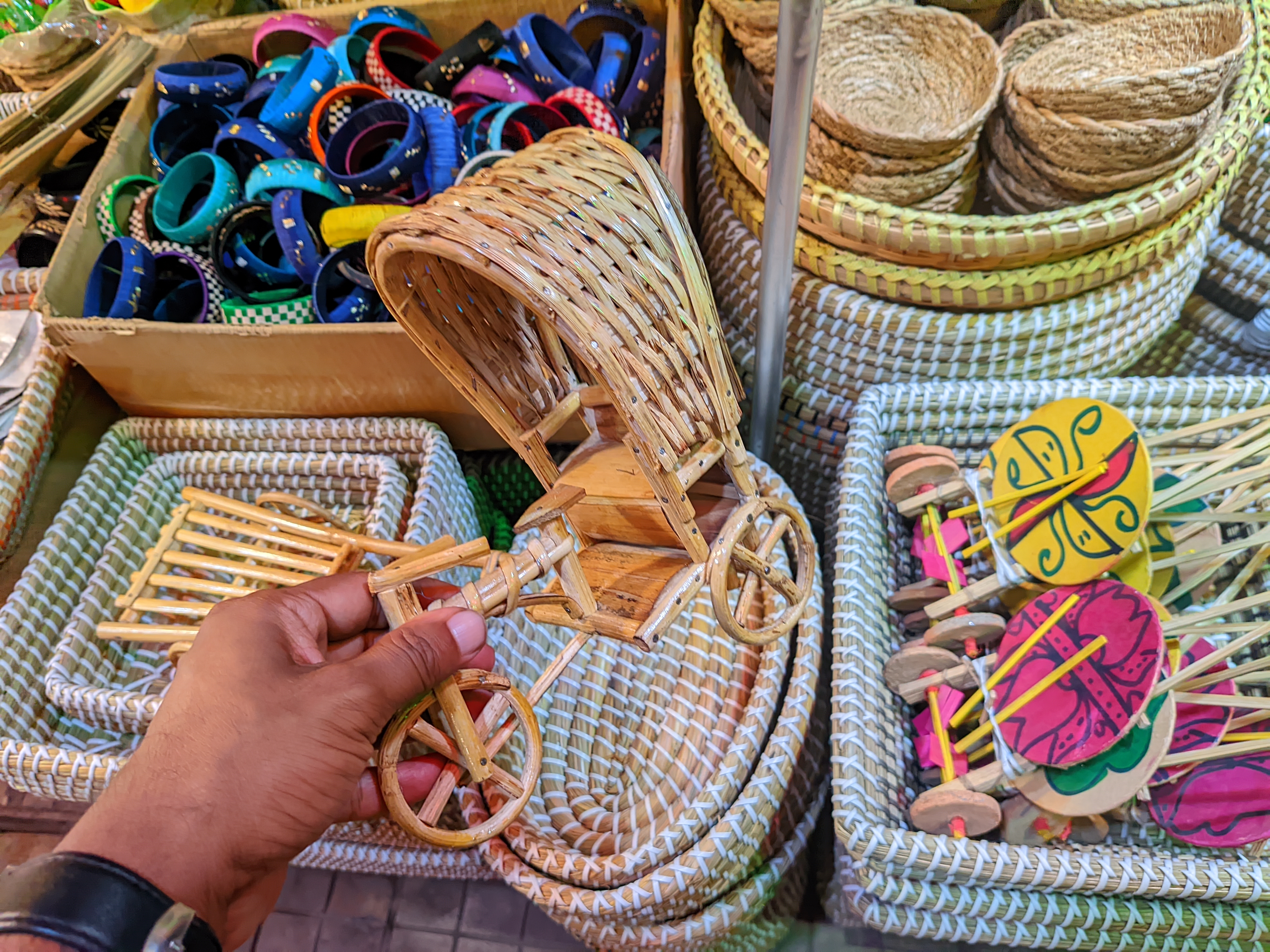
Rattan craft
For me, the most important aspect of this market is that it not only sells products, but also showcases the heritage of Bangladesh. Amidst the crowd of modern plastic and machine-made products, these items made of clay, bamboo, rattan, wood and jute remind us of rural Bangladesh. An artisan often spends a long time making a product with his own hands. Therefore, by buying these products, we can also encourage the work of local artists.
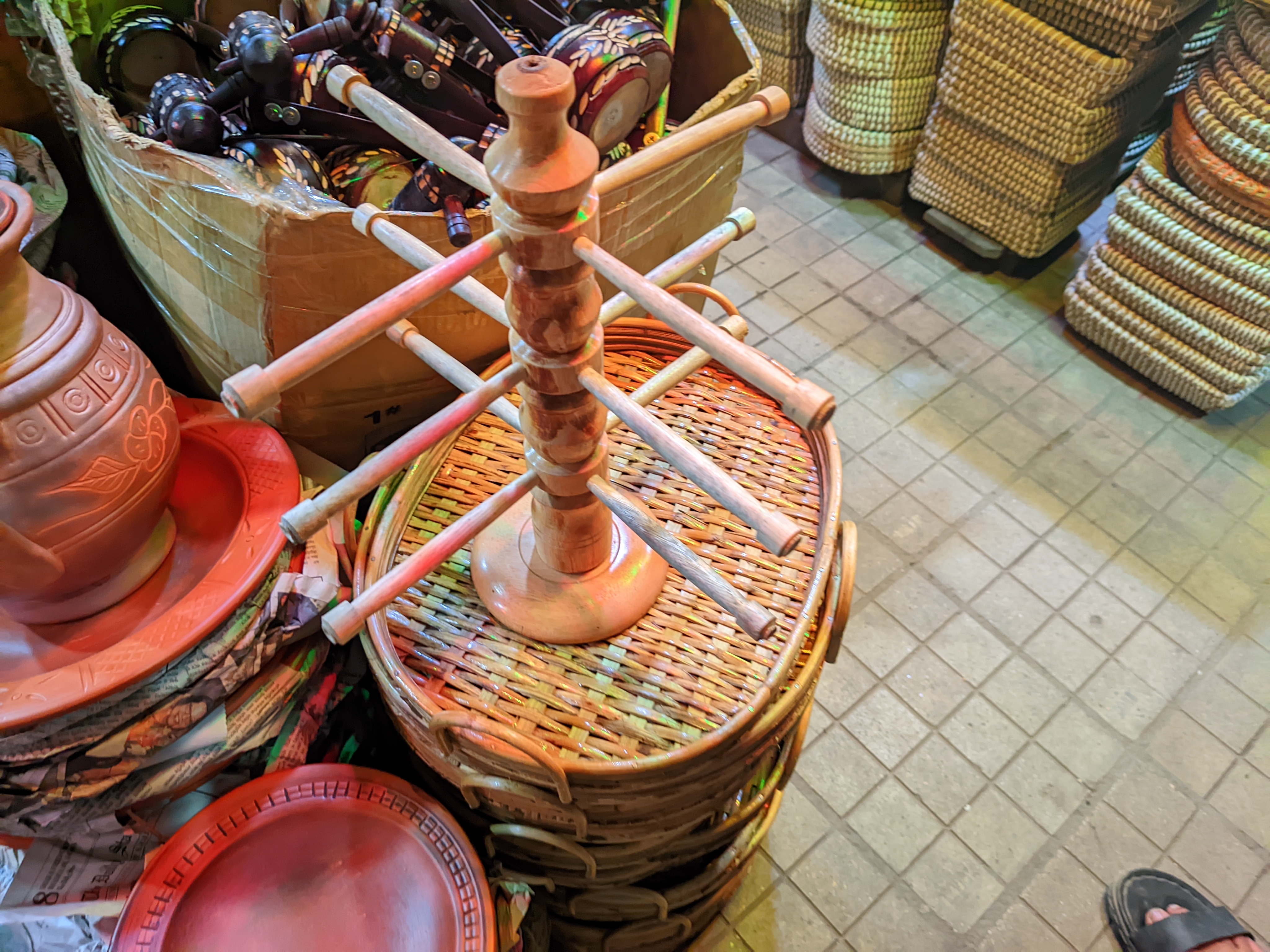
Rattan crafts
However, there are some challenges in the business of potters. Nowadays, many people are more inclined towards durable and low-cost modern products. As a result, the demand for clay products is not always the same. I think, to sustain local crafts, we should use these products and encourage others to buy local products.
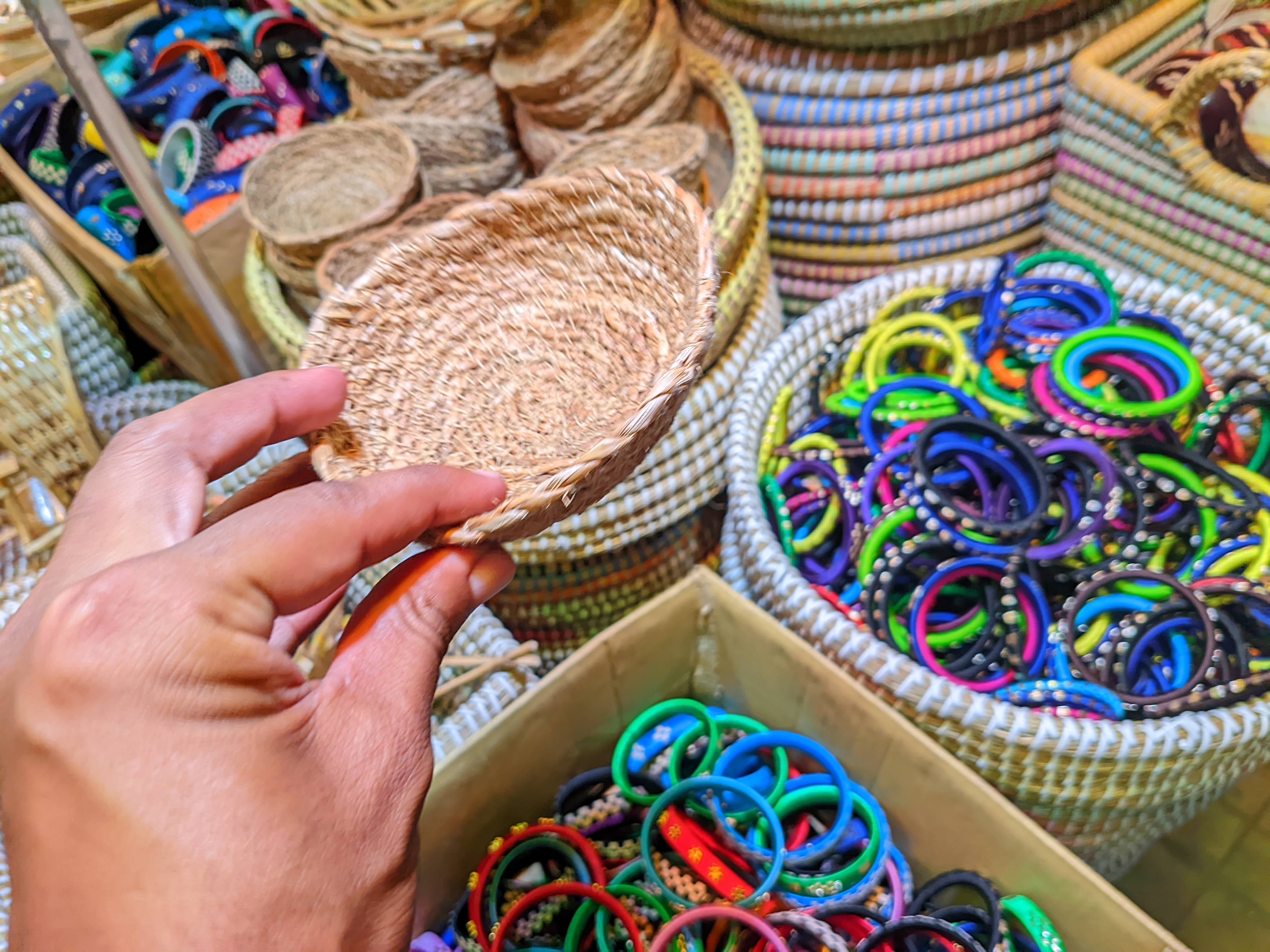
Jute crafts
All in all, Doel Chattar Crafts and Pottery Market is a very interesting place for me. Even though it is next to the busy environment of Dhaka University, it is a beautiful introduction to the culture of the soil and people of Bangladesh. I not only saw some beautiful things while visiting this place, but also gained a new appreciation for the traditional arts and crafts of our country. If I get a chance, I would like to visit this market in Doel Chattar again and buy some products to encourage local craftsmen as well as my own needs.
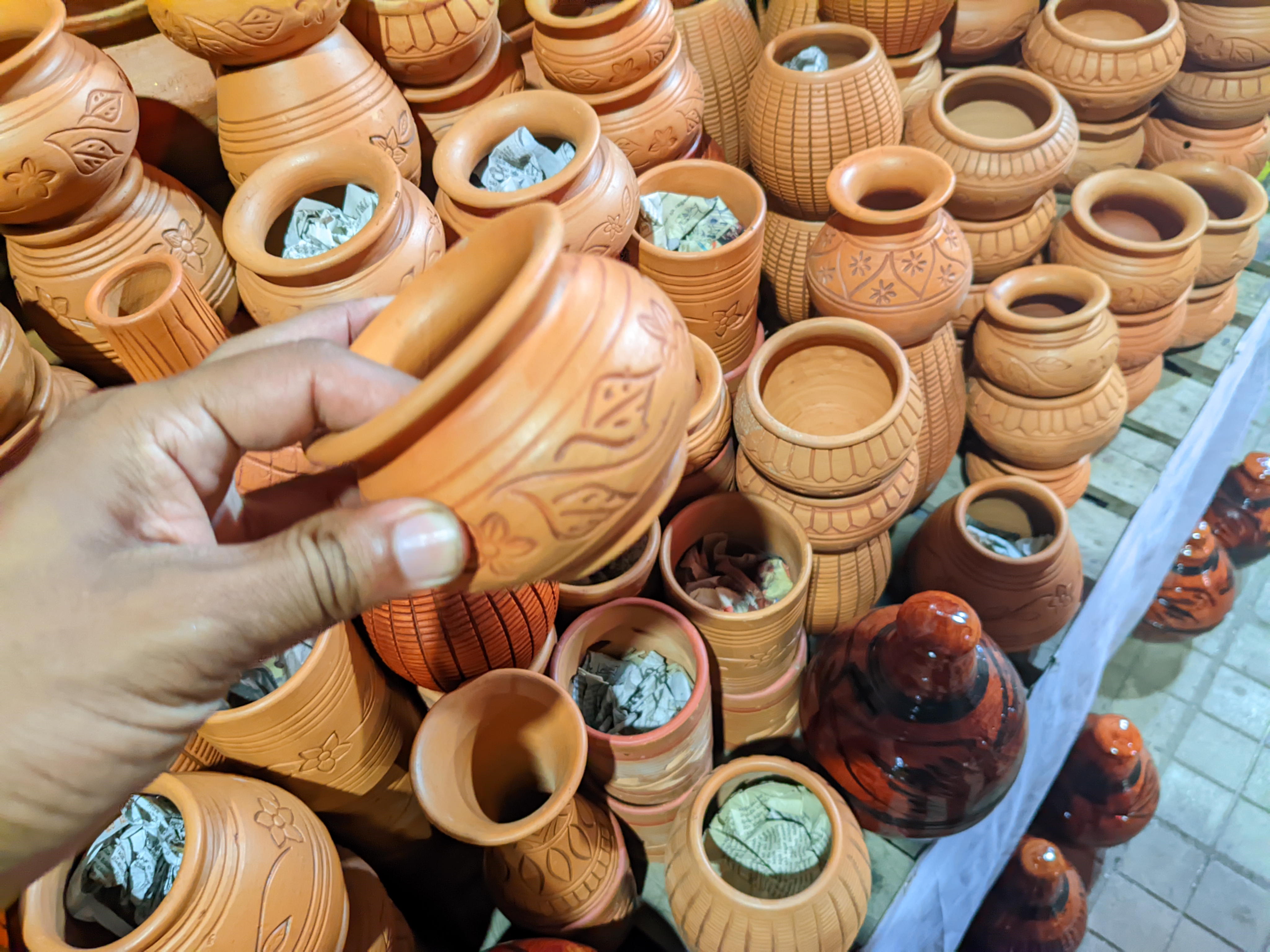
clay crafts
Where is this place located, how can visitors reach it, and when did you visit it?
Doel Chattar Crafts and Pottery Market is located in the Shahbagh area of Dhaka, next to the Dhaka University campus, in front of Curzon Hall. It is one of the most well-known places of Dhaka University and various types of local pottery and handicraft products are available here. To get here, you can come by bus, rickshaw, CNG or private car from any area of Dhaka. If you come by bus, you can get off at Shahbagh intersection and take a rickshaw or walk towards Dhaka University to reach Doel Chattar. If you want, you can also get off at Dhaka University Metrorail Station and take a rickshaw or walk from there. I went to Doel Chattar Crafts and Pottery Market with my friends in early August 2026. I went there in the afternoon and the atmosphere seemed quite lively to me. I looked around with great interest after seeing the clay pots, vases, dolls, bamboo and rattan items and various showpieces arranged in the shops. The best thing was getting the opportunity to see the beautiful things made by local craftsmen up close.
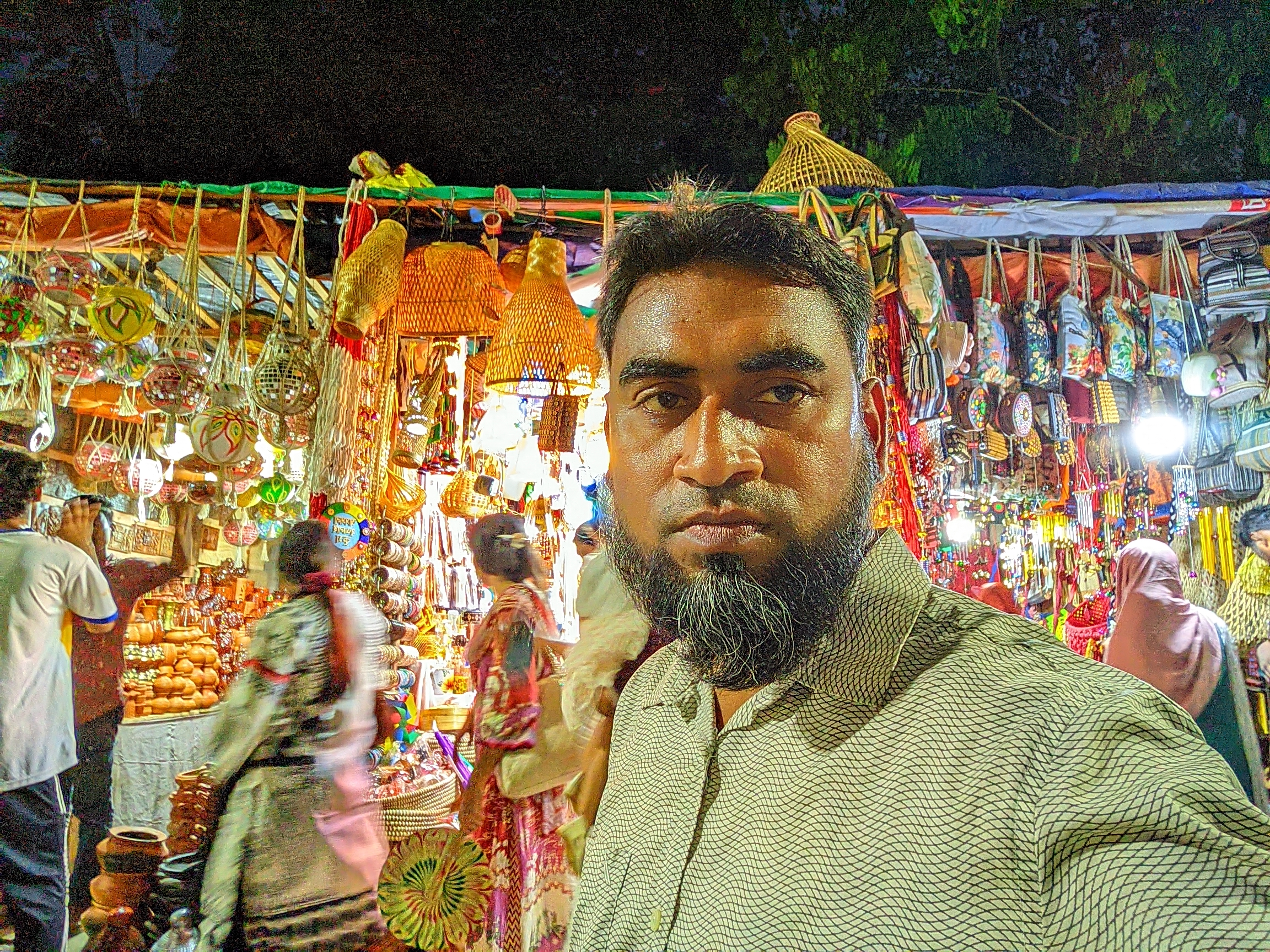
My Selfie
What tradition, craft, occupation, food culture, or community practice makes this place culturally significant?
Doel Chattar's Crafts and Pottery Market is culturally important for Bangladesh's traditional pottery, bamboo, wood and jute crafts. Here, artisans make various pots, dolls, vases and showpieces with their own hands. The design of these products reflects the culture and tradition of rural Bengal. The use of these products increases during national festivals, especially Pohela Boishakh. Therefore, this place is an important place to preserve our folk culture and the creativity of artisans.
How has this heritage been preserved and passed from one generation to another?
The tradition of crafts and pottery in Doel Chattar has been passed down from generation to generation mainly through the hands-on teaching of craftsmen. The elders of the family teach the younger ones how to make products from clay, design, paint and work with bamboo and rattan. In addition, the tradition is alive through the sale and use of these products in the local market. With the increasing demand for local crafts at various festivals and fairs, the new generation is also becoming interested in this profession. I learned from talking to the shop owners that crafts and pottery products are collected here from different parts of the country.
How does this living heritage contribute to the local community or economy today?
This living tradition is playing an important role in increasing employment and income of local artisans. Artisans and shopkeepers are earning a living by selling clay pots, bamboo and rattan products and other handicrafts. At the same time, buying these products increases the demand for domestic industries and keeps the local economy active. The new generation can also learn this work and create their own employment opportunities.
What can visitors see, learn, or experience here that helps them understand the local culture and heritage?
At the Doyel Chattar Crafts and Pottery Market, visitors can see various products made of clay pots, dolls, vases, bamboo-cane and wood. Seeing the design and manufacturing process of these products gives an idea of the folk culture of Bangladesh and the skills of the craftsmen. It is also possible to talk to local craftsmen and learn about their work and life experiences. By buying local products, visitors can experience our heritage up close.
What challenges could threaten this heritage, and what can be done to help preserve it for future generations?
I think the biggest threat to the craftsmanship and pottery tradition of Doel Chattar is the use of cheap modern plastic and machine-made products, the increase in the price of raw materials, and the decline in the income of artisans. This skill can also be lost if the younger generation moves to other professions. Therefore, it is necessary to ensure training, financial support, and fair prices for artisans. In addition, it is possible to preserve this tradition for future generations by purchasing and promoting domestic products.

| Steem-atlas Location Pin | [//]:# (!steematlas 23.72818269 lat 90.40099988 long Doel Chattar Crafts and Pottery Market d3scr) |
|---|---|
| Google Map/Plus Code | Link |
| Beyond the Map : The Living Heritage | Doel Chattar Crafts and Pottery Market, Dhaka |
|---|---|
| Location | Doel Chattar, Dhaka, Bangladesh |
| Open | Every Day(10.00AM-9.00PM) |
| Website | No |
| Travel Date | 19 May 2026 |
| Mobile | One plus nord CE5 |
| Score | 9.9/10 |
| SL No. | My Invited Steemit Friends |
|---|---|
| 1 | @sualeha |
| 2 | @memamun |
| 3 | @shahid76 |
Cc: @sohanurrahman & @pea07

This is my X share link :
https://x.com/i/status/2088321351396557064
Assalamu-alaikum @mahadisalim Bhai, your post on the pottery and handicraft market at Doel Chattar has been presented very well. It is a great example of how traditional clay, bamboo, rattan, and jute items have kept our folk crafts alive in the midst of modernity. I think it is a big challenge to maintain the demand for such local products in the midst of plastic and Chinese products. However, if we increase the use of these products in our daily lives, apart from Pohela Boishakh or other festivals, then these rural artisans will be assured of their livelihood. The experience you wrote about visiting this traditional environment with friends on an August afternoon gives a great touch of folk culture even in the midst of the mechanical life of Dhaka city. I follow each of your posts, and the quality of my posts has improved a bit compared to before due to following your posts regularly. Best wishes to you in this contest. 😊