Chestnut-Cheeked Starling: A Subtle Jewel of the Skies
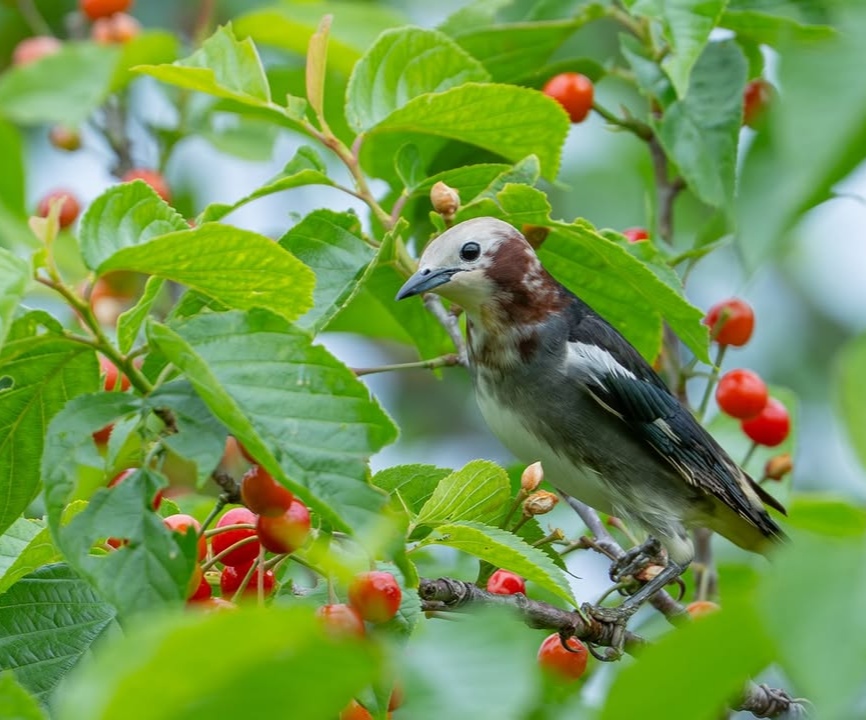
In the vibrant tapestry of birdlife, the Chestnut-cheeked starling stands out not through loud colors or dramatic displays, but through its understated charm. This migratory bird, with its soft gray body, glossy black head, and warm chestnut patches on its cheeks, carries a quiet elegance that often rewards only the most attentive observers. It is a reminder that nature’s beauty is not always bold—it can be gentle, fleeting, and deeply moving.
Native to East Asia, the Chestnut-cheeked starling breeds primarily in parts of Japan and migrates seasonally to regions such as the Philippines and nearby areas. During migration, these birds travel in flocks, filling the sky with coordinated movement that feels almost choreographed. Their journeys are long and demanding, yet they navigate them with remarkable precision, guided by instincts honed over generations.
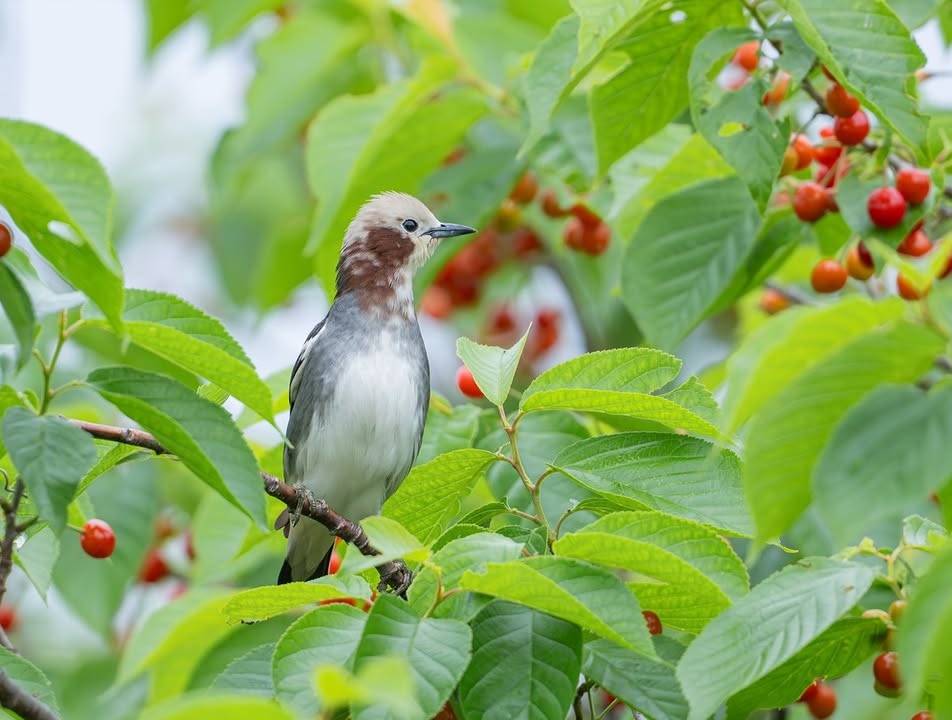

Unlike some of its more vocal relatives, this starling is relatively soft-spoken. Its calls are subtle, often blending into the ambient sounds of its environment. Yet, when gathered in groups, their collective murmurs create a gentle, living soundscape. There is something deeply calming about their presence—a quiet reminder that not all communication needs to be loud to be meaningful.
The Chestnut-cheeked starling typically inhabits open woodlands, agricultural fields, and forest edges. It feeds on a varied diet that includes insects, fruits, and seeds, adapting easily to seasonal changes. This flexibility allows it to thrive in different environments, though like many migratory birds, it depends heavily on the health of its habitats along its migratory routes.

From an ecological perspective, these starlings play an important role. By feeding on insects, they help regulate pest populations, while their consumption of fruits aids in seed dispersal. In these small but significant ways, they contribute to the balance of ecosystems they pass through, leaving quiet imprints wherever they go.
Ultimately, the Chestnut-cheeked starling teaches us to appreciate the softer notes of nature. It does not demand attention, yet it offers a sense of harmony to those who notice it. In a world often drawn to the loud and the striking, this modest bird reminds us that there is profound beauty in subtlety, and that sometimes, the most meaningful presence is the one that speaks in whispers rather than shouts.
| Device | cannon eos 700D |
|---|---|
| Lens | 55-250 zoom leans |
| Location | Bangladesh |

Unlike many birds native to northern Europe, starlings are relatively sedentary in Australia and New Zealand. They do not exhibit large-scale seasonal movements, although juveniles may travel up to 2,000 kilometers when migrating from breeding grounds. In urban areas, they are more stable, with seasonal fluctuations in numbers due to high juvenile mortality and dispersal. However, small-scale regional movements in response to food availability are common, particularly in cultivated and deforested agricultural areas After sunrise, starlings leave their roosting grounds in large flocks of up to 25,000 birds, then disperse into smaller groups to various feeding areas. They usually feed within a two-kilometer radius of their roosting grounds, but may travel as far as 80 kilometers in areas where food is scarce. During the autumn and winter, they form larger flocks, leave their roosting grounds earlier, travel longer distances, and become less attached to specific feeding grounds. During these seasons, their short-range movements may be concentrated around feeding grounds rather than roosting or nesting grounds. Starlings need protein to survive and reproduce, with invertebrates making up more than half of their daily diet. They also eat fruits, berries, vegetables, meat, food scraps, and sprouted grain seeds.