The Raptors of June in Southeastern Pennsylvania: Vultures and Hawks
With this roundup of my June raptor photography, this will be the last post dedicated to my backyard photography practice from June.
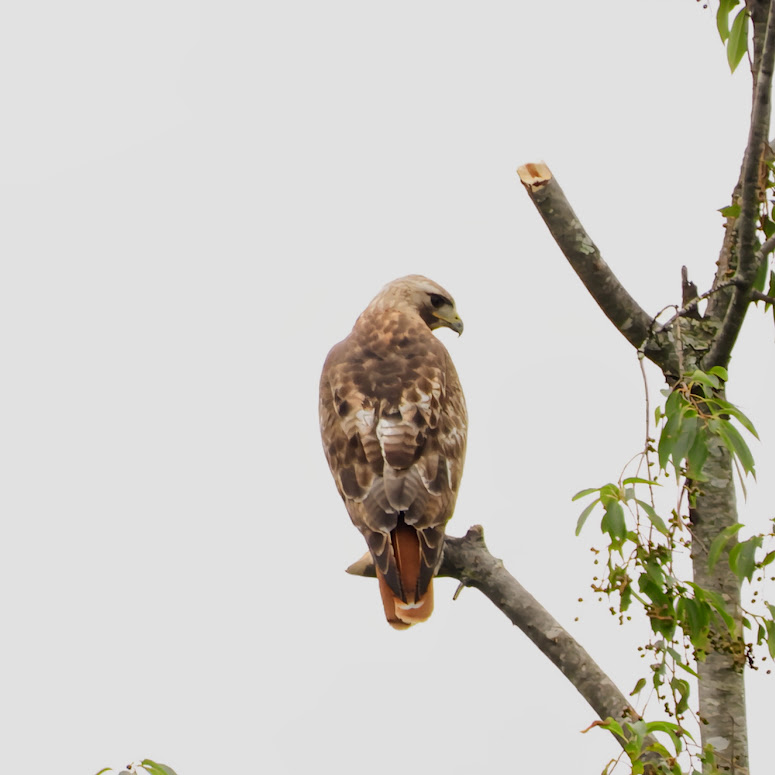
Red-tailed Hawk
ƒ/8; 1/60; ISO320;
539mm (125X, 3000mm equiv.);
Cropped & edited for thumbnail
By the middle of June, it was clear that the spring migration season had ended because both the variety and frequency of raptors (and other birds) had declined markedly. As we'll see in future posts, this decline has continued through July.
At the same time, I slowed down my iNaturalist logging sometime in June so that now I'm only logging repeat species observations once per week, unless there's some aspect that's unusually noteworthy. This means that the number of iNaturalist observations has declined from previous months. As a result, more of the photos in this post may not be included in iNaturalist observations or verified by iNaturalist identifiers.
As with previous months, the most common observations in June were the Turkey Vulture and the Red-tailed Hawk. Aside from them, there were also singular appearances of the Black Vulture and the Cooper's Hawk.
In total, I logged four species and 11 observations on the iNaturalist website.
| Common Name | First Observation Date | Observation Count | June Observation Count | June Observations |
|---|---|---|---|---|
| Turkey Vulture | 2026-03-24 | 30 | 6 | 2026-06-05 2026-06-08 2026-06-09 2026-06-14 2026-06-16 2026-06-28 |
| Red-tailed Hawk | 2026-03-19 | 28 | 3 | 2026-06-06 2026-06-18 2026-06-25 |
| Black Vulture | 2026-05-03 | 5 | 1 | 2026-06-05 |
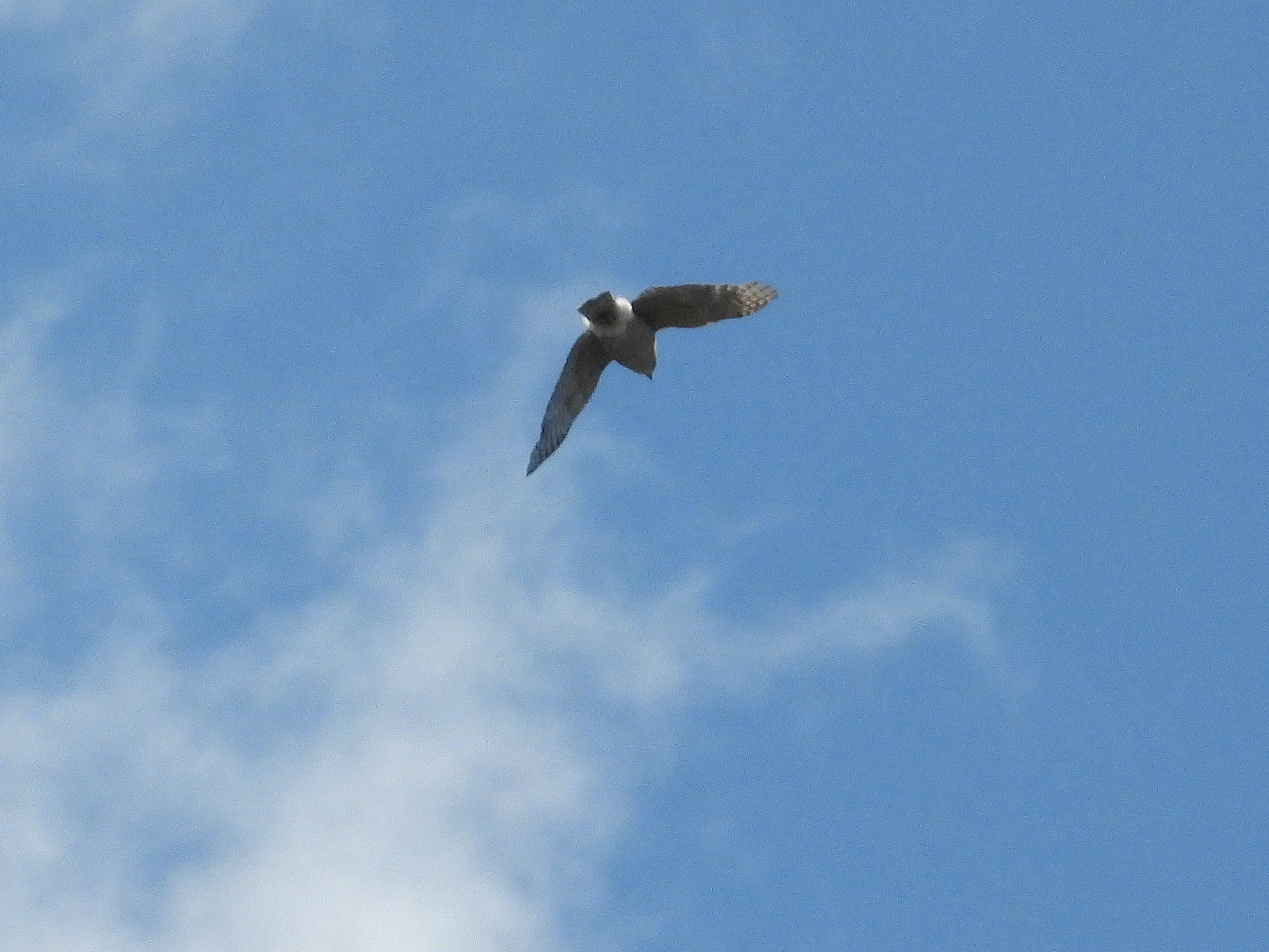
| Cooper's Hawk | 2026-04-26 | 2 | 1 | 2026-06-20 |
Turkey Vulture
By far, the most common raptor observation during June was the Turkey Vulture. During the breeding season, this bird ranges throughout South America, across the United States, and as far north as southern Canada. Its year-round presence also covers South America, but its northern range only extends to the south-central and southeastern United States. My region in Pennsylvania appears to be the northern tip of its range during the winter months.
I've mentioned before that these birds are challenging to photograph in flight because of their dark coloring - which is why most of the photos below have clearish blue skies. I got plenty of photos on cloudy days, but almost none of those were worth including.
The only exception is the June 28 photo - an accidental black & white that turned out ok, especially after some lighting adjustments in post-processing. Beyond the six submissions to iNaturalist, I saw these birds many other times during June. These are probably the only birds that seemed at least as common in June.
| June 2 | June 5 |
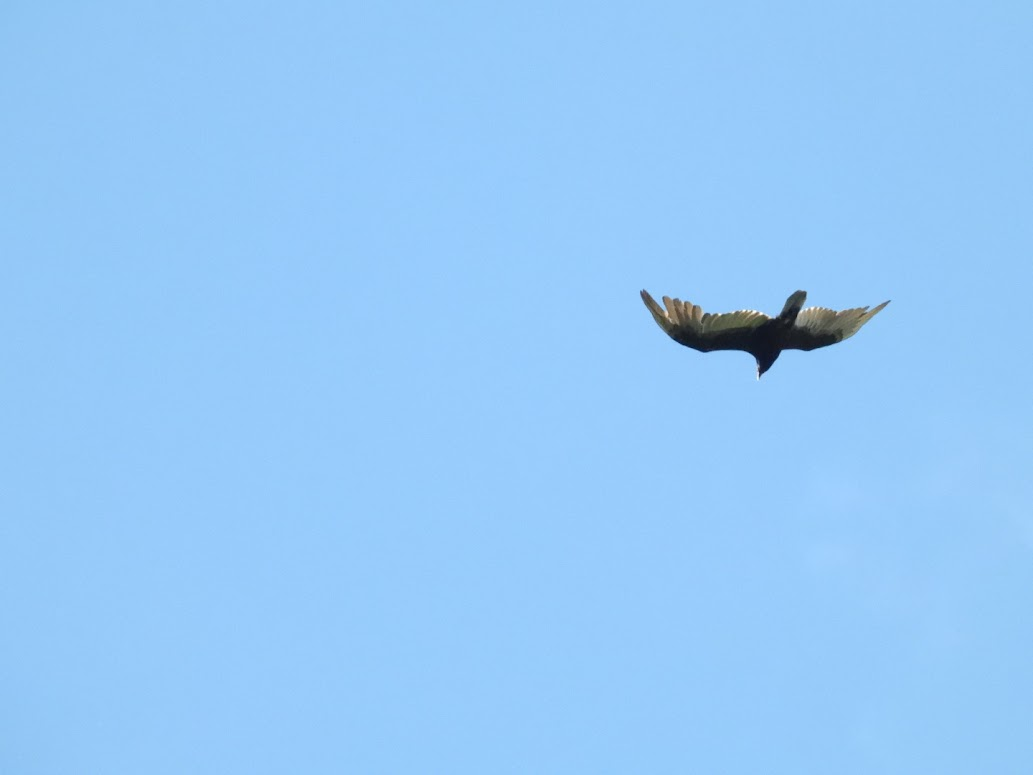 | 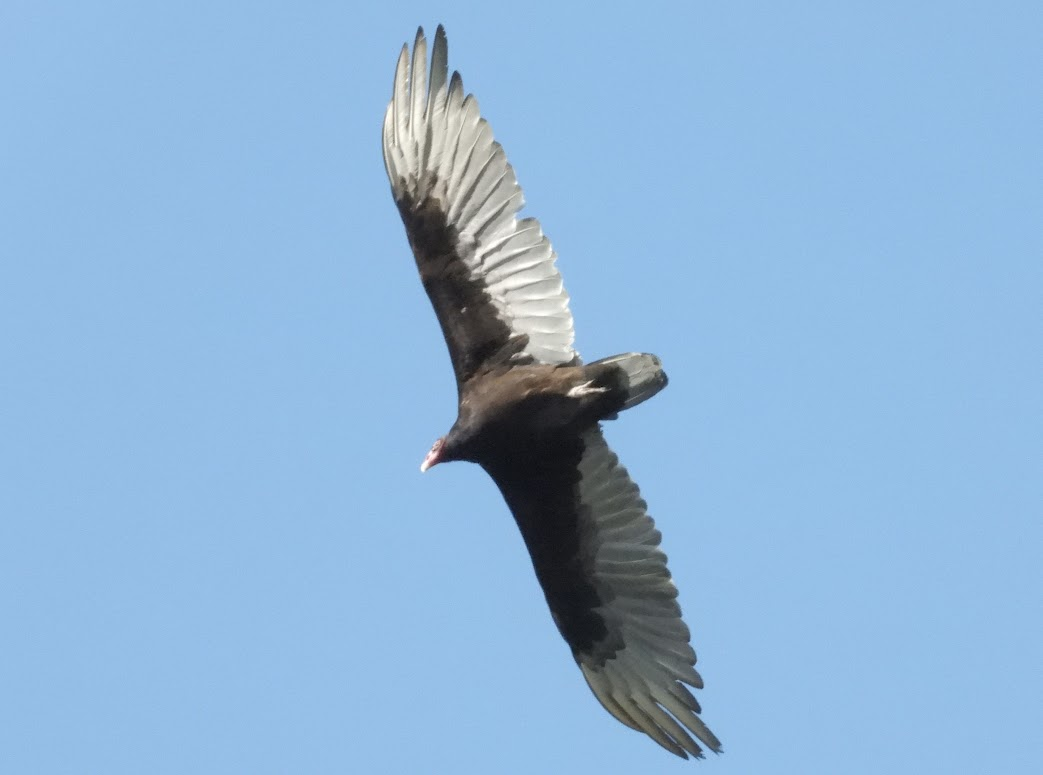 |
| ƒ/7.1, 1/2500, ISO1600, 216mm (1202mm equiv, 50.1X) | ƒ/7.1, 1/2500, ISO1600, 216mm (1202mm equiv, 50.1X). Cropped in post-processing |
| June 9 | June 14 |
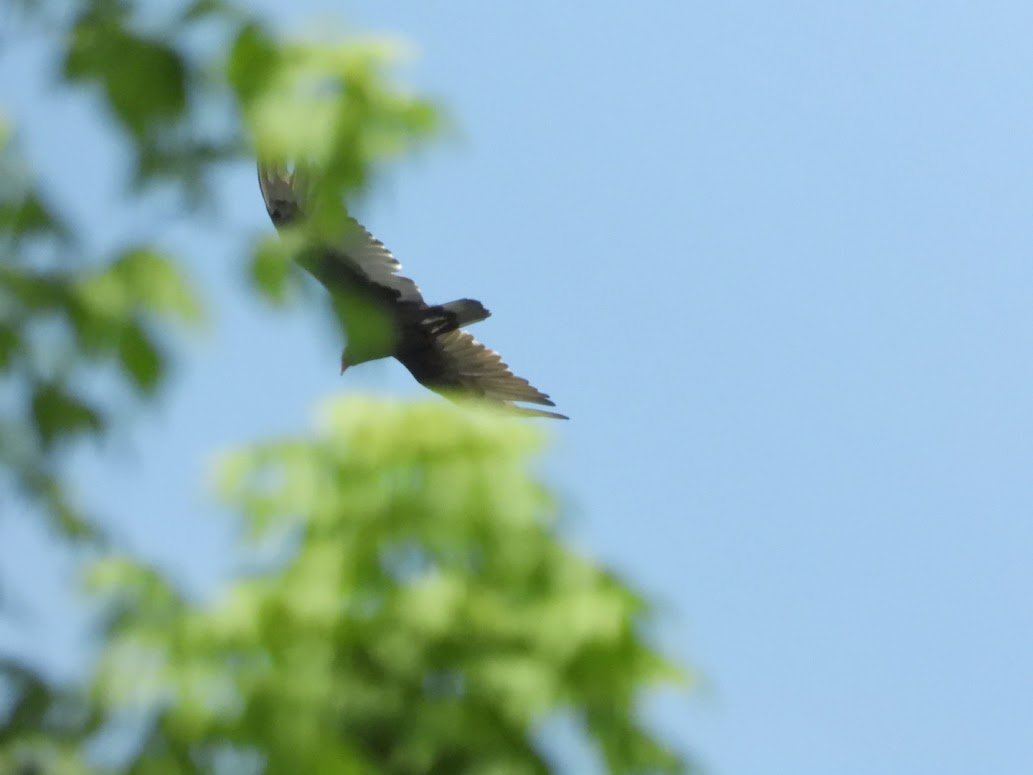 | 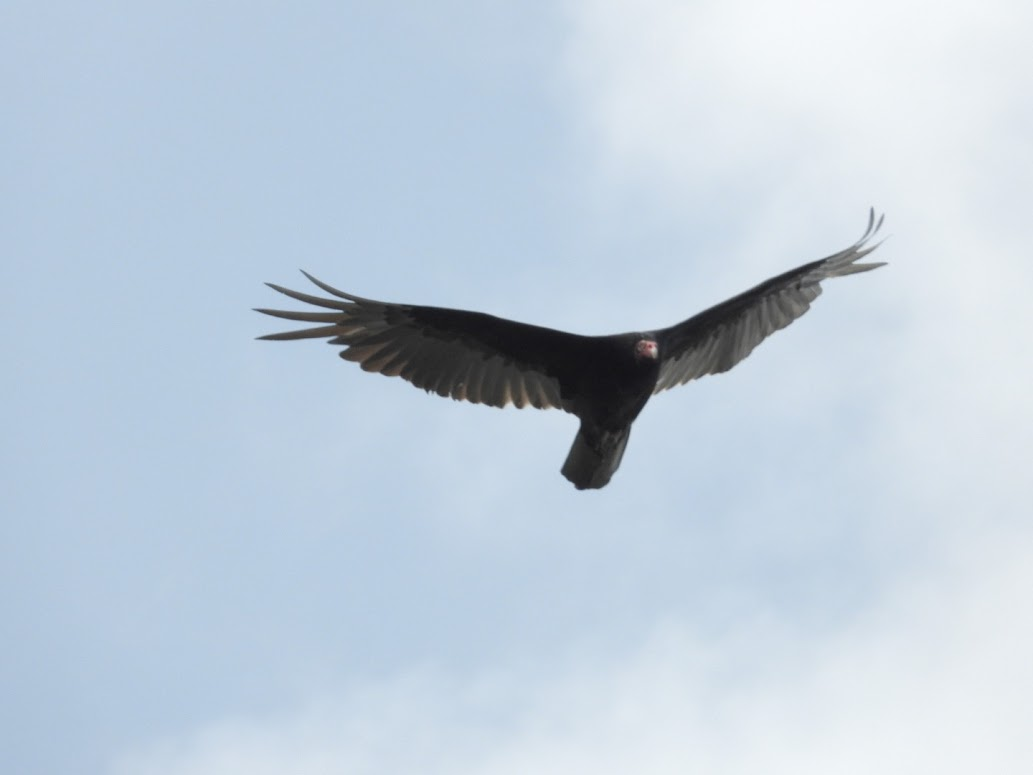 |
| ƒ/8, 1/2500, ISO1600, 395mm (2199mm equiv, 91.6X) | ƒ/5.6, 1/2000, ISO500, 216mm (1202mm equiv, 50.1X) |
| June 16 | June 16 |
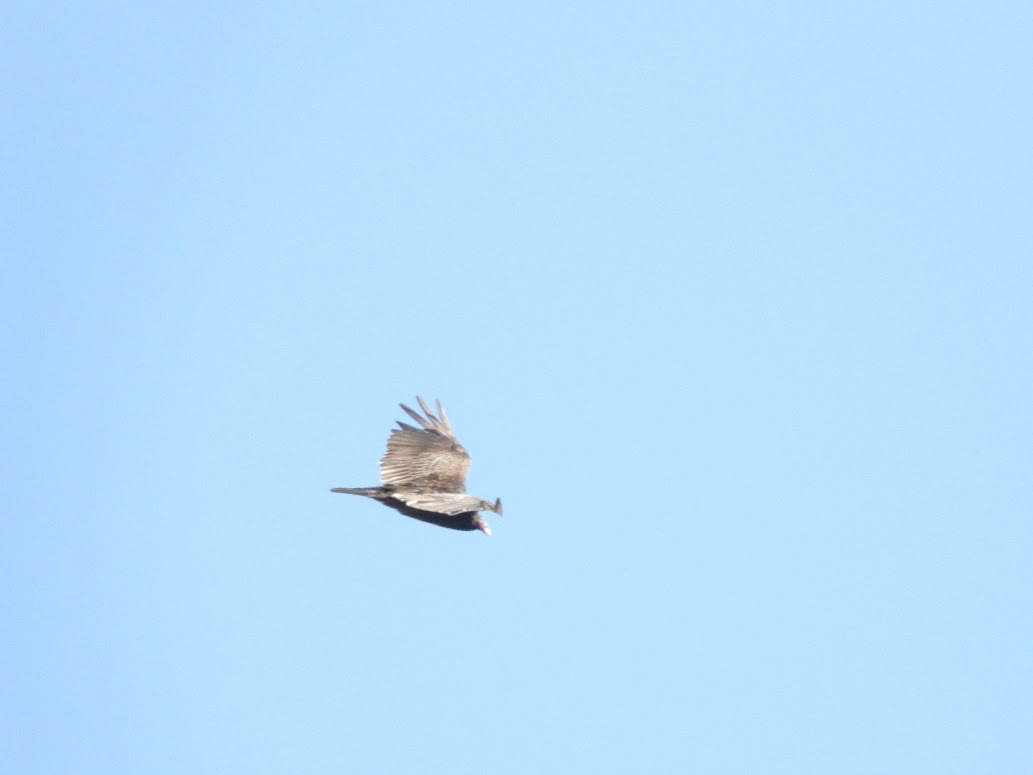 | 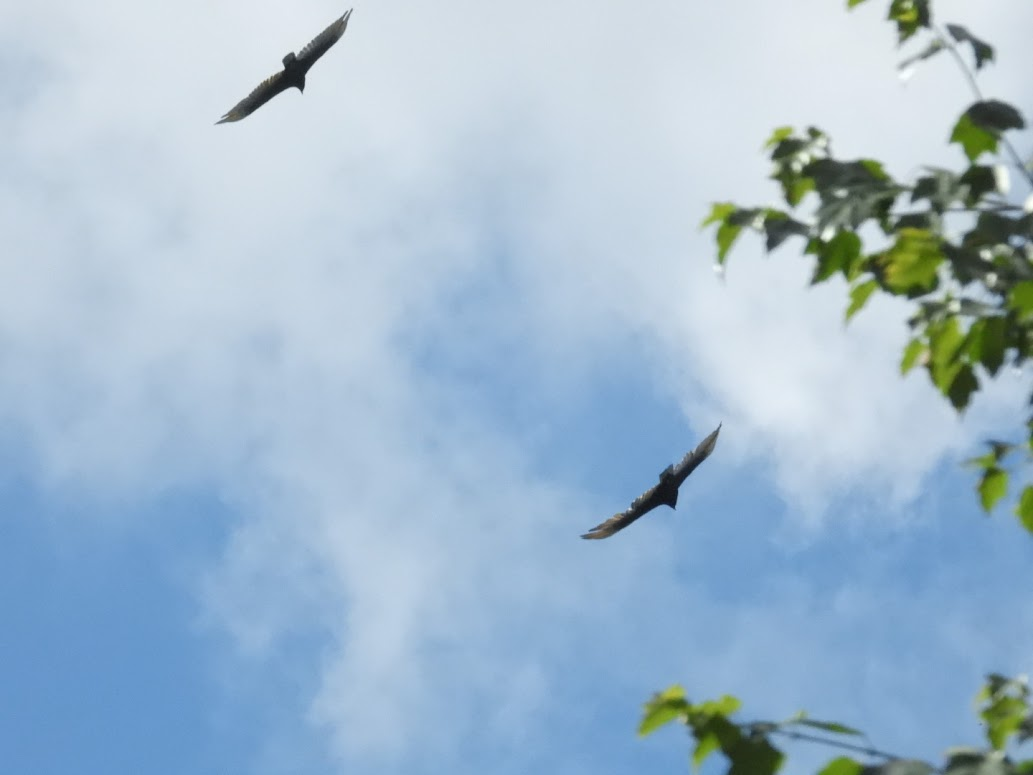 |
| ƒ/5.6, 1/2000, ISO1600, 216mm (1202mm equiv, 50.1X) | ƒ/8, 1/3200, ISO1600, 89.9mm (500mm equiv, 20.8X) |
| June 19 | June 19 |
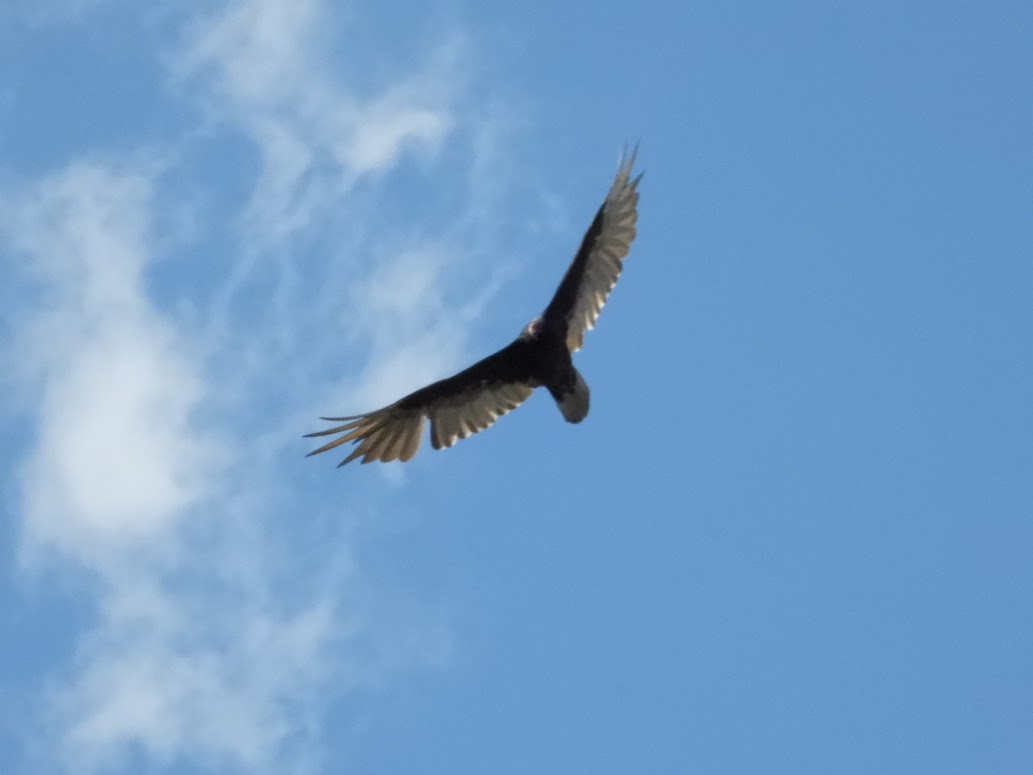 | 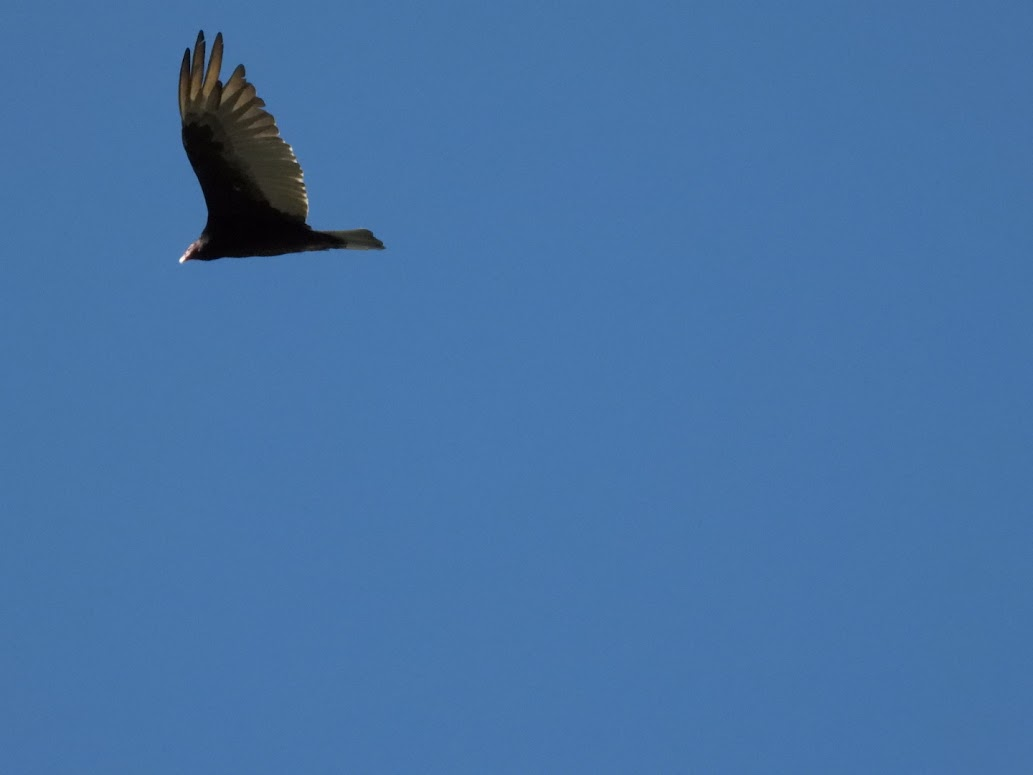 |
| ƒ/8, 1/3200, ISO1600, 89.9mm (500mm equiv, 20.8X) | ƒ/8, 1/3200, ISO1600, 89.9mm (500mm equiv, 20.8X) |
| June 28 | |
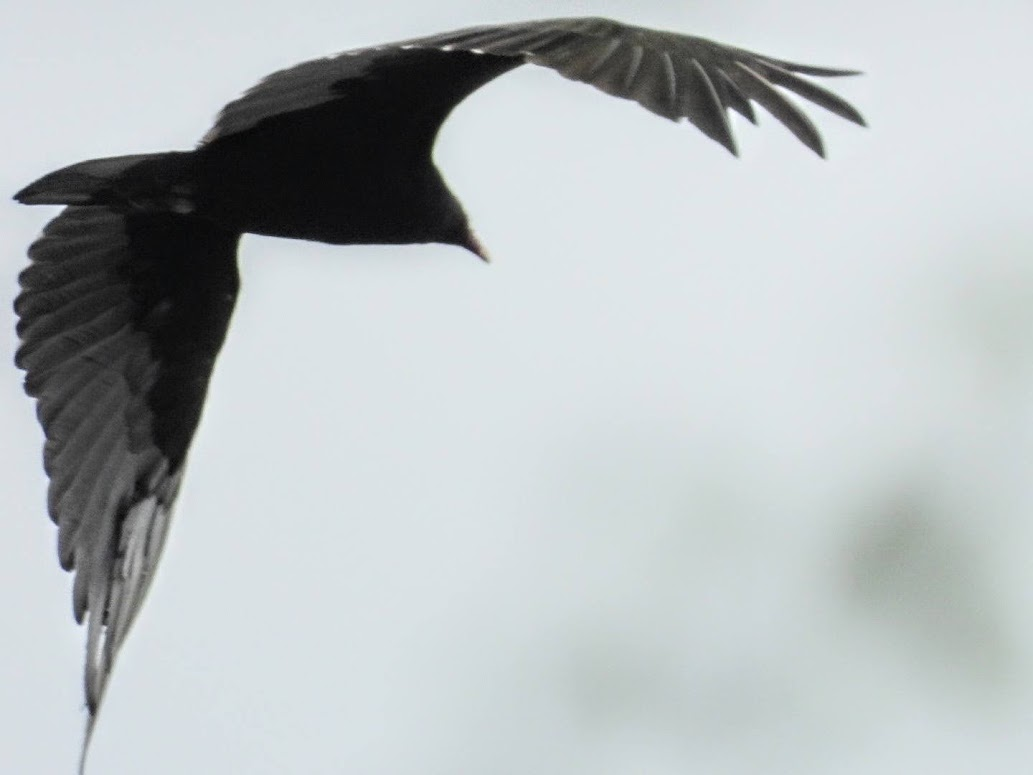 | |
| ƒ/8, 1/1600, ISO720, 539mm (3000mm equiv, 125.0X). Lighting adjusted in post-processing | |
Helicopter ; -)
On June 19, while the kettle of Turkey Vultures was still in the area, this helicopter raced by, too. It was flying low, and it came and went so fast that I only managed to get a shot because my camera was already pointed skyward.
According to Meta AI, it's a Sikorsky S-76, first flown in 1977. 49 years later, it is still commonly used as an air ambulance and for transporting corporate VIPs. There used to be a Sikorsky plant nearby, but I think it's closed now.
| June 19 |
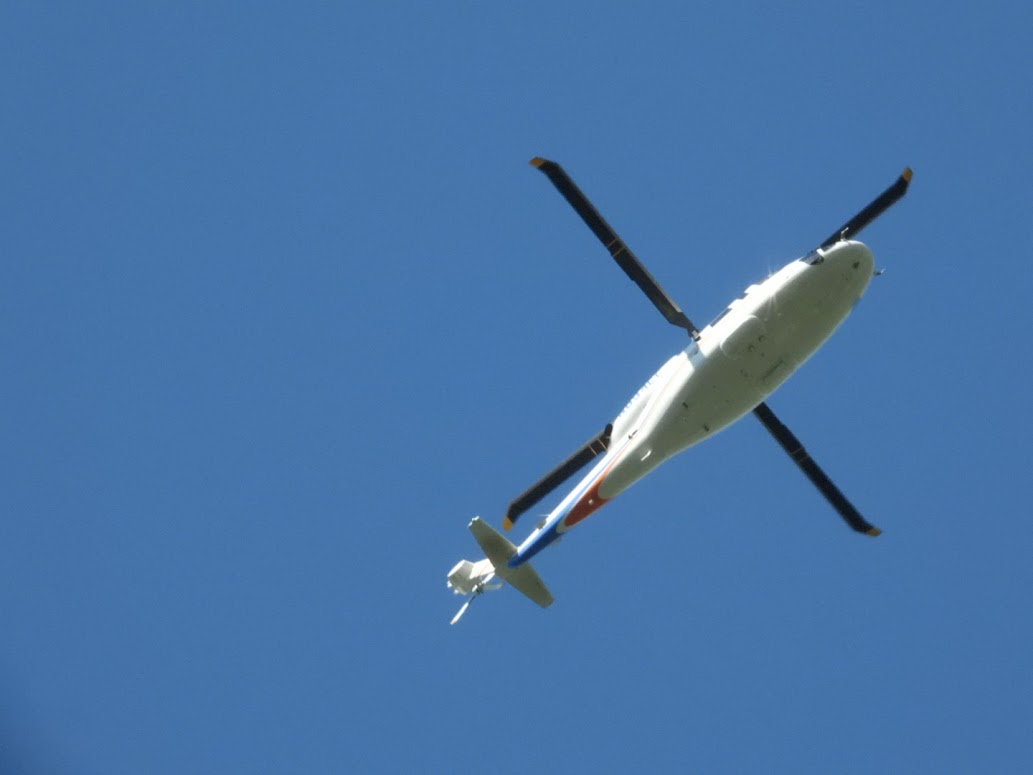 |
| ƒ/8, 1/3200, ISO1600, 89.9mm (500mm equiv, 20.8X) |
Red-tailed Hawk
The hawk on June 18 is the one I mentioned in a previous post. A rabbit on the ground alerted me to the hawk's presence by glancing in its direction and then dashing away.
At this point I'm assuming that any hawks I see during these summer months are the ones that my wife and I have named, alternately, Fred and Ethel or Frosty and Toasty. These are two birds that we believe are nesting nearby and have a year-round local presence. The hawk in the June 25 and June 26 photos might be Frosty, but of course I can't be sure. I have no guesses for the ones that were photographed in flight.
In one of the June 25 photos, you can see a small bird's tail on the edge of the frame. I'm not sure what kind it was, but it was harassing the hawk and managed to chase it away. I'm guessing maybe it was a Northern Mockingbird, which will make its first confirmed appearance in July's photographs.
At varying times of the year, the Red-tailed Hawk's range extends all the way from Central America to Alaska and Northern Canada.
| June 2 | June 7 |
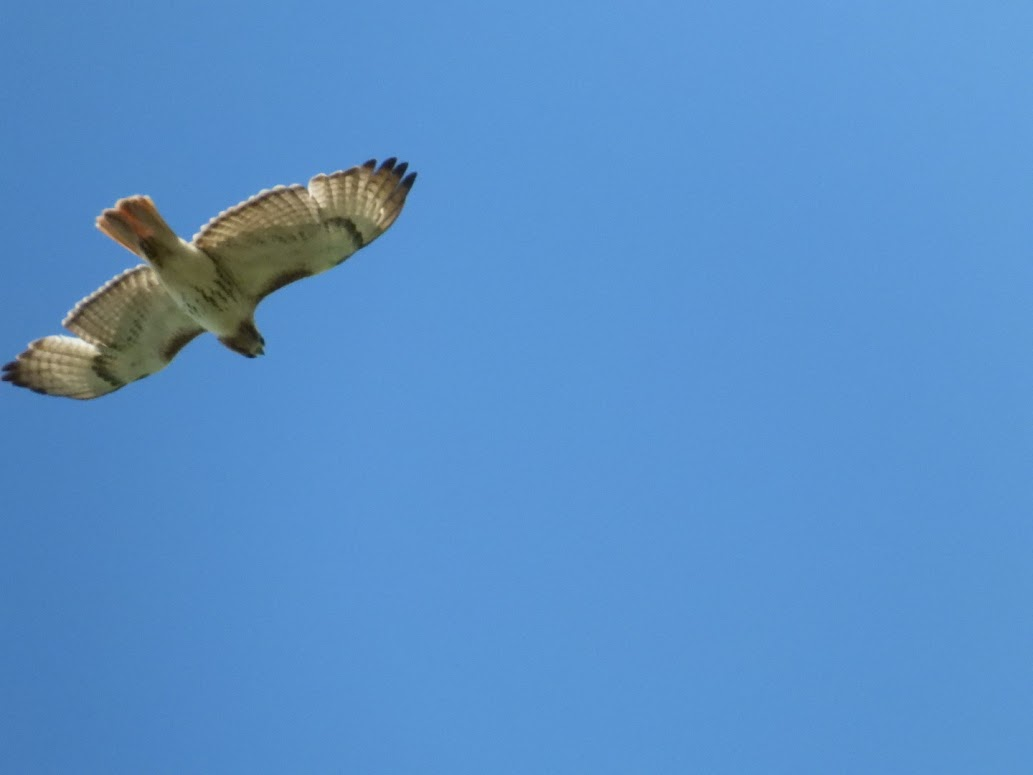 | 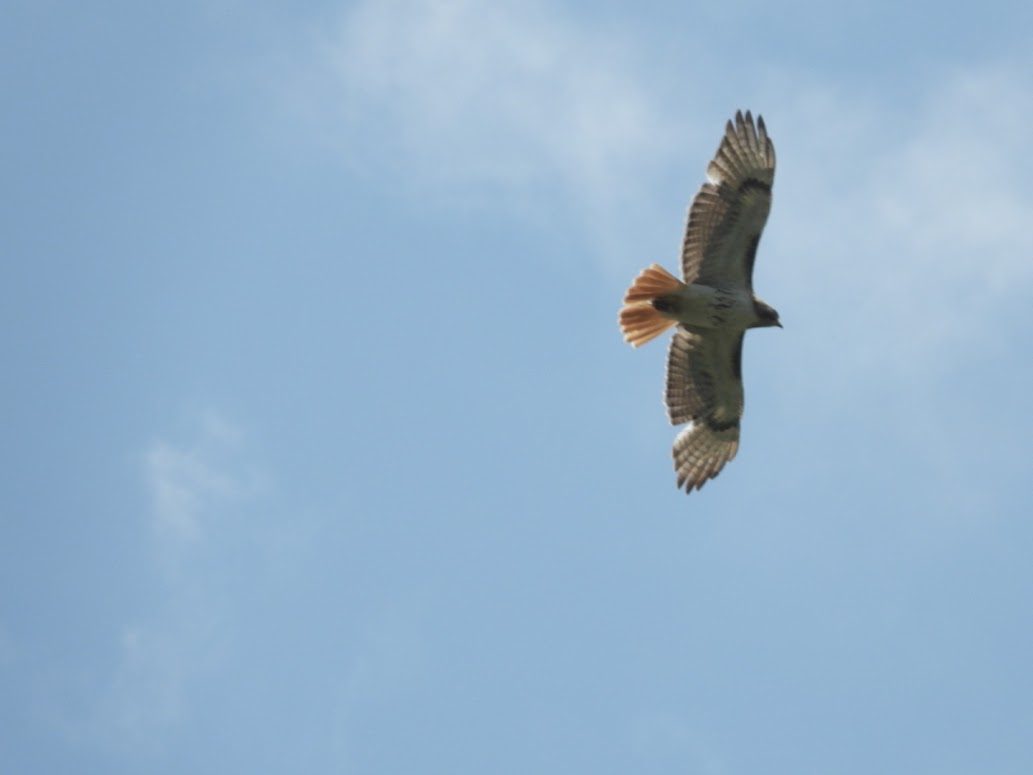 |
| ƒ/8, 1/2500, ISO1600, 395mm (2199mm equiv, 91.6X) | ƒ/5.6, 1/1600, ISO220, 216mm (1202mm equiv, 50.1X) |
| June 18 | June 25 |
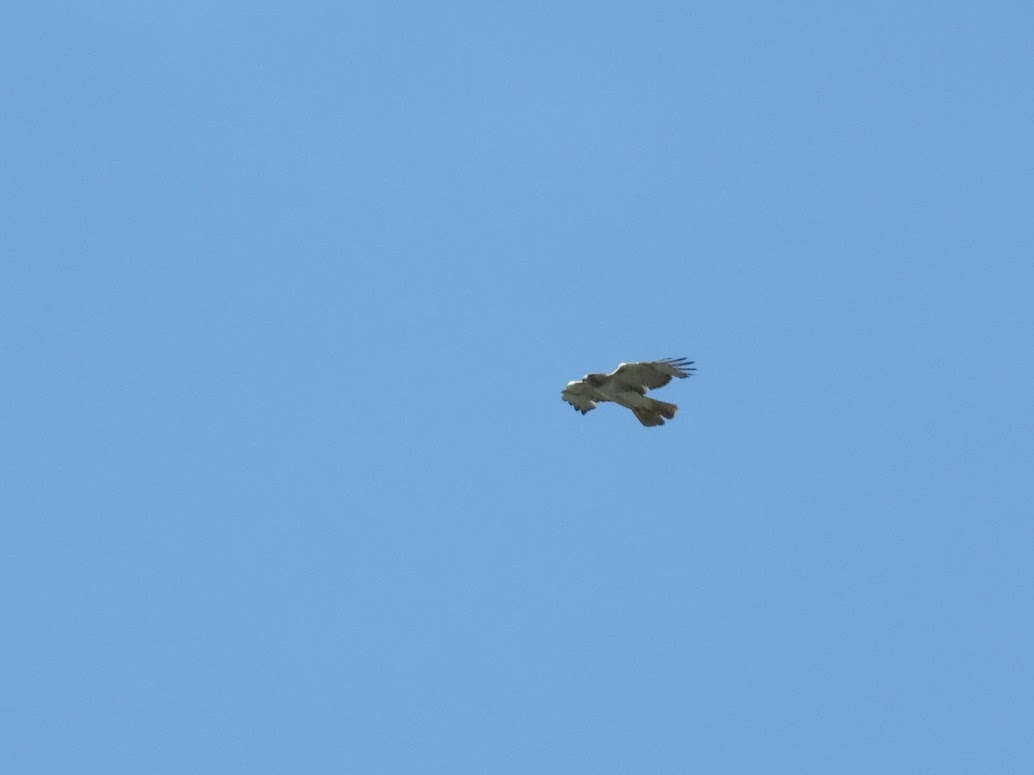 | 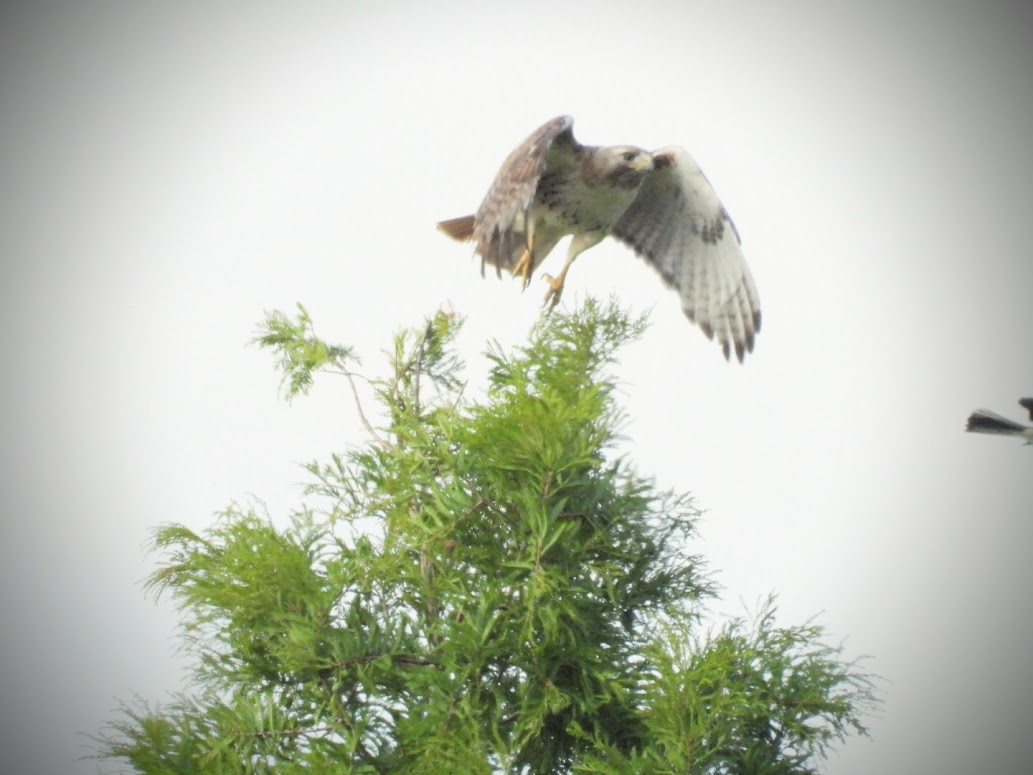 |
| ƒ/8, 1/4000, ISO1600, 216mm (1202mm equiv, 50.1X). Cropped in post-processing | ƒ/8, 1/1250, ISO1100, 539mm (3000mm equiv, 125.0X). Lighting, tone, and framing adjusted in post-processing |
| June 25 | June 25 |
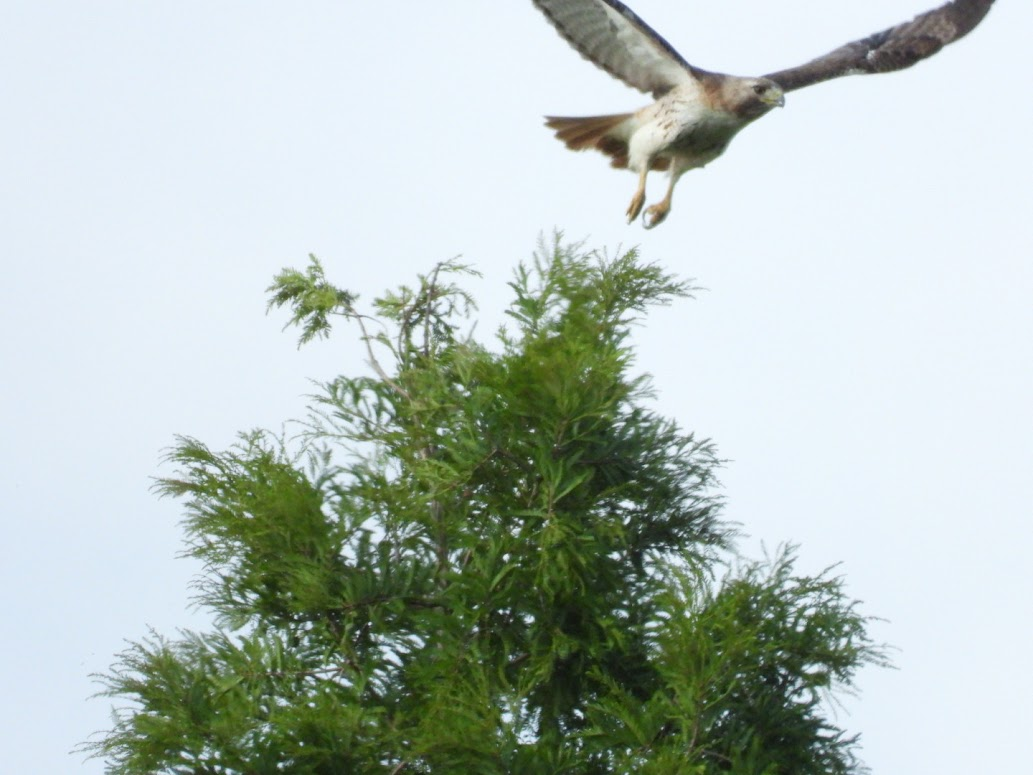 | 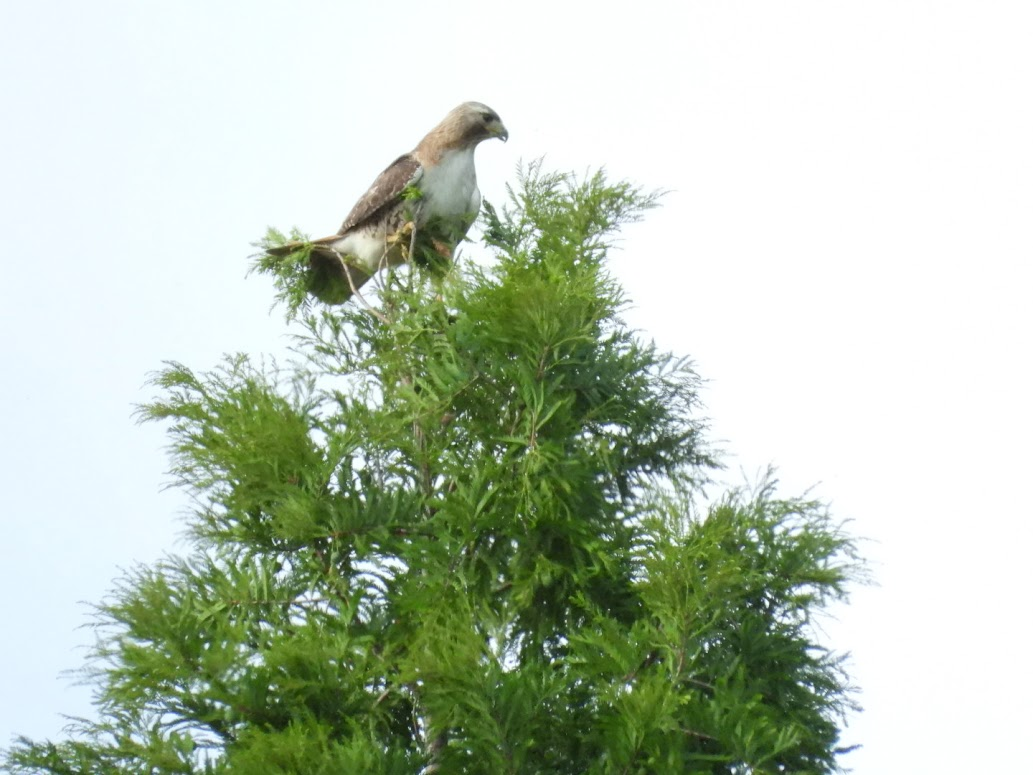 |
| ƒ/8, 1/1250, ISO1100, 539mm (3000mm equiv, 125.0X) | ƒ/8, 1/1250, ISO1600, 539mm (3000mm equiv, 125.0X) |
| June 26 | |
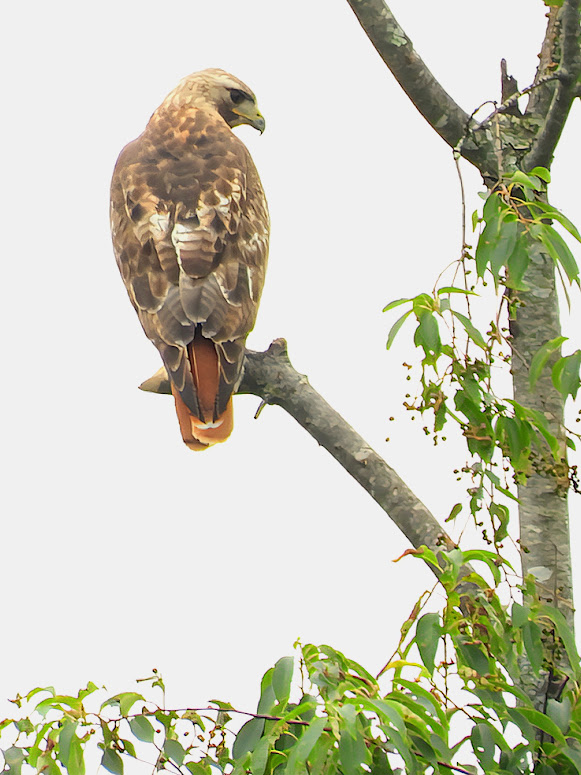 | |
| ƒ/8, 1/60, ISO320, 539mm (3000mm equiv, 125.0X). Cropped, lighting & tone adjusted in post-processing | |
Black Vulture and Cooper's Hawk
In addition to the area's two staples, I also recorded single observations of a Cooper's Hawk and a Black Vulture during June.
Black Vultures can be found through much of South and Central America, extending northward into the United States. Their range has been growing towards the north since the 1940s, with the first confirmed nesting pair in Pennsylvania in 1952. The Cooper's Hawk's territory reaches from northern Canada to the northern tip of South America.
Both birds were high overhead and moving quickly, so I didn't have time to zoom in very far. To see them better here, I had to crop and enlarge the full-resolution images.
The Black Vulture is identifiable by the white feathers on the tips of its wings. I needed help from AI and iNaturalist for the Cooper's Hawk, but the distinguishing features are the heavy barring under the wings and the head that projects relatively far in front of the wings.
| June 5 / Black Vulture | June 20 / Cooper's Hawk |
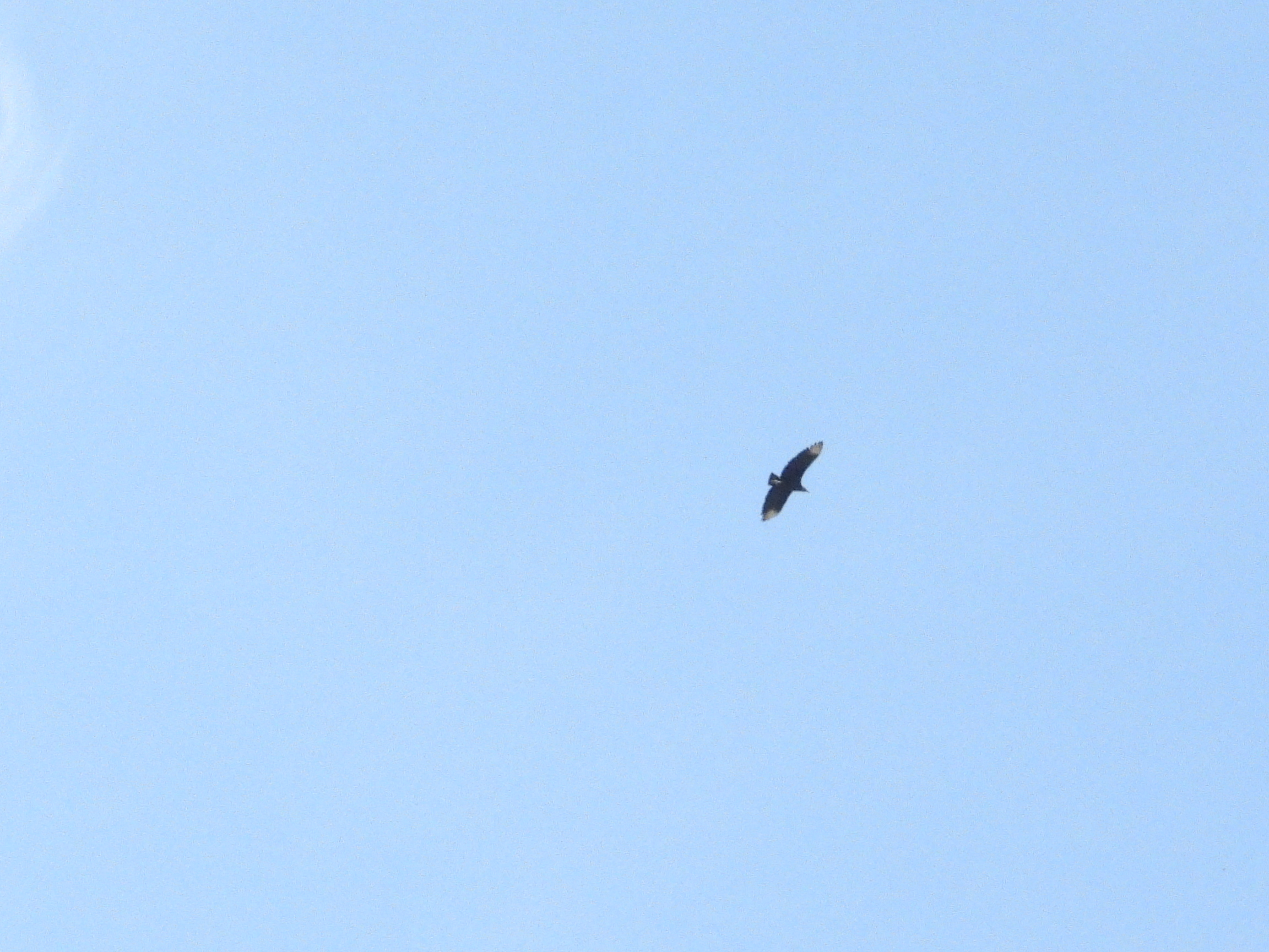 | 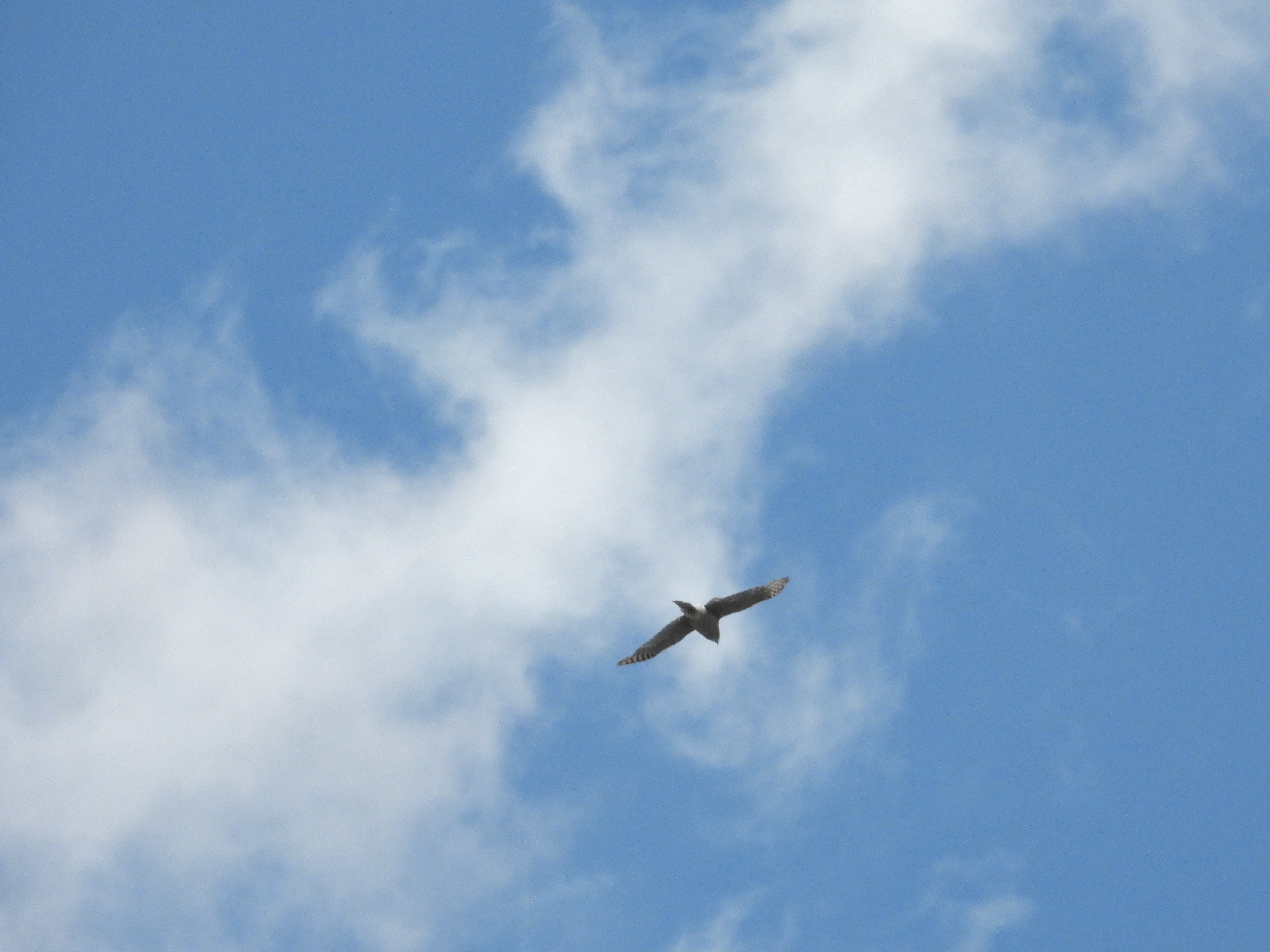 |
| ƒ/5, 1/2500, ISO1250, 24.3mm (135mm equiv, 5.6X) Cropped in post-processing. | ƒ/8, 1/3200, ISO800, 216mm (1202mm equiv, 50.1X) Cropped in post-processing. |
| June 20 / Cooper's Hawk | |
 | |
| ƒ/8, 1/3200, ISO800, 216mm (1202mm equiv, 50.1X) Cropped in post-processing. | |
Appendix
Notes on the use of AI
As previously noted, I use AI for the following purposes in creating this series:
- Wildlife identification (Merlin, iNaturalist, Meta AI, Claude, Gemini)
- Formatting iNaturalist observations, photographs, dates, and camera settings into markdown tables (Claude)
- Proof-reading and editorial advice (Claude, Gemini, Meta AI, ChatGPT, Grok)
Here are my previous wildlife photography posts:
June photographs
- The Raptors of June in Southeastern Pennsylvania: Vultures and Hawks
- Backyard Wildlife Photos in Southeastern Pennsylvania: Still more small birds during June
- Backyard Wildlife Photos in Southeastern Pennsylvania: A few more small birds during June
- Backyard Wildlife Photos in Southeastern Pennsylvania: Mammals and Small Birds during June
- Photography meets citizen science: June's wildlife in south-eastern Pennsylvania
May's photographs
- Hawks and a Bald Eagle: May raptor photography practice in southeastern Pennsylvania - part 2
- Vultures and Kites: May raptor photography practice in southeastern Pennsylvania - part 1
- Wildlife photographs in southeastern Pennsylvania: Small animals with multi-month sightings in May - part 2
- Wildlife photographs in southeastern Pennsylvania: Small animals with multi-month sightings in May - part 1
- Backyard wildlife photography in southeastern Pennsylvania: First encounters during May - post 2
- Backyard wildlife photography in southeastern Pennsylvania: Something Old - Something New
- Photography meets citizen science: May's wildlife in south-eastern Pennsylvania
April's photographs
- [Citizen Science] April's Raptors in South-Eastern Pennsylvania
- Photography meets citizen science: April's wildlife in south-eastern Pennsylvania
- Learning photography with wildlife in south-eastern Pennsylvania: First encounters in the month of April
- Learning photography with wildlife in south-eastern Pennsylvania: First encounters in the month of April - part 2
- April wildlife observations in south-eastern Pennsylvania: repeated encounters with small animals
March's photographs
- Backyard Photography in Chester County, Pennsylvania during March 2026: Warm-up Shots
- [Citizen Science] Observations of Small Birds and Animals in South-eastern Pennsylvania from March of 2026
- [Citizen Science] The Raptors of March in South-Eastern Pennsylvania
Thank you for your attention!
Unless otherwise specified in the text, all photos above were taken by me with a (hand held) Nikon P1000 camera. I'm sharing them under the CC BY 4.0 license (share & adapt freely with attribution to the original source).